Why Is My Gas Oven Clicking And What To Do About It
A gas oven clicking is usually caused by a faulty igniter, spark electrode, or gas valve problem. Understanding the root cause helps you fix it quickly and safely. This guide covers every common reason your oven keeps clicking and provides step-by-step solutions. You will learn when to DIY and when to call a professional for oven repair.
You are ready to bake your favorite cake. You turn the dial, set the temperature, and wait. But instead of a warm oven, all you hear is a rapid clicking sound. It keeps going and going. Your gas oven is clicking, and you have no idea why. This is more common than you think. Many homeowners face this exact problem at some point.
The good news is that you do not need to be a technician to understand what is happening. Most causes are simple to identify. And many fixes are things you can handle yourself at home. In this guide, we will walk through every reason your gas oven might be clicking. We will also cover what to do about each one. By the end, you will know exactly how to silence that annoying noise and get your oven working again.
Key Takeaways
- Faulty igniter: A weak or broken igniter is the most common reason for gas oven clicking.
- Spark electrode issues: Debris or damage to the spark electrode causes persistent clicking.
- Gas valve problems: A stuck or failing gas valve can interrupt gas flow and trigger clicking.
- Moisture buildup: Water or grease inside the oven can short the spark module.
- Control board failure: A damaged oven control board may send continuous signals to the igniter.
- Safety first: Always turn off the gas supply before attempting any repair.
- Call a pro: Complex gas issues should be handled by a licensed technician.
📑 Table of Contents
- Understanding How Your Gas Oven Ignition System Works
- Common Reasons Why Your Gas Oven Is Clicking
- Step-by-Step Troubleshooting Guide
- When to Call a Professional for Oven Repair
- Prevention Tips to Avoid Future Clicking Problems
- Quick Tips for Fixing a Clicking Gas Oven
- Comparing Common Ignition Types in Gas Ovens
- Understanding the Cost of Repairs
- Key Takeaways
- Conclusion
Understanding How Your Gas Oven Ignition System Works
Before we dive into the causes, let us quickly understand how your oven works. When you turn the knob to start baking, several things happen in sequence. The oven control board sends power to the igniter. The igniter begins to glow and heat up. As it reaches a certain temperature, it signals the gas valve to open. Gas flows to the burner, and the igniter lights it. This whole process should take about 30 to 60 seconds. If any part of this sequence fails, your oven may keep clicking without lighting.
The ignition system is the heart of your gas oven. It includes the igniter, spark electrode, spark module, gas valve, and control board. Each component plays a vital role. When one part breaks down, the entire system fails. And the clicking sound is your oven telling you something is wrong.
Why Does the Ignition Sequence Matter?
Understanding the ignition sequence helps you troubleshoot faster. For example, if you hear clicking but see no glow from the igniter, the problem is likely the igniter itself or its wiring. If the igniter glows but the oven never lights, the gas valve or safety valve may be stuck. Each clue points to a different fix. Paying attention to these details saves you time and money on oven repair.
Common Reasons Why Your Gas Oven Is Clicking
Now let us look at the main reasons behind that persistent gas oven clicking sound. Each section covers a specific cause and explains how to fix it.
1. Faulty Oven Igniter
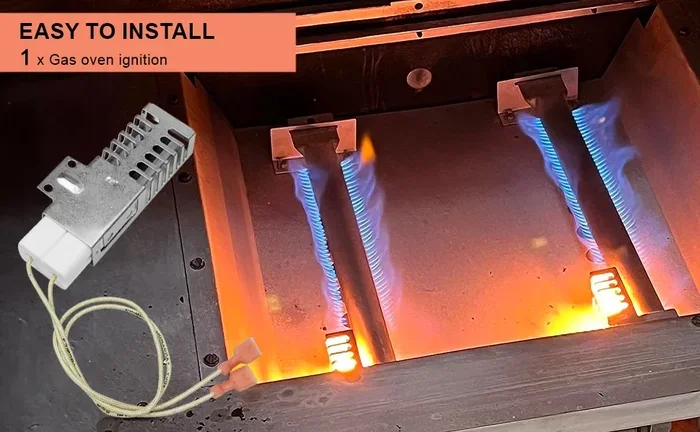
The igniter is the most common culprit. Over time, the igniter wears out. It may still glow, but it does not get hot enough to light the gas. When this happens, the oven keeps trying to ignite. The result? A nonstop clicking noise oven owners hate.
Signs of a bad igniter include:
- The igniter glows dimly or not at all
- The oven takes more than 90 seconds to light
- The burner never ignites despite repeated attempts
- The igniter looks cracked or broken
Replacing an igniter is usually straightforward. You can buy a universal or model-specific igniter for $15 to $40. Most guides online walk you through the steps. Just remember to disconnect the power before you start.
2. Spark Electrode Problems
Some ovens use a spark electrode instead of a hot-surface igniter. The electrode creates a spark that lights the gas. If the electrode is dirty, corroded, or cracked, it may fail to spark properly. The oven then keeps clicking in an attempt to ignite.
Check the electrode for any visible damage. Food debris and grease buildup are common causes of spark failure. A simple cleaning with a dry cloth or a soft brush often solves the problem. If the electrode is cracked, replacement is the best fix.
3. Moisture or Grease Buildup Inside the Oven
Moisture is a sneaky problem. If you recently cleaned your oven with water or steam, residual moisture can reach the spark module. This causes a short circuit, and the oven starts clicking randomly. The same thing can happen if grease builds up around the ignition components.
To fix this, simply let the oven dry out completely. Leave the door open for a few hours. You can also use a fan to speed up the process. Once dry, the clicking should stop. Going forward, avoid using excessive water when cleaning around ignition parts.
4. Gas Valve Issues
The gas valve controls the flow of gas to the burners. If the valve is stuck, clogged, or failing, gas cannot reach the burner properly. The oven tries to ignite, fails, and keeps clicking. A gas valve issue is one of the more serious causes because it involves gas supply lines.
Signs of a failing gas valve include:
- The oven clicks but never attempts to ignite
- You smell gas near the oven
- The burner lights weakly or inconsistently
- Multiple burners are affected
Do not attempt to repair a gas valve yourself unless you are trained. Gas leaks are extremely dangerous. Always call a licensed professional for gas valve repairs.
5. Control Board Failure
The oven control board is the brain of your appliance. It sends electrical signals to the igniter and gas valve at the right time. If the control board malfunctions, it may send continuous signals. This causes the oven to click repeatedly without completing the ignition cycle.
Control board failure is less common than igniter problems, but it does happen. Signs include:
- The oven clicks in unusual patterns
- Buttons on the control panel do not respond
- The oven displays error codes
- Multiple functions stop working at once
Replacing a control board can cost between $100 and $300, including labor. It is best to have a technician diagnose this issue.
6. Safety Valve or Thermocouple Malfunction
Older gas ovens have a safety valve and a thermocouple. The thermocouple detects whether the pilot light is on. If it senses no flame, it shuts off the gas supply as a safety measure. A faulty thermocouple may shut off the gas even when the pilot light is working, causing the oven to click and fail to stay lit.
If your oven has a standing pilot light, check whether the pilot flame is strong and blue. A weak yellow flame often indicates a thermocouple issue. Cleaning or replacing the thermocouple usually resolves the problem.
Step-by-Step Troubleshooting Guide
Now that you know the common causes, here is a simple troubleshooting plan. Follow these steps in order to identify and fix the clicking sound when baking issue.
Step 1: Check the Power Supply
Start with the basics. Make sure the oven is properly plugged in or that the circuit breaker has not tripped. A power interruption can reset the control board and cause temporary clicking. If you have recently experienced a power outage, this could be the reason.
Step 2: Inspect the Igniter
Turn off the oven and open the door. Locate the igniter at the bottom of the oven cavity. Turn the oven on and watch the igniter. Does it glow? Is the glow bright orange or dim and weak? A healthy igniter should glow brightly within 30 seconds. If it does not, replacement is likely needed.
Step 3: Clean the Ignition Components
Use a soft brush or dry cloth to clean the igniter, spark electrode, and surrounding area. Remove any food debris, grease, or carbon buildup. This simple step resolves many clicking issues caused by dirt and grime.
Step 4: Check for Moisture
If you recently cleaned the oven, moisture may be trapped inside. Leave the door open and let everything dry for at least 4 to 6 hours. Then test the oven again.
Step 5: Listen for Gas Flow
When you turn the oven on, do you hear a faint hissing sound? That means gas is flowing. If you hear clicking but no hiss, the gas valve may not be opening. This points to a valve or control board problem.
Step 6: Call a Professional
If none of the above steps work, it is time to call an expert. A qualified technician can safely diagnose gas valve issues, control board failures, and other complex problems.
When to Call a Professional for Oven Repair
Not every gas oven troubleshooting task is a DIY job. Some situations require professional help. Here are clear signs that you should stop troubleshooting and call a technician:
- You smell gas at any time — this is an emergency
- The oven clicks but you hear no attempt to ignite after multiple tries
- The igniter glows but never reaches lighting temperature
- You suspect the gas valve or control board is faulty
- You are uncomfortable working with gas components
Safety should always come first. Gas appliances involve combustible fuel. If you are unsure about any step, it is perfectly fine to seek professional help. A licensed oven repair technician has the training and tools to handle complex issues safely.
Prevention Tips to Avoid Future Clicking Problems
Once you fix the clicking issue, you want to prevent it from happening again. Regular oven maintenance goes a long way. Here are simple tips to keep your gas oven running smoothly:
- Clean your oven regularly. Wipe up spills and grease buildup after each use. Pay special attention to the area around the igniter and burner ports.
- Do not use excessive water when cleaning. Moisture is the enemy of ignition components. Use damp cloths rather than soaking surfaces.
- Inspect the igniter annually. Look for signs of wear, cracks, or discoloration. Catching problems early prevents complete failure.
- Keep the oven door seal clean. A dirty seal can affect temperature and airflow, which indirectly impacts ignition performance.
- Run the self-clean cycle sparingly. While convenient, frequent self-cleaning can put stress on components over time.
- Address small issues quickly. If your oven takes longer to light or makes unusual sounds, investigate right away. Early intervention prevents bigger problems.
Quick Tips for Fixing a Clicking Gas Oven
Here are some fast tips you can use right away:
- Always turn off the gas supply before opening the oven for inspection
- Keep a flashlight handy to inspect the igniter and burner area
- Take a photo of the igniter before removing it — this helps during reinstallation
- Have your oven model number ready when ordering replacement parts
- Do not use the oven if you smell gas — ventilate the area and call your gas company
- Keep a multimeter on hand to test the igniter for continuity
- Document any error codes displayed on the control panel
Comparing Common Ignition Types in Gas Ovens
Different ovens use different ignition systems. Understanding your oven type helps you narrow down the cause of the clicking.
| Ignition Type | How It Works | Common Clicking Cause | Typical Lifespan |
|---|---|---|---|
| Hot-Surface Igniter | Glows hot to ignite gas | Worn-out or cracked element | 5 to 10 years |
| Spark Electrode | Creates a spark to light gas | Dirty or damaged electrode | 7 to 12 years |
| Standing Pilot Light | Small flame always on | Faulty thermocouple or clogged pilot | 10 to 15 years |
| Intermittent Ignition | Electronic spark on demand | Spark module or control board failure | 8 to 15 years |
Knowing your oven’s ignition type helps you target the right fix. If you are unsure, check your owner’s manual or look up your model number online.
Understanding the Cost of Repairs
Cost is always a factor when dealing with appliance repairs. Here is a rough breakdown of what you might expect:
- Igniter replacement: $15 to $40 for the part, plus $75 to $150 for labor if you hire a technician
- Spark electrode replacement: $20 to $50 for the part
- Gas valve repair or replacement: $150 to $400 depending on the model and severity
- Control board replacement: $100 to $300 for parts and labor
- Thermocouple replacement: $10 to $30 for the part
DIY repairs save you money on labor costs. However, always weigh the risk. If you are not confident working with gas components, paying for professional help is worth the peace of mind.
Key Takeaways
- Faulty igniter: A weak or broken igniter is the most common reason for gas oven clicking.
- Spark electrode issues: Debris or damage to the spark electrode causes persistent clicking.
- Gas valve problems: A stuck or failing gas valve can interrupt gas flow and trigger clicking.
- Moisture buildup: Water or grease inside the oven can short the spark module.
- Control board failure: A damaged oven control board may send continuous signals to the igniter.
- Safety first: Always turn off the gas supply before attempting any repair.
- Call a pro: Complex gas issues should be handled by a licensed technician.
Conclusion
A gas oven clicking can be frustrating, but it is rarely a sign of a catastrophic problem. In most cases, the cause is a worn igniter, dirty electrode, or moisture buildup. These are fixable issues that you can handle with basic tools and a little patience. By following the troubleshooting steps in this guide, you can identify the root cause and apply the right fix.
Remember, safety always comes first. If you ever smell gas or feel uncertain about any repair, do not hesitate to call a professional. Regular oven maintenance keeps your appliance running efficiently and prevents most clicking issues from recurring.
Now that you know why your gas oven is clicking and what to do about it, you are well equipped to tackle the problem. Your next baking session should be smooth, quiet, and successful. Happy cooking!
What Is the Most Common Reason a Gas Oven Keeps Clicking?
The most common reason is a worn-out or weak igniter. The igniter glows but does not get hot enough to light the gas, causing the oven to keep clicking. Replacing the igniter usually solves the problem quickly and affordably.
Can Moisture Inside the Oven Cause Clicking?
Yes, absolutely. Moisture can reach the spark module or ignition components and cause a short circuit. This results in random or continuous clicking. Simply letting the oven dry out for several hours often fixes the issue completely.
Is It Safe to Use a Gas Oven That Keeps Clicking?
It depends on the cause. If the oven eventually lights and heats properly, it is generally safe to use. However, if the oven never lights or you smell gas, stop using it immediately and seek professional help. Gas leaks are dangerous and should never be ignored.
How Much Does It Cost to Fix a Clicking Gas Oven?
Costs vary depending on the cause. An igniter replacement part costs $15 to $40, while gas valve repairs can range from $150 to $400. Control board replacements typically cost $100 to $300. DIY repairs save on labor, but professional help ensures safety and proper installation.
How Do I Know if My Oven Igniter Needs Replacement?
Watch the igniter when you turn the oven on. If it glows dimly, takes more than 90 seconds to light the burner, or does not glow at all, it likely needs replacement. A visual inspection may also reveal cracks or visible damage on the igniter element.
Should I Try to Repair the Gas Valve Myself?
No. Gas valve repairs involve working with combustible gas lines and should only be done by a licensed professional. Attempting DIY gas valve repairs can be extremely dangerous and may void your warranty. Always call a qualified technician for gas-related issues.
Frequently Asked Questions
What is Why Is My Gas Oven Clicking?
Why Is My Gas Oven Clicking is an important topic with many practical applications.