How To Place Ribs In Oven For Perfect Tender Juicy Meat
How To Place Ribs In Oven is an essential topic that provides valuable insights.
There is something magical about oven-baked ribs. The aroma fills your kitchen, the meat slowly renders its fat, and the bark forms into a beautiful crust. But getting ribs right in the oven is not just about setting a timer. How you place ribs in oven matters just as much as your seasoning or your choice of meat.
Whether you are cooking pork ribs, beef ribs, or baby back ribs, placement affects heat distribution, moisture retention, and overall cook quality. A rack positioned too close to the top element can burn the surface. Placing ribs flat on the pan without elevation traps steam and creates soggy meat. These small details make a huge difference in your final result.
In this guide, we cover everything you need to know about placing ribs in oven correctly. From prep work to the final rest, you will find practical tips that work for every type of rib. Let us get into it.
Key Takeaways
- Lower rack placement: Always position ribs in the lower third of the oven for even heat and to prevent burning.
- Use a wire rack: Elevate ribs on a cooling rack set inside a baking sheet for proper air circulation and bark development.
- Low and slow cooking: Maintain oven temperatures between 275°F and 325°F for tender, juicy results.
- Foil wrapping: Wrap ribs in foil during the first half of cooking to lock in moisture and speed up tenderizing.
- Thermometer is essential: Target an internal temperature of 195°F to 203°F for perfectly done pork ribs.
- Rest before slicing: Let ribs rest for 10 to 15 minutes after removing from the oven to retain juices.
- Glaze at the end: Apply barbecue glaze or sauce in the last 15 minutes for a caramelized, flavorful finish.
📑 Table of Contents
- Understanding the Different Types of Ribs
- Preparing Your Ribs Before They Go in the Oven
- The Best Oven Setup for Perfect Ribs
- Step-by-Step: How To Place Ribs In Oven
- Cooking Times and Temperatures for Ribs
- Finishing Touches: Glazing and Resting Your Ribs
- Quick Tips for Better Oven Ribs
- Common Mistakes to Avoid When Placing Ribs in the Oven
- Expert Insights on Oven Rib Placement
- Key Takeaways
- Conclusion
Understanding the Different Types of Ribs
Before you learn how to place ribs in oven, it helps to understand what you are working with. Different rib cuts behave differently in the oven. Knowing your meat sets you up for better results from the start.
Pork Baby Back Ribs
These are the most common ribs for oven cooking. Baby back ribs come from the top of the pig’s ribcage. They are leaner, more tender, and cook faster than other cuts. Most oven recipes call for these because they are widely available and forgiving for beginners.
Pork Spare Ribs
Spare ribs come from the lower belly area. They have more fat and more bone, which means they need longer cook times. Placing spare ribs in oven requires a slightly different approach than baby backs. You will want to keep the temperature steady and give them extra time to break down the connective tissue.
Beef Ribs
Beef ribs are larger and fattier. They can be bone-in or boneless. Beef rib cooking in the oven benefits from low temperatures over a long period. The extra fat keeps the meat moist, but placement still matters for even rendering.
St. Louis Style Ribs
These are trimmed spare ribs with the cartilage and tips removed. They cook more evenly and fit better in standard ovens. St. Louis style ribs are a favorite for oven rib placement because their uniform shape allows for consistent heat exposure.
Preparing Your Ribs Before They Go in the Oven
Proper preparation makes placing ribs in oven much more effective. Skipping this step is one of the most common mistakes home cooks make.
Remove the Membrane
The thin membrane on the back of the rib rack can block seasoning and trap steam. Use a butter knife to loosen it at one edge, then pull it off with a paper towel for grip. This small step improves flavor penetration and texture significantly.
Season Generously
Apply your dry rub at least one hour before cooking, or even the night before. A good rib seasoning blend includes brown sugar, paprika, garlic powder, onion powder, salt, and black pepper. The rub forms the bark that makes oven ribs so delicious.
Bring Ribs to Room Temperature
Take your ribs out of the fridge about 30 minutes before cooking. Room temperature ribs cook more evenly than cold ones. This prevents the outer edges from drying out while the center is still warming up.
Pre-Heat the Oven
Always preheat your oven before placing ribs inside. A stable temperature from the start ensures consistent cooking. Most oven rib recipes call for temperatures between 275°F and 325°F.
The Best Oven Setup for Perfect Ribs
How you set up your oven before placing ribs in oven directly impacts the final texture. A few adjustments to your oven layout make a big difference.
Position the Rack in the Lower Third
The best placement for your oven rack is in the lower third of the oven. This positions the ribs closer to the bottom heat source, which promotes even browning on the bottom while the top stays moist. Rib rack placement in the lower third avoids direct exposure to the top heating element.
Use a Rib Rack or Elevate the Ribs
A rib cooling rack placed inside a baking sheet allows hot air to circulate around the entire rib rack. This is far better than laying ribs flat on a pan. Elevated placement prevents steaming and helps the bark develop properly.
Use Foil for Moisture Control
Many pitmasters wrap ribs in foil halfway through cooking. This technique, sometimes called the Texas crutch, locks in moisture and speeds up the tenderizing process. If you use foil, make sure it is wrapped snugly but not so tight that it tears.
Line the Pan with Foil for Easy Cleanup
Even if you do not wrap the ribs themselves, line your baking sheet with heavy-duty foil. This catches drips and makes cleanup effortless. It also prevents sugary rubs from burning onto the pan surface.
Set a Pan of Water Below the Ribs
Placing a shallow pan of water on the rack below the ribs adds humidity to the oven. This prevents the meat from drying out during long cook times. It is a simple trick that improves oven-baked ribs noticeably.
Step-by-Step: How To Place Ribs In Oven
Now let us get to the core of the guide. Here is exactly how to place ribs in oven for the best results every time.
Step 1: Prepare Your Baking Sheet
Line a large baking sheet with foil. Place a wire cooling rack on top. This creates the perfect setup for air circulation. If you do not have a rib rack, you can use a small oven-safe rack or even ball up pieces of foil to elevate the ribs.
Step 2: Place the Ribs Meat Side Down First
Put the ribs on the rack with the meat side facing down. This allows the fat to render and baste the meat as it cooks. The bone side faces up, which creates a natural buffer that protects the meat from direct heat.
Step 3: Position the Ribs in the Center of the Rack
Center the rib rack on the middle or lower oven rack. Avoid placing ribs near the oven walls. Oven rib placement in the center ensures even heat distribution. If your oven has hot spots, rotate the pan halfway through cooking.
Step 4: Add Liquid for Moisture (Optional)
Some cooks add apple juice, beer, or broth to the baking sheet. This creates steam that keeps the ribs moist. You can also spritz the ribs with apple cider vinegar during the cook. This step is optional but helpful for leaner cuts.
Step 5: Cover with Foil or Leave Exposed
For the first half of cooking, cover the ribs tightly with foil. This traps moisture and accelerates tenderizing. For the second half, remove the foil to let the bark form and the glaze set. Foil placement makes a noticeable difference in the juiciness of your ribs.
Step 6: Insert a Meat Thermometer
Place a probe thermometer into the thickest part of the rib without touching bone. Target internal temperature for tender pork ribs is around 195°F to 203°F. For beef ribs, aim for 200°F to 210°F. The temperature tells you more than any timer ever could.
Cooking Times and Temperatures for Ribs
Getting the time and temperature right is essential when you place ribs in oven. Every cut requires slightly different handling.
Recommended Temperatures
Most oven rib recipes work best between 275°F and 325°F. Lower temperatures take longer but produce more tender results. Higher temperatures cook faster but risk drying out the meat. Here is a quick reference:
- 275°F: Best for spare ribs and beef ribs. Slow render of fat.
- 300°F: The sweet spot for most rib types. Balanced cook time.
- 325°F: Good for baby back ribs. Faster cook with good results.
Approximate Cooking Times
Cooking time depends on the type of rib, the thickness, and your oven temperature. Here is a general guide:
- Baby back ribs: 2.5 to 3.5 hours at 300°F
- Spare ribs: 3.5 to 4.5 hours at 275°F to 300°F
- Beef ribs: 4 to 6 hours at 275°F
- St. Louis style ribs: 3 to 4 hours at 300°F
The Bend Test
When the ribs are done, pick them up from one end with tongs. They should bend and crack slightly on the surface. If they still hold firm, they need more time. This simple test is one of the best ways to judge doneness without cutting into the meat.
Finishing Touches: Glazing and Resting Your Ribs
The final steps of oven rib placement and finishing are what separate good ribs from great ones.
Apply Your Glaze in the Last 15 Minutes
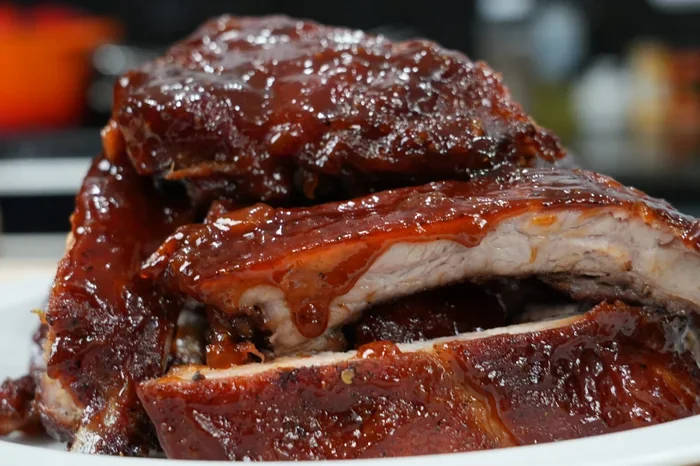
Brush your favorite barbecue glaze, honey mustard, or brown sugar sauce on the ribs during the last 15 minutes of cooking. The oven heat caramelizes the glaze into a sticky, sweet coating. Apply thin layers and repeat for a thicker finish.
Rest the Ribs Before Cutting
Remove the ribs from the oven and let them rest for 10 to 15 minutes. This allows the juices to redistribute throughout the meat. Cutting too early releases all the moisture onto the cutting board instead of keeping it in the rib.
Slice Against the Bone
Use a sharp knife to cut between the bones, not through them. Clean cuts make serving easier and look much more appealing. Tender ribs should separate easily along the bone lines when they have rested properly.
Quick Tips for Better Oven Ribs
- Use a meat thermometer instead of guessing. Internal temperature is the most reliable indicator of doneness.
- Do not rush the cook. Low and slow is the secret to fall-off-the-bone ribs.
- Rotate the pan halfway through if your oven has hot spots.
- Let the ribs rest before slicing to lock in juiciness.
- Keep the oven door closed as much as possible to maintain steady temperature.
- Experiment with wood chips on a foil packet at the bottom of the oven for a smoky flavor.
- Save the foil juices and drizzle them over the ribs before serving for extra flavor.
Common Mistakes to Avoid When Placing Ribs in the Oven
Placing Ribs Too High in the Oven
This is the number one mistake. Upper rack placement exposes the meat to direct top heat, which burns the surface before the inside is cooked. Always keep ribs in the lower or middle section.
Skipping the Membrane Removal
Leaving the membrane on blocks seasoning and creates a chewy layer that nobody wants to bite through. Take the extra two minutes to remove it.
Using Too High a Temperature
Some cooks crank the oven to 400°F to save time. This dries out the ribs and prevents the collagen from breaking down properly. Patience is the key to juicy oven-baked ribs.
Not Wrapping in Foil Midway
Skipping the foil wrap means you miss out on the moisture boost that makes ribs incredibly tender. The foil step is especially important for spare ribs and beef ribs.
Cutting Into Ribs Too Early
Resist the urge to check doneness by cutting into the ribs. Every time you open the foil or slice in, you release steam and moisture. Trust your thermometer and let the process do its work.
Expert Insights on Oven Rib Placement
Professional barbecue pitmasters agree that how to place ribs in oven is just as important as the seasoning or the wood choice. The key principles remain consistent across different methods.
Chef Myron Mixon, a legendary competition pitmaster, often emphasizes that oven rib cooking requires the same patience as smoking. The oven is simply a controlled environment that mimics what a smoker does outdoors. Consistent low heat, proper air circulation, and moisture management are the three pillars of great ribs.
Food scientist Dr. Greg Blonder explains that fat rendering happens most efficiently between 160°F and 200°F. This is why low-temperature oven placement works so well. The bones conduct heat inward while the surrounding fat melts and bastes the meat naturally. Placing ribs in oven on a raised rack maximizes this effect by allowing heat to reach all surfaces evenly.
Another expert insight is to avoid overcrowding. If you are cooking multiple racks, use two separate pans rather than stacking them. Overlapping ribs block heat flow and create uneven cooking zones. Each rack of ribs deserves its own space for the best results.
Key Takeaways
- Place ribs meat-side down on a wire rack over a baking sheet for even heat and proper bark formation.
- Position the rack in the lower third of the oven to avoid burning the top while the inside cooks through.
- Cook at 275°F to 325°F for tender, juicy results without drying out the meat.
- Wrap ribs in foil midway to lock in moisture and accelerate tenderizing.
- Use a meat thermometer and target 195°F to 203°F for perfectly done pork ribs.
- Rest ribs for 10 to 15 minutes before slicing to keep the juices inside the meat.
- Apply glaze in the last 15 minutes for a caramelized, sticky exterior that everyone loves.
Conclusion
Mastering how to place ribs in oven is a game changer for any home cook. The difference between mediocre ribs and incredible ribs often comes down to placement, temperature, and patience. By following the steps in this guide, you will consistently produce tender, juicy, fall-off-the-bone ribs that impress everyone at the table.
Remember to remove the membrane, season generously, use a wire rack, and keep the oven temperature low and steady. Wrap in foil halfway through, use a thermometer, and let the ribs rest before serving. These small habits add up to big flavor.
Whether you are cooking pork baby backs, spare ribs, beef ribs, or St. Louis style cuts, the principles remain the same. Proper oven rib placement ensures every bite is as good as the first. So fire up your oven, grab your favorite rub, and get ready for ribs that will become a family favorite.
The best part is that once you nail the technique, you can experiment with different sauces, rubs, and wood-smoke additions. How to place ribs in oven is the foundation, and everything else builds on top of it. Happy cooking, and enjoy every tender, juicy bite.
Frequently Asked Questions
Can I place ribs directly on the oven rack without a rack?
It is not recommended. Placing ribs directly on the oven rack causes uneven cooking and makes cleanup difficult. Always use a wire cooling rack set inside a baking sheet. This allows hot air to circulate around the ribs for even cooking and proper bark formation.
How long does it take to cook ribs in the oven at 300 degrees?
At 300°F, most rib racks take between 2.5 and 4.5 hours depending on the type. Baby back ribs typically need 2.5 to 3.5 hours, while spare ribs and beef ribs may need 3.5 to 6 hours. Always use a meat thermometer to check doneness rather than relying on time alone.
Should I wrap ribs in foil when placing them in the oven?
Wrapping ribs in foil during the first half of cooking is highly recommended. This technique, known as the Texas crutch, traps moisture and accelerates the breakdown of connective tissue. Remove the foil for the second half to let the bark form and the glaze set properly.
What is the best way to check if ribs are done in the oven?
The best method is using a meat thermometer. Pork ribs are done at 195°F to 203°F internal temperature. You can also perform the bend test by lifting one end of the rib with tongs. If the surface cracks slightly, the ribs are ready. Avoid cutting into the meat to check.
Can I cook frozen ribs in the oven?
It is not recommended. Frozen ribs cook unevenly and take much longer, which increases the risk of dried-out edges before the center is fully cooked. Always thaw ribs in the refrigerator overnight before cooking. If you must cook from frozen, add at least an extra hour to the cook time and check the internal temperature carefully.
Do I need to flip ribs while they cook in the oven?
No, you do not need to flip ribs if they are placed meat-side down on a wire rack. The bones act as a natural heat shield and the fat renders upward to baste the meat. However, rotating the entire pan 180 degrees halfway through cooking helps ensure even heat exposure if your oven has hot spots.