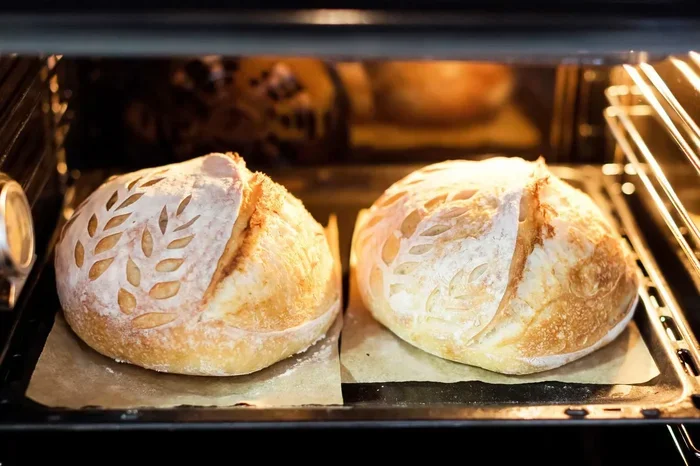
How To Open Bake Sourdough In The Oven Step By Step
Learning how to open bake sourdough in the oven is the key to achieving bakery-quality bread at home. This step-by-step guide walks you through the entire process, from preparing your starter to pulling a golden loaf out of the oven. You will discover the best techniques for scoring, steaming, and timing your bake for perfect results.
There is something truly magical about pulling a perfectly baked sourdough loaf out of your oven. The crust is golden and crackly. The inside is open and airy. And the smell fills your entire kitchen. But getting to that point is not always easy. Many home bakers struggle with their sourdough bread baking journey. They wonder why their loaf is flat, dense, or pale. The truth is, most problems come down to one thing. They do not know how to open bake sourdough in the oven properly.
Open baking is a technique where you bake your sourdough without a lid or cover. This is different from the popular Dutch oven method. When you bake sourdough in oven the open way, the moisture escapes steadily. This creates a beautiful, crispy crust. It also gives you more control over the final shape and color of your bread. In this guide, we will walk you through every single step. You will learn how to prep your dough, manage steam, set the right temperature, and know exactly when your loaf is done.
Whether you are a complete beginner or a seasoned home baker, this sourdough baking guide has something for you. We will cover the science behind artisan bread baking. We will share practical tips you can use right away. And we will help you troubleshoot common issues. By the end, you will feel confident enough to bake sourdough bread in your own kitchen with amazing results every single time.
Key Takeaways
- Open baking gives you more control: Unlike covered baking, the open method lets moisture escape for a crispy crust.
- Scoring matters more than you think: Proper cuts help your sourdough expand evenly during the bake.
- Steam is essential in the first phase: It keeps the crust soft so the bread can rise fully before the crust sets.
- Temperature and timing go hand in hand: A hot start followed by a lower finish creates the perfect balance.
- Practice makes perfect: Every bake teaches you something new about your oven and your dough.
- Cooling is part of the process: Letting your loaf cool completely prevents a gummy crumb.
- Your starter health affects everything: A strong, active starter leads to better oven spring and flavor.
📑 Table of Contents
What Is Open Baking And Why Does It Matter
Understanding The Open Bake Method
Open baking means baking your sourdough loaf without any cover. No Dutch oven. No baking stone with a lid. No foil tent. Your loaf sits directly in the oven, exposed to the dry heat. This is the traditional way that artisan sourdough bread making has been done for centuries. In a professional bakery, the loaves go straight onto the hearth of a hot stone or steel. The heat surrounds them from all sides.
When you bake sourdough in oven this way, the crust forms quickly. The outside of the loaf hardens while the inside continues to cook. This contrast between a crisp shell and a soft, tangy crumb is what makes sourdough bread so special. The open bake method also allows the sourdough crust to caramelize properly. That caramelization is what gives you the deep golden color and the complex flavors that make homemade sourdough taste so good.
Open Bake Vs Covered Bake
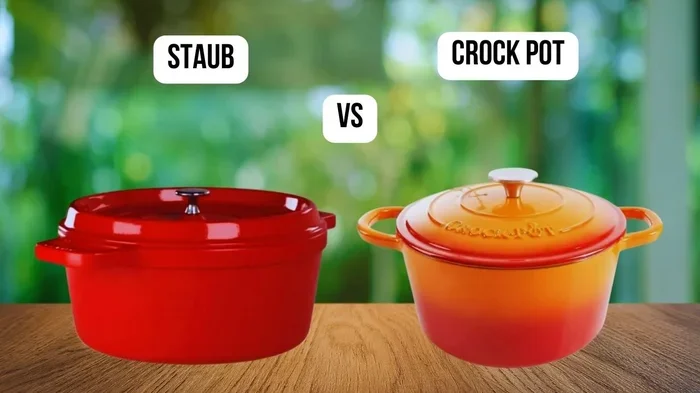
Many beginner bakers start with a covered method. The most common is the Dutch oven sourdough approach. You put your shaped loaf into a hot, covered pot. The trapped steam creates a humid environment. This keeps the crust soft for the first part of the bake. The bread can expand freely, which gives you great sourdough oven spring.
But there are trade-offs. A covered bake can sometimes make the bottom too dark. The sides of the loaf may not brown evenly. And you do not get the same level of crunch that open baking provides. With open bake sourdough in the oven, you get a more even bake all around. The crust is thinner and shatteringly crisp. The sourdough crumb inside is lighter and more open. Once you try both methods, you will understand why so many bakers prefer the open approach.
| Feature | Open Bake | Covered Bake |
|---|---|---|
| Crust Texture | Thin, crispy, and even | Thicker, softer crust |
| Oven Spring | Good with proper steam | Excellent due to trapped steam |
| Browning | Even all around | Bottom may overbrown |
| Control | High, you manage steam manually | Low, steam is trapped automatically |
| Equipment Needed | Baking stone or sheet pan | Dutch oven or cloche |
| Best For | Artisan-style loaves | Beginners and round boules |
Preparing Your Sourdough For Open Baking
Start With A Healthy Starter
Everything begins with your sourdough starter. If your starter is weak or inactive, your loaf will not rise properly in the oven. Before you plan any bake, make sure your starter is at peak activity. It should double in size within 4 to 6 hours of feeding. It should be bubbly and pass the float test. A healthy sourdough starter produces enough gas to create those beautiful air pockets in the sourdough crumb.
Feed your starter 8 to 12 hours before you plan to mix your dough. Use equal parts flour and water by weight. A high hydration sourdough dough (75 to 85 percent water) works best for open baking. The extra water turns into steam during the bake, which helps with sourdough oven spring. Just make sure your dough is strong enough to hold that gas. You build strength through folding during bulk fermentation.
Shaping And Scoring Your Loaf
Shaping is one of the most important steps in sourdough bread baking. A well-shaped loaf holds its form during proofing and baking. When you open bake sourdough in the oven, the shape determines how the bread expands. A tight surface tension on the outside of the loaf acts like a balloon. It stretches as the inside fills with steam and gas.
After shaping, let your loaf undergo a final proof. This can be at room temperature for 1 to 2 hours or in the fridge overnight. Cold retardation in the fridge develops more flavor and makes the dough easier to score. When you are ready to bake, take the loaf out about 30 minutes early. This lets it warm up slightly.
Scoring is the art of cutting the surface of the loaf before baking. Use a sharp blade called a lame or a razor. Cut about half a centimeter deep at a 30 to 45 degree angle. The cuts give the bread predetermined places to expand. Without scoring, your loaf might burst randomly on the sides. With good scoring, you get a beautiful ear and an even rise. This is especially important when you are baking sourdough in oven the open way because there is no pot to guide the expansion.
The Open Bake Process Step By Step
Step One: Preheat Your Oven And A Baking Surface
Preheating is critical for open bake sourdough in the oven. You need your oven to be fully hot before the bread goes in. Set your oven to 475 to 500 degrees Fahrenheit. Place your baking stone or a thick baking sheet on the middle or lower rack. Let it preheat for at least 45 minutes to one hour. A hot surface gives your loaf an immediate burst of heat from below. This kick starts the sourdough oven spring right from the beginning.
If you do not have a baking stone, a cast iron skillet or a plain heavy baking sheet works too. The key is thermal mass. A heavy surface stores heat and releases it steadily into the bottom of the loaf. This prevents the bottom from being pale and underbaked while the top gets too dark.
Step Two: Add Steam In The First Phase
Steam is the secret ingredient in artisan bread baking. During the first 15 to 20 minutes of the bake, steam keeps the sourdough crust soft and pliable. This allows the loaf to expand fully before the crust hardens. Without steam, the crust sets too early and the bread cannot rise as much.
There are several ways to add steam to your oven. You can spray water into the oven with a bottle right after loading the loaf. You can place a preheated cast iron pan on the bottom rack and pour boiling water into it. Or you can use a steam pan that sits on the oven floor. Be careful when adding steam. The oven can get very hot. Use oven mitts and keep your face away from the steam. Work quickly and close the door fast to trap the moisture inside.
Some bakers skip the steam entirely when they open bake sourdough in the oven. This works too, but the results are different. Without steam, the crust forms faster. The loaf gets a thicker, darker crust. The sourdough crumb may be slightly denser. If you are happy with that texture, you can skip steaming. But if you want a lighter, more open crumb with a thinner crust, steam is your friend.
Step Three: Bake With The Door Open Or Closed
Here is where the term “open bake” can cause confusion. When we say open bake sourdough in the oven, we mean baking without a cover on the loaf. It does not mean leaving the oven door open. That would be a mistake. Your oven door should stay closed during the bake. The door keeps the heat and any steam you added trapped inside.
Bake your loaf for about 20 to 25 minutes with the door closed. During this time, the sourdough oven spring happens. The loaf rises dramatically as the gases expand and the starches gelatinize. The bread scoring opens up into a beautiful ear. The crust begins to set and turn golden brown.
After 20 to 25 minutes, you can optionally open the door briefly to release some steam. This helps the crust thicken and become extra crispy. Some bakers lower the temperature at this point to 425 to 450 degrees Fahrenheit. This gentler finish prevents the top from burning while the inside finishes cooking through.
Step Four: Check For Doneness And Cool Properly
Knowing when your sourdough bread is done is a skill you develop over time. The total bake time is usually 35 to 45 minutes. But time alone is not enough. You need to check the loaf. Tap the bottom of the bread with your knuckle. If it sounds hollow, it is done. Use an instant-read thermometer if you want to be precise. The internal temperature should reach 205 to 210 degrees Fahrenheit.
Once your loaf is out of the oven, do not cut into it right away. This is hard to do, but it is important. The sourdough crumb needs time to set. Cutting too early releases steam and makes the inside gummy. Let the loaf cool on a wire rack for at least one hour. The crust will continue to crisp up as it cools. The inside will firm and become that perfect sourdough crumb you are looking for.
Troubleshooting Common Open Bake Problems
My Loaf Is Flat And Did Not Rise In The Oven
A flat loaf, sometimes called a “flat tire,” is one of the most common issues with baking sourdough in oven. This usually happens because the dough was not strong enough. During bulk fermentation, you need to build strength through stretch and folds. If you skip this step, the dough cannot hold the gas that forms. Another cause is underproofing. If the dough has not fermented enough before baking, there is not enough gas to create sourdough oven spring.
Try to fix this by adding more folds during bulk fermentation. Make sure your starter is active and strong. And give the dough enough time to proof before it goes in the oven. A properly proofed loaf will look puffy and jiggly before baking.
The Crust Is Too Thick Or Too Dark
If your sourdough crust is rock hard or almost black, your oven might be too hot. Or you might have baked for too long. Try lowering the temperature by 25 degrees and baking for a few more minutes. You can also try removing the steam source earlier. Less steam means the crust sets faster and gets thicker.
Another reason is not enough steam in the early phase. Without initial moisture, the crust sets too quickly and becomes very hard. Make sure you are adding steam for at least the first 15 minutes. This keeps the crust soft enough to allow maximum expansion without becoming overly thick.
The Inside Is Gummy Or Underbaked
A gummy sourdough crumb means the inside did not cook through. This can happen if the oven temperature was too low. Or if the loaf was too large and needed more time. Always use a thermometer to check the internal temperature. 205 to 210 degrees Fahrenheit is the sweet spot. Also, make sure your baking stone or surface is fully preheated. A cold surface will slow down the bottom baking and leave the center underdone.
Quick Tips For Perfect Open Baked Sourdough
- Use a baking steel instead of a stone. Steel conducts heat faster and gives you even better oven spring.
- Score deeply enough. Shallow cuts will not open up properly during the bake.
- Do not skip the steam phase. Even 10 minutes of steam makes a noticeable difference in the final crumb.
- Let your dough rest after shaping. A 30 minute rest before the final proof helps the surface relax and shape more easily.
- Keep notes after every bake. Write down the temperature, time, hydration, and results. This helps you improve with each sourdough bake.
- Use a peel or parchment paper. Transferring the loaf to a hot stone is much easier with a peel or parchment.
- Experiment with different flours. A mix of bread flour and whole grain flour adds flavor and color to your crust.
Expert Insights On Open Baking Sourdough
Professional sourdough bread making relies heavily on understanding how heat and moisture interact with dough. When you open bake sourdough in the oven, you are essentially controlling two variables. Heat and steam. The heat sets the structure of the bread. The steam delays crust formation so the interior can expand.
Many experienced bakers use a technique called baking in stages. They start with high heat and steam, then reduce the temperature and remove the steam source. This two-phase approach gives you the best of both worlds. Maximum oven spring in the beginning and a beautifully browned crust at the end. This is the foundation of artisan bread baking and it works incredibly well for home bakers too.
Your sourdough hydration level also plays a big role in open baking. Higher hydration doughs (80 percent and above) produce more steam during the bake naturally. This means you may need less external steam. Lower hydration doughs (65 to 75 percent) benefit more from added steam in the early phase. Understanding your dough and adjusting your technique accordingly is what separates a good sourdough baker from a great one.
One more thing to keep in mind. Every oven is different. Your oven might run hot or cold. It might have hot spots. The bake time and temperature in this guide are starting points. You will need to adjust based on your specific oven. A simple oven thermometer can help you figure out what your oven is actually doing. Once you understand your oven, you can fine-tune every sourdough bake for perfect results.
Key Takeaways
- Open baking gives you more control: Unlike covered baking, the open method lets moisture escape for a crispy crust.
- Scoring matters more than you think: Proper cuts help your sourdough expand evenly during the bake.
- Steam is essential in the first phase: It keeps the crust soft so the bread can rise fully before the crust sets.
- Temperature and timing go hand in hand: A hot start followed by a lower finish creates the perfect balance.
- Practice makes perfect: Every bake teaches you something new about your oven and your dough.
- Cooling is part of the process: Letting your loaf cool completely prevents a gummy crumb.
- Your starter health affects everything: A strong, active starter leads to better oven spring and flavor.
What Does Open Bake Mean For Sourdough
Open baking means baking your sourdough loaf without any cover. The dough is exposed directly to the oven’s dry heat. This method creates a thin, crispy crust and an even bake all around. It gives you more control over the final texture and color of your sourdough bread.
How Long Should I Open Bake Sourdough In The Oven
A typical open bake takes about 35 to 45 minutes total. The first 15 to 20 minutes are with steam at a higher temperature of around 475 to 500 degrees Fahrenheit. The remaining time is at a lower temperature of 425 to 450 degrees Fahrenheit without steam. Always check for doneness by tapping the bottom and using a thermometer.
Can I Open Bake Sourdough Without A Baking Stone
Yes, you can. A thick baking sheet, a cast iron skillet, or even a plain oven-safe pan works. A baking stone or steel gives the best results because it stores more heat. But you can still achieve great sourdough oven spring with a heavy baking sheet. Just make sure it is fully preheated before you load the loaf.
Why Is My Sourdough Crust Not Crispy When Open Baking
A soft crust usually means not enough steam was added in the early phase, or the oven temperature was too low. Try increasing your initial temperature and adding steam for the first 15 to 20 minutes. Also make sure your loaf is not too wet on the outside. A dry surface before baking helps the crust set properly and become crispy.
Do I Need To Steam The Oven When Open Baking Sourdough
Steam is highly recommended but not strictly required. Adding steam keeps the crust soft during the first phase of baking. This allows the loaf to expand more and develop a lighter sourdough crumb. Without steam, the crust forms faster and the bread may be denser. If you skip steam, expect a thicker, darker crust and a slightly tighter interior.
How Do I Know When My Open Baked Sourdough Is Done
Your sourdough loaf is done when the crust is deeply golden brown and the bottom sounds hollow when tapped. Use an instant-read thermometer to confirm. The internal temperature should be between 205 and 210 degrees Fahrenheit. If you are unsure, it is better to bake a few extra minutes than to cut into an underbaked loaf.
Conclusion
Open baking sourdough in the oven is one of the most rewarding techniques you can learn as a home baker. It gives you beautiful, crispy crusts and an open, airy crumb that rivals any bakery. The process might feel intimidating at first. But once you understand the basics of heat, steam, and timing, it becomes second nature. Start with a healthy sourdough starter. Shape your loaf with care. Score it confidently. Add steam in the early phase. And trust the process. Every sourdough bake is a learning experience. You will get better with each loaf. So preheat your oven, prepare your dough, and enjoy the magic of open baking. Your perfect sourdough bread is waiting for you.
Frequently Asked Questions
What is How To Open Bake Sourdough In The Oven?
How To Open Bake Sourdough In The Oven is an important topic with many practical applications.