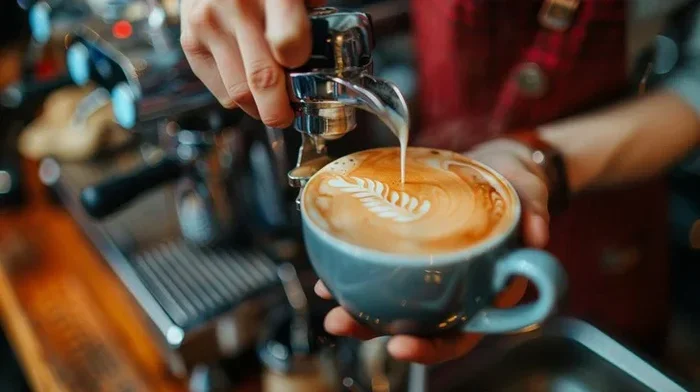
How To Make Very Good Coffee Like A Professional Barista
Want to brew very good coffee at home? This guide shows you exactly how to make very good coffee like a professional barista. You will learn the right coffee-to-water ratio, ideal water temperature, grind size for each method, and simple barista tips that transform your daily cup. With just a few adjustments, your home brew will taste richer, smoother, and far more aromatic.
There is nothing quite like a perfect cup of very good coffee in the morning. It wakes you up, comforts you, and sets the tone for the entire day. But making that kind of coffee at home can feel tricky. You might wonder why your brew never tastes as good as what you get at your favorite café.
The truth is, brewing very good coffee at home is not about expensive gear or fancy techniques. It is about understanding a few simple basics and paying attention to the details. Once you know the right coffee ratio, water temperature, and grind size, you are already halfway to barista-level results. This guide walks you through every step of the process in plain, easy-to-follow language.
Whether you use a drip coffee maker, a French press, or a pour over setup, the principles remain the same. Fresh beans, clean water, proper grinding, and correct brewing time all work together to create a rich, aromatic cup. Let us dive in and explore how to make very good coffee that rivals any professional café.
Key Takeaways
- Start with fresh, quality beans: Freshly roasted whole beans make a huge difference in flavor and aroma.
- Grind just before brewing: The right grind size unlocks the best extraction and coffee taste.
- Master your water temperature: Too hot or too cold water ruins the extraction and coffee quality.
- Use the correct coffee ratio: A simple ratio ensures consistent, balanced, and aromatic coffee every time.
- Clean your equipment regularly: Clean gear brews cleaner, better-tasting coffee.
- Experiment with brewing methods: Each method like pour over or French press brings out different coffee flavor notes.
- Practice makes perfect: Small tweaks to time, temperature, and ratio lead to barista-level results at home.
📑 Table of Contents
Choose the Right Coffee Beans
The foundation of great brew coffee starts with the beans. Not all coffee beans are created equal, and choosing the right ones makes a massive impact on your final cup. When you pick quality beans, you are setting yourself up for success before you even start the brewing process.
Freshness Matters
Always look for beans with a roast date on the bag. The best fresh coffee tastes its peak within two to four weeks of roasting. Avoid beans that have no roast date or have been sitting on a shelf for months. Stale beans produce flat, dull coffee that lacks the rich coffee flavor you are looking for.
Whole Beans vs. Pre-Ground
Buy whole beans whenever possible. Grinding your beans right before brewing preserves the aromatic oils that give very good coffee its complex taste. Pre-ground coffee loses freshness fast, sometimes within hours of grinding. If you must buy pre-ground, store it in an airtight container away from light and heat.
Light, Medium, or Dark Roast?
Each roast level brings out different coffee taste profiles:
- Light roast: Bright, fruity, and acidic with complex floral notes.
- Medium roast: Balanced, smooth, and slightly sweet with nutty undertones.
- Dark roast: Bold, smoky, and rich with low acidity and deep coffee flavor.
Try a few different roasts to discover what your palate enjoys most. There is no wrong choice here, only personal preference.
Master Your Grind Size
Grind size is one of the most overlooked factors in making very good coffee. The size of your coffee grounds directly affects how water interacts with the coffee during extraction. Too fine, and your coffee turns bitter. Too coarse, and it tastes weak and sour.
Why Grind Size Changes Everything
Think of it this way. Fine grounds have more surface area exposed to water, which speeds up extraction. Coarse grounds extract more slowly. If the extraction goes too fast or too slow, your coffee quality suffers. Getting the grind size right is essential for balanced, delicious brew coffee.
The Right Grind for Each Method
Different brewing methods call for different grind sizes. Here is a simple guide:
- French press: Use a coarse grind, similar to sea salt. The long steeping time needs larger particles to avoid over-extraction.
- Pour over: Use a medium-fine grind, like table salt. This allows even extraction through the filter.
- Drip coffee maker: Use a medium grind. It works well with the standard drip brewing cycle.
- Espresso: Use a very fine grind, almost like powdered sugar. The high pressure forces water through quickly.
Investing in a burr grinder gives you much more control over your grind size compared to a blade grinder. A consistent grind leads to consistent, high-quality results every single time.
Get the Water Temperature Right
Water temperature plays a huge role in how your very good coffee turns out. Too hot, and you burn the grounds, creating a harsh, bitter taste. Too cold, and you under-extract, leaving your coffee sour and weak. The sweet spot for brewing aromatic coffee is between 195°F and 205°F (90°C to 96°C).
Why Temperature Control Matters
When you brew coffee, hot water acts as a solvent. It pulls out the oils, acids, and sugars from the coffee grounds. The right temperature extracts the sweet spots without pulling out the bitter compounds. This is what gives well-brewed coffee its smooth, balanced coffee taste.
Simple Tips for Temperature Control
- If you boil water, let it sit for 30 to 45 seconds before pouring it over your grounds.
- Use a kitchen thermometer if you want precise readings for your brewing time and temperature.
- Electric kettles with temperature settings make this step effortless and repeatable.
Many people overlook this step, but controlling your water temperature is one of the easiest ways to dramatically improve your home coffee. It is a simple barista tip that makes a real difference.
Perfect Your Coffee-to-Water Ratio
The coffee ratio is the ratio of coffee to water, and it is the single most important variable you can control. Getting this ratio right ensures every cup tastes balanced, neither too weak nor too strong. Most professional baristas use a standard starting point of 1:16, which means one part coffee to sixteen parts water.
Why the Ratio Makes or Breaks Your Cup
Too much water and your coffee tastes watery and thin. Too little water and it becomes overpowering and bitter. The coffee ratio creates a consistent baseline so you can fine-tune from there. Once you nail the ratio, adjusting for personal preference becomes much easier.
Quick Reference Guide
- Standard ratio: 1:16 (1 gram of coffee to 16 grams of water)
- Stronger cup: Try 1:15 for a bolder, richer flavor
- Lighter cup: Try 1:17 for a smoother, more delicate taste
Using a kitchen scale to measure both your coffee and water is the best way to nail the ratio. Scoops and tablespoons are inconsistent, and even small variations can change the coffee strength noticeably. A scale removes all the guesswork.
Explore Brewing Methods
There are many ways to brew coffee, and each method brings out different coffee flavor notes. Understanding the strengths and weaknesses of each method helps you choose what works best for your taste and lifestyle.
Pour Over
Pour over brewing gives you the most control over every variable. You control the water temperature, pour speed, and grind size. This method produces a clean, bright, and nuanced cup that highlights the origin notes of your beans. It takes a bit of practice, but the results are worth it.
French Press
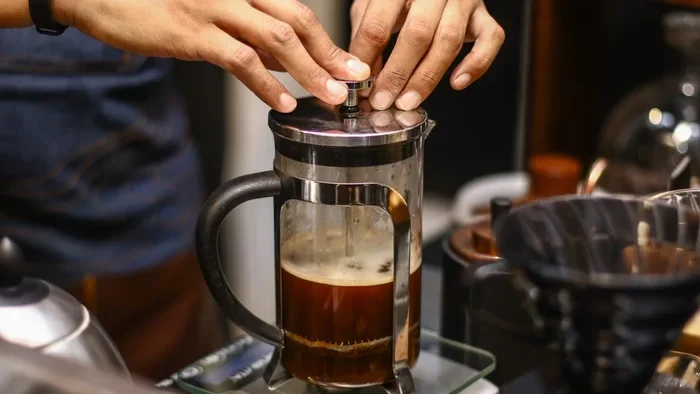
The French press is a full-immersion method that creates a rich, bold, and heavy-bodied cup. Because the coffee steeps directly in water, you get more of the natural oils and sediments. This method is forgiving and beginner-friendly, making it a great starting point for anyone learning how to brew excellent coffee at home.
Drip Coffee Maker
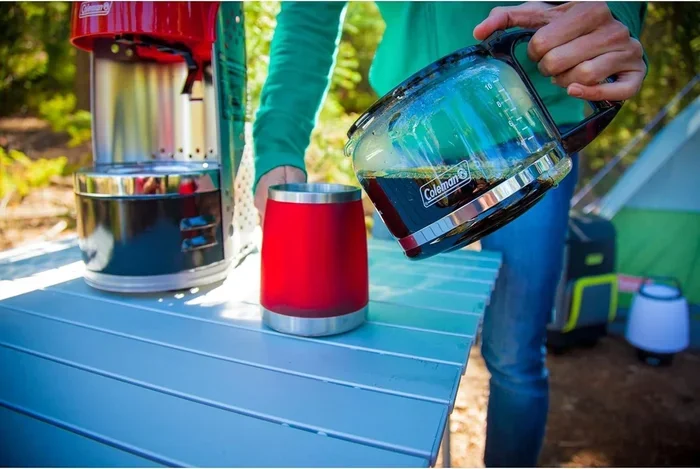
A standard drip coffee maker is convenient and consistent. It is perfect for making multiple cups quickly. While it offers less control than pour over or French press, a good drip machine with a proper filter can still produce very satisfying brew coffee every morning.
Espresso Machine
Espresso is the most technical method and the foundation of drinks like lattes and cappuccinos. It uses high pressure to force water through finely ground coffee, producing a concentrated, intense shot. While espresso machines require more investment and practice, they offer unmatched coffee quality and versatility.
Common Mistakes That Ruin Your Coffee
Even with great beans and the right technique, small mistakes can sabotage your very good coffee. Here are the most common errors and how to avoid them.
Using Tap Water
Water makes up over 98% of your cup of coffee. If your tap water tastes chlorinated or has a strong mineral content, your coffee will taste off. Use filtered water for the cleanest, most neutral coffee taste. Good water lets the true flavor of your beans shine through.
Not Cleaning Your Equipment
Oil residue builds up in grinders, brew baskets, and French presses over time. This stale oil turns rancid and taints your next cup. Clean your gear after every use and deep clean it weekly. Keeping your equipment spotless is one of the simplest barista tips you can follow.
Brewing for Too Long or Too Short
Brewing time matters just as much as temperature and ratio. Over-extracted coffee tastes bitter and harsh. Under-extracted coffee tastes sour and thin. Follow the recommended brewing time for your chosen method and adjust in small increments until you find your sweet spot.
Storing Beans Improperly
Never store coffee beans in the refrigerator or freezer. Moisture and odors penetrate the beans and damage the coffee flavor. Instead, keep them in an airtight container in a cool, dark place. Buy only what you will use within two to three weeks for the freshest possible cup.
Barista Tips for Next-Level Coffee at Home
Once you have the basics down, these expert tips will push your home coffee to the next level. These are the same techniques professional baristas use every day.
Preheat Everything
Before you start brewing, rinse your brewer, mug, and any glassware with hot water. Preheating your equipment maintains a stable brewing temperature and prevents the first few drops of coffee from cooling too quickly. This small step makes a noticeable difference in the final coffee quality.
Bloom Your Coffee
When you pour water over your grounds, start with a small amount and let it sit for 30 to 45 seconds. This process is called blooming. It allows the coffee to release trapped carbon dioxide, which leads to a more even and thorough extraction. Bloomed coffee tastes cleaner and more aromatic.
Keep a Brewing Journal
Write down what you did each time you brew. Note the bean type, grind size, ratio, water temperature, and brewing time. When you make a cup you love, you will know exactly what worked. When a cup falls flat, you can look back and adjust. This habit builds your intuition and accelerates your learning curve.
Pair Your Coffee with Breakfast
A great cup of very good coffee pairs beautifully with a warm breakfast. Think fresh toast, scrambled eggs, or crispy bacon. Cooking a simple breakfast in the oven alongside your morning routine adds a ritual element that makes the whole experience more enjoyable and satisfying.
Conclusion
Making very good coffee at home is easier than most people think. It all comes down to a few key principles: start with fresh, quality beans, grind them properly, use the right water temperature, nail your coffee ratio, and choose a brewing method that suits your taste. Avoid the common mistakes that ruin coffee, and follow the barista tips shared in this guide.
The beauty of home brewing is that you can customize everything. Adjust the coffee strength, experiment with different beans, and fine-tune your process until every cup is perfect for you. With a little practice and attention to detail, you will be brewing aromatic coffee that rivals any café in your neighborhood. Start today, and taste the difference that the right technique makes.
Frequently Asked Questions
What is the best coffee ratio for a perfect cup?
The standard coffee ratio is 1:16, meaning one gram of coffee for every sixteen grams of water. This ratio produces a balanced and flavorful cup. You can adjust to 1:15 for a stronger brew or 1:17 for a lighter one based on your personal preference.
How do I know if my water temperature is correct?
The ideal brewing temperature is between 195°F and 205°F. If you boil water, let it rest for 30 to 45 seconds before using it. A simple kitchen thermometer takes the guesswork out and ensures consistent results every time you brew.
Can I use pre-ground coffee to make very good coffee?
You can, but freshly ground beans produce significantly better flavor and aroma. Pre-ground coffee loses its freshness quickly. If you must use it, store it in an airtight container and use it within a week of opening for the best possible taste.
What is the easiest brewing method for beginners?
The French press is the most beginner-friendly method. It requires no special skill, is forgiving with grind size, and produces a rich, full-bodied cup. Pour over is also a great option once you get comfortable with the basic technique.
How often should I clean my coffee equipment?
Rinse your brewer and grinder after every use to prevent oil buildup. Perform a deeper clean at least once a week using warm water and mild soap. Clean equipment ensures that no stale oils or residues affect the taste of your next brew.
Does the type of water really affect coffee taste?
Yes, absolutely. Water makes up over 98% of your coffee, so its quality matters a lot. Filtered water removes chlorine and excess minerals that can alter the flavor. Using clean, filtered water lets the natural notes of your beans come through clearly.