How To Make Freshly Brewed Coffee That Tastes Amazing
Making freshly brewed coffee at home is easier than you think. With the right beans, grind size, water temperature, and brewing method, you can create a cup that rivals your favorite café. This guide covers everything from choosing beans to mastering your brew for incredible flavor every time.
There is nothing quite like the smell of freshly brewed coffee filling your kitchen in the morning. That rich aroma, the warmth of the mug in your hands, and the first sip that wakes up your senses — it is a ritual millions of people cherish every single day. But here is the thing. Not all home-brewed coffee lives up to that magical moment.
Sometimes your cup tastes flat. Sometimes it is too bitter or too weak. And you might wonder why your morning coffee never tastes as good as the one you grab from your local coffee shop. The truth is, brewing amazing coffee at home is a skill you can absolutely learn. It just takes a little knowledge and a few simple adjustments.
In this guide, we will walk you through everything you need to know about coffee brewing at home. From picking the right beans to nailing the perfect water temperature, you will find practical tips that work. Whether you use a drip machine, a pour over, or a French press, this article has something for you. Let us get started.
Key Takeaways
- Fresh beans matter: Using high-quality, recently roasted coffee beans makes a huge difference in taste.
- Grind size is key: Matching your grind to your brewing method ensures proper extraction and balanced flavor.
- Water temperature matters: Brewing between 195°F and 205°F brings out the best notes in your coffee.
- Ratios make or break your cup: A standard 1:15 coffee-to-water ratio produces a clean, balanced brew.
- Clean your equipment: Regular cleaning prevents stale oils from ruining your morning cup.
- Brew fresh, drink fast: Freshly brewed coffee tastes best within 15 to 30 minutes of brewing.
📑 Table of Contents
- Why Freshly Brewed Coffee Tastes So Much Better
- What You Need to Brew Great Coffee at Home
- The Best Brewing Methods for Freshly Brewed Coffee
- How to Get the Perfect Coffee-to-Water Ratio
- Common Mistakes That Ruin Your Fresh Brew
- Tips for Making Freshly Brewed Coffee Part of Your Daily Routine
- Final Thoughts
Why Freshly Brewed Coffee Tastes So Much Better
You have probably noticed that coffee from a café tastes different from what you brew at home. That is not just your imagination. Freshly brewed coffee has a complexity and depth that pre-made or stale coffee simply cannot match. Here is why.
When coffee beans are roasted, hundreds of aromatic compounds develop. These compounds are what give coffee its rich, layered flavor. But they start to fade the moment the beans are ground. Oxygen, light, and moisture all work against your coffee grounds, breaking down those delicate flavors over time.
This is why fresh ground coffee tastes so much better than pre-ground options. When you grind your beans just before brewing, you lock in those flavors. The result is a cup that is vibrant, aromatic, and full of character. It is the difference between eating a fresh strawberry and one that has been sitting in the fridge for a week.
Another big factor is freshness of the roast itself. Coffee beans are at their peak flavor within two to four weeks of roasting. After that, they slowly lose their potency. If you buy beans from a local roaster or a reputable online supplier, you can enjoy coffee that is genuinely freshly brewed in every sense of the word.
Understanding Coffee Freshness
Coffee freshness is not just about the roast date. It also involves how you store your beans. Exposure to air is the enemy of fresh coffee. Beans stored in a sealed container in a cool, dark place will stay fresh much longer than those left in an open bag on the counter.
Many coffee lovers buy beans in small batches. This way, you always have a fresh supply without the beans going stale. A good rule of thumb is to buy only as much coffee as you will use within two to three weeks. This simple habit can transform your daily cup.
What You Need to Brew Great Coffee at Home
You do not need expensive equipment to make freshly brewed coffee that tastes amazing. But you do need a few essentials. Let us break down what matters most.
Choose Quality Beans
The foundation of great coffee is great beans. Look for whole beans that have a roast date printed on the bag. Avoid beans that are already ground, because they lose flavor fast. Dark roasts, medium roasts, and light roasts all offer different flavor profiles, so experiment and find what you love.
When shopping for beans, pay attention to the origin. Single-origin coffees from Ethiopia, Colombia, or Guatemala each have unique tasting notes. Some are fruity, some are nutty, and some have a chocolatey finish. Trying different origins is one of the most fun parts of making coffee at home.
Invest in a Good Grinder
A burr grinder is the best tool for achieving a consistent grind size. Blade grinders chop beans unevenly, which leads to over-extraction and under-extraction in the same cup. A burr grinder crushes beans uniformly, giving you better control over your coffee extraction.
You do not need to spend a fortune, but a mid-range burr grinder will make a noticeable difference. Your grind coffee should be as fresh as possible, right before you brew. This one change can elevate your home coffee dramatically.
Use Clean, Filtered Water
Coffee is about 98 percent water. So the quality of your water directly affects the taste of your brew. Tap water with heavy chlorine or mineral content can make your coffee taste off. Filtered water produces a cleaner, smoother cup that lets the true flavors of the beans shine through.
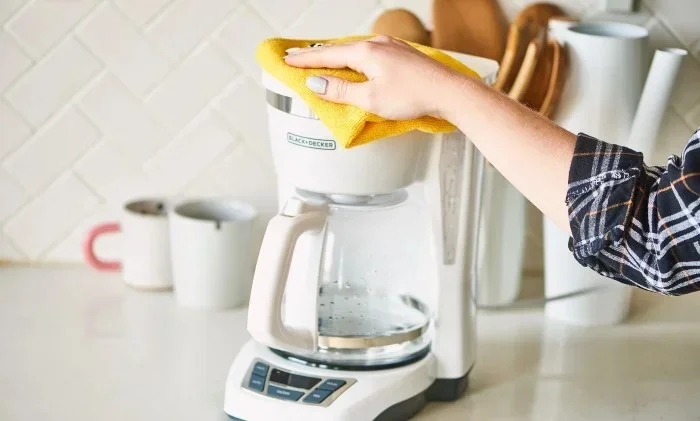
If you want to keep your coffee equipment in top shape, regular cleaning is essential. Stale oils and mineral buildup can affect both the taste of your coffee and the performance of your machine. You can find helpful cleaning guides for various kitchen appliances that keep everything running smoothly.
The Best Brewing Methods for Freshly Brewed Coffee
There are many ways to brew coffee at home. Each method brings out different qualities in your beans. Here are some of the most popular options and what makes each one special.
Pour Over Coffee
Pour over brewing is a favorite among coffee enthusiasts. It gives you full control over the brewing process, from water temperature to pour speed. The result is a clean, bright cup that highlights the subtle flavors of your beans.
To make pour over coffee, you need a dripper, a paper filter, and a gooseneck kettle. Place the filter in the dripper, add your grounds, and slowly pour hot water over them in circular motions. The brew time usually takes about three to four minutes. The clarity and purity of the cup is unmatched.
French Press
The French press is one of the simplest and most satisfying ways to brew coffee. It uses immersion brewing, which means the grounds steep in hot water before you press them down. This method produces a full-bodied, rich cup with more oils and sediment than other methods.
Coarse grounds work best for a French press. Add your coffee and hot water, stir gently, and let it steep for about four minutes. Then press the plunger down slowly. The result is a bold, aromatic cup that feels satisfying and comforting.
Drip Coffee Maker
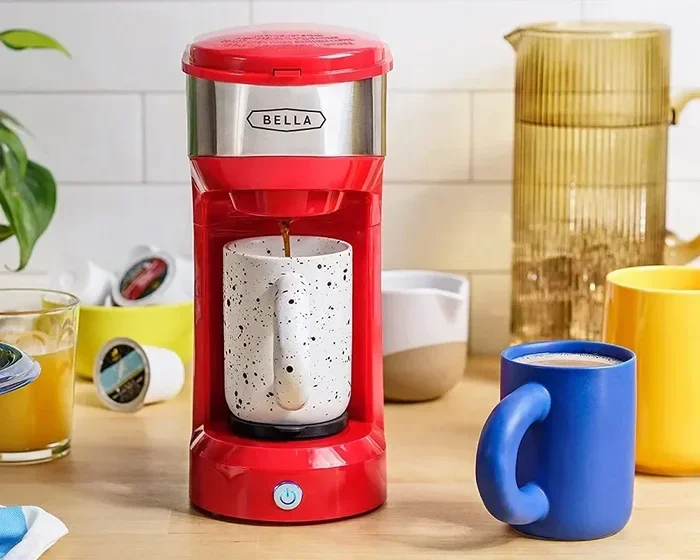
If convenience is your priority, a drip coffee maker is hard to beat. These machines automate the brewing process and can make multiple cups at once. Modern drip machines have improved a lot, and some now offer temperature control and programmable settings.
For the best results with a drip machine, use medium grind coffee and a quality paper filter. Make sure your machine is clean and your water is fresh. Even a simple drip machine can produce aromatic coffee that tastes wonderful when you get the basics right.
AeroPress
The AeroPress is a relatively new addition to the home brewing world, and it has gained a huge following. It combines elements of immersion and pressure brewing, creating a smooth, concentrated cup. It is portable, easy to clean, and incredibly versatile.
With an AeroPress, you can experiment with different brew times, water temperatures, and grind sizes. This makes it a great tool for anyone who loves to fine-tune their coffee brewing process. Whether you like a strong espresso-style shot or a milder Americano, the AeroPress can do it all.
How to Get the Perfect Coffee-to-Water Ratio
Getting the ratio right is one of the most important steps in making freshly brewed coffee. Too much coffee and your cup will be overpowering. Too little and it will be weak and watery. The sweet spot lies somewhere in between.
The Golden Ratio is a great starting point. It calls for about 1 to 2 tablespoons of coffee grounds for every 6 ounces of water. Many coffee professionals recommend a 1:15 ratio, which means 1 gram of coffee for every 15 grams of water. This produces a balanced, flavorful cup that is neither too strong nor too weak.
Here is a simple breakdown to help you get started:
- Mild coffee: 1 tablespoon per 6 ounces of water
- Medium strength: 1.5 tablespoons per 6 ounces of water
- Strong coffee: 2 tablespoons per 6 ounces of water
A kitchen scale is the best tool for measuring your coffee and water accurately. Scoops and tablespoons can be inconsistent, and even a small difference can change the taste of your brew. Once you find the ratio you love, stick with it and adjust from there.
Temperature also plays a crucial role. Water that is too hot will over-extract the coffee, making it bitter. Water that is too cool will under-extract it, leaving your cup sour and flat. The ideal range is between 195 and 205 degrees Fahrenheit. If you do not have a thermometer, just bring your water to a boil and let it sit for about 30 seconds before pouring.
Common Mistakes That Ruin Your Fresh Brew
Even with great beans and the right equipment, mistakes can ruin your coffee. Here are the most common pitfalls and how to avoid them.
Using Stale Beans
This is the number one mistake people make. Stale beans produce flat, lifeless coffee. Always check the roast date and buy beans that are fresh. Store them properly in an airtight container away from light and heat.
Grinding Too Fine or Too Coarse
Grind size directly affects extraction. Too fine and your coffee will be over-extracted, leading to bitterness. Too coarse and it will be under-extracted, resulting in a sour taste. Match your grind size to your brewing method for the best results.
Skipping the Clean Step
Dirty equipment is a hidden flavor killer. Old coffee oils build up inside your machine and can turn your fresh brew rancid. Clean your coffee maker, grinder, and any other equipment regularly. A well-maintained machine brews better coffee.
Not Paying Attention to Water Quality
We mentioned this earlier, but it deserves repeating. Bad water makes bad coffee. If your tap water tastes bad, it will make your coffee taste worse. Use filtered water for the cleanest, most flavorful cup possible.
Brewing and Letting It Sit
Freshly brewed coffee is best enjoyed right away. Letting it sit on a hot plate or in a carafe for too long causes it to lose its flavor and become bitter. Brew only what you plan to drink, or transfer leftover coffee to a thermal carafe to keep it warm without degrading the taste.
If you want to keep your coffee warm for a longer period, there are methods that do not involve leaving it on direct heat. Keeping beverages warm without cooking them in an oven or microwave is a smart approach that preserves flavor.
Tips for Making Freshly Brewed Coffee Part of Your Daily Routine
Making great coffee every morning is about building good habits. Here are some tips to help you create a consistent, enjoyable coffee routine.
Prep the Night Before
Measure out your coffee grounds and store them in an airtight container. Fill your kettle with filtered water and leave it out. When you wake up, the brewing process becomes quick and effortless. Preparation is the secret to a smooth morning.
Experiment and Keep Notes
Every bag of beans is different, and every water source varies. Keep a simple notebook where you record what beans you used, the grind size, the ratio, and how the cup tasted. Over time, you will develop a personal recipe that consistently delivers the best results.
Buy Local When Possible
Local roasters often offer the freshest beans available. Visiting a coffee roaster or a specialty shop lets you taste beans at their peak. Many roasters will grind beans to order, ensuring maximum freshness for your home brew.
Enjoy the Process
Making coffee should be a pleasure, not a chore. Take a moment to appreciate the aroma, the warmth of the mug, and the quiet of your morning. When you enjoy the process, the cup tastes even better.
Final Thoughts
Brewing freshly brewed coffee at home is one of the simplest pleasures in life. With quality beans, the right grind, proper water temperature, and a little practice, you can create a cup that is truly exceptional. It does not require expensive gear or years of experience. It just requires care and attention to the details.
Start with the basics covered in this guide. Choose fresh beans, grind them right before brewing, use clean filtered water, and find the ratio that suits your taste. As you grow more confident, explore different brewing methods and origins. The journey of discovering your perfect cup is one of the most rewarding parts of making coffee at home.
Remember, every great cup of coffee starts with a single step. So go ahead, brew a fresh pot, take a moment to savor it, and enjoy the wonderful world of home-brewed coffee. Your mornings will never be the same.
Frequently Asked Questions
How long does freshly brewed coffee stay fresh?
Freshly brewed coffee tastes best within 15 to 30 minutes of brewing. After that, the flavors start to degrade and the coffee can become bitter. If you need to keep it longer, transfer it to a thermal carafe instead of leaving it on a hot plate.
Can I use tap water to brew coffee?
You can, but filtered water produces a much better taste. Tap water often contains chlorine and minerals that can interfere with the natural flavors of your coffee. Clean, filtered water lets your beans shine.
What is the best grind size for a drip coffee maker?
Medium grind is ideal for drip coffee makers. It is not too fine and not too coarse, which allows for balanced extraction. If your coffee tastes bitter, try a slightly coarser grind. If it tastes sour, go a bit finer.
Should I store coffee beans in the fridge or freezer?
The fridge is not ideal because moisture can get into the beans. A cool, dark pantry in an airtight container works best. If you buy beans in bulk, the freezer can work for long-term storage, but let the beans come to room temperature before grinding.
How do I know if my coffee beans are fresh?
Check the roast date on the bag. Beans are at their best within two to four weeks of roasting. You can also look for a glossy sheen on the beans and a strong, pleasant aroma. If the beans look dull and smell flat, they are likely stale.
Can I reuse coffee grounds for a second brew?
You can, but the second brew will be much weaker and less flavorful. The best compounds have already been extracted during the first brew. For the best taste, always use fresh grounds for each brew.