Does Coffee Make You Vomit Heres What You Need to Know
Does coffee make you vomit? Yes, it can. Coffee is a powerful stimulant that irritates your stomach lining and triggers nausea in many people. The acidity, caffeine content, and drinking coffee on an empty stomach are the main culprits behind coffee-induced nausea and vomiting. Understanding the causes helps you enjoy your daily brew without the unpleasant side effects.
Does Coffee Make You Vomit? The answer might surprise you. Coffee nausea is a real issue that affects many people every day. Your morning cup of joe can trigger vomiting after drinking coffee for several reasons. From stomach acid production to caffeine sensitivity, the causes are more varied than you might expect.
Understanding why coffee makes you vomit is the first step toward finding a solution. This guide covers everything from coffee side effects to practical remedies. You will learn about the common triggers, how much is too much, and what you can do to prevent coffee-induced nausea. Let us dive in.
Key Takeaways
- Coffee can cause vomiting: The acidity and caffeine in coffee irritate your stomach lining, leading to nausea and vomiting in sensitive individuals.
- Drinking coffee on an empty stomach makes it worse: Without food to buffer the acid, your stomach is more vulnerable to irritation and coffee nausea.
- Acid reflux plays a big role: Gastroesophageal reflux and excess stomach acid are common triggers for vomiting after drinking coffee.
- Not all coffee is equal: Different coffee brewing methods and types (regular vs. decaf) affect nausea levels differently.
- Simple remedies work: Eating before drinking, choosing low-acid options, and switching to decaf coffee can reduce symptoms significantly.
- Know when to seek help: Persistent vomiting from coffee may signal an underlying condition that needs medical attention.
📑 Table of Contents
Why Does Coffee Make You Vomit?
Coffee is one of the most popular drinks in the world. Yet it causes stomach problems for millions of people. The question does coffee make you vomit comes up often, and the answer is not a simple yes or no. It depends on your body, your habits, and the type of coffee you drink.
The Role of Stomach Acid
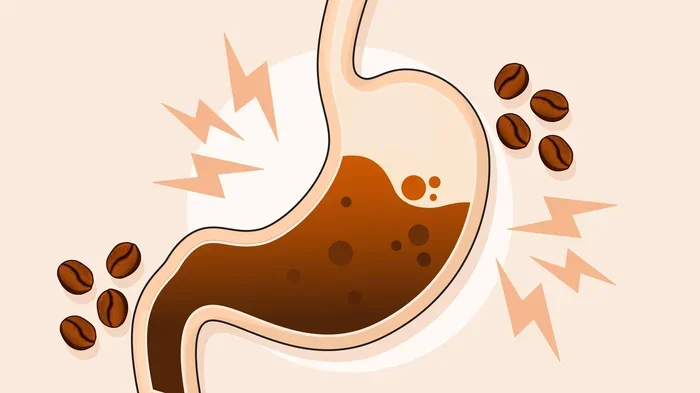
Coffee stimulates your stomach to produce more stomach acid. This acid helps digest food, but too much of it causes problems. When acid levels rise, your stomach lining can become irritated. This irritation sends signals to your brain that something is wrong. Your body responds by making you feel nauseous or even causing you to vomit.
The stomach lining has a protective mucous layer. Coffee can weaken this barrier over time. When the barrier is damaged, acid touches sensitive tissue directly. This leads to pain, bloating, and nausea. People with existing digestive issues are especially vulnerable.
Caffeine Sensitivity and Vomiting
Caffeine is a powerful stimulant. It speeds up your central nervous system. For some people, this stimulation affects the gut too. Caffeine sensitivity varies from person to person. Some can drink three cups without issue. Others feel sick after just one sip.
When caffeine enters your bloodstream, it increases stomach acid production. It also speeds up digestion. This rapid movement can cause cramping and nausea. In some cases, it triggers vomiting after drinking coffee. If you notice this pattern, you might have a caffeine sensitivity that needs managing.
Quick Tips
- Start with half-caf coffee to test your tolerance.
- Switch to decaf coffee if regular coffee causes nausea.
- Drink water alongside your coffee to dilute stomach acid.
Common Triggers for Coffee-Induced Nausea
Several factors can make coffee cause nausea or vomiting. Knowing these triggers helps you avoid them. Many people deal with coffee and nausea without realizing what is actually causing it.
Drinking Coffee on an Empty Stomach
This is the number one mistake people make. Drinking coffee on an empty stomach floods your gut with acid. There is no food to absorb or buffer the acid. The acid sits directly on your stomach lining. This causes irritation, cramping, and often vomiting.
Your body produces cortisol in the morning. Coffee boosts this further. Together, they create a perfect storm for stomach irritation. Eating a small breakfast before your coffee can make a huge difference. Even a piece of toast helps.
Acid Reflux and Gastroesophageal Reflux
Acid reflux happens when stomach acid flows back into your esophagus. Coffee relaxes the lower esophageal sphincter. This is the muscle that keeps acid in your stomach. When it loosens, acid escapes upward. This causes a burning sensation and nausea.
Gastroesophageal reflux (GERD) is a more serious form of this condition. People with GERD often experience vomiting after drinking coffee. The acid irritates the esophagus and triggers the gag reflex. If you have frequent heartburn, coffee may be making it worse.
Coffee Intolerance and Digestive Issues
Not everyone can tolerate coffee well. Coffee intolerance is different from caffeine sensitivity. It involves your entire digestive system. Some people lack the enzymes to process coffee compounds efficiently. This leads to bloating, gas, nausea, and vomiting.
Other digestive issues that worsen with coffee include irritable bowel syndrome (IBS) and gastritis. If you have any of these conditions, coffee can trigger flare-ups. Pay attention to how your body responds after each cup.
Common Mistakes People Make
- Drinking coffee right after waking up with no food.
- Adding sugar or artificial sweeteners that irritate the stomach.
- Choosing dark roast thinking it is less acidic (it is not always true).
- Drinking coffee too fast, which overwhelms your digestive system.
- Ignoring persistent nausea and continuing to drink coffee daily.
How Much Coffee Is Too Much?
The line between a pleasant boost and coffee nausea is thin. How much coffee is too much depends on your coffee tolerance. Several factors determine your personal limit.
Understanding Caffeine Tolerance
Your body builds a coffee tolerance over time. Regular drinkers need more caffeine to feel the same effects. But higher tolerance does not mean your stomach can handle more. Your gut still produces the same amount of acid. The difference is your brain becomes less responsive to caffeine.
Health experts recommend limiting caffeine to 400 milligrams per day. That is about four cups of brewed coffee. However, even four cups can cause vomiting after drinking coffee in sensitive individuals. Listen to your body and adjust accordingly.
Signs of Caffeine Overdose
Too much caffeine causes more than just nausea. Watch for these warning signs:
- Rapid heartbeat or palpitations.
- Dizziness and confusion.
- Severe stomach cramps.
- Shaking or trembling hands.
- Frequent vomiting or dry heaves.
If you experience these symptoms, stop drinking coffee immediately. Drink plenty of water. The effects of caffeine overdose usually subside within a few hours. If symptoms persist, seek medical help.
A Comparison of Coffee Types and Nausea Risk
Not all coffee is created equal. Different types and brewing methods affect your stomach differently. Here is a closer look at how various coffee options compare when it comes to nausea risk.
| Coffee Type | Acidity Level | Caffeine Content | Nausea Risk |
|---|---|---|---|
| Regular Brewed Coffee | High | Medium to High | High |
| Espresso | High | High (per shot) | Medium |
| Cold Brew Coffee | Low | Medium | Low |
| Decaf Coffee | Low to Medium | Very Low | Low |
| Instant Coffee | Medium | Low to Medium | Medium |
| Low-Acid Coffee | Low | Varies | Low |
As you can see, cold brew coffee and decaf coffee tend to be gentler on the stomach. Cold brew extracts fewer acids during the long steeping process. Decaf coffee removes most caffeine, which reduces the stimulation of stomach acid. If you love the taste of coffee but hate the nausea, these options are worth trying.
For those who enjoy coffee brewing methods like French press or pour-over, the results vary. French press coffee retains more oils, which can irritate some stomachs. Pour-over coffee is generally cleaner and may cause less irritation.
Expert Insights
Nutritionists often recommend switching to low-acid coffee if you experience frequent nausea. These coffees are specially processed to reduce their acid content. They give you the flavor you love without the stomach upset. Also, consider adding a splash of milk or a non-dairy creamer. This can neutralize some of the acid and protect your stomach lining.
What to Do When Coffee Makes You Vomit
So you have already felt sick after drinking coffee. What now? There are several things you can do right away and over the long term. How to stop vomiting from coffee is easier than you think.
Immediate Remedies for Coffee Nausea
If you feel nauseous after drinking coffee, act fast. Here are some immediate steps:
- Stop drinking coffee immediately.
- Sip small amounts of water slowly. Do not gulp.
- Eat a plain cracker or piece of bread to absorb stomach acid.
- Try ginger tea. Ginger is a natural remedy for nausea.
- Take a slow walk to help your body digest.
- Avoid lying down flat. Stay upright to prevent acid reflux.
Some people find that baking yogurt in the oven creates a warm, soothing snack that coats the stomach and helps settle nausea. Yogurt contains probiotics that support gut health and can counteract the irritation caused by excess coffee acid.
Others prefer plain dry foods. Making toast in the oven without a toaster gives you a simple, bland option that is easy on the stomach. Toast absorbs excess acid and provides a gentle source of carbohydrates that can help stabilize your blood sugar after coffee-induced nausea.
Long-Term Solutions and Prevention
Preventing coffee nausea is better than treating it. Here are long-term strategies that work:
- Always eat something before drinking coffee. A balanced breakfast is ideal.
- Limit your intake to one or two cups per day.
- Choose low-acid or decaf coffee if you are sensitive.
- Switch to cold brew coffee, which is naturally less acidic.
- Add milk or a non-dairy creamer to reduce acidity.
- Avoid drinking coffee late at night, which disrupts digestion.
- Take a break from coffee for a few days to reset your coffee tolerance.
Some people find that switching to making Texas toast in the oven provides a heartier breakfast base that pairs well with coffee and helps buffer stomach acid. The thicker, more substantial bread keeps you fuller longer and reduces the direct contact of coffee with an empty stomach.
Quick Tips for Prevention
- Eat a banana before your coffee. Bananas are gentle on the stomach.
- Use a reusable filter to reduce coffee oils in your cup.
- Try adding a pinch of cinnamon to your coffee. It aids digestion.
- Space your coffee breaks throughout the day instead of drinking it all at once.
Can Decaf Coffee Cause the Same Problems?
Many people assume decaf coffee is completely safe for sensitive stomachs. This is not entirely true. While decaf has much less caffeine, it still contains some. More importantly, decaf coffee is still acidic.
Decaf Coffee Effects on Your Stomach
The decaf coffee effects on your stomach are milder than regular coffee. The caffeine is mostly removed, which reduces acid stimulation. However, the natural acids in coffee beans remain. For most people with coffee intolerance, decaf causes fewer problems.
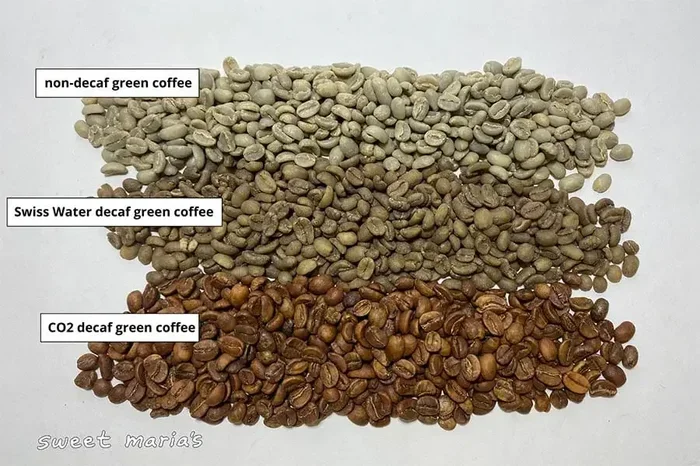
Some brands use chemical processes to remove caffeine. These chemicals can sometimes irritate the stomach further. If you switch to decaf, choose a brand that uses the Swiss Water Process. This method is chemical-free and gentler on your system.
Coffee addiction can make it hard to switch to decaf. Your body craves the ritual and the ritual itself can trigger nausea through conditioned responses. Gradually mixing decaf with regular coffee is a smart way to transition.
When to See a Doctor About Coffee-Related Vomiting
Occasional nausea from coffee is normal. But persistent vomiting is not something to ignore. You should see a doctor if you experience any of the following:
- Vomiting every time you drink coffee, even in small amounts.
- Blood in your vomit or stool.
- Severe abdominal pain that does not go away.
- Weight loss due to avoiding food and drinks.
- Symptoms that last for more than two weeks.
These could be signs of a more serious condition. Gastroesophageal reflux disease, peptic ulcers, or gastritis may be the root cause. A doctor can run tests and recommend proper treatment. Do not ignore persistent stomach irritation just because you think it is from coffee.
Also, if you have tried all the remedies and still feel sick, it may be time to consider whether coffee is simply not for you. Some people switch to tea or herbal alternatives. There is no shame in that. Your health matters more than your morning ritual.
Conclusion
Does coffee make you vomit? Yes, it can, but now you know why. The key factors are stomach acid production, caffeine sensitivity, and drinking coffee on an empty stomach. Coffee nausea and vomiting after drinking coffee are manageable with the right approach.
Start by eating before you drink. Choose gentler options like cold brew or decaf coffee. Pay attention to how your body responds. And do not be afraid to cut back if coffee is causing you harm. Your digestive health is more important than any cup of coffee.
Remember, coffee side effects are your body’s way of telling you something is wrong. Listen to it. Make small changes. You might be surprised at how much better you feel. The goal is to enjoy your coffee without the discomfort. With these tips, you can do exactly that.
Stay mindful of your intake. Keep your stomach happy. And most importantly, enjoy your coffee the right way.
Frequently Asked Questions
Why does coffee make me nauseous every morning?
Coffee on an empty stomach is the most common cause. Your stomach produces extra acid when you drink coffee, and without food to buffer it, the acid irritates your stomach lining. Try eating a small breakfast before your morning cup to reduce nausea.
Can I drink coffee if I have acid reflux?
Coffee can worsen acid reflux because it relaxes the lower esophageal sphincter. This allows stomach acid to flow back into your esophagus. If you have acid reflux, choose low-acid coffee or decaf coffee and drink it in moderation.
How long after drinking coffee do you feel nauseous?
Nausea from coffee typically kicks in within 30 minutes to an hour after drinking. This is when caffeine and stomach acid peak in your system. If you feel sick quickly, it may be a sign of caffeine sensitivity or coffee intolerance.
Is cold brew coffee easier on the stomach?
Yes, cold brew coffee is generally easier on the stomach. The long steeping process extracts fewer acids compared to hot brewing methods. Cold brew coffee has lower acidity, which reduces the risk of stomach irritation and nausea.
Can too much caffeine cause vomiting?
Absolutely. Caffeine overdose can cause vomiting, rapid heartbeat, and dizziness. The safe limit is about 400 milligrams of caffeine per day. If you exceed this, you may experience vomiting after drinking coffee and other serious symptoms.
What is the best coffee for sensitive stomachs?
Low-acid coffee and decaf coffee are the best options for sensitive stomachs. Cold brew is also a great choice because it is naturally less acidic. Adding milk or a non-dairy creamer can further reduce stomach irritation.
=== CONCLUSION ===
Does coffee make you vomit? It can, but understanding the causes puts you in control. From stomach acid to caffeine sensitivity, the triggers are clear and manageable. You now know the common mistakes to avoid, the best remedies to try, and when to seek medical help.
Start making small changes today. Eat before you brew. Choose gentler coffee options. And always listen to your body. Coffee nausea does not have to be a part of your daily routine. With the right knowledge and habits, you can enjoy every cup without the discomfort.