How To Make Coffee Without A Moka Pot Step By Step
You can easily brew great coffee without a moka pot using several simple methods. Whether you prefer the boldness of French press coffee, the clarity of pour over coffee, or the rugged charm of cowboy coffee, each technique delivers satisfying results. This guide walks you through every moka pot alternative step by step, so you can enjoy a perfect cup no matter what gear you have.
There is nothing quite like the ritual of brewing a fresh cup of coffee in the morning. For many people, the moka pot is the go-to tool for making that rich, strong brew on the stovetop. But what happens when your moka pot breaks, goes missing, or you simply do not own one? The good news is that you have plenty of options for making coffee without a moka pot that taste just as good, if not better.
In this guide, we walk you through every moka pot alternative method you can try at home today. Each approach is simple, affordable, and delivers a great cup of coffee with minimal effort. Whether you are a complete beginner or a seasoned coffee lover looking for a new technique, you will find something useful here. Let us dive in and explore the best ways to brew coffee without that classic stovetop maker.
Key Takeaways
- Multiple Brewing Methods: You have at least five excellent ways to make coffee without a moka pot, from French press to Turkish style.
- No Special Equipment Needed: Most methods use basic kitchen tools you already own, like a kettle and a simple filter.
- Control Over Flavor: Each method lets you adjust strength, temperature, and steep time to match your personal taste perfectly.
- Budget Friendly: Making coffee without a moka pot saves money and still delivers rich, espresso-like results.
- Quick and Easy: Most alternative methods take less than five minutes, making them ideal for busy mornings.
- Widely Accessible: These techniques work with any coffee grounds and hot water you already have on hand.
📑 Table of Contents
Why You Might Need a Moka Pot Alternative
Not everyone owns a moka pot, and that is perfectly fine. There are many reasons you might be looking for a different way to brew your morning coffee. Maybe your moka pot cracked after a fall, or perhaps you just moved into a place with no stovetop. Whatever the reason, knowing your options gives you freedom and flexibility.
Some people also discover that a moka pot does not quite match their taste preferences. You might prefer a cleaner cup with less sediment, or you may want more control over brewing temperature and extraction time. The methods below give you that control. They also work well when you are traveling, camping, or living somewhere with limited kitchen equipment.
Another great reason to explore alternatives is variety. Even if you love your moka pot, trying new coffee brewing methods can help you discover flavors and profiles you never knew existed. Each technique brings out different notes and characteristics in your coffee beans. It is like having a whole new coffee experience right in your own kitchen.
Method 1: French Press Coffee
Why French Press Works as a Moka Pot Replacement
The French press is one of the most popular alternatives to a moka pot. It uses a simple immersion brewing method that produces a full-bodied, rich cup of coffee. The stainless steel or glass carafe with a built-in filter makes it incredibly easy to use. You do not need any paper filters or special parts.
French press coffee has a heavier mouthfeel compared to moka pot coffee because the oils and fine particles stay in the cup. This gives the brew a robust, almost espresso-like quality. If you enjoy strong coffee taste with a creamy texture, the French press is an excellent choice.
How to Make French Press Coffee Step by Step
Follow these simple steps to brew a delicious pot of French press coffee:
- Boil your water: Heat water to about 200°F (93°C). If you do not have a thermometer, just let boiling water sit for 30 seconds.
- Grind your beans: Use a coarse grind, similar to sea salt. A medium-coarse grind works best for French press brewing.
- Add coffee grounds: Place 2 tablespoons of coffee grounds per 6 ounces of water into the French press.
- Pour hot water: Add the hot water slowly and evenly over the grounds. Give it a gentle stir with a wooden spoon.
- Steep for 4 minutes: Place the lid on and let the coffee brew without pressing down yet.
- Press and pour: Slowly press the plunger down with steady pressure. Pour the coffee into your cup immediately.
The French press method takes about 5 minutes total. It is one of the fastest and easiest ways to make strong coffee without any fancy equipment. Plus, cleanup is a breeze — just rinse the press and you are done.
Quick Tip: For the best flavor, use freshly roasted coffee beans and grind them right before brewing. This makes a huge difference in taste.
Method 2: Pour Over Coffee
The Clean, Bright Taste of Pour Over Brewing
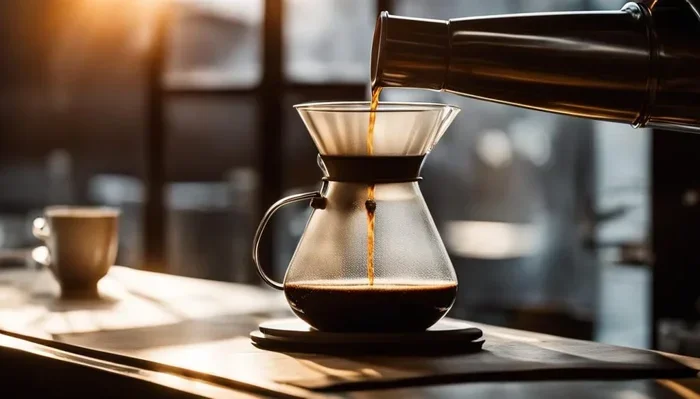
If you prefer a cleaner, brighter cup of coffee, pour over brewing is a fantastic moka pot alternative. This method uses gravity and a paper or cloth filter to extract flavors from the coffee grounds. The result is a smooth, sediment-free cup that highlights the delicate notes in your beans.
Pour over coffee is popular in specialty coffee shops for good reason. It gives you precise control over brewing temperature, water flow, and extraction time. You can experiment with different pour patterns and grind sizes to fine-tune your cup. The process is almost meditative and makes mornings feel a little more special.
How to Make Pour Over Coffee Step by Step
Here is how to brew pour over coffee at home with minimal equipment:
- Set up your dripper: Place a pour over cone (like a Hario V60 or Melitta) on top of your mug or carafe. Insert a paper filter and rinse it with hot water. This removes any papery taste and preheats the setup.
- Heat your water: Bring water to 195–205°F (90–96°C). An electric kettle with temperature control makes this easy.
- Add coffee grounds: Use a medium-fine grind. Start with 1 to 2 tablespoons per 6 ounces of water.
- Bloom the grounds: Pour just enough hot water to saturate the grounds and wait 30 seconds. You will see the coffee puff up and release gases.
- Pour in circles: Slowly pour the remaining water in gentle circular motions. Start from the center and work outward.
- Wait for drip: Let the water pass through completely. Total brew time should be about 3 to 4 minutes.
Pour over coffee produces a lighter, more nuanced cup compared to a moka pot. It is perfect for lighter roast coffee beans that have fruity or floral notes. If you enjoy tasting the subtle differences between coffee origins, this method will really shine.
Some people also enjoy making toast in the oven without a toaster alongside their pour over coffee for a simple, satisfying breakfast routine. The two methods complement each other perfectly for a slow morning.
Method 3: Cowboy Coffee
The Old-Fashioned Way of Brewing Coffee
Cowboy coffee is one of the oldest and simplest methods of brewing coffee. It requires no special equipment at all — just water, coffee grounds, and a heat source. Cowboys and pioneers made this style of coffee for centuries, and it still tastes amazing today.
The technique is straightforward: you boil water, add coffee grounds, let them steep, and then pour carefully to avoid the sediment. The result is a bold, strong cup that tastes similar to moka pot coffee. It has a slightly heavier body and more sediment, but that is part of its rustic charm.
How to Make Cowboy Coffee Step by Step
Here is how to brew cowboy coffee like a pro:
- Bring water to a boil: Use any heat source — a campfire, stove, or electric kettle will work.
- Remove from heat briefly: Let the water cool for about 30 seconds after boiling. Water that is too hot can scorch the grounds and create bitterness.
- Add coffee grounds: Use about 2 tablespoons of grounds per 8 ounces of water. Stir gently.
- Let it steep: Allow the coffee to sit for 3 to 4 minutes. The grounds will sink to the bottom.
- Pour slowly: Pour the coffee into your cup carefully, leaving the sediment behind at the bottom of the pot.
Cowboy coffee is ideal for camping trips, outdoor adventures, or any time you want a quick, no-fuss cup of strong coffee. It is also a great backup method when you do not have access to a French press or pour over setup. The simplicity of cowboy coffee is its biggest strength.
For those who enjoy outdoor cooking, you might also appreciate building a clay oven for your backyard. It pairs well with the cowboy coffee experience and opens up a whole world of outdoor cooking possibilities.
Method 4: AeroPress Coffee
A Modern Twist on Strong Coffee
The AeroPress has become a favorite among coffee enthusiasts who want a rich, clean cup without the complexity of espresso machines. This handheld device uses air pressure to push hot water through coffee grounds and a microfilter. The result is a concentrated, smooth brew that tastes remarkably close to espresso.
AeroPress coffee is incredibly versatile. You can make it strong and espresso-like, or dilute it with hot water for an Americano-style drink. The brewing time is fast — usually under two minutes — making it perfect for busy mornings. It is also portable and durable, so you can take it anywhere.
How to Make AeroPress Coffee Step by Step
Follow these steps for a great AeroPress brew:
- Insert a filter: Place a microfilter paper or reusable metal filter into the AeroPress cap. Rinse it with hot water.
- Add coffee grounds: Use a fine to medium-fine grind. Start with 1 to 2 scoops (about 15–18 grams) per cup.
- Pour hot water: Add water heated to 175–185°F (80–85°C) for a smoother taste, or up to 205°F for a stronger brew.
- Stir gently: Give the mixture 10 gentle stirs to ensure even extraction.
- Attach and press: Place the AeroPress on your mug, attach the cap, and slowly press down with steady pressure. This takes about 20–30 seconds.
AeroPress coffee is one of the best moka pot alternatives for people who want a concentrated, bold cup without the bitterness. The low brewing temperature and short extraction time produce a clean, sweet flavor profile. Many coffee drinkers find that AeroPress coffee rivals the quality of espresso without moka pot methods.
If you are also looking for ways to keep your coffee warm throughout the morning, consider keeping food warm without an oven using simple thermal methods. A good travel mug paired with AeroPress coffee makes for the perfect on-the-go coffee experience.
Method 5: Turkish Coffee
The Rich, Unfiltered Tradition
Turkish coffee is one of the oldest and most flavorful ways to brew coffee. It originates from the Ottoman Empire and has been enjoyed for centuries across the Middle East, Europe, and beyond. Unlike other methods, Turkish coffee is not filtered at all. The fine grounds remain in the cup, creating a thick, intense, and deeply aromatic brew.
Turkish coffee is similar to moka pot coffee in its strength and intensity, but it has a unique texture and flavor. The coffee is brewed slowly in a small pot called a cezve or ibrik, and it is served in tiny cups. The process is as much about the ritual as it is about the taste.
How to Make Turkish Coffee Step by Step
Here is how to prepare authentic Turkish coffee at home:
- Use extra fine grounds: Turkish coffee requires an extremely fine grind, almost like powdered sugar. You may need to grind your beans specially.
- Add water and coffee to a cezve: Use one cup of cold water and one heaping teaspoon of coffee grounds per cup. Do not stir yet.
- Heat slowly: Place the cezve on low heat and let the coffee warm gradually. You will see it begin to rise and foam.
- Remove before boiling: Just as the foam starts to rise, remove the cezve from the heat. Let the foam settle.
- Repeat the process: Return the cezve to the heat and let it rise again. This second rise creates the signature thick foam.
- Pour into cups: Distribute the foam evenly among small cups, then pour the remaining coffee slowly.
Turkish coffee is a wonderful moka pot alternative for those who love a rich, unfiltered brew. It takes a little practice to master the timing, but the results are worth it. The flavor is intense, aromatic, and completely unique compared to any other brewing method.
Comparison of Brewing Methods
Choosing the right method depends on your taste preferences, equipment, and how much time you have. Here is a quick comparison of the methods we covered:
| Method | Brew Time | Strength | Equipment Needed | Best For |
|---|---|---|---|---|
| French Press | 5 minutes | Bold and full-bodied | French press | Rich, oily coffee lovers |
| Pour Over | 4 minutes | Clean and bright | Dripper, filter, kettle | Flavor clarity and nuance |
| Cowboy Coffee | 5 minutes | Strong and rustic | Pot and heat source | Camping and simplicity |
| AeroPress | 2 minutes | Concentrated and smooth | AeroPress and filters | Quick, espresso-like results |
| Turkish Coffee | 5 minutes | Intense and unfiltered | Cezve or ibrik | Traditional, rich coffee lovers |
Each method brings something unique to the table. The French press gives you the most body, while the pour over offers the cleanest cup. Cowboy coffee is the easiest to make anywhere. The AeroPress delivers the fastest brew with concentrated flavor. And Turkish coffee provides the most traditional and aromatic experience.
Tips for Great Coffee Without a Moka Pot
No matter which method you choose, a few simple tips will help you get the best results every time:
- Use fresh, quality beans: Freshly roasted coffee beans make a noticeable difference. Look for beans roasted within the past two weeks for the best flavor.
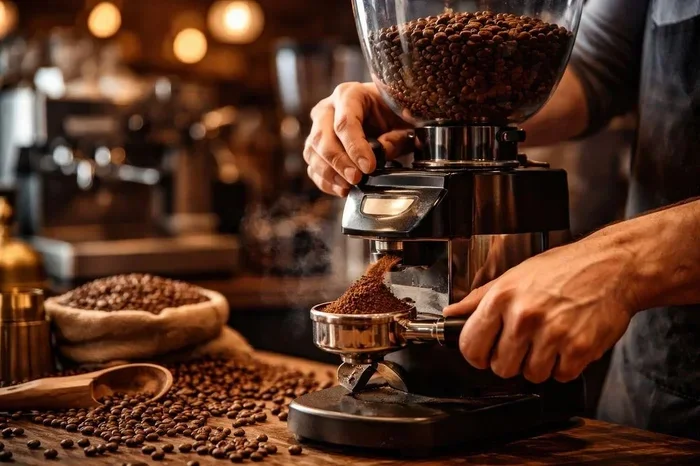
- Grind just before brewing: Pre-ground coffee loses its aroma quickly. Invest in a simple hand grinder or burr grinder for the freshest taste.
- Get the water temperature right: Water that is too hot will over-extract and create bitterness. Water that is too cool will under-extract and taste weak. Aim for 195–205°F for most methods.
- Measure your ratios: A good starting point is 1 to 2 tablespoons of coffee grounds per 6 ounces of water. Adjust to your taste from there.
- Experiment with grind size: Coarser grinds work best for longer brew times (French press, cowboy coffee). Finer grinds work for shorter brew times (AeroPress, Turkish coffee).
- Clean your equipment: Rinse your brewer after every use to prevent oil buildup and stale flavors. This keeps your coffee maker performing at its best.
These tips apply whether you are using a French press, AeroPress, or any other coffee brewing method. Small adjustments to grind size, water temperature, and steep time can transform your cup from good to great. Do not be afraid to experiment and find what works best for your palate.
Common Mistakes to Avoid
Even experienced coffee makers make mistakes. Here are a few common errors to watch out for when brewing without a moka pot:
- Using boiling water: Boiling water (212°F) can scorch your coffee grounds and create a bitter, harsh taste. Always let water cool slightly before brewing.
- Grinding too fine or too coarse: The wrong grind size ruins extraction. Too fine causes over-extraction and bitterness. Too coarse causes under-extraction and weakness.
- Skipping the bloom: In pour over and AeroPress methods, skipping the bloom means the grounds do not release gases properly, leading to uneven extraction.
- Leaving coffee on heat too long: Extended heat exposure makes coffee taste burnt and flat. Remove from heat promptly and serve right away.
- Using stale beans: Coffee loses its flavor over time. Always check the roast date and use beans within a month of roasting.
Avoiding these mistakes will instantly improve your coffee taste and help you get the most out of each brewing method. With a little practice, you will be brewing coffee that rivals — or even surpasses — what a moka pot can deliver.
Final Thoughts
Making coffee without a moka pot is easier than you might think. From the classic simplicity of French press coffee to the bold tradition of Turkish coffee, there is a method for every taste and lifestyle. Each technique offers something different, and the best part is that you can try them all with equipment you already have at home.
The key to great coffee is not the device you use — it is the quality of your coffee beans, the brewing temperature, and your attention to detail. Start with the method that appeals to you most, and experiment from there. You will quickly find your favorite way to brew a perfect cup of coffee without a moka pot.
Remember, coffee is a personal experience. What matters most is that you enjoy the process and the final result. So grab your favorite coffee grounds, heat up some water, and start brewing. Your perfect cup is just a few minutes away.
Frequently Asked Questions
Can I use regular ground coffee instead of espresso grounds for these methods?
Yes, absolutely. Most of these methods work well with regular coffee grounds. The French press and cowboy coffee methods actually prefer coarser grinds, while pour over and AeroPress work with medium-fine grinds. You do not need specialty espresso grounds to make excellent coffee without a moka pot.
Which method produces coffee closest to moka pot flavor?
The French press and cowboy coffee methods produce the closest results to moka pot coffee in terms of body and strength. Both methods create a bold, full-flavored cup with some sediment. If you want the most similar experience, start with the French press method.
Do I need an electric kettle for pour over or AeroPress coffee?
An electric kettle makes the process easier because it gives you precise temperature control. However, you can use any kettle or even heat water in a pot on the stove. Let the water cool for about 30 seconds after boiling if you do not have a thermometer.
How long does each brewing method take?
Most methods take between 2 and 5 minutes total. The AeroPress is the fastest at about 2 minutes. French press and cowboy coffee take about 5 minutes including steeping time. Pour over and Turkish coffee also take around 4 to 5 minutes. They are all quick enough for a busy morning routine.
Can I reuse coffee grounds for a second brew?
You can, but the second brew will be much weaker and less flavorful. The first extraction draws out most of the desirable compounds from the coffee grounds. If you want a stronger second cup, use more fresh grounds rather than reusing old ones. Fresh grounds always produce better coffee taste.
Is cowboy coffee safe to drink even with the grounds at the bottom of the cup?
Yes, cowboy coffee is safe to drink. The sediment at the bottom is simply fine coffee particles that settle naturally. It is perfectly safe and actually contains beneficial compounds and antioxidants. Just pour carefully and leave the last sip in the pot if you prefer not to drink the grounds.
=== CONCLUSION ===
Learning how to make coffee without a moka pot opens up a world of brewing possibilities. Whether you choose the bold simplicity of French press coffee, the clean clarity of pour over brewing, the rugged charm of cowboy coffee, the modern convenience of the AeroPress, or the ancient tradition of Turkish coffee, each method delivers a satisfying and flavorful cup. The beauty of these alternatives is that they require minimal equipment and very little time.
Start with one method that catches your interest, and practice it until you find your perfect brew ratio and technique. From there, explore the others and discover new flavors and textures you never knew existed. Great coffee brewing is all about experimentation and personal preference. With the tips and steps in this guide, you are well on your way to enjoying a perfect cup of coffee every single morning — no moka pot required.