How To Cook Bacon In The Oven For Crispy Perfection
Cooking bacon in the oven is the simplest way to achieve crispy perfection with almost no effort. This guide covers everything from temperature settings to cleanup tips, so you can bake bacon like a pro. You will learn a foolproof method that works for any bacon type and saves you time and mess.
Key Takeaways
- Oven-baked bacon is hands-off and even: You can walk away while the oven does the work, and every strip cooks uniformly.
- A wire rack is the secret to maximum crispiness: It lets fat drip away, preventing soggy bottoms.
- Temperature and timing are simple: 400°F for 15–20 minutes gives perfect results for most bacon.
- Cleanup is easier than stovetop cooking: Less splatter and a disposable lining make washing up a breeze.
- You can reuse bacon grease: Save the rendered fat for cooking potatoes, vegetables, or making popcorn.
- Thick-cut bacon benefits from a slightly longer bake: Adjust time to get chewy or extra-crispy textures.
📑 Table of Contents
- Why Oven-Baked Bacon Is a Game-Changer
- The Simple Oven-Baked Bacon Recipe
- Choosing the Right Bacon and Pan Setup
- Perfect Oven Temperature and Timing
- How to Make Bacon Even Crispier
- Cleaning Up and Dealing with Bacon Grease
- Creative Ways to Use Your Oven-Baked Bacon
- Common Mistakes to Avoid
- Frequently Asked Questions
- Conclusion
Why Oven-Baked Bacon Is a Game-Changer
If you have ever stood over a hot skillet, juggling bacon strips and dodging popping grease, you know the stovetop method can be stressful. How to cook bacon in the oven solves all of that. It is a simple, set-it-and-forget-it approach that delivers consistent, crispy bacon every single time.
Oven-baked bacon is a favorite among home cooks and professional chefs alike. The even heat surrounds every strip, so you get perfectly cooked edges without any hot spots. Plus, the fat drips away into the pan, leaving you with less grease on the meat itself. This means your bacon can be crispy without being drenched in oil.
The hands-off nature of this method is a huge win. You can line a baking sheet, lay the bacon in, and pop it in the oven. While it cooks, you can prepare the rest of your breakfast, pour a coffee, or get the kids ready. No flipping, no monitoring, no splatter on your stovetop or sleeves.
Another big advantage is cleanup. Stovetop bacon leaves a greasy pan that is a pain to scrub. Oven-baked bacon, especially when you use parchment paper or a silicone mat, practically cleans itself. A quick wipe and you are done. This makes the oven method ideal for feeding a crowd or meal prepping a week’s worth of breakfasts.
Whether you prefer thin, crunchy bacon or thick, chewy strips, the oven can do it all. You just need to adjust the time and temperature slightly. This guide will walk you through every step, so you can master oven-baked bacon and never go back to the skillet again.
The Simple Oven-Baked Bacon Recipe
Below is the foolproof oven-baked bacon recipe that works for any type of bacon. Follow these steps and you will have crispy perfection in under 25 minutes.
Ingredients You Will Need
- Bacon strips: Any brand or cut works. Thick-cut, thin-sliced, or applewood-smoked are all great.
- Parchment paper: Optional but highly recommended for easy cleanup.
- A wire cooling rack: This is the key to even crispiness.
That is it. No special ingredients, no marinades. The magic comes from the oven and the setup.
Step-by-Step Instructions
- Preheat your oven: Set it to 400°F (200°C). Let it fully heat up before the bacon goes in.
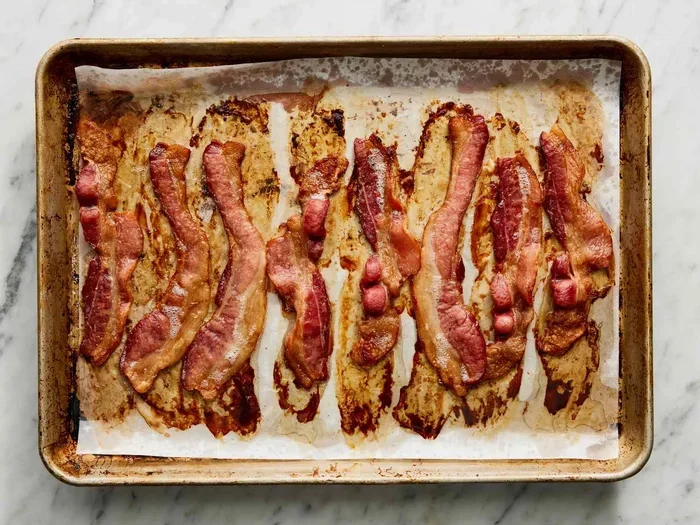
- Prepare the pan: Line a rimmed baking sheet with parchment paper. Place a wire rack on top of the sheet.
- Arrange the bacon: Lay the strips flat on the rack. Do not overlap them. Leave a little space between each piece so the hot air circulates.
- Bake: Put the pan in the oven on the middle rack. Set a timer for 15 minutes.
- Check and rotate: At 15 minutes, peek at the bacon. If it is not as crispy as you like, bake for 2–5 more minutes. Every oven is slightly different.
- Drain: Transfer the bacon to a plate lined with paper towels. Let it cool for a minute. The residual heat will keep crisping it as it sits.
This simple process yields crispy perfection with minimal effort. The bacon will be evenly golden, with a satisfying snap to it.
Choosing the Right Bacon and Pan Setup
The type of bacon you buy and the tools you use can change your results dramatically. Understanding these choices helps you customize oven-baked bacon to your exact liking.
Thick-Cut vs. Thin-Cut Bacon
Thin-cut bacon bakes faster and gets very crispy. It is perfect for sandwiches or topping salads. Thick-cut bacon takes a bit longer but offers a chewier, more substantial bite. It is ideal for burgers or breakfast platters.
When you cook bacon in the oven, both cuts work beautifully. Thin-cut usually needs 12–15 minutes at 400°F. Thick-cut might need 18–22 minutes. Keep an eye on it during the last few minutes to prevent burning.
Wire Rack vs. Parchment Paper
A wire rack is the best tool for the job. It elevates the bacon above the pan, allowing fat to drip off completely. This creates a more uniform crunch and prevents the bottom from getting soggy.
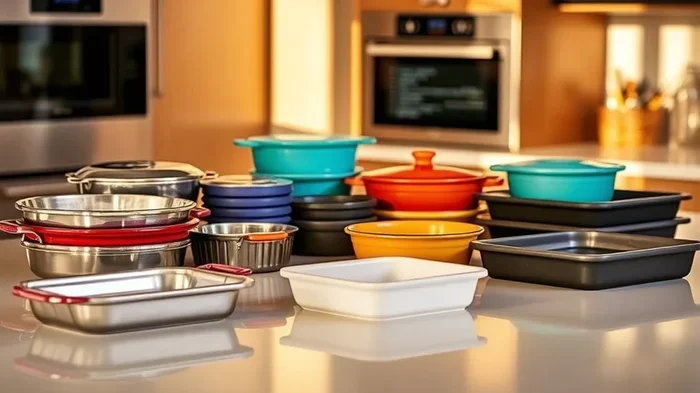
If you do not have a wire rack, you can line a baking sheet with parchment paper and lay the bacon directly on it. The bacon will still cook well, but it may be slightly less crispy on the underside. You can also use a silicone baking mat, which is reusable and eco-friendly.
Never place bacon directly on a bare baking sheet without any lining. The fat will pool and may smoke, making cleanup much harder. A simple parchment layer saves you from a greasy mess.
Perfect Oven Temperature and Timing
Getting the temperature right is the most important part of how to cook bacon in the oven. Too low and the bacon will be chewy and floppy. Too high and it will burn before the fat renders out.
Temperature Guide for Different Textures
- 400°F (200°C): The sweet spot for most bacon. It renders fat quickly and creates a nice balance of crispy and chewy. Bake for 15–20 minutes.
- 375°F (190°C): A slightly lower temperature for a more gentle cook. Great for thick-cut bacon that you want to be crispy on the outside but still slightly chewy inside. Add 3–5 minutes to the bake time.
- 425°F (220°C): For ultra-crispy, almost bacon-chip texture. This works well for thin-cut bacon but requires close watching. Bake for 10–14 minutes.
The cold oven start method is another popular trick. You place the bacon in a cold oven, then set the temperature to 400°F. As the oven heats up, the bacon slowly renders its fat. This can lead to extra-crispy results. However, the standard preheated method is more reliable for beginners.
How to Make Bacon Even Crispier
Once you master the basic oven-baked bacon recipe, you can experiment with techniques to take your crispiness to the next level.
The Cold Oven Start Method
This technique involves placing the bacon on the rack in a cold oven, then turning the oven on to 400°F. The gradual heat allows the fat to slowly render out, which can make the bacon extra crispy and less likely to curl. It takes about 25–30 minutes total, so it is not much longer than the standard method.
Draining and Patting Dry
After baking, let the bacon rest on a paper towel-lined plate. The towels absorb excess grease, which helps maintain that satisfying crunch. If you skip this step, the bacon can steam slightly and lose some crispiness. For the crispiest result, you can also blot the tops gently with another paper towel.
Baking on Both Sides
Some people swear by flipping the bacon halfway through baking. This ensures both sides get equal exposure to the heat. While it is not necessary with a wire rack, it can help if you are using parchment paper directly on the pan. A quick flip at the 10-minute mark can make a difference.
Cleaning Up and Dealing with Bacon Grease
One of the best parts of how to cook bacon in the oven is the easy cleanup. Stovetop cooking leaves a greasy splatter zone that can take forever to wipe down. The oven method keeps all the mess contained in one pan.
Safe Disposal Tips
Never pour bacon grease down the drain. It will solidify and clog your pipes. Instead, let the grease cool in the pan, then pour it into a heat-safe container like an old jar or can. Once solidified, you can throw it in the trash. Wipe the pan with a paper towel first to remove most of the grease before washing.
Reusing Bacon Grease
Do not throw away that liquid gold! Bacon grease is a flavorful cooking fat. Strain it through a fine mesh sieve into a jar and store it in the refrigerator. You can use it to sauté vegetables, fry eggs, or even pop popcorn. It adds a rich, smoky flavor that elevates simple dishes.
Just be sure to label the container and use the grease within a few months. It can go rancid if stored too long. Keeping it in the fridge extends its shelf life and keeps it fresh.
Creative Ways to Use Your Oven-Baked Bacon
Once you have a batch of perfectly crispy bacon, the possibilities are endless. Oven-baked bacon is incredibly versatile and can be used in many recipes.
Meal Ideas and Toppings
- Breakfast sandwiches: Layer crispy bacon on an English muffin with egg and cheese.
- Salads: Crumble bacon over a wedge salad or Cobb salad for added crunch.
- Burgers: A thick slice of crispy bacon takes a simple burger to the next level.
- Baking: Fold bacon into mac and cheese or sprinkle it on top of a casserole.
- Snacks: Roll bacon around pretzel rods or stuffed dates for a party appetizer.
Because the bacon is baked on a rack, it stays crispy even after sitting for a while. Stovetop bacon tends to soften quickly, but oven-bacon holds its texture longer. This makes it perfect for meal prep or serving a crowd.
Common Mistakes to Avoid
Even with a simple recipe, there are a few pitfalls that can ruin your bacon. Avoid these common mistakes to ensure perfect results every time.
Overcrowding the Pan
Do not squeeze too many strips onto the baking sheet. Overcrowding traps steam and prevents proper air circulation. The bacon will steam instead of bake, leading to floppy, unevenly cooked strips. Give each piece plenty of space. If you need to bake a large batch, use two sheet pans or work in shifts.
Skipping the Rack
Placing bacon directly on a sheet pan without a rack is the number one mistake people make. The bacon sits in its own rendered fat, which causes the bottom to be greasy and soft. A wire rack solves this problem entirely. It is an inexpensive tool that makes a huge difference.
Using the Wrong Pan
Avoid using a dark, non-stick baking sheet. Dark pans absorb more heat and can cause the bacon to burn quickly. Stick with a light-colored, aluminum baking sheet with a rim to catch the grease. A rimmed sheet pan is essential to prevent grease spills in your oven.
Walking Away Completely
While oven-baked bacon is hands-off, it still needs a quick check. Ovens vary in temperature, and bacon can go from perfectly crispy to burnt in a matter of minutes. Set a timer and check at the 15-minute mark. You can always put it back in for a couple more minutes if needed.
Frequently Asked Questions
Can I use a convection oven to cook bacon?
Yes, a convection oven works wonderfully for bacon. The fan circulates hot air, which can make the bacon even crispier and cook slightly faster. Reduce the temperature by 25°F and check the bacon a few minutes earlier than the standard recipe suggests.
How do I store leftover oven-baked bacon?
Let the bacon cool completely, then store it in an airtight container in the refrigerator. It will keep for up to 5 days. Reheat it in the oven or microwave for a few seconds to restore its crispiness. Avoid storing it with moisture, as that will make it soggy.
Is oven-baked bacon healthier than stovetop bacon?
Oven-baked bacon is generally considered a healthier option because the fat drips away from the meat during cooking. You end up eating less grease and fewer calories. It also avoids the potential for harmful compounds that can form when bacon is cooked at very high direct heat on a stovetop.
What temperature do you cook bacon in the oven at 350°F?
Baking at 350°F is a lower-temperature approach that takes longer, usually around 20–25 minutes. It can produce a more evenly rendered bacon with less risk of curling or burning. It is a good option if you prefer a slightly chewier texture or are using very thin bacon.
Can I bake bacon on aluminum foil?
Yes, you can line a baking sheet with aluminum foil for easy cleanup. However, foil does not have the non-stick properties of parchment paper, and bacon grease can stick to it. A wire rack on top of foil works well, but be careful when removing the bacon as the foil will be hot and greasy.
How long does it take to cook bacon in the oven?
At 400°F, most bacon takes 15–20 minutes. Thin-cut bacon may be done in 12–15 minutes, while thick-cut can take up to 22 minutes. The best way to know it is done is to look for a deep golden-brown color and a firm, crispy texture. Every oven is different, so start checking early.
Conclusion
Mastering how to cook bacon in the oven is one of the easiest kitchen upgrades you can make. It is simple, reliable, and produces consistently crispy bacon with minimal effort and cleanup. Whether you are feeding a family or meal prepping for the week, the oven method delivers perfect results every time.
The key is to use a wire rack, keep the temperature at 400°F, and watch the bacon during the last few minutes. With these tips, you will never have to deal with a greasy stovetop or unevenly cooked strips again. Your bacon will be crispy, flavorful, and ready to enjoy in just minutes.
Give this oven-baked bacon recipe a try and see how much easier breakfast can be. Once you start making bacon in the oven, you will wonder why you ever bothered with the skillet. Happy cooking!