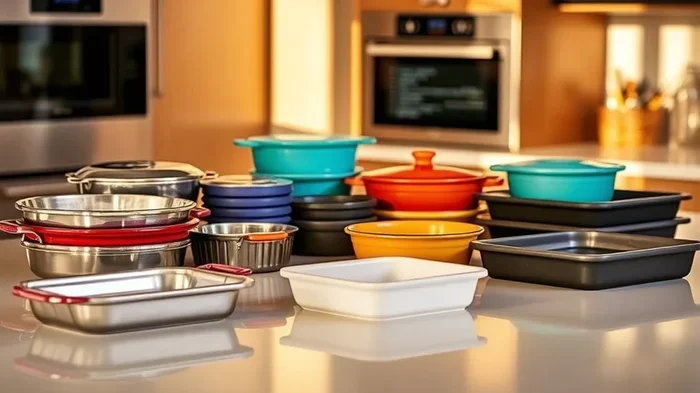
Top Rated Bakeware For Convection Oven Buying Guide
Choosing the right bakeware for convection oven can transform your home cooking experience. This buying guide covers everything you need to know about selecting the perfect pans, sheets, and sets for your convection oven. We will walk you through materials, shapes, sizes, and top-rated picks so you can bake with confidence and achieve delicious results every single time.
Have you ever pulled a batch of cookies out of your oven only to find them burnt on the edges and raw in the middle? If you use a convection oven, the problem might not be your recipe. It could be your bakeware for convection oven. The right pan or sheet can make a huge difference in how your food cooks. Convection ovens use a fan to circulate hot air, which means your bakeware needs to work with that airflow, not against it.
In this buying guide, we will break down everything you need to know about choosing the best bakeware for convection oven. We will cover materials, shapes, sizes, and our top-rated picks. Whether you are a beginner baker or a seasoned home cook, this guide will help you make smarter choices. Let us dive in and find the perfect baking sheets, pans, and sets for your kitchen.
Key Takeaways
- Material matters: Aluminum, stainless steel, silicone, and ceramic each offer unique benefits for convection baking.
- Rimmed baking sheets are essential: They work best with the airflow system in a convection oven.
- Non-stick coatings save time: They make cleanup easier and help prevent food from sticking during convection baking.
- Size and shape affect results: Choosing the right pan size ensures proper air circulation around your food.
- Investing in a quality set pays off: A good bakeware set covers all your baking needs without overspending.
- Avoid glass and dark pans: They can cause uneven browning in a convection oven environment.
- Follow manufacturer guidelines: Always check that your bakeware is oven-safe for the temperatures you plan to use.
📑 Table of Contents
- Why Bakeware Matters for Convection Ovens
- Best Materials for Bakeware in a Convection Oven
- Essential Bakeware Pieces for Convection Oven Owners
- Top-Rated Bakeware Sets for Convection Ovens
- Tips for Using Bakeware in a Convection Oven
- Common Mistakes to Avoid with Convection Oven Bakeware
- How to Care for Your Convection Oven Bakeware
- Final Thoughts on Choosing Bakeware for Convection Oven
Why Bakeware Matters for Convection Ovens
A convection oven works differently than a regular oven. The fan inside blows hot air around the food. This creates a more even cooking environment. But here is the catch. Your bakeware for convection oven has to allow that hot air to flow freely around your food.
If you use the wrong type of pan, you can block airflow. This leads to uneven baking. Some spots get too hot. Other spots stay undercooked. The right convection baking pans let air move around the food evenly. This means better results with less effort.
How Convection Ovens Work
Understanding how your oven works helps you choose better bakeware. A convection oven has a fan and a heating element. The fan blows hot air across the food. This is called forced air convection. It cooks food faster and more evenly than a traditional oven.
Because the hot air moves constantly, your bakeware needs to be thin and lightweight. Thick or heavy pans can block the airflow. They can also absorb too much heat. This causes hot spots and uneven cooking. The best convection oven bakeware is designed to work with this moving air.
The Role of Air Circulation
Air circulation is the key to great convection baking. When hot air flows freely around your food, it cooks all sides at the same time. This is why rimmed baking sheets work so well. The rim is low enough that it does not block airflow. But it is high enough to catch any drips or spills.
Deep, tall pans can block the fan. This is a common mistake many home bakers make. If you are using a roasting pan or a deep cake pan, you may need to adjust your cooking time. The air simply cannot move around the food as easily. So always think about how your pan will affect air flow inside the oven.
Best Materials for Bakeware in a Convection Oven
Not all bakeware is created equal. The material you choose affects how your food cooks, how easy cleanup is, and how long your bakeware lasts. Let us look at the most popular materials for bakeware for convection oven use.
Aluminum Bakeware
Aluminum is the gold standard for convection baking. It heats up quickly and conducts heat evenly. This means your food cooks uniformly on all sides. Aluminum bakeware is lightweight, affordable, and widely available.
Most professional bakers prefer aluminum for a reason. It works beautifully with the fan-driven airflow in a convection oven. You can find aluminum baking sheets, cake pans, muffin tins, and more. Just make sure to get anodized aluminum if you want a longer-lasting, non-reactive surface.
Stainless Steel Bakeware
Stainless steel is durable and long-lasting. It does not warp easily. It also does not react with acidic foods. This makes it a great choice for convection oven bakeware that you will use every day.
The downside is that stainless steel is not as good at conducting heat as aluminum. It heats up more slowly. It can also create hot spots if the pan is too thick. To get the best results, look for stainless steel bakeware with an aluminum or copper core. This gives you the durability of steel with the heat conductivity of aluminum.
Silicone Bakeware
Silicone has become very popular in recent years. It is flexible, lightweight, and naturally non-stick. Silicone bakeware is easy to clean and comes in fun shapes and colors.
However, silicone does not conduct heat as well as metal. It can brown the bottoms of your food less evenly. If you use silicone in a convection oven, consider placing the silicone pan on a metal baking sheet. This helps with heat transfer and air circulation. It is a simple trick that makes a big difference.
Ceramic and Glass Bakeware
Ceramic and glass pans look beautiful on the table. They retain heat well and are great for slow cooking. But they are not always the best choice for convection oven baking.
Glass and ceramic are heavy and slow to heat up. They can block airflow in a convection oven. They also tend to brown the bottoms of food more than metal pans. If you must use glass or ceramic, reduce your oven temperature by 25 degrees Fahrenheit. This helps prevent over-browning and uneven cooking.
Essential Bakeware Pieces for Convection Oven Owners
You do not need a huge collection of pans to bake well. A few key pieces will cover most of your baking needs. Here is what every convection oven bakeware collection should include.
Rimmed Baking Sheets
A rimmed baking sheet is the single most important piece of bakeware for convection oven cooking. Also called a half-sheet pan, it is versatile and essential. You can use it for cookies, pastries, roasted vegetables, and more.
Look for a sheet that is 18 by 13 inches. This is the standard half-sheet size. It fits most convection ovens perfectly. Choose one with a thin, lightweight aluminum construction for the best airflow. A non-stick rimmed baking sheet also makes cleanup a breeze.
Muffin Tins
Muffin tins are perfect for cupcakes, muffins, mini quiches, and even savory snacks. A standard 12-cup muffin tin works great in a convection oven. Look for aluminum or stainless steel options.
Non-stick muffin tins are especially helpful. They prevent batter from sticking and make removing muffins easy. If you bake muffins often, consider investing in a quality convection oven muffin tin that distributes heat evenly.
Cake Pans
For cake lovers, a good set of cake pans is a must. Round pans in 8-inch and 9-inch sizes cover most baking needs. You can also use square or rectangular pans for sheet cakes and bar cookies.
Choose cake pans made from aluminum or aluminized steel. These materials heat up quickly and bake evenly. Avoid dark-coated cake pans in a convection oven. They absorb too much heat and can cause the edges to over-brown. A light-colored aluminum cake pan is your best bet.
Roasting Pans
A roasting pan is great for cooking large cuts of meat, poultry, and vegetables. For a convection oven, choose a pan with low, straight sides. This allows the hot air to circulate around the food.
Avoid deep roasting pans with high sides. They block the fan and create uneven cooking. A light-colored aluminum roasting pan works best. It reflects heat and promotes even browning on all sides of your roast.
Top-Rated Bakeware Sets for Convection Ovens
Buying a bakeware set can save you money and give you a complete collection of pans. Here are some top-rated options that work well in convection ovens.
What to Look for in a Bakeware Set
Not all bakeware sets are created equal. When shopping for a convection oven bakeware set, keep these factors in mind.
- Material: Choose sets made from aluminum or stainless steel with an aluminum core.
- Variety: A good set should include a baking sheet, cake pans, muffin tins, and loaf pans.
- Non-stick coating: Look for sets with a quality non-stick finish for easy release and cleanup.
- Oven-safe rating: Make sure the set is rated for the temperatures your convection oven reaches.
- Dishwasher safe: Convenience matters. Choose sets that are dishwasher safe for easy cleanup.
Comparison Table: Top Bakeware Sets
Here is a quick comparison of popular bakeware sets that work well in convection ovens.
| Brand | Pieces | Material | Non-Stick | Price Range |
|---|---|---|---|---|
| Calphalon | 10-piece | Aluminum | Yes | $80 – $120 |
| Farberware | 12-piece | Aluminum | Yes | $40 – $60 |
| Rachael Ray | 9-piece | Non-stick aluminum | Yes | $50 – $70 |
| Cuisinart | 14-piece | Stainless steel with aluminum core | No | $100 – $150 |
| USA Pan | 5-piece | Aluminized steel | Yes (commercial grade) | $30 – $50 |
Each of these sets offers great value for convection oven baking. The Calphalon set is a premium choice with excellent heat distribution. The Farberware set is a budget-friendly option that still delivers great results. The USA Pan set is perfect if you want commercial-quality non-stick bakeware without the high price tag.
Tips for Using Bakeware in a Convection Oven
Getting the most out of your bakeware for convection oven is about more than just buying the right pans. How you use them matters too. Here are some practical tips to help you bake better.
Reduce the Temperature
Convection ovens cook food faster than traditional ovens. The moving hot air transfers heat more efficiently. As a general rule, reduce your oven temperature by 25 degrees Fahrenheit when using convection baking. This prevents over-browning and ensures your food cooks through evenly.
Do Not Overcrowd the Pan
One of the biggest mistakes home bakers make is overcrowding the pan. When you place too much food on a baking sheet, you block the airflow. This creates uneven cooking and soggy results.
Leave at least one inch of space between each item on the pan. This allows hot air to circulate freely around every piece of food. Your cookies, pastries, and roasted vegetables will turn out much better with this simple trick.
Use Light-Colored Pans
Dark pans absorb more heat than light-colored pans. In a convection oven, this can cause the bottoms and edges of your food to burn. Stick with light-colored aluminum or stainless steel pans for the best results.
If you only have dark pans, reduce the temperature by an extra 15 to 25 degrees. You can also line the pan with parchment paper. This creates a barrier that prevents over-browning on the bottom.
Parchment Paper and Silicone Mats
Using parchment paper or a silicone baking mat on your rimmed baking sheet is a game-changer. It prevents sticking and makes cleanup easier. It also protects the bottom of your food from direct heat.
Silicone mats are reusable and eco-friendly. They work great in a convection oven. Just make sure the mat does not overlap the edges of the pan. Overlapping edges can block airflow and cause uneven baking.
Rotate Your Pans Halfway Through
Even with a convection oven, hot spots can exist. To ensure even baking, rotate your pans halfway through the cooking time. This is especially important if you are baking multiple trays at once.
Simply turn each pan 180 degrees and switch the top and bottom racks if needed. This small habit can dramatically improve your convection oven baking results. It takes just a few seconds but makes a big difference.
Common Mistakes to Avoid with Convection Oven Bakeware
Even experienced bakers make mistakes. Here are some common errors to avoid when using bakeware for convection oven.
Using the Wrong Pan Material
As we discussed, glass and ceramic pans can cause problems in a convection oven. They are heavy and slow to heat up. They block airflow and can cause uneven cooking. Stick with aluminum, stainless steel, or silicone for the best results.
Using Pans Without Rims
Flat cookie sheets without rims are tempting. They allow maximum airflow. But they also let cookies slide off the pan and onto the oven floor. A rimmed baking sheet keeps your food in place while still allowing good air circulation.
Ignoring Oven-Safe Ratings
Not all bakeware is safe for all temperatures. Always check the manufacturer’s oven-safe rating before using a pan in your convection oven. Most convection oven bakeware is rated for temperatures up to 450 or 500 degrees Fahrenheit. Using a pan beyond its rating can warp or damage it.
Skipping the Parchment Paper
Even with non-stick pans, skipping parchment paper can lead to stuck food. Parchment paper adds an extra layer of protection. It also helps with air circulation under your food. It is a small step that pays off big time.
How to Care for Your Convection Oven Bakeware
Taking care of your bakeware for convection oven helps it last longer and perform better. Here are some simple care tips.
- Hand wash when possible: Even if a pan is dishwasher safe, hand washing extends its life. Use warm water and mild dish soap.
- Avoid steel wool: Steel wool and abrasive scrubbers can scratch non-stick coatings. Use a soft sponge instead.
- Store pans properly: Stack pans with a paper towel between them to prevent scratching.
- Remove stains with baking soda: A paste of baking soda and water can remove stubborn stains from aluminum pans.
- Check for warping: Warped pans cook unevenly. Replace any pan that has become warped or bent.
Proper care keeps your convection baking pans in top condition. It also ensures that your food always tastes its best. A little maintenance goes a long way.
Final Thoughts on Choosing Bakeware for Convection Oven
Finding the right bakeware for convection oven does not have to be complicated. Focus on lightweight, light-colored aluminum or stainless steel pans. Choose rimmed baking sheets, muffin tins, and cake pans that fit your oven. Invest in a quality bakeware set if you want a complete collection without the hassle.
Remember the basics. Reduce your temperature by 25 degrees. Do not overcrowd your pans. Use parchment paper. Rotate your pans halfway through. Follow these tips and your convection oven baking will improve dramatically.
The right baking sheets, pans, and sets make all the difference. They help you achieve even browning, perfect texture, and delicious flavor every time. Take the time to choose wisely. Your taste buds will thank you.
Frequently Asked Questions
Can I use any bakeware in a convection oven?
Most bakeware works in a convection oven, but not all perform equally well. Light-colored aluminum and stainless steel pans are the best choices. Avoid dark, heavy pans and glass or ceramic dishes unless you adjust the temperature. Always check that your bakeware for convection oven is rated as oven-safe.
What is the best material for convection oven bakeware?
Aluminum is widely considered the best material for convection oven bakeware. It heats up quickly, conducts heat evenly, and is lightweight. Stainless steel with an aluminum core is also an excellent option. It offers durability and good heat distribution for convection baking.
Do I need special bakeware for a convection oven?
You do not need special bakeware, but you should choose wisely. Rimmed baking sheets, light-colored aluminum pans, and low-sided roasting pans work best. They allow hot air to circulate freely around your food. Avoid deep, heavy, or dark pans that block airflow.
How do I convert regular recipes for convection oven baking?
To convert a regular recipe for convection oven baking, reduce the oven temperature by 25 degrees Fahrenheit. You can also reduce the cooking time by about 25 percent. Keep an eye on your food the first few times you make the adjustment. Every oven and every convection oven bakeware set behaves slightly differently.
Is silicone bakeware safe for convection ovens?
Yes, silicone bakeware is safe for convection ovens. It is flexible, non-stick, and easy to clean. However, silicone does not conduct heat as well as metal. For best results, place silicone pans on a metal baking sheet to improve heat transfer and air circulation inside the oven.
How often should I replace my convection oven bakeware?
With proper care, quality convection oven bakeware can last for many years. Replace pans that are warped, deeply scratched, or have peeling non-stick coatings. Worn bakeware can cause uneven cooking and may release harmful particles. Inspect your pans regularly and replace them when needed.
=== CONCLUSION ===
Choosing the right bakeware for convection oven is one of the easiest ways to improve your baking results. The right materials, shapes, and sizes work with your oven’s fan-driven airflow to cook food evenly and beautifully. Whether you are baking cookies, roasting vegetables, or making a cake, the right convection baking pans make all the difference.
Stick with lightweight, light-colored aluminum or stainless steel. Invest in a quality bakeware set that covers your most common baking needs. Follow the tips in this guide, and you will notice a real improvement in your cooking. The best bakeware for convection oven is the one that fits your needs, your budget, and your kitchen. Start with the basics, build your collection over time, and enjoy the process of creating delicious baked goods every single day.