How To Clean Melted Plastic Out Of An Oven The Easy Way
Melted plastic in your oven is a frustrating mess, but it is fixable with the right approach. You can remove stuck-on plastic using household items like ice, baking soda, and vinegar, or use dedicated oven cleaners for tough residue. This guide walks you through every method step by step so your oven looks and smells brand new again.
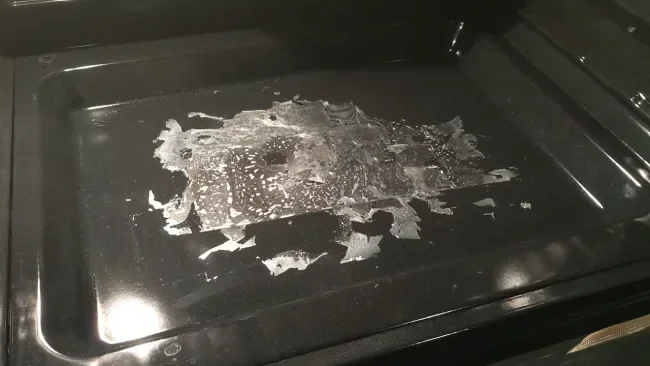
We have all been there. You are reheating leftovers, and suddenly you hear a strange sizzle. You open the oven and find a puddle of melted plastic sitting on the bottom. It is not a pretty sight. The smell is awful, and the thought of scrubbing it off feels overwhelming. But here is the good news. Cleaning melted plastic out of an oven is much easier than most people think. You do not need expensive products or professional help. With the right tools and a little patience, your oven will look as good as new.
This guide covers every method you need. From freezing techniques to natural cleaning solutions, we have got you covered. Whether the plastic is fresh or has been baked on for days, we will show you how to handle it. Let us get started and bring your oven back to life.
## What Happens When Plastic Melts Inside Your Oven
### Understanding the Melted Plastic Problem
Plastic has a relatively low melting point compared to metal or glass. Most common plastics start to soften around 250 degrees Fahrenheit and melt fully at 300 to 400 degrees. When plastic touches the hot surfaces inside your oven, it melts and spreads quickly. It can stick to the oven floor, the walls, the racks, or even the heating elements.
The melted plastic forms a sticky, hardened layer that bonds strongly to the oven surface. Over time, repeated heating cycles bake the plastic further into the material. This makes it harder to remove with each passing day. The longer you wait, the more difficult the cleanup becomes.
### Why Melted Plastic Is So Hard to Remove
Melted plastic adheres to oven surfaces through a combination of heat bonding and chemical adhesion. As it cools, it hardens into a rigid shell. But the real challenge comes when you try to scrub it. Plastic often leaves behind a greasy residue that attracts dirt and grime. This creates a stubborn layer that regular wiping cannot handle.
Some people try using sharp metal tools to scrape it off. This is a bad idea. Metal scrapers can scratch the oven’s interior coating. Scratches create tiny grooves where food and grease accumulate, making future cleaning even harder. Always use plastic or wooden scrapers instead.
### The Health and Safety Concerns
Melted plastic is not just a cosmetic problem. It can release harmful fumes into your kitchen. These fumes have a strong, acrid smell that lingers for hours. Breathing them in can irritate your lungs and eyes. Inhaling fumes from certain plastics over time may pose serious health risks.
There is also the risk of the plastic catching fire if it is near the heating element. Never use water to cool down hot melted plastic inside an oven. The temperature difference can crack the oven surface or cause steam burns. Always let the oven cool completely before starting any cleanup.
## How To Clean Melted Plastic Out Of An Oven Using Household Items
### The Ice Method: Freeze and Scrape
The ice method is one of the simplest and most effective ways to remove melted plastic. Cold temperatures make plastic brittle, which allows you to crack and chip it away easily.
Here is how you do it:
1. Make sure your oven is completely cool. Do not attempt this while the oven is still warm.
2. Place several ice cubes in a zip-lock bag.
3. Hold the bag directly against the melted plastic for 15 to 20 minutes.
4. The plastic will become hard and brittle.
5. Use a plastic scraper or an old credit card to gently chip away the plastic.
6. Work slowly and carefully. Do not press too hard on the oven surface.
7. Wipe away the broken plastic pieces with a damp cloth.
This method works best on fresh spills or plastic that has not been baked on for too long. If the plastic has been in the oven for days, you may need to combine this method with a cleaning solution for the remaining residue.
### The Baking Soda and Vinegar Paste
Baking soda and vinegar are natural cleaning powerhouses. Together, they create a fizzing reaction that loosens tough grime and residue. This combination is safe for most oven surfaces and does not produce harmful fumes.
Follow these steps:
1. Mix three tablespoons of baking soda with one tablespoon of water to form a thick paste.
2. Spread the paste evenly over the plastic residue.
3. Let it sit for 15 to 20 minutes.
4. Spray white vinegar directly over the paste.
5. Let the mixture fizz for a few minutes.
6. Use a soft sponge or cloth to wipe away the loosened plastic.
7. Rinse the area with clean water and dry it thoroughly.
You may need to repeat this process for thick layers of melted plastic. The paste works by breaking down the bond between the plastic and the oven surface. It is gentle enough to use regularly without damaging your oven.
### The Warm Water and Dish Soap Soak
For smaller oven parts like racks or trays, the warm water and dish soap method works great.
1. Remove the racks from the oven.
2. Fill your sink or a large basin with hot water.
3. Add a generous amount of dish soap.
4. Submerge the racks and let them soak for 30 minutes to an hour.
5. Use a non-abrasive scrub brush to remove the softened plastic.
6. Rinse and dry the racks before putting them back.
For plastic stuck to the oven floor, you can also try soaking a cloth in hot soapy water and placing it over the affected area. The heat from the cloth helps soften the plastic, making it easier to wipe away.
## Best Oven Cleaning Products For Plastic Removal
### Commercial Oven Cleaners
When household methods do not do the trick, commercial oven cleaners can save the day. These products are specifically designed to dissolve tough grease, carbon buildup, and melted plastic.
Popular options include:
– Mr. Muscle Heavy Duty Oven Cleaner – A spray-on formula that breaks down baked-on residue quickly.
– Easy-Off Fume Free Oven Cleaner – A safer option that produces fewer fumes while still being effective.
– Carbona Oven Cleaner – Known for its strong formula that handles even the worst plastic messes.
Always read the label before using any commercial cleaner. Some products are not safe for all oven types, especially self-cleaning ovens. Wear gloves and ensure your kitchen is well-ventilated when using chemical cleaners. Spray the cleaner on the plastic residue, let it sit for the recommended time, and then wipe it away with a damp cloth.
### Natural Oven Cleaning Solutions
If you prefer to avoid chemical cleaners, several natural alternatives work just as well.
– Lemon and water – Cut a lemon in half and squeeze the juice into a bowl of water. Place the bowl in the oven and heat it to 250 degrees for 30 minutes. The steam loosens the plastic and leaves a fresh citrus scent.
– Hydrogen peroxide – Apply a small amount of 3% hydrogen peroxide to the plastic residue. Let it sit for 10 minutes, then wipe it away.
– Dish soap and warm water – A simple mixture can handle light plastic residue without any harsh chemicals.
Natural solutions are great for regular maintenance. They keep your oven clean between deep cleaning sessions without exposing your family to strong fumes.
## Step-By-Step Guide To Removing Melted Plastic
### Step 1: Let The Oven Cool Completely
Never start cleaning while the oven is still hot. Allow it to cool down to room temperature. This prevents burns and ensures the plastic is fully set for easier removal.
### Step 2: Remove The Oven Racks
Take out all removable racks, trays, and pans. Clean them separately using the warm soapy water method described earlier. This gives you better access to the oven interior.
### Step 3: Choose Your Removal Method
Decide which method works best based on the severity of the plastic mess.
– For thin, fresh spills, use the ice method or a warm soapy cloth.
– For moderate residue, try the baking soda and vinegar paste.
– For thick, baked-on plastic, use a commercial oven cleaner.
### Step 4: Scrape Away The Plastic
Use a plastic scraper or a wooden spoon to gently remove the softened or frozen plastic. Work in small sections. Do not use metal tools or abrasive pads that can scratch the oven surface.
### Step 5: Clean The Residue
After removing the bulk of the plastic, there will likely be a sticky residue left behind. Apply your chosen cleaning solution and wipe the area with a soft cloth. Repeat if necessary.
### Step 6: Wipe Down And Dry
Once all the plastic is gone, wipe the oven interior with a clean, damp cloth to remove any remaining cleaning solution. Dry the surface thoroughly with a towel. Leaving moisture in the oven can lead to rust or unpleasant odors.
### Step 7: Replace The Racks And Test
Put the racks back in place. Run the oven at a low temperature for 10 minutes to ensure everything is completely dry. Check for any lingering plastic smell. If the smell persists, repeat the cleaning process or try the steam method with lemons.
## Preventing Plastic Meltdowns In Your Oven
### Common Causes Of Plastic In The Oven
Understanding how plastic ends up in your oven helps you prevent future accidents. Common causes include:
– Forgetting to remove plastic wrap from food before baking.
– Placing a plastic container in the oven by mistake.
– Using oven bags that are not rated for high temperatures.
– Melting plastic labels from cookware that goes into the oven.
– Overheating plastic utensils left on the oven rack.
### Tips To Avoid Future Accidents
Prevention is always better than cleanup. Follow these simple tips:
1. Always check your food before closing the oven door. Remove any plastic wrap, bags, or packaging.
2. Use oven-safe containers only. Check the bottom of any dish or tray for an oven-safe label.
3. Set a timer when reheating food. A timer keeps you alert and reduces the chance of forgetting about something in the oven.
4. Keep plastic items away from the oven. Store plastic wrap, bags, and containers in a drawer or cabinet far from the stove.
5. Use aluminum foil as a shield. Lining the oven bottom with foil catches drips and spills before they become baked-on messes.
6. Clean your oven regularly. Regular cleaning prevents residue from building up and makes future spills easier to handle.
### Best Oven-Safe Cookware
Investing in quality oven-safe cookware reduces the risk of plastic meltdowns. Look for:
– Glass baking dishes (Pyrex is a popular choice)
– Ceramic cookware
– Stainless steel pans
– Cast iron skillets
Always check the manufacturer’s temperature recommendations before putting any dish in the oven.
## When To Call A Professional For Oven Cleaning
### Signs You Need Expert Help
Sometimes, melted plastic goes beyond what DIY methods can handle. Consider calling a professional if:
– The plastic has melted onto the heating elements and cannot be removed safely.
– There is a persistent plastic smell that does not go away after cleaning.
– The oven interior shows signs of damage, such as peeling coating or deep scratches.
– You have tried multiple methods and the plastic residue remains stubbornly in place.
### What Professional Oven Cleaning Services Offer
Professional cleaners have access to industrial-grade products and tools that are not available to consumers. They know how to handle different oven types, including self-cleaning ovens, convection ovens, and gas ovens. A professional cleaning session typically includes:
– Deep removal of all plastic residue and baked-on grime
– Sanitizing the oven interior
– Deodorizing the oven to eliminate lingering smells
– Inspecting the oven for any heat damage
Professional services usually cost between $100 and $200, depending on the severity of the mess and your location. It is a worthwhile investment if your oven is badly damaged or if you simply do not have the time or energy to tackle the job yourself.
## Conclusion
Cleaning melted plastic out of an oven does not have to be a dreaded chore. With the right methods and a little elbow grease, you can restore your oven to its original condition. Whether you prefer the ice method for quick fixes or the baking soda and vinegar paste for a natural approach, there is a solution that fits your needs.
The key is to act quickly. The longer melted plastic sits in your oven, the harder it becomes to remove. Start with the gentlest method and work your way up to stronger solutions if needed. Always use safe tools like plastic scrapers and avoid harsh abrasives that can damage your oven.
Prevention is the final piece of the puzzle. Keep plastic away from the oven, use oven-safe cookware, and clean up spills as soon as they happen. These simple habits will save you from the stress and hassle of dealing with melted plastic in the future.
Your oven works hard for you every day. A little regular care and attention goes a long way in keeping it running smoothly and looking great. Now that you know how to handle melted plastic, you are fully equipped to tackle any oven mess that comes your way.
Key Takeaways
- Freeze the plastic first: Using ice makes plastic brittle and much easier to scrape off safely.
- Baking soda and vinegar work wonders: This natural combo dissolves stubborn plastic residue without harsh chemicals.
- Use a plastic scraper, not metal: Metal tools can scratch and damage your oven interior.
- Heat and paper bag method is effective: Warming the plastic softens it for easy removal.
- Prevention is the best cure: Covering dishes and staying attentive while cooking stops plastic melts before they start.
- Professional help may be needed: Severe plastic damage or lingering odors sometimes require expert attention.
- Act fast: The longer plastic sits, the harder it becomes to remove.
Frequently Asked Questions
Can I use a metal scraper to remove melted plastic from my oven?
No, you should avoid using metal scrapers because they can scratch and damage the oven’s interior surface. Always use a plastic scraper, an old credit card, or a wooden spoon to chip away at the plastic safely.
Is it safe to use commercial oven cleaners on a self-cleaning oven?
Most manufacturers advise against using chemical cleaners on self-cleaning ovens because the high heat of the self-cleaning cycle can cause harmful fumes from the cleaner. Stick to natural methods or consult your oven’s manual for safe cleaning guidance.
How long does it take for melted plastic to stop smelling after cleaning?
In most cases, the plastic smell should fade within a few hours after cleaning. If the odor persists, try heating a bowl of lemon water in the oven at 250 degrees for 30 minutes. This helps neutralize any remaining smells.
Can melted plastic damage my oven?
In most cases, melted plastic does not cause permanent damage if cleaned promptly. However, if the plastic has been in the oven for a long time or has been in direct contact with the heating element, it may cause discoloration or surface damage that requires professional attention.
What is the best way to prevent plastic from melting in the oven?
The best prevention is to always check your food before closing the oven door and to ensure all plastic wrap, packaging, and containers are removed. Use only oven-safe cookware and keep plastic items stored away from the oven area.
Can I use vinegar alone to clean melted plastic from my oven?
Vinegar works well as a mild cleaning agent for light plastic residue. For best results, combine it with baking soda to create a fizzing paste that breaks down the plastic more effectively than vinegar alone. This natural combo is safe, affordable, and works on most oven surfaces.