How To Brew Light Roast Coffee For Perfect Morning Flavor
Brewing light roast coffee is all about bringing out its bright, complex flavors and delicate aromas. Whether you use a pour over, French press, or drip method, the right grind size, water temperature, and coffee-to-water ratio make all the difference. This guide walks you through every step to brew light roast coffee that tastes clean, vibrant, and absolutely delicious.
There is something special about a cup of light roast coffee in the morning. It is bright, clean, and packed with flavor notes that darker roasts simply cannot match. Whether you taste berries, citrus, or floral hints, a well-brewed light roast can start your day on the right foot.
But brewing light roast coffee well takes a little know-how. These beans are more delicate than their dark-roasted counterparts. They need the right temperature, grind size, and technique to shine. In this guide, we walk you through everything you need to know to brew a perfect cup every single morning.
By the time you finish reading, you will understand how to brew light roast coffee like a pro. We cover brewing methods, ratios, common mistakes, and expert tips that will level up your morning routine. No fancy equipment required, just a willingness to learn and a love for great coffee.
Key Takeaways
- Light roast coffee preserves origin flavors: You get more floral, fruity, and acidic notes compared to darker roasts.
- Grind size matters enormously: A medium-fine grind works best for most light roast brewing methods.
- Water temperature should stay between 195°F and 205°F: Too hot and you burn the delicate beans; too cool and you under-extract.
- The ideal coffee-to-water ratio is 1:16: One gram of coffee for every 16 grams of water gives a balanced cup.
- Always bloom your grounds: Letting coffee bloom releases CO2 and improves extraction dramatically.
- Fresh beans are non-negotiable: Use beans roasted within the last two to four weeks for the best flavor.
📑 Table of Contents
- What Makes Light Roast Coffee Special
- Best Brewing Methods for Light Roast Coffee
- The Perfect Coffee-to-Water Ratio
- Water Temperature and Extraction
- Grind Size and Freshness
- Common Mistakes to Avoid
- Expert Tips for the Perfect Morning Cup
- Why Morning Coffee Tastes Better with Light Roasts
- Conclusion
What Makes Light Roast Coffee Special
Light roast coffee is roasted for a shorter time than medium or dark roasts. This means the beans retain more of their original characteristics. You will notice brighter acidity, more complex flavor profiles, and a lighter body in your cup.
Origin Flavors Come Through
When coffee is roasted lightly, the natural flavors from the region where it was grown stay intact. Ethiopian beans might taste like blueberries and jasmine. Colombian beans might bring out caramel and citrus notes. This is what makes light roast coffee so exciting. Every cup tells a story about where it came from.
Higher Acidity and Brighter Taste
Light roasts have higher acidity than dark roasts. This is not a bad thing. Think of it like the brightness in a crisp apple or a squeeze of lemon. That acidity gives the coffee sparkle and dimension. Many coffee lovers seek out light roast beans specifically for this vibrant quality.
More Caffeine Per Cup
Here is a fun fact. Light roast coffee actually has slightly more caffeine per scoop than dark roast. Because the beans are denser, a scoop of light roast contains more coffee mass. So your morning light roast brew might give you a little extra energy boost.
Best Brewing Methods for Light Roast Coffee
Not all brewing methods work equally well with light roast beans. Some methods highlight their delicate flavors, while others can mask them. Here are the best methods to try.
Pour Over Coffee
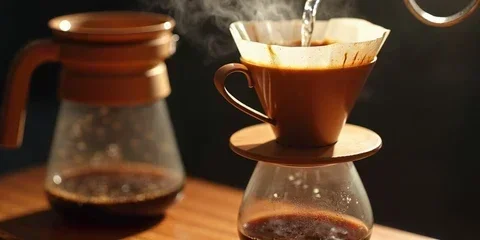
The pour over method is arguably the best way to brew light roast coffee. It gives you complete control over water temperature, grind size, and pour speed. A pour over coffee maker like a Hario V60 or Chemex brings out the nuanced flavors beautifully. The clean filter removes oils and lets the bright notes shine through.
Start with a medium-fine grind. Pour hot water in slow circles over the grounds. Let the coffee bloom for about 30 seconds before continuing. The result is a crisp, clean cup that highlights every flavor note.
French Press
A French press works well for light roast coffee too. The full-immersion method extracts more of the bean’s natural oils. This gives you a richer, heavier body. Use a coarse grind and steep for about four minutes. Press slowly and pour immediately to avoid over-extraction.
The French press is great if you like a fuller mouthfeel with your light roast brew. It does not filter out as many fine particles, so the flavor feels more robust.
Drip Coffee Maker
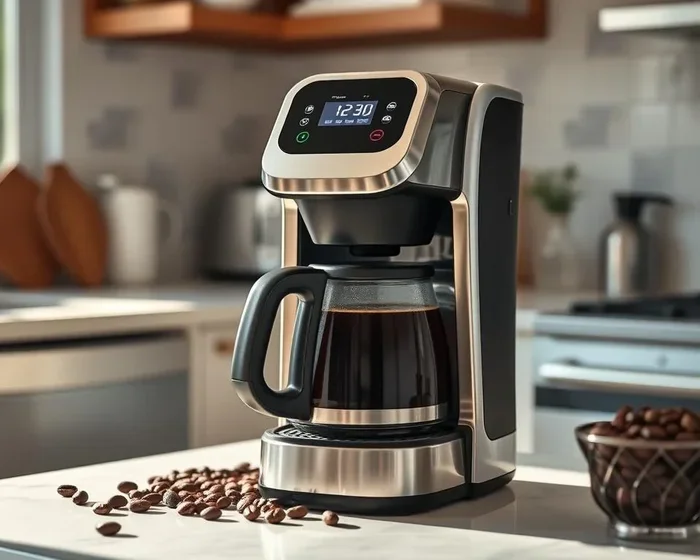
If you prefer convenience, a drip coffee maker can still produce a great cup of light roast coffee. Look for a machine that lets you control the water temperature. A quality drip brewer heats water to the right range and saturates the grounds evenly. Use a medium grind and a paper filter for the cleanest taste.
AeroPress
The AeroPress is a versatile tool that works wonderfully with light roast beans. It combines immersion and pressure brewing for a smooth, clean cup. Experiment with different brew times and water temperatures to find your sweet spot. Many coffee enthusiasts consider the AeroPress one of the best ways to brew light roast coffee at home.
The Perfect Coffee-to-Water Ratio
Getting the ratio right is one of the most important steps in how to brew light roast coffee. Too much coffee and your cup tastes bitter and overpowering. Too little and it turns out weak and sour.
Start with 1:16
The golden ratio for light roast coffee is 1 gram of coffee to 16 grams of water. This gives you a balanced cup that is neither too strong nor too weak. For a standard mug, that means about 18 grams of coffee to 288 grams of water.
Adjust to Your Taste
Not everyone loves the same strength. Here is a quick guide to help you adjust:
- 1:15 ratio — Slightly stronger and more intense. Great if you like bold, concentrated coffee.
- 1:16 ratio — Balanced and smooth. The sweet spot for most light roast fans.
- 1:17 ratio — Lighter and more delicate. Perfect for highlighting floral and fruity notes.
Use a kitchen scale to measure both your coffee and water. Scoops are not precise enough for perfect coffee brewing. A scale takes the guesswork out and helps you reproduce great results every time.
Water Temperature and Extraction
Water temperature plays a huge role in brewing light roast coffee. The right temperature extracts the sweet spot of flavors without burning the delicate beans.
Ideal Temperature Range
Aim for water between 195°F and 205°F (90°C to 96°C). This is the sweet spot for light roast extraction. Water that is too hot will over-extract the coffee, pulling out bitter compounds. Water that is too cool will under-extract, leaving your cup sour and thin.
Why Light Roasts Need Lower Temperatures
Light roast beans are denser and more chemically complex than dark roasts. They require careful extraction to bring out their best flavors. If you use boiling water straight off the heat, let it rest for about 30 seconds before pouring. This brings the temperature into the ideal range for brewing light roast beans.
Blooming Your Coffee
Before you start brewing, wet your grounds with a small amount of hot water. Let them sit for 30 to 45 seconds. This is called blooming. Fresh coffee releases carbon dioxide during this phase. Blooming ensures even extraction and a better-tasting cup. It is a simple step that makes a big difference in light roast coffee brewing.
Grind Size and Freshness
Two factors that often get overlooked are grind size and bean freshness. Both are essential for a great cup of light roast coffee.
Choosing the Right Grind Size
For pour over and drip methods, use a medium-fine grind. It should feel like granulated sugar. For French press, go with a coarse grind, similar to sea salt. For AeroPress, a medium grind works well. The wrong grind size leads to over-extraction or under-extraction, both of which ruin the flavor of your light roast brew.
Buy Fresh, Store Properly
Always buy fresh roasted coffee beans within two to four weeks of the roast date. Coffee starts losing its flavor soon after roasting. Store your beans in an airtight container away from direct sunlight. Do not keep them in the fridge, as moisture and odors can affect the taste.
Grind your beans just before brewing for the best results. Pre-ground coffee loses its aroma quickly. A simple burr grinder at home makes a world of difference in the quality of your morning cup.
Common Mistakes to Avoid
Even experienced coffee drinkers make mistakes when brewing light roast coffee. Here are the most common ones and how to fix them.
Using Water That Is Too Hot
Boiling water burns light roast beans. This creates a harsh, bitter taste that masks the delicate flavors. Always let your water cool slightly before pouring over your grounds.
Grinding Too Fine
A very fine grind might seem like it would extract more flavor, but it actually leads to over-extraction. The coffee tastes bitter and muddy. Stick to a medium-fine grind for the best results with light roast beans.
Skipping the Bloom
Skipping the bloom step means uneven extraction. Some grounds get over-extracted while others stay under-extracted. Always take the extra 30 seconds to bloom your coffee. Your taste buds will thank you.
Using Stale Beans
Old, stale beans produce flat, lifeless coffee. If your beans have been sitting in the pantry for months, it is time to buy fresh. Look for a roast date on the bag, not just an expiration date.
Expert Tips for the Perfect Morning Cup
Here are some bonus tips from coffee professionals to help you get the most out of your light roast coffee.
- Rinse your paper filter before brewing. This removes any papery taste and preheats your brewer.
- Preheat your mug with hot water before pouring. A cold mug cools the coffee too quickly.
- Experiment with water sources. Filtered water tastes better than tap water and avoids chlorine flavors that interfere with your coffee extraction.
- Keep a brewing journal. Write down your grind size, water temperature, and ratio each time. This helps you replicate your perfect cup.
- Try warming your milk in a toaster oven if you enjoy milk-based coffee drinks. If you are looking for tips on using a toaster oven for warming, you can learn more about how to reheat Dominos pizza in a toaster oven, which covers similar techniques for gentle, even heating.
- Clean your equipment regularly to prevent oil buildup. If you need oven cleaning tips, check out how to clean an oven with a dishwasher tablet without scrubbing for a method that works on tough stains.
- Set a brewing timer to stay consistent. If you use a Krups toaster oven with a timer function, learn how to set the clock on your Krups toaster oven so you can coordinate your brewing schedule perfectly.
These small habits add up over time. They transform your morning routine from rushed to intentional. Great light roast coffee deserves a little attention and care.
Why Morning Coffee Tastes Better with Light Roasts
There is a reason many coffee lovers reach for light roast beans in the morning. The bright, complex flavors wake up your palate in a way that dark roasts simply cannot. Each sip reveals new notes, from stone fruit to toasted nuts to hints of honey.
Brewing light roast coffee in the morning also creates a ritual. The process of measuring, grinding, blooming, and pouring slows you down. It gives you a moment of calm before the day begins. That ritual is part of what makes a great cup of coffee so satisfying.
Once you master the basics of how to brew light roast coffee, you will never want to go back to generic dark roast. The depth of flavor and the clarity of taste are unmatched. Every morning becomes an opportunity to enjoy something truly special.
Conclusion
Brewing light roast coffee at home is easier than you think. With the right beans, grind size, water temperature, and ratio, you can create a cup that is bright, clean, and full of flavor. Start with the 1:16 ratio, use water between 195°F and 205°F, and never skip the bloom.
Experiment with different brewing methods until you find the one that suits your taste. Pour over, French press, AeroPress, or drip, each method brings out different qualities in light roast beans. The key is to enjoy the process and keep learning.
Your morning coffee is one of the most important rituals of the day. Make it count by brewing light roast coffee that truly highlights everything these beautiful beans have to offer. Grab a bag of fresh beans, follow the tips in this guide, and taste the difference for yourself.
Frequently Asked Questions
Can I brew light roast coffee in a regular drip coffee maker?
Yes, you absolutely can. Just make sure your machine heats water to the right temperature between 195°F and 205°F. Use a medium grind and a paper filter for the cleanest taste. Drip machines are convenient and produce a reliable cup of light roast coffee every morning.
How long should I bloom light roast coffee?
Let your grounds bloom for 30 to 45 seconds. Pour a small amount of hot water over them and wait. You will see the coffee puff up and release bubbles. This is CO2 escaping, and it means your beans are fresh. Blooming leads to better coffee extraction and a more flavorful cup.
Is light roast coffee less bitter than dark roast?
Yes, generally speaking. Light roasts retain more of the bean’s natural sugars and acids, which balances out bitterness. Dark roasts lose more of these compounds during the longer roasting process, which often results in a more bitter taste. Light roast coffee tends to taste brighter and more complex.
What is the best water for brewing light roast coffee?
Filtered water is the best choice. It removes chlorine and other impurities that can affect the taste of your coffee. Avoid distilled water, as it lacks the minerals that help extract flavor. Good water makes a noticeable difference in the quality of your morning brew.
How do I know if my light roast coffee is over-extracted?
Over-extracted coffee tastes bitter, harsh, and dry. If your light roast brew has these qualities, try using slightly cooler water, a coarser grind, or a shorter brew time. Adjusting any of these variables can bring your coffee back into balance.
Can I use pre-ground light roast coffee?
You can, but fresh ground coffee always tastes better. Pre-ground coffee loses its aroma and flavor within days of opening the bag. If you must use pre-ground, store it in an airtight container and use it quickly. For the best results, invest in a simple burr grinder and grind your beans right before brewing.
=== CONCLUSION ===
How to brew light roast coffee comes down to a few simple principles: use fresh beans, grind them correctly, control your water temperature, and maintain the right ratio. These steps transform an ordinary morning into an extraordinary one. Light roast coffee offers a world of flavor that deserves your attention and care.
Start with the tips in this guide and adjust as you go. Every batch of light roast coffee you brew teaches you something new. Enjoy the journey, savor each cup, and make your morning ritual the best part of your day.