Baked Salmon in Oven The Easiest Recipe You Will Love
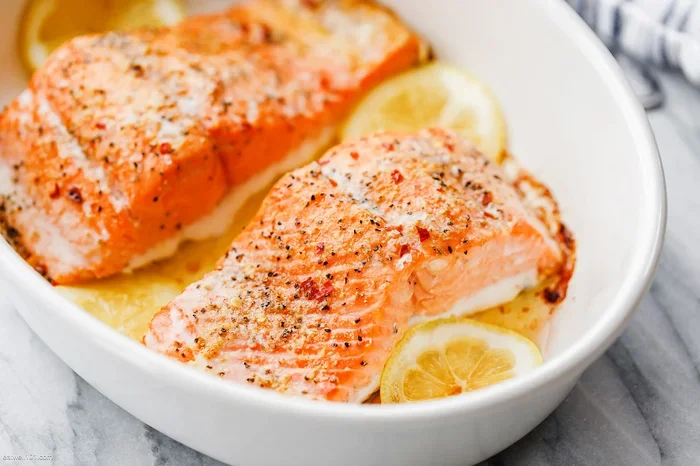
Baked salmon in oven is the simplest way to prepare a restaurant-quality meal at home. This guide covers everything from temperature settings to seasoning ideas so you can cook perfect salmon fillets every single time. Whether you are a beginner or a seasoned cook, you will find practical tips and easy variations that make weeknight dinners a breeze.
Baking salmon in oven is one of the most rewarding things you can do in your kitchen. It is fast, it is healthy, and it tastes incredible. If you have been looking for a go-to salmon recipe that never fails, you have come to the right place.
Salmon is one of the most popular fish choices for home cooks. It is rich in omega-3 fatty acids, high in protein, and incredibly versatile. When you oven bake salmon properly, the flesh turns flaky and tender while the skin gets perfectly crispy. In this article, we will walk you through every step of the process. You will learn the ideal baked salmon temperature, the best cooking times, and how to add amazing flavors. By the end, you will feel confident enough to make this dish on repeat.
The beauty of baked salmon in oven lies in its simplicity. You do not need fancy equipment or years of cooking experience. All you need is a good oven, a baking sheet, and a few simple ingredients. Let us dive in and make this happen.
Key Takeaways
- Simple Process: Baking salmon in oven takes just 20 minutes from prep to plate.
- Perfect Temperature: 400°F is the sweet spot for juicy, flaky salmon fillets.
- Versatile Flavors: Try lemon herb, garlic butter, or honey glaze variations easily.
- Healthy Choice: Oven roasted salmon is packed with omega-3 fatty acids and lean protein.
- Minimal Cleanup: Using foil or parchment makes baked salmon cleanup effortless.
- Beginner Friendly: Even first-time cooks will nail this salmon dinner idea every time.
📑 Table of Contents
- Why Baked Salmon in Oven Is a Weeknight Hero
- What You Need to Make Perfect Baked Salmon in Oven
- Step-by-Step Instructions for Baked Salmon in Oven
- Best Seasoning and Flavor Variations for Baked Salmon in Oven
- Common Mistakes to Avoid When Baking Salmon in Oven
- Expert Tips for Juicy, Flaky Baked Salmon in Oven Every Time
- Frequently Asked Questions About Baked Salmon in Oven
- Conclusion
Why Baked Salmon in Oven Is a Weeknight Hero
There are many ways to cook salmon. You can grill it, pan-sear it, or poach it. But oven baked salmon offers something special. It requires almost no hands-on time, and the results are consistently excellent. Here is why this method deserves a spot in your regular dinner rotation.
It Is Incredibly Easy
When you bake salmon in oven, you mostly just set a timer and wait. There is no need to stand over a hot pan flipping fillets. You place the salmon on a lined baking sheet, pop it in the oven, and let the heat do the work. This makes it perfect for busy weeknights when you want something wholesome without the hassle.
It Is Healthy and Nutritious
Salmon is one of the healthiest proteins you can eat. A single serving of oven roasted salmon provides a generous dose of omega-3 fatty acids. These healthy fats support heart health, brain function, and reduce inflammation. Baking is one of the best cooking methods because it does not add extra oils or fats. You get all the nutrition without any extras.
It Works for Any Occasion
Whether you are cooking for one or feeding a family of six, baked salmon in oven scales easily. You can prepare a simple weeknight dinner in 20 minutes. Or you can elevate it for a dinner party with fancy seasonings and sides. The flexibility is one of the biggest reasons this salmon dinner idea keeps coming back to the table.
What You Need to Make Perfect Baked Salmon in Oven
Before you start, gather your ingredients and tools. Having everything ready makes the process smooth and enjoyable. Here is your complete checklist.
Ingredients You Will Need
- Fresh salmon fillets — skin-on works best for crispy results
- Olive oil — a light drizzle keeps the fish moist
- Salt and black pepper — the foundation of great seasoning
- Garlic cloves — minced fresh garlic adds wonderful depth
- Fresh lemon — slices or juice for brightness
- Fresh herbs — dill, parsley, or thyme work beautifully
- Honey or maple syrup — optional for a touch of sweetness
- Butter — adds richness when melted over the fillets
Tools You Will Need
- A standard oven-safe baking sheet
- Parchment paper or aluminum foil for easy cleanup
- A small bowl for mixing seasonings
- A spatula for gentle handling
- A meat thermometer for checking internal temperature
Choosing the Right Salmon Fillets
Not all salmon is created equal. When buying salmon fillets for baking, look for bright, vibrant color. The flesh should look moist and firm, not dull or mushy. Skin-on fillets are ideal because the skin crisps up beautifully in the oven. It also holds the fillet together during cooking. If you prefer skinless, that works too — just be a bit more careful when flipping.
Wild-caught and farm-raised salmon both work well for baked salmon in oven. Wild salmon tends to have a deeper flavor and firmer texture. Farm-raised salmon is milder and has more fat content, which keeps it extra moist. Choose based on your taste preference and budget.
Step-by-Step Instructions for Baked Salmon in Oven
Now for the fun part. Here is the complete process for making oven baked salmon that turns out perfectly every time. Follow these steps closely, and you will have restaurant-quality results at home.
Step 1: Preheat Your Oven
Set your oven to 400°F (200°C). This is the ideal baked salmon temperature for most fillets. It cooks the fish evenly without drying it out. The high heat also helps the skin become wonderfully crispy. While the oven heats up, prepare your salmon fillets.
Step 2: Prepare the Salmon
Pat your salmon fillets dry with paper towels. This step is crucial. Moisture on the surface prevents the skin from crisping up. Remove any pin bones with tweezers if needed. Place the fillets skin-side down on your lined baking sheet. Leave a little space between each piece so the heat circulates evenly.
Step 3: Season Generously
Drizzle a thin layer of olive oil over each fillet. Then sprinkle with salt, pepper, and minced garlic. You can also add fresh herbs like dill or thyme at this stage. If you want a sweet glaze, mix a teaspoon of honey with a squeeze of lemon and brush it on top. The seasoning is where you can get creative with your salmon seasoning ideas.
Step 4: Bake to Perfection
Place the baking sheet on the center rack of your oven. For standard-thickness fillets, bake salmon in oven for about 12 to 15 minutes. Thicker fillets may need up to 18 minutes. The salmon is done when it flakes easily with a fork and reaches an internal temperature of 145°F (63°C). The center should still look slightly translucent for the juiciest result.
Step 5: Rest and Serve
Remove the baking sheet from the oven and let the salmon rest for 3 to 5 minutes. This allows the juices to redistribute throughout the fillet. Serve with lemon wedges, roasted vegetables, or a fresh salad. Your easy salmon dinner is ready to enjoy.
Quick Tips for Perfect Timing
- Thin fillets (less than 1 inch) cook in about 10 to 12 minutes
- Medium fillets (1 to 1.5 inches) need 12 to 15 minutes
- Thick fillets (over 1.5 inches) may need 15 to 18 minutes
- Always use a meat thermometer for accuracy
- Start checking for doneness a few minutes early
Best Seasoning and Flavor Variations for Baked Salmon in Oven
One of the best things about baked salmon in oven is how customizable it is. You can change the flavors to match any mood or cuisine. Here are some of our favorite variations.
Lemon Herb Baked Salmon
This is the classic combination that never gets old. Mix olive oil with fresh lemon juice, minced garlic, chopped dill, salt, and pepper. Brush it over the fillets before baking. The lemon cuts through the richness of the fish and adds a bright, fresh flavor. This variation pairs perfectly with asparagus or steamed green beans.
Honey Garlic Glazed Salmon
For something a little sweeter, try a honey garlic glaze. Combine honey, soy sauce, minced garlic, and a dash of sesame oil. Brush it on during the last 5 minutes of baking. The glaze caramelizes beautifully and creates a sticky, delicious coating. This version is a hit with kids and adults alike.
Garlic Butter Baked Salmon
If you love rich, indulgent flavors, garlic butter is your best friend. Melt butter with minced garlic and a pinch of red pepper flakes. Spoon it over the salmon before baking. The butter creates a velvety sauce that keeps every bite moist and flavorful. Serve this with crusty bread to soak up every drop.
Herb Crusted Baked Salmon
For a more elegant presentation, make a simple herb crust. Combine breadcrumbs with chopped parsley, thyme, rosemary, lemon zest, and olive oil. Press it gently onto the top of each fillet. Bake as usual. The crust adds a wonderful crunch that contrasts beautifully with the soft, flaky fish inside.
Asian-Inspired Baked Salmon
For a flavor twist, try an Asian-style marinade. Mix soy sauce, rice vinegar, sesame oil, fresh ginger, and a touch of honey. Marinate the fillets for 15 minutes before baking. Top with sliced green onions after cooking. This variation turns your salmon dinner idea into something exciting and new every time.
Common Mistakes to Avoid When Baking Salmon in Oven
Even though baked salmon in oven is simple, there are a few mistakes that can ruin an otherwise perfect fillet. Here is what to watch out for.
Starting with Wet Salmon
This is the number one mistake people make. If your fillets are wet when they go on the baking sheet, the skin will not crisp up. Always pat the salmon dry thoroughly with paper towels before seasoning. This small step makes a huge difference in the final texture.
Overcooking the Fish
Overcooked salmon becomes dry and chalky. Nobody wants that. The key is to pull the salmon out when it is just done. The internal temperature should read 145°F, but many chefs prefer to pull it at 140°F and let carryover cooking finish the job. The fish will continue to cook on the hot baking sheet after removal.
Skipping the Preheat
Putting salmon in a cold oven leads to uneven cooking. The outside may overcook while the center stays raw. Always preheat your oven to the correct baked salmon temperature before placing the fillets inside. This ensures consistent results every single time.
Using the Wrong Baking Temperature
Too low and the salmon takes forever. Too high and the outside burns before the inside is cooked. 400°F is the magic number for oven baked salmon. It cooks the fish through evenly while allowing the skin to crisp up nicely. Stick with this temperature for reliable results.
Crowding the Baking Sheet
If you are cooking multiple fillets, give them space. Crowding the pan traps steam and prevents the skin from crisping. Arrange the fillets with at least an inch of space between them. If you need to cook more, use two baking sheets or work in batches.
Expert Tips for Juicy, Flaky Baked Salmon in Oven Every Time
Now that you know the basics and common pitfalls, let us level up your game. These expert tips will help you achieve the best possible results every time you make baked salmon in oven.
Bring the Salmon to Room Temperature First
Take your fillets out of the refrigerator about 15 minutes before baking. This lets the fish cook more evenly from edge to center. Cold salmon placed directly in a hot oven can result in uneven doneness — the outside overcooks while the center remains cold.
Use Parchment Paper Instead of Foil
While foil works fine, parchment paper is better for crispy skin. Foil traps steam and can make the bottom of the fillet soggy. Parchment allows air to circulate, which helps the skin crisp up beautifully. It also makes cleanup a breeze.
Don’t Forget the Skin
If your fillets have skin, place them skin-side down in the oven. The skin acts as a natural barrier that protects the delicate flesh from direct heat. It also renders out and becomes crispy, adding a wonderful textural contrast. If you prefer skinless, simply place the fillets flesh-side down.
Let the Salmon Rest After Baking
Resting is just as important for fish as it is for steak. When you remove the salmon from the oven, let it sit for 3 to 5 minutes. The residual heat continues to cook the center gently. The juices settle and redistribute, giving you a moist, tender bite every time.
Pair with the Right Sides
A great salmon dinner idea is all about the sides. Roasted vegetables like broccoli, Brussels sprouts, or sweet potatoes complement salmon perfectly. A simple rice pilaf or quinoa also works well. For a lighter option, serve with a fresh green salad or steamed asparagus. The right sides elevate the entire meal.
Store and Reheat Leftovers Properly
Leftover baked salmon in oven keeps well in the refrigerator for up to 3 days. Store it in an airtight container. When reheating, use a low oven temperature around 275°F to prevent drying out. A quick 5 to 8 minute warm-up in the oven preserves the moisture and flavor much better than microwaving.
Comparison: Different Baking Methods for Salmon
| Method | Temperature | Time | Best For |
|---|---|---|---|
| Baked Salmon in Oven | 400°F | 12-18 min | Even cooking, crispy skin |
| Salmon in Foil | 375°F | 15-20 min | Moist, steamed texture |
| Pan-Seared Salmon | Medium-high | 4-6 min per side | Crispy exterior, quick |
| Grilled Salmon | High heat | 6-8 min per side | Smoky flavor, summer cooking |
| Poached Salmon | 160-180°F liquid | 10-15 min | Gentle, delicate texture |
As you can see, oven baked salmon strikes the best balance between ease and results. It is the most forgiving method and produces consistently delicious salmon fillets with minimal effort.
Frequently Asked Questions About Baked Salmon in Oven
How long does it take to bake salmon in oven at 400°F?
At 400°F, most salmon fillets bake in 12 to 15 minutes. Thinner fillets may be done in as little as 10 minutes, while thicker cuts can take up to 18 minutes. The best way to check is to use a meat thermometer. When the internal temperature reaches 145°F, your baked salmon in oven is ready. Always remember that the salmon will continue cooking slightly after removal.
Should I bake salmon with the skin on or off?
Baking with the skin on is recommended for most cooks. The skin protects the delicate flesh and renders into a crispy, delicious layer. Place the fillet skin-side down on the baking sheet. If you prefer skinless fillets, simply buy them that way or remove the skin before baking. Both methods work well for oven baked salmon.
What is the best temperature for baked salmon in oven?
The ideal baked salmon temperature is 400°F. This high heat cooks the fish quickly and evenly while crisping the skin. Some recipes use 375°F for a gentler cook, but 400°F is the most popular choice among home cooks. The key is not to overcook, so keep an eye on the fillets and use a thermometer for best results.
Can I use frozen salmon for baking?
Yes, you can bake frozen salmon, but thawing first gives better results. If you are short on time, you can place frozen fillets directly in the oven. Simply add 5 to 7 extra minutes to the cooking time. Pat the fillets dry before seasoning to remove excess moisture. The texture may be slightly different from fresh salmon, but the flavor remains great for easy salmon dinner nights.
How do I know when baked salmon is done?
The simplest way to check is with a meat thermometer. Insert it into the thickest part of the fillet. When it reads 145°F, the salmon is done. You can also check by gently pressing the top of the fillet. It should feel firm but still have a slight give. The flesh will also start to flake easily when you poke it with a fork. Avoid overcooking, as dry salmon is not enjoyable.
What sides go best with baked salmon in oven?
Baked salmon pairs wonderfully with many sides. Roasted vegetables like asparagus, broccoli, or zucchini are classic choices. Rice, quinoa, or couscous make excellent bases for a complete meal. A fresh green salad adds brightness and crunch. For a low-carb option, try steamed green beans or a simple cucumber salad. The versatility of baked salmon in oven makes it easy to pair with whatever you have on hand.
Conclusion
Baked salmon in oven is truly one of the simplest and most satisfying meals you can prepare. It requires minimal ingredients, very little hands-on time, and delivers results that look and taste professional. Whether you keep it simple with salt and lemon or experiment with bold glazes and herb crusts, this dish never disappoints.
Remember the key points we covered. Use the right baked salmon temperature of 400°F. Pat your fillets dry before seasoning. Do not overcook — pull the salmon when it just reaches 145°F internally. Let it rest before serving. These small steps make a world of difference in the final result.
Once you master the basic oven baked salmon method, the possibilities are endless. Try new salmon seasoning combinations each week. Experiment with different glazes and marinades. Pair it with different sides to keep meals interesting. Your family and guests will love it every single time.
So next time you are planning dinner, give baked salmon in oven a try. It is healthy, it is delicious, and it is one of the easiest proteins to cook. You will wonder why you did not make it more often. Grab your salmon fillets, preheat that oven, and get ready for a meal that will become a household favorite.