How Much Caffeine Does Vietnamese Coffee Really Have
Vietnamese coffee packs a powerful caffeine punch. A standard cup of Vietnamese coffee contains around 100 to 200 milligrams of caffeine, making it one of the strongest coffee drinks you can enjoy. The secret lies in the robusta beans and the slow drip brewing method that extracts more caffeine into every cup.
Vietnamese coffee has taken the world by storm. You see it in cafés everywhere now. People love its bold flavor and creamy sweetness. But there is one question that keeps coming up: how much caffeine does Vietnamese coffee really have? If you are a coffee lover who tracks your intake, this is a question you need answered. The truth might surprise you.
Vietnamese coffee is not just another trendy drink. It has a rich history and a unique brewing process that sets it apart. The way it is made directly affects how much caffeine ends up in your cup. From the type of bean to the brewing tool, every step matters. Let us break it all down for you.
Key Takeaways
- Vietnamese coffee uses robusta beans: These beans contain nearly double the caffeine of arabica beans.
- A typical cup has 100-200mg of caffeine: The exact amount depends on brew strength and serving size.
- The phin filter brews slowly: This method pulls out more caffeine than quick brew methods.
- Vietnamese iced coffee is just as strong: Adding ice doesn’t reduce the caffeine content.
- Sweetened condensed milk adds flavor, not caffeine: It changes the taste but not the energy boost.
- Vietnamese coffee is stronger than most drip coffee: But weaker than espresso shots ounce for ounce.
📑 Table of Contents
- What Makes Vietnamese Coffee Different
- How Much Caffeine Is Actually in a Cup
- Vietnamese Iced Coffee: Is the Caffeine Different
- Factors That Affect Caffeine Levels in Vietnamese Coffee
- Health Effects of Vietnamese Coffee Caffeine
- How to Control Your Caffeine Intake with Vietnamese Coffee
- Final Thoughts
What Makes Vietnamese Coffee Different
Vietnamese coffee stands out for a few key reasons. First, the beans. Second, the brewing method. Third, the way it is served. Each of these factors plays a role in the final caffeine content. Let us explore each one in detail.
The Beans: Robusta vs. Arabica
Vietnam is the world’s second largest coffee producer. And the vast majority of that production is robusta beans. Robusta beans are known for their strong, bitter flavor. But more importantly, they contain significantly more caffeine than the popular arabica beans. A robusta bean has about 2.2 to 2.7 percent caffeine by weight. An arabica bean has only 1.2 to 1.5 percent. That is nearly double.
This is the biggest reason why Vietnamese coffee hits so hard. When you drink a cup made from robusta beans, you are getting more caffeine per sip. Many coffee drinkers do not even realize this difference. They just know that Vietnamese coffee keeps them wide awake.
Some Vietnamese coffee blends mix robusta and arabica beans. This creates a smoother taste while still keeping a high caffeine level. If you want to know exactly what you are drinking, check the bean type on the label or ask your barista.
The Phin Filter: A Slow Brew Method
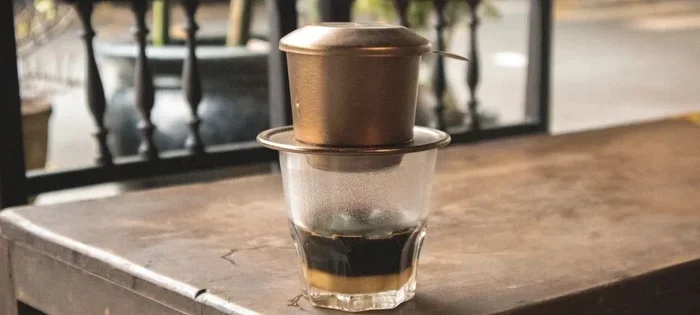
The phin filter is the heart of Vietnamese coffee culture. It is a small metal device that sits on top of your cup. You add ground coffee and hot water, and the coffee drips through slowly. This process takes about four to five minutes. It is much slower than a standard drip coffee maker.
Because the phin filter brews so slowly, it extracts more caffeine from the grounds. The hot water has more time to dissolve the caffeine compounds. This means your final cup is more concentrated. A fast brew method might give you a lighter cup. The phin filter gives you a bold, intense shot of caffeine.
The grind size also matters here. Vietnamese coffee is typically ground very fine, almost like table salt. This fine grind increases the surface area, which means more caffeine gets pulled out during the brew. It is a simple design, but it works incredibly well.
Sweetened Condensed Milk: Flavor Without the Caffeine
One of the most iconic parts of Vietnamese coffee is the sweetened condensed milk. It gives the drink its creamy, sweet character. But here is the thing: condensed milk does not add any caffeine. It is purely a flavor enhancer. So if you drink your Vietnamese coffee with condensed milk, the caffeine content stays the same.
Some people wonder if the milk dilutes the coffee and reduces the caffeine. It does not really. The milk mixes in but does not change the amount of caffeine already extracted. You still get the full caffeine boost in every sip.
How Much Caffeine Is Actually in a Cup
Now for the big question. How much caffeine does a cup of Vietnamese coffee actually contain? The answer depends on a few variables. Let us look at the numbers.
A standard serving of Vietnamese coffee uses about two tablespoons of ground coffee. This is roughly 10 grams of coffee. When brewed with the phin filter, this typically yields about 100 to 200 milligrams of caffeine. For comparison, a standard cup of American drip coffee has about 80 to 100 milligrams. So Vietnamese coffee is noticeably stronger.
Here is a quick breakdown of caffeine content by coffee type:
- Vietnamese coffee (phin brew): 100 to 200 mg per cup
- Standard drip coffee: 80 to 100 mg per cup
- Espresso (single shot): 63 to 75 mg per shot
- Instant coffee: 30 to 90 mg per cup
- Decaf coffee: 2 to 5 mg per cup
As you can see, Vietnamese coffee sits at the higher end of the spectrum. But it is not the strongest option out there. Espresso has more caffeine per ounce. However, a full cup of Vietnamese coffee gives you more total caffeine because you drink a larger volume.
Does the Roast Level Change the Caffeine
Many people believe dark roast coffee has more caffeine. This is a common myth. In reality, the roasting process slightly reduces caffeine content. Dark roasts lose a tiny bit more caffeine than light roasts. But the difference is very small. You would not notice it in a single cup.
Vietnamese coffee is often medium to dark roasted. This gives it that rich, smoky flavor. But the caffeine difference between light and dark roast is negligible. Do not let roast level be your main concern. The bean type and brewing method matter far more.
Serving Size Matters
The caffeine numbers above assume a standard cup size. A typical Vietnamese coffee serving is about 6 to 8 ounces. If you order a larger size or drink a second cup, you are multiplying the caffeine. Two cups of Vietnamese coffee could give you 200 to 400 milligrams of caffeine. That is a significant amount.
The FDA recommends limiting caffeine intake to 400 milligrams per day for most healthy adults. So two cups of Vietnamese coffee puts you right at that limit. Keep this in mind if you are sensitive to caffeine or drink it throughout the day.
Vietnamese Iced Coffee: Is the Caffeine Different
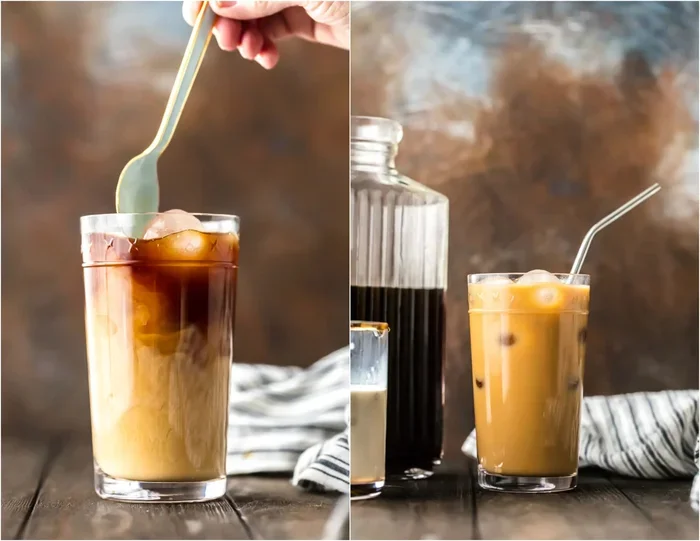
Vietnamese iced coffee, or ca phe sua da, is hugely popular. It is made by brewing hot coffee over sweetened condensed milk and then pouring it over ice. Many people wonder if the ice reduces the caffeine. The answer is no.
Adding ice to your coffee does not remove or reduce caffeine. The caffeine is already dissolved in the liquid before the ice goes in. As the ice melts, it simply adds water, which slightly dilutes the flavor but not the caffeine content. You still get the same caffeine boost.
In fact, some people drink Vietnamese iced coffee faster because it is cold and refreshing. This might mean you consume more caffeine in a shorter time. Just be mindful of your intake, especially during hot summer days when iced coffee is the go-to choice.
Factors That Affect Caffeine Levels in Vietnamese Coffee
Not every cup of Vietnamese coffee is exactly the same. Several factors can change the caffeine content from one cup to the next. Here are the main ones to keep in mind.
Type of Bean Used
As we mentioned, robusta beans have more caffeine. If your Vietnamese coffee uses pure robusta, expect a higher caffeine hit. If it is a blend with arabica, the caffeine will be slightly lower. Some specialty Vietnamese coffee shops now offer arabica options for a smoother taste.
Brewing Time
The longer the coffee brews in the phin filter, the more caffeine gets extracted. If you let the drip process finish completely, you get the full caffeine potential. If you rush it or remove the phin early, you might get a slightly weaker cup.
Coffee-to-Water Ratio
Using more coffee grounds for the same amount of water increases the caffeine concentration. Some people like their Vietnamese coffee very strong and pack extra grounds into the phin. This is an easy way to boost your caffeine intake without drinking a larger volume.
Water Temperature
Hotter water extracts caffeine more efficiently. If your water is not hot enough, you may not get the full caffeine extraction. The ideal brewing temperature for Vietnamese coffee is between 195 and 205 degrees Fahrenheit. Just off the boil works perfectly.
Health Effects of Vietnamese Coffee Caffeine
Drinking Vietnamese coffee can be a great way to start your day. The caffeine boost helps with focus and energy. But it is important to understand how caffeine affects your body. This way, you can enjoy your coffee responsibly.
Caffeine stimulates your central nervous system. It makes you feel more alert and reduces fatigue. For most people, 100 to 200 milligrams is a safe and effective dose. Vietnamese coffee gives you this in a single cup, which is why it is so popular for morning routines.
However, too much caffeine can cause problems. You might experience jitters, anxiety, or trouble sleeping. Some people are more sensitive to caffeine than others. If you are new to Vietnamese coffee, start with a smaller cup and see how your body reacts.
The caffeine in Vietnamese coffee also offers some health benefits. Studies show that moderate coffee consumption can improve memory, boost metabolism, and reduce the risk of certain diseases. The robusta beans in Vietnamese coffee contain antioxidants that support overall health. So your morning cup is doing more than just waking you up.
If you are comparing Vietnamese coffee to other popular drinks, the caffeine levels are quite competitive. A can of soda has about 30 to 40 milligrams. A cup of tea has 40 to 70 milligrams. Vietnamese coffee gives you significantly more energy per serving. This is one reason it has become a favorite among coffee enthusiasts who want a strong brew.
For those who are curious about caffeine in other foods and drinks, you might also want to check how much caffeine is in a cup of regular brewed coffee or explore other coffee traditions around the world. Understanding what goes into your cup helps you make better choices about your daily caffeine intake.
One thing worth noting is that Vietnamese coffee culture encourages slow, mindful drinking. The phin filter process takes several minutes. This is not a rushed grab-and-go drink. It is a moment to pause and enjoy. The caffeine still hits hard, but the experience is just as important as the boost.
How to Control Your Caffeine Intake with Vietnamese Coffee
If you love Vietnamese coffee but want to manage your caffeine, there are simple ways to do it. You do not have to give up your favorite drink.
- Use less coffee grounds: Reduce the amount in the phin filter to lower the caffeine per cup.
- Switch to a blend: Choose a mix with more arabica beans for a gentler caffeine kick.
- Drink smaller servings: Order a smaller cup or share a larger one.
- Limit your cups per day: Stick to one or two cups to stay within safe caffeine limits.
- Try decaf Vietnamese coffee: Some shops offer decaf options that still use the traditional phin method.
These small adjustments let you enjoy the rich taste of Vietnamese coffee without overdoing the caffeine. It is all about finding the balance that works for you.
Final Thoughts
So how much caffeine does Vietnamese coffee really have? The answer is clear: it has a lot. With 100 to 200 milligrams per cup, it is one of the strongest traditional coffee drinks you can find. The robusta beans and the slow phin filter brewing method work together to create a powerful caffeine experience.
Whether you drink it hot or iced, with condensed milk or black, the caffeine content stays the same. Vietnamese coffee is bold, rich, and full of energy. It is no wonder it has won the hearts of coffee lovers around the globe.
Next time you sit down with a cup of Vietnamese coffee, you will know exactly what you are getting. Enjoy every sip, and remember to keep your caffeine intake in check. A great cup of coffee should energize you, not overwhelm you.
Frequently Asked Questions
Is Vietnamese coffee stronger than regular drip coffee?
Yes, Vietnamese coffee is generally stronger than regular drip coffee. It uses robusta beans, which have nearly double the caffeine of arabica beans. The slow phin filter brewing method also extracts more caffeine into the cup.
How many milligrams of caffeine are in a Vietnamese iced coffee?
A Vietnamese iced coffee typically contains 100 to 200 milligrams of caffeine. The ice does not reduce the caffeine content. The caffeine is already dissolved in the liquid before the ice is added.
Can you get decaf Vietnamese coffee?
Yes, some coffee shops and brands offer decaf Vietnamese coffee. It uses the same phin filter method and condensed milk but with decaffeinated beans. The caffeine content drops to about 2 to 5 milligrams per cup.
Does adding more water to Vietnamese coffee reduce the caffeine?
Adding water dilutes the flavor but does not remove the caffeine. The caffeine is already extracted into the liquid. Adding more water simply spreads the same amount of caffeine across a larger volume.
Is Vietnamese coffee safe to drink every day?
For most healthy adults, drinking one to two cups of Vietnamese coffee per day is safe. The FDA recommends keeping caffeine intake under 400 milligrams per day. Two cups of Vietnamese coffee put you right at that limit.
Why does Vietnamese coffee keep me awake longer than other coffee?
Vietnamese coffee keeps you awake longer because it contains more caffeine per cup. The robusta beans have higher caffeine levels, and the phin filter extracts more of it. This creates a stronger and longer-lasting energy boost compared to regular drip coffee.
=== CONCLUSION ===
Vietnamese coffee is a powerhouse of flavor and caffeine. With 100 to 200 milligrams per cup, it delivers a serious energy boost that few other coffee drinks can match. The combination of robusta beans, the slow phin filter method, and the traditional serving style makes every cup count. Whether you enjoy it hot or iced, black or with sweetened condensed milk, you are getting a robust caffeine experience.
Now that you know exactly how much caffeine is in your Vietnamese coffee, you can enjoy it with confidence. Track your intake, adjust your brew strength, and savor every moment. Vietnamese coffee is more than a drink. It is a tradition, a ritual, and a powerful way to start your day. Cheers to that.