How Long To Cook Frozen Shrimp In Oven At 400 Degrees
Cooking frozen shrimp in the oven at 400°F takes about 15 to 20 minutes, making it one of the fastest and easiest dinner options you can prepare. This guide covers everything you need to know about timing, temperature, seasoning, and avoiding common mistakes so your shrimp comes out juicy and flavorful every single time.
Frozen shrimp is one of the most versatile ingredients you can keep in your freezer. Whether you are planning a quick weeknight dinner or hosting a party, how long to cook frozen shrimp in oven at 400 is the question that matters most. The good news is that you do not need to thaw them first. You can go straight from freezer to oven and still get amazing results.
Many people shy away from cooking frozen shrimp because they worry about texture or taste. But here is the truth. When you use the right temperature and timing, oven-baked frozen shrimp turns out perfectly juicy, slightly crispy on the outside, and full of flavor. This article will walk you through everything step by step so you can feel confident in the kitchen.
We will cover exact cooking times, the best seasonings, common mistakes, and expert tips that will make your baked shrimp the best dish on the table. Let us dive in.
Key Takeaways
- Quick Cook Time: Frozen shrimp bakes at 400°F in just 15 to 20 minutes, saving you time and effort.
- No Thawing Required: You can cook shrimp straight from the freezer for convenience and better texture.
- Perfect Temperature: 400°F is the ideal oven temperature for crispy outsides and tender insides.
- Seasoning Matters: Simple ingredients like garlic, butter, and lemon elevate frozen shrimp dramatically.
- Avoid Overcooking: Watch for opaque, firm shrimp and pull them out at the right moment.
- Versatile Dish: Oven-baked frozen shrimp works as an appetizer, main course, or salad topper.
📑 Table of Contents
- Why Cooking Frozen Shrimp at 400°F Works So Well
- How Long to Cook Frozen Shrimp in the Oven
- Best Seasonings and Flavor Combinations
- Step-by-Step Guide to Baking Frozen Shrimp
- Common Mistakes to Avoid When Baking Frozen Shrimp
- Expert Tips for Perfect Oven-Baked Shrimp Every Time
- Frequently Asked Questions About Baking Frozen Shrimp
- Conclusion
Why Cooking Frozen Shrimp at 400°F Works So Well
Temperature is everything when it comes to baking seafood. Cooking frozen shrimp at 400 degrees hits the sweet spot between speed and flavor. At this heat, the outside of the shrimp sears quickly while the inside gently cooks through. This creates a beautiful contrast of textures.
Here is why 400°F is the go-to temperature for frozen seafood:
- Fast cooking: The high heat reduces overall bake time significantly.
- Crispy exterior: The intense heat helps develop a light golden crust.
- Juicy interior: Quick cooking locks in moisture so the shrimp stays tender.
- Even cooking: 400°F distributes heat consistently across the baking sheet.
- Minimal prep: You can season and bake without waiting for thawing.
The Science Behind the Temperature
Shrimp cooks very quickly compared to other proteins. The proteins in shrimp denature at around 120°F to 140°F internally. When you place frozen shrimp in a preheated 400°F oven, the outside heats up fast while the center slowly thaws and cooks. This rapid transition is what gives oven-baked shrimp its appealing texture.
If you set the oven too low, the shrimp will steam instead of bake. That leads to a rubbery, soggy result. Too high, and the outside burns before the inside cooks. 400°F avoids both problems beautifully.
How Long to Cook Frozen Shrimp in the Oven
This is the section you have been waiting for. The answer to how long to cook frozen shrimp in oven at 400 depends on a few factors. But the general rule is simple and reliable.
Standard Cooking Time
For most frozen shrimp, 15 to 20 minutes at 400°F is the sweet spot. Here is a quick breakdown based on shrimp size:
- Small shrimp (21/25 count): 12 to 15 minutes
- Medium shrimp (16/20 count): 15 to 18 minutes
- Large shrimp (11/15 count): 17 to 20 minutes
- Jumbo shrimp (U10 count): 18 to 22 minutes
The count refers to how many shrimp are in one pound. Smaller numbers mean bigger shrimp, which need a few extra minutes. Always check the internal temperature. Shrimp is done when it reaches 120°F to 145°F internally and appears opaque and firm throughout.
Factors That Affect Cooking Time
Not all frozen shrimp is created equal. Several variables can change your bake time:
- Whether the shrimp is peeled or unpeeled: Shell-on shrimp takes slightly longer because the shell acts as insulation.
- Whether the shrimp has tails: Tailed shrimp may need an extra minute or two.
- Thickness of the shrimp: Thick-cut or butterfly shrimp needs more time than thin shrimp.
- Oven accuracy: Some ovens run hot or cold. Use an oven thermometer if you are unsure.
- Crowding on the baking sheet: Overlapping shrimp will cook unevenly and take longer.
The best approach is to start checking at the 12-minute mark. Pull the shrimp when they are pink and opaque with no translucent gray areas remaining.
Best Seasonings and Flavor Combinations
One of the best things about baking frozen shrimp is how well it pairs with different flavors. You can keep it simple or get creative. Here are some of the best seasoning combinations for oven-baked shrimp at 400°F.
Garlic Butter Shrimp
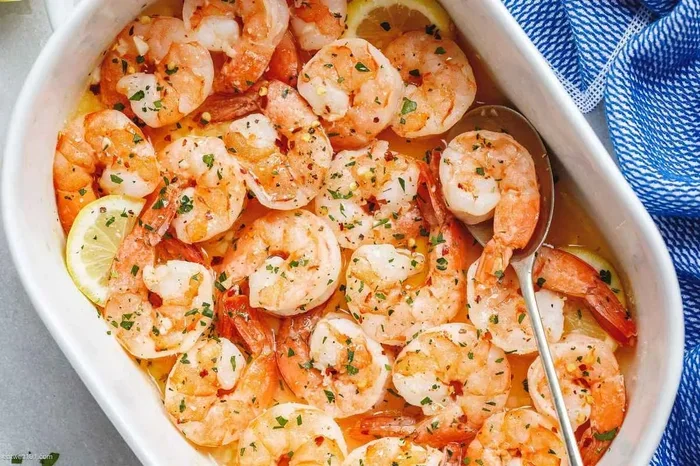
This is a classic for a reason. Melt butter with minced garlic and drizzle it over your shrimp before baking. Add a pinch of salt, black pepper, and a squeeze of lemon juice. The result is rich, savory, and incredibly delicious.
Lemon Herb Shrimp
Combine fresh parsley, dill, oregano, lemon zest, and olive oil. Toss the shrimp in this mixture and spread them on the baking sheet. This creates a light, fresh flavor that works beautifully for summer dinners.
Spicy Cajun Shrimp
For those who love a kick, Cajun seasoning is a fantastic choice. Paprika, cayenne pepper, garlic powder, onion powder, and thyme create a bold, smoky flavor. This seasoning makes frozen shrimp taste like a restaurant-quality dish.
Asian-Inspired Shrimp
Mix soy sauce, sesame oil, ginger, and a touch of honey. Brush this glaze over the shrimp during the last five minutes of baking. Top with sesame seeds and green onions for a restaurant-worthy shrimp recipe.
Step-by-Step Guide to Baking Frozen Shrimp
Follow these simple steps for perfect baked shrimp in oven at 400 every single time. No thawing, no fuss, just great results.
Step 1: Preheat the Oven
Set your oven to 400°F and let it fully preheat. This usually takes about 10 to 15 minutes. Preheating is essential because it ensures the shrimp starts cooking immediately when it hits the hot pan.
Step 2: Prepare the Baking Sheet
Line a baking sheet with parchment paper or lightly grease it with cooking spray. This prevents the shrimp from sticking and makes cleanup a breeze. Do not skip this step — frozen shrimp can stick stubbornly to bare metal.
Step 3: Arrange the Shrimp
Spread the frozen shrimp in a single layer on the baking sheet. Leave space between each piece so hot air can circulate freely. Do not overcrowd the pan. If you have a lot of shrimp, use two baking sheets or work in batches.
Step 4: Season Generously
Toss the shrimp with your chosen seasoning, olive oil, and a pinch of salt. For garlic butter shrimp, drizzle the butter mixture over the top. The seasoning should coat the shrimp lightly but evenly.
Step 5: Bake and Monitor
Place the baking sheet on the middle oven rack. Set a timer for 12 minutes, then start checking. Shrimp cooks fast, and you do not want to overcook it. Look for these signs of doneness:
- The shrimp turns fully pink and opaque.
- The flesh is firm to the touch.
- The shrimp curls into a loose C-shape (not a tight O).
- The internal temperature reaches 120°F to 145°F.
Step 6: Rest and Serve
Remove the baking sheet from the oven and let the shrimp rest for two to three minutes. This allows the juices to redistribute. Serve immediately for the best taste and texture.
Common Mistakes to Avoid When Baking Frozen Shrimp
Even though cooking frozen shrimp in the oven is straightforward, a few common mistakes can ruin the results. Here is what to watch out for.
Overcrowding the Pan
This is the number one mistake people make. When shrimp are too close together, they steam instead of bake. The result is soggy, rubbery texture instead of that beautiful slight crispiness. Give each piece room to breathe.
Skipping the Preheat
Putting shrimp into a cold oven leads to uneven cooking. The outside gets mushy while the inside thaws slowly. Always preheat to 400°F before the shrimp goes in.
Overcooking the Shrimp
Overcooked shrimp becomes tough and rubbery. It is one of the easiest mistakes to make because the window between perfectly done and overdone is very small. Set a timer and check early. When in doubt, pull them out. The residual heat will continue cooking them slightly on the hot pan.
Not Using Parchment Paper
Frozen shrimp sticks to bare baking sheets like glue. Parchment paper or a silicone baking mat solves this problem instantly. It also promotes even browning on the bottom of the shrimp.
Forgetting to Check Internal Temperature
Visual cues are helpful, but a meat thermometer takes the guesswork out completely. Insert it into the thickest part of the shrimp. You are aiming for 120°F to 145°F. Anything above 160°F will be overcooked and dry.
Expert Tips for Perfect Oven-Baked Shrimp Every Time
Want to take your frozen shrimp recipe to the next level? These expert tips make a huge difference.
Use a Wire Rack Over the Baking Sheet
Placing a wire rack on top of your baking sheet allows hot air to circulate underneath the shrimp. This promotes even browning on both sides and prevents the bottom from getting soggy. This is a pro trick that home cooks often overlook.
Add a Light Coating of Oil
A thin layer of olive oil or avocado oil helps the seasoning adhere to the shrimp and promotes browning. Too much oil will make the shrimp greasy, so use just enough to lightly coat each piece.
Butter vs. Olive Oil
Butter adds richness and flavor but burns faster at high temperatures. Olive oil has a higher smoke point and is more forgiving. For garlic butter shrimp, use a mix of both — butter for flavor and a splash of olive oil to prevent burning.
Pair With Easy Sides
Oven-baked shrimp at 400°F pairs wonderfully with many sides. Try serving it with:
- Rice or cauliflower rice
- Roasted vegetables like asparagus or zucchini
- A fresh green salad with vinaigrette
- Crusty bread for soaking up the juices
- Pasta with a light lemon butter sauce
Meal Prep Friendly
Baked frozen shrimp is excellent for meal prep. You can season and bake a large batch, then store it in the refrigerator for up to three days. Reheat gently in the oven at 300°F for about five minutes to maintain texture.
Frequently Asked Questions About Baking Frozen Shrimp
Do I Need to Thaw Frozen Shrimp Before Baking?
No, you do not need to thaw frozen shrimp before baking. In fact, cooking from frozen often produces better results because the outside sears quickly at 400°F while the inside thaws and cooks gently. Thawing first can make the shrimp waterlogged and mushy. Simply pat them dry, season, and bake directly from the freezer.
Can You Bake Frozen Shrimp Without Thawing?
Absolutely. Baking frozen shrimp without thawing is not only possible but recommended by most chefs. The high heat of a 400°F oven handles the thawing and cooking process simultaneously. Just make sure to spread the shrimp in a single layer and give them a little extra time compared to fresh shrimp.
How Can You Tell If Frozen Shrimp Is Cooked?
Cooked shrimp turns opaque pink and firm throughout. The flesh should not be translucent or gray. The shrimp will also curl into a loose C-shape when done. For the most accurate check, use a meat thermometer — the internal temperature should be between 120°F and 145°F. If it is still translucent in the center, give it another two minutes.
What Is the Best Way to Season Frozen Shrimp for Baking?
The best way depends on your taste preference, but simple seasonings always work well. A combination of olive oil, minced garlic, salt, black pepper, and a squeeze of lemon is a foolproof choice. For something bolder, try Cajun seasoning, chili-lime, or an Asian-inspired soy-sesame glaze. Toss the shrimp gently in the seasoning before spreading them on the baking sheet.
Can You Reheat Baked Shrimp?
Yes, you can reheat baked shrimp, but you need to be gentle. The best method is to place the shrimp in a single layer on a baking sheet and warm them in a 300°F oven for about five minutes. Avoid microwaving if possible, as it can make the shrimp rubbery and rubbery. Reheat only what you need, as repeated heating affects texture.
Is It Safe to Cook Frozen Shrimp Directly in the Oven?
Yes, it is completely safe to cook frozen shrimp directly in the oven. The USDA confirms that cooking frozen seafood at the proper internal temperature eliminates harmful bacteria. As long as your oven-baked shrimp reaches an internal temperature of 145°F, it is safe to eat. Always purchase shrimp from reputable sources and check the packaging for any specific handling instructions.
Conclusion
How long to cook frozen shrimp in oven at 400 is a simple question with a straightforward answer: about 15 to 20 minutes. With the right temperature, proper seasoning, and a watchful eye, you can turn a bag of frozen shrimp into a restaurant-quality meal in under half an hour.
Remember the key points. Preheat your oven to 400°F, arrange the shrimp in a single layer, season generously, and check early. Avoid overcrowding, skip the thawing, and always look for that beautiful pink color and firm texture as signs of doneness.
Whether you are making garlic butter shrimp, spicy Cajun shrimp, or a simple lemon herb version, this method delivers consistent, delicious results every time. Baking frozen shrimp is one of the easiest, fastest, and most satisfying ways to prepare seafood at home. So next time you open that freezer bag, you will know exactly what to do. Get cooking, and enjoy every bite.