How To Clean Inside Delonghi Coffee Machine Easily
Cleaning the inside of your Delonghi coffee machine is simple when you follow the right steps. This guide covers descaling, removing coffee buildup, and maintaining every part of your machine. You will learn how to keep your Delonghi brewing great coffee for years.
Your Delonghi coffee machine makes mornings better. But inside that machine, things can get messy fast. Coffee oils build up. Mineral deposits form. And before you know it, your coffee tastes off. That is where this guide comes in.
In this article, you will learn exactly how to clean inside Delonghi coffee machine step by step. We cover everything from the water reservoir to the brew group. You will also discover how often to clean each part and which cleaning solutions work best. By the end, you will feel confident keeping your machine spotless and your coffee tasting fresh every single morning.
Key Takeaways
- Regular descaling prevents mineral buildup and keeps your Delonghi machine running smoothly.
- Cleaning the water reservoir and brew group removes coffee oils and mold before they cause problems.
- Using the right cleaning solution (vinegar, citric acid, or Delonghi cleaner) makes the process effective and safe.
- Deep cleaning every 1-3 months extends the life of your machine and improves coffee taste.
- Reassembling and running rinse cycles ensures no cleaning residue remains in your machine.
- Daily habits like wiping and emptying reduce the need for heavy cleaning sessions.
📑 Table of Contents
- Why Cleaning Inside Your Delonghi Coffee Machine Matters
- What You Will Need to Clean Inside Your Delonghi
- Step-by-Step Guide to Cleaning Inside Your Delonghi Machine
- Common Mistakes to Avoid When Cleaning Your Delonghi
- Tips for Keeping Your Delonghi Machine Clean Longer
- When to Call a Professional for Delonghi Cleaning
- How Clean Inside Delonghi Coffee Machine Benefits Your Daily Coffee
- Conclusion
Why Cleaning Inside Your Delonghi Coffee Machine Matters
Coffee machines are not self-cleaning. They need regular care. When you skip cleaning, old coffee oils turn rancid. Mineral deposits from water clog the system. Mold can grow in dark, damp parts. All of this affects the taste of your coffee. It can even affect your health.
Think about it this way. You would not drink coffee from a dirty cup. Why drink it from a dirty machine? Cleaning your Delonghi machine regularly means better-tasting coffee. It also means fewer repair costs down the road. A well-maintained machine can last for years.
Regular maintenance also prevents bad odors. Nobody wants their kitchen to smell like stale coffee. A clean machine brews hotter and faster too. The benefits go way beyond just taste.
How Often Should You Clean Your Delonghi Machine
Daily cleaning takes just a few minutes. You should empty the drip tray and discard used pods or grounds after every use. Wipe down the outside with a damp cloth. Rinse the water reservoir every few days.
Deep cleaning should happen every one to three months. This depends on how often you use the machine. If you brew coffee daily, aim for once a month. Hard water areas need more frequent cleaning. Signs your machine needs attention include slow brewing, strange noises, or off-tasting coffee.
What You Will Need to Clean Inside Your Delonghi
You do not need fancy equipment. Most of what you need, you already have at home. Here is a simple list of supplies:
- White vinegar or citric acid for descaling
- Warm water for rinsing and soaking
- Mild dish soap for washing removable parts
- Soft microfiber cloth for wiping surfaces
- Soft brush or old toothbrush for scrubbing hard-to-reach areas
- Delonghi cleaning solution (optional but recommended)
- Dry towel or paper towels for drying parts
Avoid using harsh chemicals or abrasive sponges. These can damage the machine. Stick to gentle cleaners and soft materials. Your Delonghi machine will thank you.
Understanding Your Delonghi Coffee Machine Parts
Before you start cleaning, it helps to know the main parts. The water reservoir holds the water you use for brewing. The brew group is where the water mixes with coffee grounds or pods. The drip tray catches any overflow. The steam wand froths milk for cappuccinos and lattes. The pod holder (if applicable) keeps your coffee pods in place. Each part needs different cleaning attention, which we will cover below.
Step-by-Step Guide to Cleaning Inside Your Delonghi Machine
Now let us get into the actual cleaning process. Follow these steps in order for the best results. This guide works for most Delonghi models including the Esam, Magnifica, and PrimaDonna series.
Step 1: Unplug and Disassemble the Machine
Safety first. Always unplug your machine before cleaning. Let it cool down completely if you just finished brewing. Remove the water reservoir and empty any remaining water. Take out the drip tray and discard any liquid or coffee grounds. Remove the pod holder if your machine uses pods. Each of these parts gets cleaned separately.
Take a photo or make a mental note of how everything fits back together. This makes reassembly much easier. Trust me, it helps more than you think.
Step 2: Clean the Water Reservoir
The water reservoir is one of the most important parts to clean. Fill it with warm water and add a few drops of mild dish soap. Use a soft cloth or sponge to wipe the inside walls. Do not use anything abrasive. Rinse thoroughly with clean water several times. Residual soap can affect the taste of your coffee.
For a deeper clean, you can soak the reservoir in a vinegar solution. Mix one part vinegar with two parts warm water. Let it sit for 15 to 20 minutes. Then rinse it clean. This removes any mineral buildup or coffee film that has formed inside.
Step 3: Descale the Machine
Descaling is the process of removing mineral deposits. These deposits come from hard water and build up inside the heating element and tubes. Descaling should be done every one to two months depending on your water hardness.
You can use a commercial descaler, white vinegar, or citric acid. Here is how to do it with vinegar:
- Fill the water reservoir with a 1:1 mixture of white vinegar and water.
- Place a large mug or container under the coffee outlet.
- Run the machine as if you are brewing coffee. Let the vinegar solution flow through.
- Turn the machine off and let the solution sit inside for 15 minutes.
- Turn the machine back on and run the rest of the solution through.
- Repeat with fresh water two to three times to rinse out all vinegar taste.
If you prefer a store-bought option, Delonghi sells its own descaling solution. It works just as well and is designed specifically for these machines. You can also find citric acid powder at most grocery stores. It is a natural and effective alternative.
Some people compare descaling to how they clean other kitchen appliances. For example, just like you might clean oven with dishwasher tablet without scrubbing, descaling your coffee machine uses a solution to break down buildup without heavy scrubbing. The chemical reaction does the hard work for you.
Step 4: Clean the Brew Group
The brew group is the heart of your Delonghi machine. This is where water meets coffee. Over time, coffee oils and fine grounds accumulate here. Cleaning it regularly keeps your coffee tasting fresh.
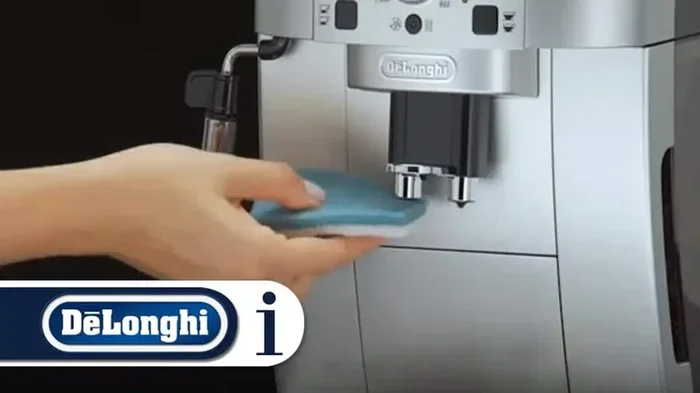
Most Delonghi machines have a removable brew group. Check your user manual for instructions on removing yours. Once removed, rinse it under warm running water. Use a soft brush to gently scrub away any coffee residue. Do not use soap directly on the brew group unless your manual says it is safe. Soap can leave a film that affects coffee flavor.
For machines with a non-removable brew group, run a cleaning cycle using Delonghi cleaning tablets or a vinegar solution. Pour the cleaning solution into the reservoir and run a brew cycle without coffee. This flushes the system and removes buildup from the inside.
Step 5: Clean the Steam Wand
The steam wand gets used frequently and can build up milk residue quickly. After every use, wipe the wand with a damp cloth. For a deeper clean, soak the wand tip in warm soapy water for 10 minutes.
Run steam through the wand for a few seconds after soaking. This pushes out any remaining milk residue. If the wand has stubborn buildup, use a thin needle or pin to clear the steam holes. Be gentle to avoid damaging the tip.
Step 6: Clean the Drip Tray and Pod Holder
These parts are easy to clean. Remove the drip tray and pod holder. Wash them with warm soapy water. Use a soft brush to scrub away dried coffee stains. Rinse thoroughly and dry completely before putting them back.
If you find tough stains, make a paste of baking soda and water. Apply it to the stains and let it sit for 10 minutes. Then scrub gently and rinse. This works wonders on stubborn coffee marks.
Some tough residue inside machines can be tricky to remove. Just like how you might deal with melted plastic in an oven by applying gentle heat and patience, some coffee buildup requires soaking and repeated rinsing. Do not rush this step. Thorough cleaning now saves you headaches later.
Common Mistakes to Avoid When Cleaning Your Delonghi
Even with the best intentions, people make mistakes when cleaning coffee machines. Here are some common errors to avoid:
- Using bleach or harsh chemicals. These can damage internal parts and leave harmful residues in your coffee.
- Skipping the rinse cycles. After descaling, always run several rinse cycles. Vinegar or citric acid taste can linger and ruin your coffee.
- Not cleaning frequently enough. Monthly descaling is the minimum. If you have hard water, clean more often.
- Using abrasive scrubbers. Steel wool or rough pads can scratch surfaces and create places for bacteria to grow.
- Forgetting to dry parts before reassembly. Moisture left inside can promote mold growth and affect coffee quality.
- Ignoring the user manual. Different Delonghi models have different cleaning requirements. Always check your manual first.
Avoiding these mistakes keeps your machine in great shape. It also ensures your coffee tastes great every time you brew.
Tips for Keeping Your Delonghi Machine Clean Longer
Cleaning is easier when it becomes a habit. Here are some simple tips to make maintenance part of your routine:
- Empty the drip tray every day. This prevents bacteria and odor buildup.
- Wipe the steam wand after every use. This takes only seconds and prevents milk from hardening.
- Use filtered water in the reservoir. This reduces mineral deposits and extends the time between descaling sessions.
- Run a rinse cycle weekly. Even without cleaning solution, running plain water through the machine flushes out coffee oils.
- Store removable parts properly. Let them dry completely before putting them back in. Store them in a clean, dry place.
These small habits add up over time. Your machine stays cleaner longer, and you spend less time on heavy cleaning sessions. Think of it as a daily investment in better coffee and a longer machine life.
Just like how you maintain other kitchen appliances, your coffee machine deserves regular attention. Whether you are learning how to clean an Oster toaster oven or descaling your Delonghi, the principle is the same. Regular cleaning prevents buildup and keeps everything running smoothly.
When to Call a Professional for Delonghi Cleaning
Most cleaning tasks you can do yourself at home. But sometimes, professional help is the right call. If your machine still has issues after a thorough cleaning, it may need professional service. Signs that you need expert help include persistent error codes, leaks, or unusual noises during brewing.
Delonghi also offers authorized service centers. These technicians have access to genuine parts and specialized cleaning tools. If your machine is under warranty, check with Delonghi before attempting any internal repairs. Professional cleaning services can also perform deep maintenance that goes beyond what you can do at home.
How Clean Inside Delonghi Coffee Machine Benefits Your Daily Coffee
A clean machine makes better coffee. This is not just a feeling. Science backs it up. Old coffee oils and mineral deposits can alter the extraction process. This changes the flavor profile of your coffee. A clean machine extracts coffee more evenly and at the right temperature.
You will notice the difference immediately. Your coffee will taste fresher and cleaner. The aroma will be more vibrant. The crema on espresso drinks will look richer and more consistent. These are the small things that make your morning coffee experience so much better.
Beyond taste, a clean machine is safer. Mold and bacteria thrive in damp coffee environments. Regular cleaning eliminates these health risks. You can enjoy your daily coffee with peace of mind knowing your machine is hygienic and well-maintained.
Conclusion
Learning how to clean inside Delonghi coffee machine is easier than you think. With regular maintenance and occasional deep cleaning, your machine will keep producing excellent coffee for years. Follow the steps in this guide. Avoid common mistakes. Make cleaning a simple part of your routine. Your Delonghi machine will reward you with delicious coffee every single morning.
Start today. Your future self and your morning coffee will thank you.
Frequently Asked Questions
How often should I descale my Delonghi coffee machine?
You should descale your Delonghi machine every one to two months. If you use hard water or brew coffee daily, aim for once a month. Signs you need to descale include slow brewing and a white residue near the water outlet. Regular descaling keeps your machine running efficiently and your coffee tasting great.
Can I use vinegar to clean my Delonghi coffee machine?
Yes, white vinegar is a safe and effective cleaning option for Delonghi machines. Mix it with equal parts water and run it through the brewing cycle. Always follow vinegar cycles with two to three plain water cycles to rinse out any remaining taste. Vinegar is a natural descaler that breaks down mineral deposits without harming your machine.
What is the best cleaning solution for a Delonghi coffee machine?
Delonghi sells its own branded cleaning and descaling solution, which is designed specifically for their machines. Citric acid powder is also an excellent natural alternative. White vinegar works well for most users too. Avoid using bleach or harsh chemical cleaners as these can damage internal components and affect coffee taste.
Can I put removable parts of my Delonghi machine in the dishwasher?
Check your user manual first, but most removable parts like the drip tray and pod holder are dishwasher safe. The brew group and water reservoir should be hand-washed with mild soap. Always dry parts thoroughly before reassembling them. Hand washing gives you more control and helps extend the life of the parts.
Why does my Delonghi coffee machine taste bad even after cleaning?
This could mean you need a deeper clean or more rinse cycles after descaling. Old coffee oils can build up in the brew group and tubes. Make sure you are cleaning every removable part thoroughly. If the taste persists, run several plain water cycles through the machine to flush out any remaining cleaning solution or mineral deposits.
Is it safe to use citric acid instead of vinegar to descale my Delonghi?
Yes, citric acid is a safe and effective alternative to vinegar for descaling Delonghi machines. Mix one tablespoon of citric acid powder with one cup of warm water and run it through the machine. Citric acid is natural, odorless, and leaves no lingering taste. Many coffee enthusiasts prefer it because it does not have the strong smell that vinegar has.