Baked Sweet Potatoes in Oven for Perfect Results Every Time
Baking sweet potatoes in oven is one of the simplest ways to get restaurant-quality results at home. This guide walks you through everything from choosing the right potatoes to perfect timing and temperature settings. You will learn proven methods that guarantee fluffy, caramelized sweet potatoes with crispy skin every time. Whether you are a beginner or a seasoned cook, these tips will transform your oven-baked sweet potatoes from good to outstanding.
There is something deeply satisfying about pulling a tray of baked sweet potatoes in oven out of the heat. The kitchen fills with a warm, caramelized sweetness that makes the whole house smell incredible. Whether you are meal prepping for the week or cooking a simple side dish for dinner, oven-baked sweet potatoes never let you down.
Many people think baking sweet potatoes is complicated. They worry about timing, temperature, or ending up with a hard, undercooked center. The truth is, baking sweet potatoes in oven is one of the easiest cooking methods you will ever use. With the right approach, you get perfectly fluffy flesh and crispy skin with almost no effort. This guide covers everything you need to know to nail it every single time.
We will walk through each step in detail. From selecting the best potatoes at the store to choosing the right oven temperature for sweet potatoes, you will have all the information you need. By the end, you will wonder why you ever relied on the microwave. Let us get started.
Key Takeaways
- Choose the right size: Medium sweet potatoes (5-6 ounces) bake evenly and are easier to handle.
- Preheat your oven to 400°F: This temperature creates the perfect balance of crispy skin and fluffy flesh.
- Prick the skin before baking: This prevents explosions and allows steam to escape for even cooking.
- Bake for 45-60 minutes: Timing depends on size, but the fork-tender test is your best guide.
- Skip the foil for crispy skin: Foil traps moisture and prevents caramelization.
- Let them rest for 5 minutes: This helps the interior set and makes them easier to handle.
- Toppings matter: Butter, cinnamon, and a pinch of salt elevate baked sweet potatoes dramatically.
📑 Table of Contents
- Why Baked Sweet Potatoes Are a Kitchen Staple
- Choosing the Right Sweet Potatoes for Baking
- The Complete Guide to Baking Sweet Potatoes in Oven
- Common Mistakes That Ruin Baked Sweet Potatoes
- Delicious Toppings and Serving Ideas
- Expert Tips for Perfect Baked Sweet Potatoes
- Frequently Asked Questions
- Final Thoughts
Why Baked Sweet Potatoes Are a Kitchen Staple
Sweet potatoes in oven are more than just a side dish. They are a complete meal base, a healthy snack, and a versatile ingredient all in one. People around the world have been baking sweet potatoes for centuries because the method works so well. The dry heat of an oven transforms a humble root vegetable into something truly delicious.
One of the biggest reasons baked sweet potatoes in oven remain so popular is their nutritional profile. A single sweet potato packed with fiber, vitamin A, and natural sweetness makes it a smart choice for any meal. Unlike frying or boiling, baking preserves most of the nutrients. You get a healthy side dish that also happens to taste amazing.
Another reason people love oven-baked sweet potatoes is convenience. You do not need to watch a pot on the stove. You simply place them in the oven and let the heat do the work. This makes baked sweet potatoes ideal for busy weeknights, Sunday meal prep, or relaxed weekend cooking.
Sweet Potato vs Regular Potato: What is the Difference?
It helps to understand what makes sweet potatoes different from regular baked potatoes. Sweet potatoes have a higher moisture content and more natural sugars. This means they caramelize faster in the oven and develop a sweeter flavor. The flesh of a sweet potato is also denser and creamier than a white potato.
When you bake a regular potato, you usually want a fluffy, starch-heavy result. With baked sweet potatoes in oven, the goal is similar but with added sweetness and a slightly denser texture. Understanding this difference helps you adjust your approach. For example, sweet potatoes often need slightly less time than russet potatoes at the same temperature.
The Health Benefits of Baking Sweet Potatoes
Baking sweet potatoes is one of the healthiest ways to prepare them. The oven uses dry heat, which does not require added fats or oils. This keeps the calorie count low while preserving the natural goodness of the potato. Sweet potato nutrition includes high levels of beta-carotene, which your body converts to vitamin A.
Many people ask, are oven-baked sweet potatoes actually healthy? The answer is a clear yes. They are naturally low in fat, rich in complex carbohydrates, and packed with antioxidants. Baking enhances the bioavailability of certain nutrients, making them even more beneficial than raw. A plain baked sweet potato can be a complete, balanced side dish on its own.
Choosing the Right Sweet Potatoes for Baking
Not all sweet potatoes are created equal. The variety you choose and how you select them at the store can make a big difference in your final result. When it comes to baked sweet potatoes in oven, starting with the right potato sets you up for success.
Best Sweet Potato Varieties for Baking
There are many sweet potato varieties available, but not all of them bake the same way. The most common type found in grocery stores is the orange-fleshed variety. These have a moist, fluffy texture and a rich, sweet flavor that bakes beautifully. They are the go-to choice for most oven-baked sweet potato recipes.
Another option is the Japanese purple sweet potato. These have a denser, drier flesh and a subtle nutty sweetness. They roast wonderfully in the oven and look stunning on the plate. White-fleshed sweet potatoes also exist and bake well, though they are less sweet. For beginners, stick with the classic orange variety for the most reliable results.
What to Look for When Buying
When shopping for sweet potatoes for baking, look for firm, smooth skin without any soft spots or cracks. The potato should feel heavy for its size, which indicates good moisture content. Avoid any with visible sprouts or dark bruises, as these can affect the flavor and texture.
Size matters more than many people realize. For even oven-baked sweet potatoes, choose medium-sized potatoes that are roughly 5 to 6 ounces each. Very large sweet potatoes can cook unevenly, with the outside burning before the inside is done. If you buy a mix of sizes, plan to bake them in separate batches.
How to Store Sweet Potatoes Before Baking
Proper storage keeps your sweet potatoes fresh until you are ready to bake. Store them in a cool, dark, and dry place. A pantry or cupboard works perfectly. Do not refrigerate them, as cold temperatures can change the starch structure and make the flesh hard even after baking.
Most sweet potatoes will stay fresh for one to two weeks when stored correctly. If you buy them in bulk for meal prep sweet potatoes, consider baking them all at once and storing the cooked potatoes in the fridge for up to five days. Reheating baked sweet potatoes is easy and works well in the oven or microwave.
The Complete Guide to Baking Sweet Potatoes in Oven
Now let us get into the heart of the matter. Baking sweet potatoes in oven follows a simple process, but the details make all the difference. Follow these steps closely and you will achieve perfect results every time.
Step 1: Preheat Your Oven
Start by preheating your oven to 400°F (200°C). This is the ideal oven temperature for sweet potatoes because it strikes the perfect balance. The high heat crisps the skin while gently cooking the interior to a fluffy, tender consistency. Preheating is essential. Putting potatoes into a cold oven leads to uneven cooking and longer bake times.
While the oven heats up, take this opportunity to prepare your potatoes. A hot oven from the start ensures consistent results across every potato on the tray. This small step separates mediocre baked sweet potatoes from truly outstanding ones.
Step 2: Wash and Dry the Potatoes
Rinse each sweet potato under cool running water. Use a vegetable brush to gently scrub away any dirt from the skin. Even if you plan to peel the potatoes later, washing them first removes bacteria and debris from the surface.
After washing, dry the potatoes thoroughly with a clean towel. Moisture on the surface can create steam during baking, which prevents the skin from crisping up. Dry skin is the secret to getting that satisfying crispy sweet potato skin everyone loves. This step takes just a minute but makes a noticeable difference.
Step 3: Prick the Skin with a Fork
Take a fork and poke several holes into each sweet potato. This is one of the most important steps people skip. Pricking the skin allows steam to escape during baking. Without these holes, steam builds up inside the potato and can cause it to burst in your oven.
Use a regular dinner fork and press firmly into the potato all around. Aim for about four to six holes per potato. This step also helps the heat penetrate more evenly, resulting in a more consistent baked sweet potato from edge to center. Do not skip this simple but crucial step.
Step 4: Oil and Season the Skin
Lightly rub each sweet potato with a thin coat of olive oil or avocado oil. Use just enough to barely coat the surface. The oil helps the skin crisp up and turn golden brown during baking. It also helps the salt adhere to the surface for better flavor.
After oiling, sprinkle a small amount of kosher salt over each potato. This simple seasoning enhances the natural sweetness of the sweet potato flesh. You can also add a pinch of black pepper or smoked paprika at this stage for extra flavor. Keep the seasoning light on the skin since the potato itself will be seasoned later.
Step 5: Place Potatoes on a Baking Sheet
Line a baking sheet with parchment paper or a silicone mat for easy cleanup. Arrange the potatoes in a single layer with space between each one. Air needs to circulate around every potato for even oven-baked sweet potato results. Overcrowding the pan leads to steaming instead of baking, which gives you soft, pale skin instead of crispy, caramelized edges.
If you are baking many potatoes, use multiple baking sheets or a large roasting pan. The extra space ensures each baked sweet potato in oven gets the direct heat it needs. For even better results, place the potatoes directly on the oven rack. This allows heat to flow from all sides and produces the crispiest skin possible.
Step 6: Bake at 400°F for 45 to 60 Minutes
Place the baking sheet in the center of the preheated oven. Set your timer for 45 minutes. Most medium-sized sweet potatoes will be done within this time frame. However, larger potatoes may need up to 60 minutes or even slightly longer.
The best way to check doneness is the fork-tender test. Gently squeeze the sides of the potato. If it gives slightly, insert a fork into the center. The fork should slide in with almost no resistance. If you feel any hard spots, return the potato to the oven for an additional five to ten minutes.
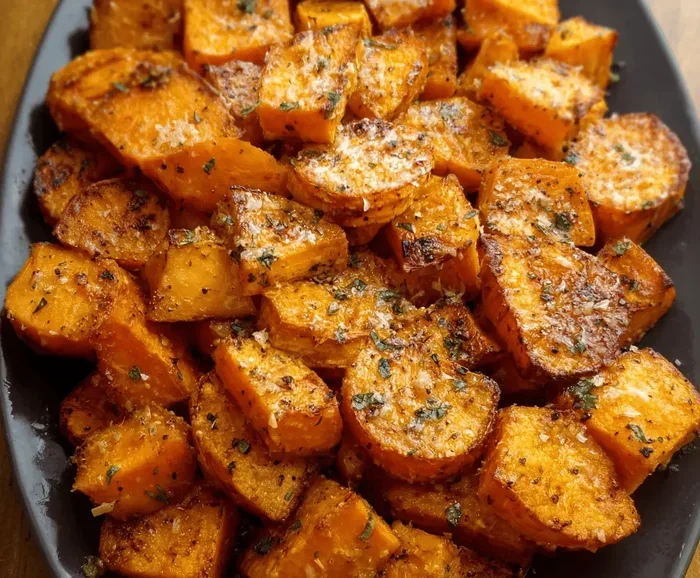
You will notice the skin has turned golden brown and slightly wrinkled. The edges may have caramelized, which adds a wonderful depth of flavor to baked sweet potatoes in oven. The aroma filling your kitchen at this stage is absolutely irresistible.
Step 7: Let Them Rest Before Serving
Once baked, remove the potatoes from the oven and let them rest for about five minutes. This resting period allows the internal temperature to even out and the flesh to set slightly. It also makes the potatoes easier to handle and slice open.
Place the potatoes on a plate or cutting board. Use a clean kitchen towel to hold them if they are still hot. After resting, slice a cross into the top of each potato and press the ends inward. The flesh will fluff up beautifully, creating the perfect bowl for your favorite sweet potato toppings.
Common Mistakes That Ruin Baked Sweet Potatoes
Even a simple recipe can go wrong if you make avoidable mistakes. Learning what not to do is just as important as learning the right steps. Here are the most common errors people make when baking sweet potatoes in oven.
Using the Wrong Oven Temperature
Some recipes call for baking sweet potatoes at 350°F. While this works, 400°F is the sweet spot for oven-baked sweet potatoes. Lower temperatures can result in unevenly cooked potatoes with soft skin and a slightly gummy center. The higher heat at 400°F creates that perfect contrast between crispy skin and fluffy, caramelized flesh.
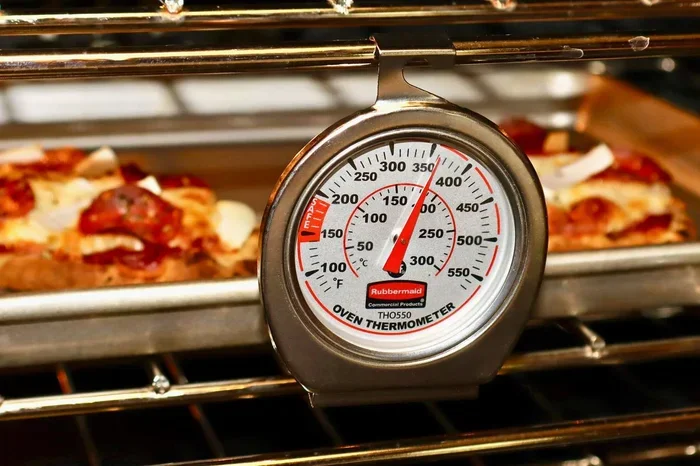
On the other hand, temperatures above 425°F can burn the skin before the interior is fully cooked. Stick with 400°F for the most reliable results. If your oven runs hot, use an oven thermometer to verify the actual temperature inside.
Wrapping in Foil
You will find plenty of old recipes that recommend wrapping sweet potatoes in aluminum foil before baking. While this method does cook the potato, it comes with significant drawbacks. Foil traps moisture against the skin, which prevents caramelization and gives you steamed, pale skin instead of crispy, golden baked sweet potato skin.
The inside of a foil-wrapped potato can also become slightly soggy. If you love the texture of a perfectly crisp skin, skip the foil entirely. Place your oiled sweet potatoes directly on the baking sheet or oven rack for the best results. The trade-off is worth it every time.
Overcrowding the Baking Sheet
It is tempting to fit as many potatoes as possible on one sheet to save time. However, overcrowding is one of the fastest ways to ruin baked sweet potatoes in oven. When potatoes are too close together, they steam instead of roast. This leads to uneven cooking and soft, limp skin.
Give each potato at least two inches of space on all sides. If your baking sheet is not large enough, use a second sheet or bake in multiple batches. The extra time spent is well worth the dramatically better results. Your oven-baked sweet potatoes will thank you for the space.
Ignoring Size Differences
Baking potatoes of different sizes together almost always leads to problems. The smaller ones will be overcooked and mushy while the larger ones may still be underdone in the center. Always try to select sweet potatoes that are roughly the same size for even baking sweet potatoes in oven results.
If you must mix sizes, place the larger potatoes toward the back of the oven where the heat is often more intense. You can also start the larger potatoes five to ten minutes before adding the smaller ones to the pan. A little planning goes a long way with sweet potato recipes like this.
Delicious Toppings and Serving Ideas
The beauty of baked sweet potatoes in oven lies in their versatility. A plain baked sweet potato is wonderful on its own, but the right toppings can turn it into a complete, satisfying meal. Here are some of the best ways to serve your perfectly baked sweet potatoes.
Classic Toppings
The simplest and most timeless combination is butter, a sprinkle of cinnamon, and a dash of brown sugar. Crack open the hot potato, add a pat of butter, and let it melt into the fluffy flesh. The cinnamon brings out the natural sweetness of the sweet potato flesh in the most delightful way.
For a savory twist, try a drizzle of extra virgin olive oil, a pinch of flaky sea salt, and a squeeze of fresh lime juice. This combination works beautifully with roasted sweet potatoes and adds a bright, zesty contrast to the rich, sweet potato flavor. Fresh herbs like rosemary or thyme also make excellent savory toppings.
Protein-Packed Additions
If you want to turn your baked sweet potatoes into a full meal, add a source of protein. Black beans, shredded chicken, or grilled salmon all pair wonderfully with sweet potato. A dollop of Greek yogurt or a scoop of cottage cheese adds creaminess and extra protein.
For a vegetarian option, try topping your oven-baked sweet potato with a fried egg and a sprinkle of cheese. The runny yolk mixes with the sweet potato flesh to create a rich, satisfying dish. These protein additions make sweet potatoes a complete, balanced meal that will keep you full for hours.
Meal Prep and Leftover Ideas
Meal prep sweet potatoes are a game-changer for busy weeks. Bake a large batch of sweet potatoes on Sunday and store them in the refrigerator for quick meals throughout the week. They reheat well in the oven or microwave and can be used in salads, bowls, and wraps.
Leftover baked sweet potatoes in oven can be mashed with a fork and mixed into soups or stews. They also work wonderfully in sweet potato recipes like hash, quesadillas, or even brownies. The possibilities are endless, making baked sweet potatoes one of the most versatile ingredients in your kitchen.
Expert Tips for Perfect Baked Sweet Potatoes
Now that you know the fundamentals, let us take your oven-baked sweet potatoes to the next level. These expert tips come from years of testing and refining the baked sweet potatoes in oven method.
Soak the Potatoes Before Baking
Soaking your sweet potatoes in salted water for 30 minutes before baking draws out excess starch from the surface. This simple step helps achieve an even crispier skin. After soaking, pat the potatoes completely dry before oiling and seasoning them.
Double Bake for Extra Crispiness
For the crispiest skin possible, try the double bake method. After the first bake at 400°F for 45 minutes, remove the potatoes and increase the oven temperature to 425°F. Return the potatoes for an additional 10 to 15 minutes. This second blast of high heat caramelizes the sugars in the skin and creates an incredibly crispy exterior.
Use a Meat Thermometer for Precision
If you want to be absolutely certain your sweet potatoes are perfectly done, use a meat thermometer. Insert it into the thickest part of the potato. The internal temperature should read 205°F to 210°F. This is the ideal temperature for fluffy, perfectly cooked baked sweet potatoes in oven. It removes all guesswork and guarantees consistent results every time.
Experiment with Different Oils
Not all oils are created equal when it comes to baking sweet potatoes. Coconut oil creates the crispiest skin and adds a subtle tropical flavor. Avocado oil has a high smoke point and a neutral taste, making it a versatile option. Olive oil is the most common choice and works beautifully for most sweet potato recipes.
Frequently Asked Questions
How long does it take to bake a sweet potato in the oven?
At 400°F, most medium-sized sweet potatoes take between 45 and 60 minutes to bake fully. Larger potatoes may need up to 75 minutes. The best way to check is the fork-tender test. If a fork slides in easily with no resistance, your baked sweet potatoes in oven are ready to enjoy.
Should I wrap sweet potatoes in foil before baking?
No, skipping the foil is recommended for the best results. Foil traps moisture and prevents the skin from crisping up. Without foil, your oven-baked sweet potatoes develop a beautifully caramelized, crispy skin with fluffy, tender flesh inside. The texture difference is well worth the extra few minutes of cleanup.
Can I bake sweet potatoes at 350°F instead of 400°F?
Yes, you can bake at 350°F, but the results will be slightly different. The lower temperature takes longer and produces less crispy skin. For the best balance of fluffy interior and crispy exterior, 400°F is the recommended oven temperature for sweet potatoes. It gives you the most flavorful and texturally satisfying outcome.
How do I know when a sweet potato is done baking?
The fork-tender test is the most reliable method. Squeeze the sides of the potato gently, then insert a fork into the center. It should slide in with no resistance. You can also check for a slight give when you press the skin. The potato should feel soft and hot all the way through for perfectly baked sweet potatoes.
Can I meal prep baked sweet potatoes ahead of time?
Absolutely. Meal prep sweet potatoes are one of the best time-saving strategies for the week. Bake a batch on Sunday, let them cool, and store them in an airtight container in the refrigerator. They keep for up to five days. Reheat in the oven at 350°F for about 10 minutes to restore the crispy skin.
What are the best toppings for baked sweet potatoes?
The best toppings depend on your taste preferences. Classic sweet options include butter, cinnamon, and brown sugar. Savory favorites include black beans, cheese, and a fried egg. For a healthy option, try Greek yogurt, chopped nuts, and a drizzle of honey. Sweet potato recipes with these toppings turn a simple side dish into a memorable meal.
Final Thoughts
Baked sweet potatoes in oven are one of the most rewarding and simple dishes you can make. With the right temperature, timing, and a few smart techniques, you can achieve results that rival any restaurant. The key is to be patient, let the oven do the work, and enjoy the process.
Remember to choose medium-sized sweet potatoes, preheat to 400°F, and always prick the skin before baking. Skip the foil for crispy skin, give them enough space on the pan, and use the fork-tender test to check doneness. These small details make a huge difference in the final result.
Once you master the basic baked sweet potatoes in oven method, you can experiment with different varieties, seasonings, and toppings. The versatility of this humble vegetable is truly remarkable. Whether you are cooking for one or feeding a crowd, oven-baked sweet potatoes always deliver comfort, nutrition, and incredible flavor.
So next time you are looking for a healthy, delicious, and easy side dish, skip the microwave and let your oven work its magic. Pull up a chair, preheat to 400°F, and enjoy the wonderful process of baking sweet potatoes in oven. You will not be disappointed.