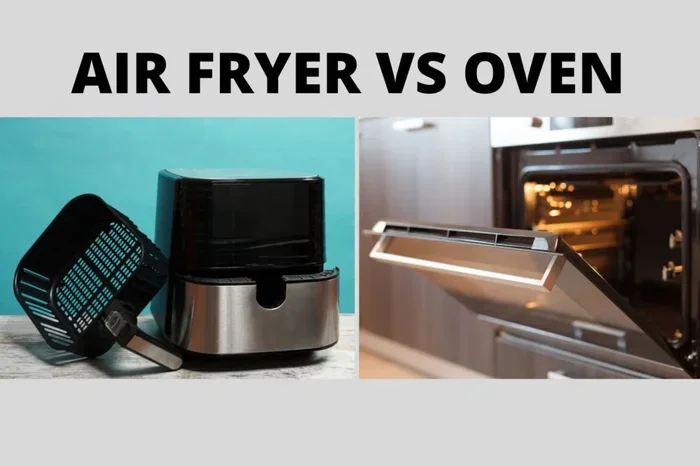
How Does an Air Fryer Differ From a Traditional Oven
An air fryer uses rapid hot air to cook food, while a traditional oven relies on larger heating elements and slower heat distribution. The air fryer vs oven debate comes down to speed, energy use, and cooking results. You will learn the key differences in cooking time, capacity, texture, and efficiency so you can pick the right appliance for your kitchen.
You have probably stood in the kitchen wondering which appliance to use. The air fryer vs oven question comes up more often than ever. People want faster meals, healthier food, and better results without spending hours in the kitchen.
The truth is, these two appliances work very differently. A traditional oven uses large heating elements to warm up a big cavity. An air fryer uses a small space and a powerful fan to push hot air around your food. The difference in design changes everything about how your food cooks, tastes, and looks.
In this guide, we will break down every major difference. You will learn about cooking speed, energy use, food texture, and capacity. By the end, you will know exactly which appliance fits your cooking style best.
Key Takeaways
- Air fryers cook faster: They use concentrated hot air to cut cooking time by up to 20-30% compared to a traditional oven.
- Energy efficiency matters: Air fryers use significantly less electricity because they heat up quickly and cook food faster.
- Crispy results without excess oil: The rapid air technology creates crispy textures using little to no added fat.
- Capacity differs greatly: Traditional ovens handle larger meals, while air fryers work best for smaller portions or batches.
- Temperature control varies: Air fryers offer precise, quick adjustments, while ovens provide broader, more even heat for longer cooks.
- Both have a place in your kitchen: Understanding their strengths helps you choose the right tool for each meal.
📑 Table of Contents
How Does an Air Fryer Work?
An air fryer is a compact countertop appliance. It uses a heating element and a high-speed fan to circulate hot air around food. This process is called convection cooking. The hot air moves rapidly, creating a crispy outer layer on your food while keeping the inside moist.
The Rapid Air Technology
The magic of an air fryer lies in its fan. The fan sits above the food basket and pushes hot air down and around the food at high speed. This creates a frying-like effect without submerging food in oil. You get that satisfying crunch using just a thin coating of oil, or sometimes none at all.
Most air fryers reach cooking temperature in under three minutes. This fast preheating is a huge advantage over a full-size oven. When you are hungry and want a quick snack, this speed makes a big difference.
What Can You Cook in an Air Fryer?
The versatility of an air fryer surprises many people. Here are popular things you can make:
- French fries and potato wedges with minimal oil
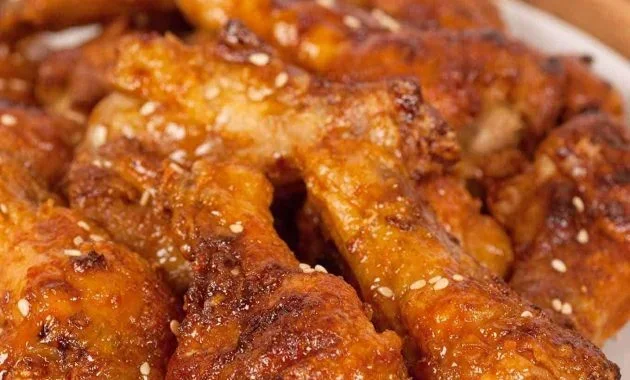
- Chicken wings and drumsticks with crispy skin
- Roasted vegetables like broccoli, Brussels sprouts, and carrots
- Baked goods such as muffins, small cakes, and bread rolls
- Reheated leftovers that taste crispy and fresh again
- Fish fillets and salmon with a golden crust
The even cooking feature of air fryers means you do not need to flip or shake food as often. The circulating air reaches all sides of the basket, which helps food cook uniformly.
How Does a Traditional Oven Work?
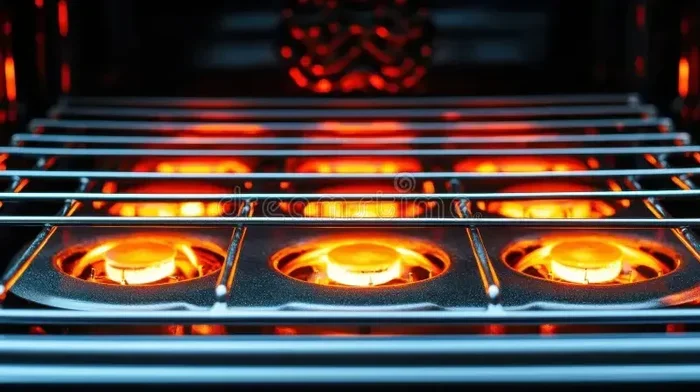
A traditional oven is a staple in most kitchens. It uses heating elements, usually at the top and bottom, to warm a large enclosed cavity. The heat radiates and circulates naturally through the oven space. This method works well for a wide range of cooking tasks.
Heat Distribution and Cooking Style
Traditional ovens rely on conduction and natural convection. The heating elements warm the air inside the oven, and the hot air rises while cooler air sinks. This creates a natural circulation pattern. However, the heat distribution is not as focused as in an air fryer.
Because of the larger cavity, traditional ovens take longer to preheat. A typical oven needs 10 to 15 minutes to reach the target temperature. This waiting period adds to overall cooking time.
What Can You Cook in a Traditional Oven?
The traditional oven excels at large-scale cooking. Here are common uses:
- Whole roasted chicken or large cuts of meat
- Multiple dishes at once using different racks
- Large casseroles and baked pasta dishes
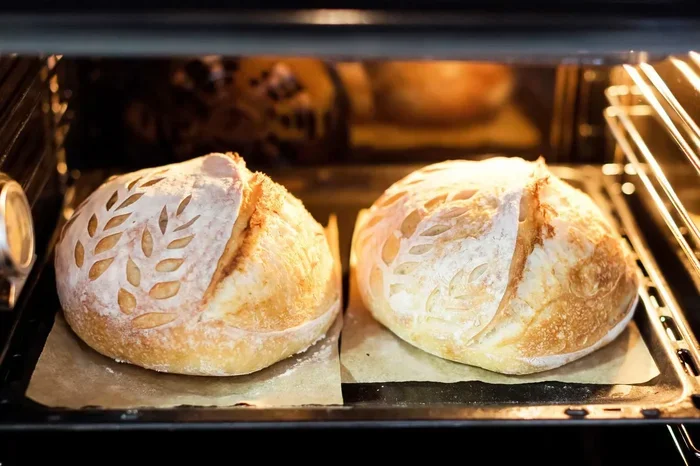
- Bread baking with consistent, even heat over long periods
- Pizza with a crispy bottom from the hot floor
- Sheet pan dinners that serve the whole family
The cooking capacity of a traditional oven is its biggest strength. You can prepare large meals that simply would not fit inside an air fryer basket.
Cooking Speed and Time Comparison
This is where the air fryer vs oven debate gets really interesting. Speed is one of the biggest reasons people choose an air fryer over a traditional oven.
Why Air Fryers Cook Faster
An air fryer cooks food faster for two main reasons. First, the fan pushes hot air directly onto the food at high speed. Second, the small cooking chamber means the heat reaches the food almost instantly. There is no large empty space to warm up first.
Here is a simple comparison:
- French fries: Air fryer takes about 15 minutes. A traditional oven takes 25 to 30 minutes.
- Chicken breast: Air fryer cooks in 12 to 15 minutes. A traditional oven needs 20 to 25 minutes.
- Reheating pizza: Air fryer takes 3 to 4 minutes. A traditional oven needs 8 to 10 minutes.
The reduced cooking time is not just convenient. It also means less energy used overall, which brings us to the next point.
Energy Efficiency and Cost
An air fryer uses less electricity than a traditional oven. The smaller wattage, combined with shorter cooking times, means lower energy bills. A typical air fryer uses 1,200 to 1,800 watts, while a full-size oven uses 2,000 to 5,000 watts.
If you are cooking a single portion or a small meal, the air fryer is clearly more efficient. Heating a large oven for a few chicken wings wastes energy. The compact design of an air fryer makes it the smarter choice for everyday small meals.
Food Texture and Cooking Results
The way food looks and tastes differs between these two appliances. Understanding these differences helps you set the right expectations.
Crispiness and Browning
Air fryers excel at creating crispy, browned food. The rapid air circulation removes moisture from the surface quickly. This leads to a crispy exterior that resembles deep-fried food. The crispy food results from an air fryer are hard to replicate in a traditional oven.
However, a traditional oven can still produce excellent browning. The difference is that oven browning tends to be more even across the surface. Air fryers can sometimes brown one side more quickly, especially if you do not shake the basket halfway through.
Moisture Retention
Air fryers can dry out food if you cook too long. The powerful fan and high-speed air can remove moisture faster than expected. This is why following cooking time guidelines is so important.
A traditional oven retains moisture better for certain foods. Large cuts of meat, for example, benefit from the slower, gentler heat of an oven. The enclosed space traps steam, which keeps roasts juicy.
Quick Tip: To get the best results from your air fryer, do not overcrowd the basket. Leave space between pieces so air can flow freely. A single layer of food gives you the crispiest outcome every time.
Capacity and Size Differences
The size difference between an air fryer and a traditional oven is obvious. But what does it mean for your daily cooking?
Air Fryer Capacity
Most air fryers have a basket that holds 2 to 6 quarts. This is enough for 2 to 4 servings. A family of six will likely need to cook in batches. The compact footprint of an air fryer makes it easy to store, even in small kitchens.
Oven Capacity
A traditional oven offers 30 to 70 liters of space. This allows you to cook large meals without worrying about fitting everything inside. You can use multiple trays and racks at the same time. The large cooking space makes ovens ideal for holiday meals, big gatherings, and batch cooking.
Which Size Is Right for You?
Consider your household size and cooking habits. If you live alone or cook for two, an air fryer handles most meals perfectly. If you regularly cook for a family of four or more, a traditional oven remains essential for larger recipes.
Ease of Use and Cleaning
Both appliances are relatively easy to use, but they differ in convenience.
Setup and Operation
Air fryers are simple to operate. You load the basket, set the temperature and time, and press start. Many models have preset buttons for common foods like fries, chicken, and fish. The digital controls on modern air fryers make cooking straightforward for beginners.
Traditional ovens require preheating, which adds time. You also need to monitor dishes more closely because of the larger space. However, ovens offer more flexibility for complex recipes that require precise temperature control over long periods.
Cleaning and Maintenance
Cleaning an air fryer is quick and easy. Most baskets and trays are dishwasher safe. The small interior wipes clean in seconds. There is no grease buildup on oven walls or racks to deal with.
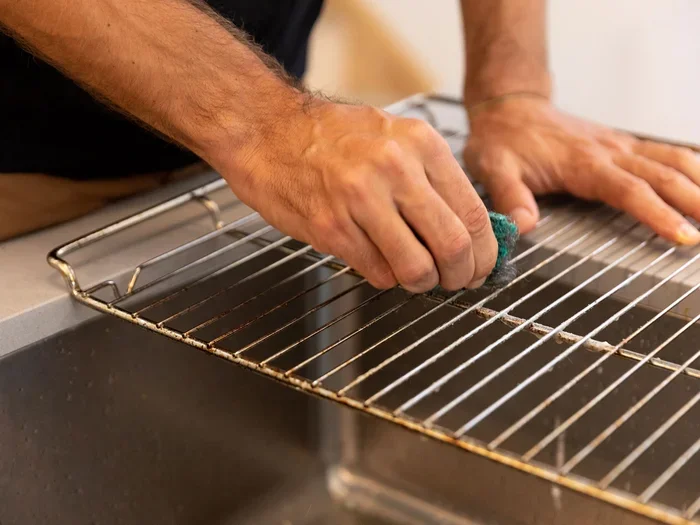
Cleaning a traditional oven takes more effort. Grease and food splatter can build up on the walls. The oven racks need soaking and scrubbing. Self-cleaning ovens help, but the process takes time and uses high heat.
Expert Insight: Many home cooks find that owning both an air fryer and a traditional oven gives them the best of both worlds. Use the air fryer for quick meals and crispy snacks. Use the oven for large roasts, baking, and batch cooking. This combination covers nearly every cooking need.
Health and Cooking Oil Comparison
Health-conscious cooks often choose an air fryer for a specific reason. The oil-free cooking capability is a major draw.
Oil Usage in Air Fryers
An air fryer uses 70 to 80% less oil than deep frying. You can achieve crispy textures with just a light spray of oil or a tablespoon of olive oil. This makes air-fried food significantly lower in fat and calories compared to deep-fried alternatives.
Oil Usage in Traditional Ovens
Traditional ovens also require little oil for roasting and baking. However, they do not create the same crispy texture without more fat. People often use more oil in an oven to prevent food from drying out or sticking to pans.
For those looking to eat healthier without giving up crunch and flavor, the air fryer is the clear winner. You get the taste and texture of fried food with a fraction of the calories from added fat.
Which Appliance Should You Choose?
The right choice depends on your lifestyle, kitchen space, and cooking habits. Here is a quick guide to help you decide.
Choose an Air Fryer If:
- You cook for one or two people most days
- You want fast meals with minimal wait time
- You love crispy food without deep frying
- You have limited counter or storage space
- You want to save on energy costs for small meals
Choose a Traditional Oven If:
- You regularly cook for a family or large group
- You bake bread, pastries, or large cakes often
- You need to roast large cuts of meat
- You prefer slow, even cooking for certain recipes
- You already have a well-equipped kitchen and want to add one more appliance
Common Mistakes to Avoid
Whether you use an air fryer or a traditional oven, certain mistakes can affect your results.
Overcrowding the Air Fryer Basket
Packing too much food into the basket blocks airflow. This leads to uneven cooking and soggy results. Always cook in a single layer with space between items. You may need to cook in batches, but the results are worth it.
Skipping Preheating
Some people skip preheating their air fryer. This can lead to longer cooking times and less crispy food. A quick two to three minute preheat makes a noticeable difference in texture and browning.
Using Too Much Oil
An air fryer does not need a lot of oil. Using too much defeats the purpose of the appliance. A light coating or spray is all you need for most recipes.
Final Thoughts
The air fryer vs traditional oven comparison shows that both appliances have unique strengths. An air fryer brings speed, efficiency, and crispy results to your kitchen. A traditional oven offers capacity, versatility, and consistent heat for larger meals.
Understanding how each appliance works helps you make better cooking decisions. Use the air fryer for quick weeknight meals, healthy snacks, and reheating leftovers. Use the traditional oven for big family dinners, baking projects, and slow roasts.
Neither appliance is better than the other. They simply serve different purposes. The best kitchen setup includes both, or at least the one that matches your cooking lifestyle most closely. Start with what fits your needs, and you will enjoy delicious meals every time.
So the next time you wonder whether to grab the air fryer or turn on the traditional oven, you will know exactly which one to reach for. Happy cooking!
Frequently Asked Questions
Can an air fryer replace a traditional oven completely?
For many people, an air fryer can handle most daily cooking tasks. However, it may not replace an oven entirely if you regularly cook large meals or bake big batches. The cooking capacity is the main limiting factor for full replacement.
Is air-fried food healthier than oven-cooked food?
Air-fried food tends to be lower in fat and calories because it uses much less oil. The rapid air technology creates a crispy texture without the need for deep frying. Both methods are healthier than deep frying, but air frying has a slight edge in reducing added fat.
Does an air fryer use more electricity than a traditional oven?
No, an air fryer uses less electricity overall. It has a smaller wattage and cooks food faster, which reduces total energy consumption. For small meals, the difference in electricity cost is quite noticeable over time.
Can you bake in an air fryer like you do in an oven?
Yes, you can bake small items in an air fryer. Muffins, small cakes, and bread rolls work well. However, the limited space means you cannot bake large cakes or multiple items at once like you would in a traditional oven.
Why does food come out crispier in an air fryer?
The high-speed fan in an air fryer pushes hot air directly onto the food surface. This rapidly removes moisture, which creates a crispy exterior. The small cooking chamber also concentrates the heat, enhancing the browning effect.
Can you cook frozen food in both an air fryer and a traditional oven?
Yes, both appliances handle frozen food well. An air fryer cooks frozen items faster and often crispier. A traditional oven works too but takes longer to preheat and cook. For quick frozen meals, the air fryer is the more convenient choice.
The air fryer vs traditional oven comparison reveals clear differences in speed, efficiency, texture, and capacity. An air fryer delivers fast, crispy, and energy-efficient cooking for smaller meals. A traditional oven provides the space and versatility needed for large family dinners and baking projects.Both appliances earn a place in the modern kitchen. By understanding their unique strengths, you can use each one where it performs best. Choose the air fryer for quick weeknight meals and healthy snacks. Choose the traditional oven for big meals and baking. Together, they make a powerful cooking combination that covers nearly every recipe you can imagine.
Start experimenting with both appliances today. You will discover new favorite recipes and enjoy better cooking results every single day.