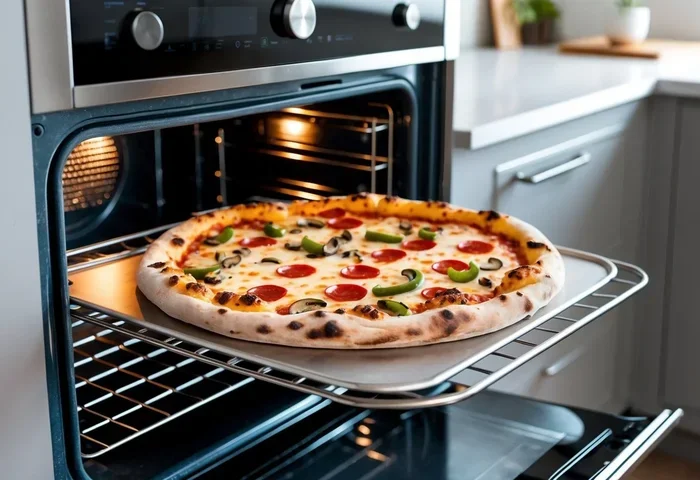
Can You Cook A Pizza Directly On The Oven Rack At Home
Yes, you can cook a pizza directly on the oven rack, and it is one of the easiest ways to achieve a crispy, evenly baked crust. This method works great for both fresh and frozen pizza, giving you that restaurant-quality bake right in your kitchen. Cooking pizza on the oven rack eliminates the need for extra tools like pizza stones or trays. However, there are a few things to watch out for, such as cheese dripping and uneven heating. Follow our guide to learn exactly how to do it safely and get the best results every time.
Have you ever looked at your oven rack and wondered if it could double as a pizza stone? The truth is, you can cook a pizza directly on the oven rack, and it is one of the simplest methods for getting a great bake at home. Many home cooks skip the pizza stone or baking tray entirely and place their pizza right on the metal bars. This approach works surprisingly well, especially if you want a crispy bottom crust without the hassle of extra equipment.
Whether you are making a homemade pizza from scratch or reheating a frozen one, the oven rack method has a lot going for it. It saves time, reduces cleanup, and can produce excellent results. But there are a few things you need to know to do it right. In this guide, we will walk you through everything you need to know about baking pizza directly on the oven rack. By the end, you will feel confident enough to try it yourself and enjoy a perfect pizza every single time.
Key Takeaways
- Yes, it works: You can safely place pizza directly on the oven rack for a crispy crust.
- No extra tools needed: Skip the pizza stone or tray and save time and counter space.
- Best for thin and medium crusts: Thick, doughy pizzas may need a different approach to cook evenly.
- Watch for dripping cheese: Use a baking sheet on the rack below to catch drips and keep your oven clean.
- Frozen pizzas love the rack: Most frozen pizza brands recommend cooking directly on the rack for the best results.
- Temperature matters: Preheat your oven to the right temperature before placing the pizza inside.
- Timing is key: Most pizzas bake in 10 to 15 minutes on the oven rack.
📑 Table of Contents
- Can You Cook A Pizza Directly On The Oven Rack?
- Why People Choose to Bake Pizza Directly on the Rack
- The Pros and Cons of Oven Rack Pizza
- How to Cook Pizza Directly on the Oven Rack
- Pizza Rack vs. Pizza Stone: Which Is Better?
- Common Mistakes to Avoid When Cooking Pizza on the Rack
- Expert Tips for Perfect Oven Rack Pizza
- Can You Cook Different Types of Pizza on the Rack?
- Key Takeaways
- FAQ
- Conclusion
Can You Cook A Pizza Directly On The Oven Rack?
The short answer is yes. Cooking pizza directly on the oven rack is safe and effective for most types of pizza. The metal rack provides even heat circulation around the pizza, which helps the crust bake evenly on all sides. This is especially true if your oven runs hot or has hot spots, because the rack allows air to flow underneath the pizza.
However, not all pizzas are created equal. Thin crust pizzas, crispy-style pizzas, and most frozen pizzas work best on the rack. Thick, deep-dish, or very wet pizzas may need a different surface to hold their shape and prevent a mess. The rack method shines when you want a golden, crunchy bottom without using a pizza stone or baking sheet.
When the Rack Method Works Best
The oven rack pizza method is ideal in several situations. Here are some examples where placing your pizza directly on the rack makes perfect sense:
- Frozen pizzas: Most frozen pizza brands design their packaging to be cooked directly on the oven rack.
- Thin crust pizzas: The crust is firm enough to hold its shape on the rack bars.
- Reheating leftover pizza: The rack helps revive a crispy crust much better than a microwave.
- Homemade thin pizzas: If your dough is rolled thin, it will not sag through the rack.
- Pizza with minimal toppings: Less moisture means less risk of dripping through the gaps.
Why People Choose to Bake Pizza Directly on the Rack
There are several reasons why home cooks prefer the oven rack method over using a pizza stone or baking tray. Understanding these benefits can help you decide if this approach is right for you.
Even Heat Distribution
The oven rack allows hot air to circulate around the entire pizza. Unlike a solid baking sheet that blocks airflow from below, the rack lets heat reach the bottom of the crust. This creates a more even bake and helps the crust become crispy all the way across. Many pizza lovers say that the rack method produces the closest result to a wood-fired oven at home.
No Extra Equipment Needed
One of the biggest advantages of baking pizza on the oven rack is that you do not need a pizza stone, pizza screen, or baking tray. These tools can be expensive, bulky, and hard to store. The rack is already built into your oven, so there is nothing to buy or clean beforehand. This makes the rack method incredibly convenient for busy weeknight dinners.
Faster Preheating
When you skip the pizza stone, your oven preheats faster. Pizza stones take a long time to heat up fully, sometimes requiring 30 to 45 minutes. The oven rack needs no preheating time at all because it is already part of the oven structure. This means you can get your pizza in the oven sooner and start eating faster.
Easy Cleanup
Using a pizza stone or baking sheet means dealing with stuck cheese, sauce, and dough after baking. The oven rack, on the other hand, is easy to wipe down. If any cheese or sauce does drip through, you can simply place a baking sheet on the rack below to catch it. Cleanup becomes a breeze compared to scrubbing a pizza stone.
The Pros and Cons of Oven Rack Pizza
Like any cooking method, placing pizza directly on the oven rack has its advantages and drawbacks. Let us break them down so you can make an informed choice.
The Pros
- Crispy bottom crust: The rack allows air to flow underneath, creating an evenly crispy base.
- Convenient and fast: No need to buy or prep extra tools.
- Even cooking: Hot air circulates around the pizza from all sides.
- Great for frozen pizza: Most frozen pizzas are designed to be cooked on the rack.
- Easy cleanup: Less mess compared to using a pizza stone.
The Cons
- Cheese dripping: Melted cheese and sauce can drip through the rack gaps and make a mess inside your oven.
- Not ideal for thick crusts: Heavy or wet dough may sag or fall through the rack bars.
- Risk of burning: The bottom crust can burn if you place the rack too close to the top heating element.
- No crispy sides: Unlike a pizza stone, the rack does not crisp the sides of the crust the same way.
How to Cook Pizza Directly on the Oven Rack
Now that you know the rack method works, let us walk through the steps to get the best results. Following these simple instructions will help you avoid common mistakes and produce a delicious pizza every time.
Step 1: Preheat Your Oven
Start by preheating your oven to the temperature recommended on your pizza dough or frozen pizza packaging. Most pizzas bake best at temperatures between 425 and 475 degrees Fahrenheit. Let your oven fully preheat before placing the pizza inside. A properly heated oven is essential for getting a crispy crust and perfectly melted cheese.
Step 2: Position the Rack Correctly
Place the oven rack in the middle position. This is the sweet spot for most pizzas because it allows heat to reach the top and bottom evenly. Avoid placing the pizza on the top rack, as the broiler can burn the cheese and toppings before the crust is done. Similarly, the bottom rack can cause the bottom crust to overcook or burn.
Step 3: Prepare Your Pizza
If you are using homemade pizza, make sure the dough is rolled to an even thickness. Place your toppings evenly and avoid overloading the pizza with sauce or wet ingredients. Too much moisture can make the crust soggy and cause drips that create a mess in your oven. For frozen pizzas, simply remove the packaging and place the pizza directly on the rack.
Step 4: Place the Pizza on the Rack
Carefully slide the pizza onto the middle oven rack. Use oven mitts to protect your hands from the heat. If your pizza is large, you may need to slightly tilt it to get it through the oven door. Once the pizza is on the rack, close the oven door gently.
Step 5: Bake and Monitor
Bake your pizza for 10 to 15 minutes, or until the crust is golden brown and the cheese is bubbly and slightly browned. Check on the pizza after about 8 minutes to make sure it is cooking evenly. Every oven is different, so keep an eye on your pizza during the last few minutes of baking to prevent burning.
Step 6: Remove and Cool
Use oven mitts to pull the rack out and slide a pizza peel or flat baking sheet underneath the pizza. This makes it easy to transfer the pizza to a cutting board. Let the pizza cool for 2 to 3 minutes before slicing. This brief rest period allows the cheese to set slightly, making it easier to cut clean slices.
Pizza Rack vs. Pizza Stone: Which Is Better?
Many home cooks debate whether to use the oven rack or a pizza stone for baking pizza. Both methods have their strengths, and the right choice depends on what kind of pizza you are making and what results you are looking for.
What a Pizza Stone Does
A pizza stone absorbs moisture from the dough, which helps create an incredibly crispy crust. The stone also holds heat very well, providing a consistent cooking surface. Many pizza enthusiasts swear by pizza stones for achieving a professional-quality bake at home. However, pizza stones are heavy, expensive, and require time to preheat properly.
What the Oven Rack Does
The oven rack provides airflow around the pizza, which promotes even browning on the bottom. It does not absorb moisture the way a stone does, so the crust may not be quite as crispy on the bottom. However, the rack method is faster, more convenient, and requires no extra equipment. For most home cooks, the rack method is more than sufficient for delicious results.
When to Use Each Method
- Use the oven rack for: Frozen pizzas, thin crust pizzas, reheating leftover pizza, and quick weeknight meals.
- Use a pizza stone for: Homemade thick-crust pizzas, artisan-style breads, and when you want the absolute crispiest bottom crust possible.
Common Mistakes to Avoid When Cooking Pizza on the Rack
Even though cooking pizza on the oven rack is simple, there are a few mistakes that can ruin your results. Avoiding these pitfalls will help you get the best pizza every time.
Placing the Rack Too High or Too Low
One of the most common mistakes is not positioning the rack correctly. If the rack is too close to the top of the oven, the cheese and toppings will burn before the crust is done. If the rack is too low, the bottom crust can overcook or char. Always use the middle rack position for the most balanced results.
Overloading the Pizza with Toppings
It is tempting to pile on as many toppings as possible, but too many wet ingredients can cause problems. Excess sauce, juicy vegetables, and too much cheese can make the pizza heavy and soggy. The weight can also cause the pizza to sag between the rack bars. Keep your toppings balanced and spread them evenly for the best outcome.
Skipping the Preheat
Never place your pizza in a cold oven. A slow heat-up will result in a doughy, pale crust instead of a crispy, golden one. Always preheat your oven fully before putting the pizza in. Give your oven at least 15 to 20 minutes to reach the target temperature.
Forgetting to Catch Drips
Cheese and sauce will inevitably drip when you cook pizza on the rack. Placing a baking sheet or aluminum foil on the rack below your pizza catches these drips and makes cleanup much easier. Skipping this step can lead to a messy oven and stubborn stains that are hard to clean.
Expert Tips for Perfect Oven Rack Pizza
Want to take your oven rack pizza to the next level? Here are some expert tips that make a real difference in the final result.
- Use a pizza peel or parchment paper: If you are worried about the pizza sticking to the rack, lightly dust the rack with flour or cornmeal. Alternatively, you can place the pizza on a piece of parchment paper and slide both onto the rack together.
- Brush the crust with olive oil: A light coating of olive oil on the bottom crust adds flavor and helps achieve a golden, crispy finish.
- Rotate the pizza halfway through: Most ovens have hot spots. Rotating the pizza 180 degrees halfway through baking ensures an evenly cooked pizza.
- Let the dough rest: If you are making homemade pizza, let the dough rest at room temperature for 30 minutes before rolling it out. This relaxes the gluten and makes the dough easier to work with.
- Keep the oven door slightly ajar: If your oven tends to run very hot, cracking the door slightly can help regulate the temperature and prevent the cheese from burning.
- Use a timer: Set a timer for 8 minutes and check on your pizza. This prevents overcooking and helps you learn exactly how your oven performs.
Can You Cook Different Types of Pizza on the Rack?
The oven rack method works for many different styles of pizza. Here is a quick look at how various pizza types perform on the rack.
Thin Crust Pizza
Thin crust pizza is the best candidate for the rack method. The firm dough holds its shape well on the rack bars, and the result is a crispy, evenly baked base with a beautifully browned bottom. Most thin crust pizzas come out fantastic when cooked directly on the oven rack.
Frozen Pizza
Frozen pizzas are practically designed to be cooked on the oven rack. The instructions on most frozen pizza boxes specifically recommend placing the pizza directly on the middle rack. The rack provides the airflow needed to crisp the frozen dough evenly, and the method is incredibly convenient for quick meals.
Homemade Pizza
Homemade pizza works well on the rack as long as the dough is rolled thin enough. If your dough is thick and heavy, it may sag between the rack bars. For the best results with homemade pizza, aim for a thin to medium thickness crust. This ensures the pizza holds its shape and cooks evenly on the rack.
Deep Dish Pizza
Deep dish pizza is not a good candidate for the oven rack method. The heavy, deep pan-style dough needs a solid surface to hold its shape and cook evenly. Always use a deep dish pizza pan or baking dish for this style. Placing a deep dish pizza on the rack would result in a mess and an unevenly cooked pizza.
Key Takeaways
- You can cook pizza directly on the oven rack: It is safe, effective, and produces a crispy crust.
- The rack method is convenient: No extra equipment is needed, and cleanup is simple.
- Best for thin and frozen pizzas: These styles hold up well on the rack bars and cook evenly.
- Always use the middle rack: This position provides the most balanced heat distribution for your pizza.
- Place a baking sheet below: This catches drips and keeps your oven clean and mess-free.
- Preheat your oven fully: A properly heated oven is essential for a crispy, golden crust.
- Monitor your pizza closely: Check it regularly to prevent burning and achieve the perfect bake every time.
FAQ
Can you put a frozen pizza directly on the oven rack?
Yes, most frozen pizzas are designed to be cooked directly on the oven rack. Check the packaging instructions for your specific brand, but placing a frozen pizza on the middle rack is the standard method. This allows hot air to circulate around the pizza and creates a crispy crust evenly.
Is it safe to cook pizza directly on the oven rack?
Absolutely. The oven rack is designed to hold the weight of a pizza without any issues. As long as you place the pizza on the middle rack and monitor it while baking, there is no safety concern. Just use oven mitts when handling the hot rack and pizza.
Will the pizza crust be as crispy on the rack as on a pizza stone?
The rack method produces a good crispy bottom, but a pizza stone may give you an even crispier crust because it absorbs moisture from the dough. That said, for most home cooks, the difference is small, and the rack method is far more convenient. Brushing the crust with olive oil can also help boost crispiness on the rack.
What temperature should you cook pizza on the oven rack?
Most pizzas bake best at temperatures between 425 and 475 degrees Fahrenheit. Follow the temperature guide on your pizza dough or frozen pizza packaging for the best results. Preheating the oven fully before placing the pizza in is essential for an evenly baked crust.
Can you cook a large pizza on the oven rack?
Yes, you can cook a large pizza on the oven rack as long as it fits comfortably without touching the oven walls. If the pizza is too wide, it may get squished or cook unevenly. For oversized pizzas, you may need to use a baking sheet instead to ensure even cooking and prevent spills.
How long does it take to cook pizza on the oven rack?
Most pizzas take 10 to 15 minutes to cook on the oven rack at the recommended temperature. Thin crust pizzas may be done in as little as 8 to 10 minutes, while thicker or heavily topped pizzas may need the full 15 minutes. Check your pizza regularly to find the perfect bake time for your oven.
Conclusion
Cooking pizza directly on the oven rack is one of the easiest and most effective ways to bake a great pizza at home. It requires no special equipment, produces a crispy and evenly baked crust, and keeps cleanup to a minimum. Whether you are cooking a frozen pizza for a quick dinner or making a homemade thin crust pizza from scratch, the rack method delivers reliable and delicious results every time.
Remember to preheat your oven, use the middle rack position, and place a baking sheet below to catch any drips. Avoid common mistakes like overloading your pizza with toppings or skipping the preheat step. With these tips in mind, you are well on your way to enjoying perfect oven rack pizza in the comfort of your own kitchen. Give it a try tonight and taste the difference for yourself!