How To Properly Cook Bacon In The Oven For Crispy Results
How To Properly Cook Bacon In The Oven is an essential topic that provides valuable insights.
Key Takeaways
- Oven-baked bacon is the easiest method: It requires no flipping, no monitoring, and produces consistent results every time.
- 400°F is the ideal temperature: This heat renders fat quickly and creates a perfect balance of crispy and chewy textures.
- Parchment paper is essential: It prevents sticking, catches grease, and makes cleanup effortless.
- Use a wire rack for extra crispiness: Lifting bacon off the pan allows grease to drip away and hot air to circulate evenly.
- Save your bacon grease: Rendered fat is a flavorful cooking oil that can be reused in many recipes.
- Thick-cut and thin-cut need different times: Adjust cooking time based on bacon thickness for the best texture.
- Proper storage keeps bacon fresh: Store cooked bacon in the fridge for up to five days or freeze for longer storage.
📑 Table of Contents
- Why Oven-Baked Bacon Is Better Than Stovetop Cooking
- What You Need to Cook Bacon in the Oven
- Step-by-Step: How To Properly Cook Bacon In The Oven
- Oven Temperature and Time Guide
- Common Mistakes To Avoid When Baking Bacon
- Expert Tips for the Best Oven Bacon
- How To Store and Reheat Cooked Bacon
- Health and Safety Tips for Cooking Bacon
- The Science Behind Perfect Crispy Bacon
- Delicious Ways To Serve Oven-Baked Bacon
- Conclusion
Why Oven-Baked Bacon Is Better Than Stovetop Cooking
More people are switching to oven-baked bacon every year. And for good reason. It is easier, cleaner, and more consistent than pan-frying. Let us look at the main benefits.
Even Cooking Every Time
When you cook bacon on the stove, the strips near the edges burn while the middle stays limp. In the oven, heat surrounds every strip equally. This means all your bacon cooks at the same rate. You get uniform crispness from edge to center.
Less Mess and Cleanup
Stovetop bacon creates a greasy mess. Splattered fat coats your stovetop, backsplash, and even your sleeves. With oven-baked bacon, the grease collects in the pan below. Cleanup takes seconds. You just throw away the parchment paper and wash one baking sheet.
Cook Large Batches Easily
Need bacon for a crowd? Stovetop cooking means working in small batches. The oven lets you bake a full sheet of bacon at once. This is perfect for holiday mornings, brunches, or meal prep. You can feed a family of six without breaking a sweat.
What You Need to Cook Bacon in the Oven
Here is the good news. You do not need any fancy equipment. Just a few basic items you probably already own.
Essential Tools and Ingredients
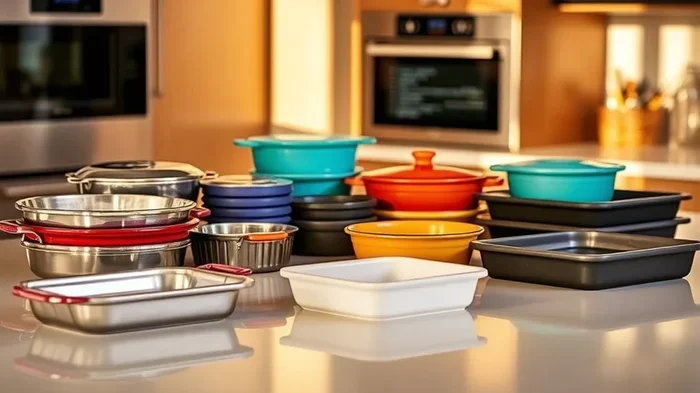
- Baking sheet — A standard rimmed sheet works perfectly.
- Parchment paper — This prevents sticking and makes cleanup a breeze.
- Bacon strips — Thick-cut or thin-cut, your choice.
- A cooling rack (optional) — Lifting bacon on a rack allows grease to drip away for extra crispiness.
- Paper towels — For draining and blotting excess fat after cooking.
Choosing the Right Bacon
Not all bacon is the same. Thick-cut bacon takes longer to cook and has a chewy, meaty texture. Thin-cut bacon crisps up fast and works great for sandwiches and toppings. Applewood-smoked bacon adds a sweet, rich flavor. Peppered bacon brings a nice kick. Pick the type you enjoy most and adjust your cooking time slightly.
Step-by-Step: How To Properly Cook Bacon In The Oven
Now let us get to the heart of the matter. Here is the complete process for how to properly cook bacon in the oven. Follow these steps and you will get perfect results every time.
Step 1: Preheat Your Oven
Set your oven to 400°F (200°C). This is the sweet spot for oven-baked bacon. It is hot enough to crisp the meat but not so hot that it burns. Let the oven reach the full temperature before you put the bacon in.
Step 2: Prep Your Baking Sheet
Line a baking sheet with parchment paper. This simple step prevents the bacon from sticking. It also catches all the rendered fat. If you have a wire cooling rack that fits inside the sheet, place it on top. The rack lets grease drip through, giving you even crispier golden brown bacon.
Step 3: Arrange the Bacon Strips
Lay out your bacon strips in a single layer. Do not overlap them. Overlapping strips steam instead of crisp, and you end up with uneven cooking. Leave a small gap between each strip so hot air circulates freely.
Step 4: Bake and Watch the Magic
Place the pan in the oven on the middle rack. Cook for 15 to 20 minutes. Thin-cut bacon usually needs 15 minutes. Thick-cut bacon may need the full 20 minutes or a bit longer. There is no need to flip the strips. The oven does all the work for you.
Step 5: Check for Doneness
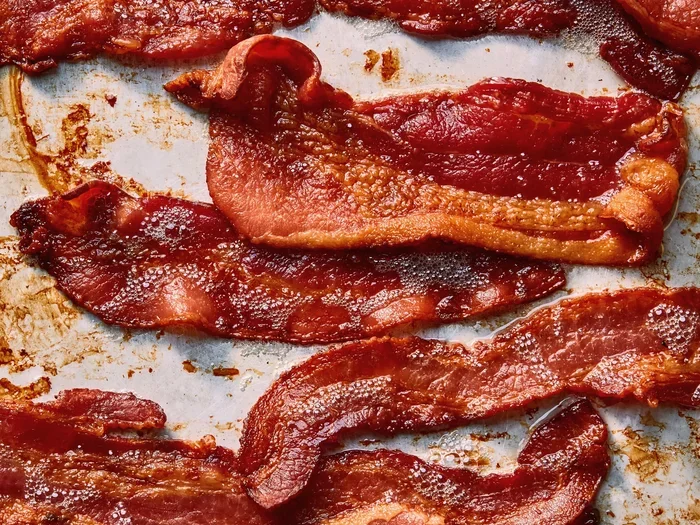
Start checking at the 15-minute mark. Look for even browning and bubbling fat. The bacon should look crispy and golden. If you like chewier bacon, pull it out a minute or two early. If you want extra crunch, give it another minute or two.
Step 6: Drain and Serve
Remove the pan from the oven. Transfer the strips to a plate lined with paper towels. This absorbs excess grease and keeps your bacon crispy. Let it cool for a minute or two before serving. Enjoy your perfectly cooked bacon!
Oven Temperature and Time Guide
The bacon temperature and timing are the most important factors. Getting these right means perfect results every time. Here is a detailed breakdown.
| Bacon Type | Oven Temp | Cooking Time | Texture Result |
|---|---|---|---|
| Thin-cut bacon | 400°F (200°C) | 12–15 minutes | Extra crispy and delicate |
| Regular-cut bacon | 400°F (200°C) | 15–18 minutes | Balanced crisp and chew |
| Thick-cut bacon | 400°F (200°C) | 18–22 minutes | Chewy center, crispy edges |
| Turkey bacon | 375°F (190°C) | 15–18 minutes | Crispy with less grease |
| Canadian bacon | 375°F (190°C) | 10–12 minutes | Lightly browned, tender |
These times are guidelines. Every oven runs slightly differently. Start checking early and adjust based on how your bacon looks and smells. The wonderful aroma filling your kitchen is a great indicator that things are going well.
Common Mistakes To Avoid When Baking Bacon
Even with an easy method like oven-baked bacon, mistakes can happen. Here are the most common ones and how to avoid them.
Overcrowding the Pan
One of the biggest errors is placing too many strips on one sheet. When strips overlap or touch, they steam instead of roast. You end up with soggy, uneven bacon. Use two baking sheets if you need to cook a large batch. Your patience will be rewarded with perfectly crispy strips.
Skipping the Parchment Paper
Some people skip parchment paper to save time. This is a mistake. Without it, bacon sticks to the pan and cleanup becomes a nightmare. Parchment paper also helps the bacon cook more evenly. It is a small step that makes a big difference.
Using the Wrong Temperature
Too low and the bacon takes forever. Too high and it burns before the fat renders out. 400°F is the ideal temperature for most bacon types. If you are using a convection oven, reduce the heat by 25 degrees. Convection fans circulate hot air more intensely, so things cook faster.
Not Draining the Bacon Properly
Leaving hot bacon sitting on the pan makes it soggy. The trapped steam softens the crispy exterior. Always transfer strips to a plate with paper towels right after removing them from the oven. This keeps that satisfying crunch intact.
Expert Tips for the Best Oven Bacon
These pro tips will take your oven-baked bacon from good to outstanding. Professional chefs use similar techniques to get restaurant-quality results at home.
Use a Wire Rack for Maximum Crispiness
A wire cooling rack placed over the baking sheet is the secret weapon. It lifts the bacon off the pan and allows hot air to flow underneath. The fat drips away instead of pooling under the strips. This produces the crispiest, most evenly cooked bacon you have ever tasted.
Add a Sprinkle of Brown Sugar
For a sweet twist, sprinkle a tiny bit of brown sugar on the bacon before baking. The sugar caramelizes in the oven and creates a beautiful glaze. This works especially well with applewood-smoked bacon. It adds a subtle sweetness that pairs wonderfully with pancakes and waffles.
Try a Cinnamon or Cayenne Twist
Want to experiment? A light dusting of cinnamon creates a sweet-and-spicy combo that surprises your taste buds. A pinch of cayenne pepper adds heat and depth. These flavor additions work great on thick-cut bacon where the meaty flavor can stand up to bold seasonings.
Make Bacon Cups for Entertaining
Press bacon strips into a muffin tin before baking. You get fun, edible cups perfect for holding eggs, cheese, or fruit. These bacon cups are a hit at brunch parties and make a great appetizer. They are easy to make and always get compliments.
How To Store and Reheat Cooked Bacon
Got leftover crispy bacon? Do not let it go to waste. Proper storage keeps it fresh and tasty for days.
Storing Cooked Bacon
Let the bacon cool completely before storing. Place strips in an airtight container or zip-lock bag. Refrigerate and use within five days. You can also freeze cooked bacon for up to three months. Wrap individual portions in parchment paper, then place them in a freezer bag.
Reheating Without Losing Crispiness
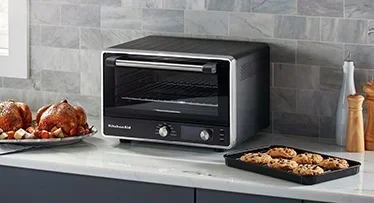
The microwave makes bacon soggy. Instead, use your oven or toaster oven. Spread the bacon on a baking sheet and reheat at 350°F for 5 to 7 minutes. This restores the original crunch and keeps the flavor fresh. It is the best way to enjoy leftover oven-baked bacon the next day.
Health and Safety Tips for Cooking Bacon
Bacon is delicious, but safety matters. Follow these simple guidelines to keep your kitchen safe and your food healthy.
- Cook bacon to 145°F internal temperature. Use a meat thermometer if you are unsure. This ensures harmful bacteria are destroyed.
- Never leave the oven unattended. Even though oven-baked bacon is low-maintenance, grease fires can happen. Stay nearby and keep an eye on your bacon.
- Handle hot pans with oven mitts. Baking sheets get extremely hot. Use proper protection to avoid burns.
- Dispose of grease responsibly. Let it cool and solidify, then throw it in the trash. Never pour liquid grease down any drain.
The Science Behind Perfect Crispy Bacon
Understanding why oven-baked bacon works so well helps you appreciate the process. It is not just about heating meat. There is real science at play.
When bacon cooks, the fat inside the strips begins to render. Rendering is the process where solid fat melts into liquid. At 400°F, the fat renders quickly and evenly. This is what gives bacon its crispy texture and rich flavor. The high heat also triggers the Maillard reaction — a chemical process that browns the meat and creates complex, savory flavors.
When you cook bacon on the stove, the heat comes from below only. The top of the strip cooks much slower. In the oven, hot air circulates all around each strip. This means the fat renders from all sides simultaneously. The result is bacon that is crispy from edge to center, with a beautiful golden brown color throughout.
Delicious Ways To Serve Oven-Baked Bacon
Once you master how to properly cook bacon in the oven, the fun really begins. There are so many creative ways to enjoy it beyond the breakfast plate.
- Bacon sandwiches — Layer crispy strips on toast with egg and cheese for a classic breakfast sandwich.
- Burgers — Add a strip of crispy bacon to any burger for a smoky, savory upgrade.
- Salads — Crumble golden brown bacon over a fresh garden salad for crunch and flavor.
- Pasta dishes — Toss chopped bacon into carbonara or a creamy pasta for rich, meaty depth.
- Chocolate-covered bacon — Dip crispy strips in melted chocolate for a sweet and salty treat that surprises everyone.
- Bacon-wrapped appetizers — Wrap strips around asparagus, scallops, or dates for an elegant party snack.
The versatility of oven-baked bacon makes it a kitchen staple. Once you have a batch ready, you can use it all week long in countless recipes. It stores beautifully and reheats wonderfully.
Conclusion
How to properly cook bacon in the oven is one of the easiest kitchen skills you can learn. It requires minimal effort, produces consistent results, and keeps your kitchen clean. With just a baking sheet, parchment paper, and 400°F heat, you can make restaurant-quality crispy bacon at home. Whether you prefer thin-cut bacon for sandwiches or thick-cut bacon for a hearty breakfast, the oven delivers every time.
Follow the steps in this guide and you will never deal with stovetop splatter again. Save your bacon grease for future cooking. Experiment with flavors and presentations. Share your golden brown bacon with family and friends. Once you start making oven-baked bacon, you will wonder why you ever bothered with the stovetop. Get in the kitchen and give it a try — your taste buds will thank you.
Frequently Asked Questions
What is the best temperature to cook bacon in the oven?
The best temperature to cook bacon in the oven is 400°F (200°C). This high heat renders the fat quickly and produces evenly crispy bacon strips without burning. If you are using thin-cut bacon, you may want to check it at 12 minutes. For thick-cut bacon, give it closer to 20 minutes for the best results.
Do I need to flip bacon when cooking it in the oven?
No, you do not need to flip bacon when baking it in the oven. The hot air circulates around every strip, cooking it evenly on all sides. This is one of the biggest advantages of oven-baked bacon over stovetop cooking. Simply lay the strips in a single layer and let the oven do all the work for you.
How long does it take to cook bacon in the oven at 400 degrees?
At 400°F, most bacon cooks in 15 to 20 minutes. Thin-cut bacon typically takes 12 to 15 minutes, while thick-cut bacon may need 18 to 22 minutes. The exact cooking time depends on your oven, the type of bacon, and how crispy you like it. Start checking at 15 minutes and pull it out when it reaches your preferred color and texture.
Can I use aluminum foil instead of parchment paper?
Yes, you can use aluminum foil as an alternative to parchment paper. However, parchment paper is better because it prevents sticking more effectively and promotes even browning. Foil can cause the bacon to stick in spots and may create uneven cooking. If you use foil, lightly grease it with a thin layer of oil or cooking spray for the best results.
How do I store leftover cooked bacon?
Let the cooked crispy bacon cool completely, then store it in an airtight container in the refrigerator. It stays fresh for up to five days. You can also freeze cooked bacon for up to three months. To reheat, place strips on a baking sheet and warm them in the oven at 350°F for 5 to 7 minutes. This restores the original crunch much better than using a microwave.
Is oven-baked bacon healthier than pan-fried bacon?
Oven-baked bacon is generally considered healthier because it allows more grease to drip away from the meat during cooking. The rendered fat collects in the pan instead of being absorbed back into the bacon. This results in a lower-fat final product compared to pan-frying, where the bacon sits in its own grease. However, bacon is still a processed meat, so enjoy it in moderation as part of a balanced diet.
=== CONCLUSION ===
Cooking bacon in the oven is the simplest upgrade you can make to your breakfast routine. It saves time, reduces mess, and delivers perfectly crispy bacon every single time. The method is forgiving, flexible, and works for all bacon types. Once you try oven-baked bacon, you will wonder why you ever cooked it any other way.
Remember the key points: preheat to 400°F, use parchment paper, arrange strips in a single layer, and bake for 15 to 20 minutes. Save your bacon grease, store leftovers properly, and experiment with fun serving ideas. Share this guide with friends and family who love crispy bacon. Happy cooking and enjoy every delicious bite!