Can I Put Foil Into Air Fryer The Surprising Truth Inside
Can I Put Foil Into Air Fryer? The answer might surprise you. While you can use foil in an air fryer, doing it wrong can damage your appliance or create safety hazards. This guide reveals the safe methods, common mistakes, and expert tips you need to know before lining your air fryer basket with foil.
You are standing in the kitchen, ready to cook something delicious in your air fryer. But then you pause. You look at the roll of aluminum foil on the counter and wonder: can I put foil into air fryer? It seems like such a simple question, yet the answer is more complicated than you might think.
The truth is, many home cooks use foil in their air fryers without thinking twice. But air fryer safety depends on how you use it. Put foil in the wrong way, and you risk uneven cooking, damaged parts, or even a fire hazard. Put it in the right way, and you unlock easier cleanup and better results.
This guide walks you through everything you need to know. We will cover the science behind how air fryers work, when foil is safe, when it is not, and the best practices for using it. By the end, you will feel confident about your air fryer cooking decisions.
Before we dive in, let us set the record straight. The short answer is yes, you can put foil in an air fryer. But the longer answer involves some important rules you must follow. Think of this article as your go-to reference for foil in air fryer questions.
If you have ever wondered about other kitchen hacks, you might enjoy learning about Can You Boil Coffee Grounds to Make Coffee for another surprising kitchen experiment.
Key Takeaways
- Yes, you can use foil: But only under specific conditions and with proper placement.
- Never cover the bottom entirely: Blocking airflow is dangerous and ruins your food.
- Parchment paper is often a safer alternative: It allows better heat circulation.
- Always anchor the foil down: Loose foil can touch the heating element and cause sparks.
- Check your air fryer model: Not all units handle foil the same way.
- Avoid acidic foods on foil: Tomatoes and citrus can react with aluminum.
- Follow manufacturer guidelines: When in doubt, refer to your air fryer’s manual.
📑 Table of Contents
How Air Fryers Work and Why Foil Matters
Understanding how your air fryer works makes it much easier to understand why foil can be tricky. An air fryer uses a powerful fan to blow hot air around your food. This hot air circulation cooks food quickly and evenly. The result is that crispy, golden texture people love without all the oil.
Now imagine wrapping part of the basket with foil. What happens? You block the airflow. That is the core issue. Air fryers depend on free movement of hot air. Anything that restricts that movement changes how your food cooks.
The Science Behind Hot Air Cooking
Air fryers typically heat up to 400°F or higher. The fan pushes that heat directly onto your food. When you place foil inside, it reflects heat in different directions. This can create hot spots or cool zones. Your food might cook unevenly as a result.
Here is what happens step by step:
- The heating element warms the air inside the chamber.
- The fan pushes that hot air through the basket.
- The hot air circulates around the food from all sides.
- The food cooks quickly and develops a crispy exterior.
When you add foil to this process, you change the flow. The foil can redirect heat away from certain areas. It can also trap steam, which makes food soggy instead of crispy. This is why air fryer maintenance and proper accessories matter so much.
Why People Reach for Foil in the First Place
There are several reasons people want to use foil in their air fryer. Let us look at the most common ones:
- Easier cleanup: Foil catches grease and crumbs, making washing up faster.
- Preventing food from sticking: A foil liner can help delicate foods stay intact.
- Wrapping foods: Some recipes call for wrapping fish or vegetables in foil.
- Covering food midway: Wrapping partway through cooking keeps moisture in.
All of these are valid reasons. But each one comes with its own set of rules. Let us explore those next.
Is It Safe to Put Foil in an Air Fryer?
This is the question that matters most. The answer is: it depends. Air fryer safety is not a one-size-fits-all topic. Several factors determine whether using foil is safe for your specific situation.
When Foil Is Safe
Using foil in your air fryer is safe when you follow these guidelines:
- The foil is placed only on the basket or tray, not on the bottom of the unit.
- The foil is weighed down by the food so it cannot move around.
- The foil does not cover the air vents or the heating element.
- The foil is cut to fit snugly without hanging over the edges.
- You are using a small amount of foil, not wrapping the entire basket.
When you follow these rules, foil can actually help your cooking. It can prevent messes and make cleanup a breeze. Just remember that safe air fryer use always comes first.
When Foil Is Dangerous
Now let us talk about the dangerous situations. These are the times you should never use foil:
- Covering the air vents: This blocks airflow and can cause the unit to overheat.
- Touching the heating element: Foil can spark and potentially start a fire.
- Lining the entire bottom of the fryer: This traps heat and prevents proper cooking.
- Using foil without food on top: Loose foil can fly into the heating element when the fan is on.
- Wrapping acidic foods: Tomatoes, citrus, and vinegar can react with aluminum.
These dangers are real. Air fryers get very hot, and the fan creates strong airflow. Loose foil inside the unit can behave like a piece of paper near a flame. Always take precautions.
The Right Way to Use Foil in an Air Fryer
So you have decided to use foil. Good. Now let us make sure you are doing it the right way. Proper technique makes all the difference between a great result and a kitchen disaster.
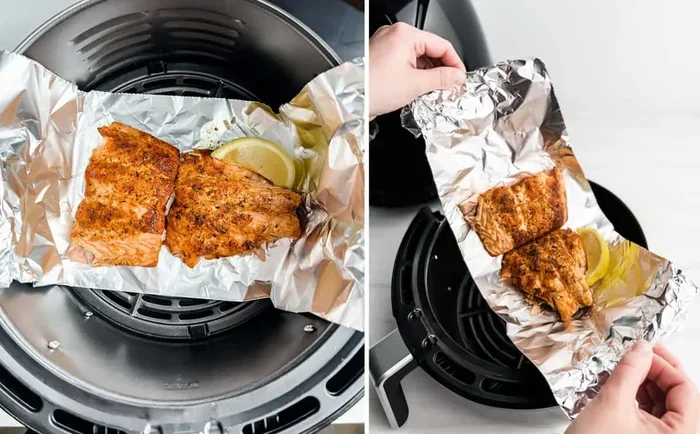
Step-by-Step Guide
- Turn off and cool down the air fryer: Never place foil inside while the unit is hot.
- Cut a piece of foil to fit the basket: It should match the size of the basket or tray.
- Poke small holes in the foil: Use a fork to create tiny holes for airflow.
- Place the foil gently into the basket: Do not let it touch the sides or bottom of the unit.
- Add your food on top: The food should weigh the foil down securely.
- Cook as normal: Check on your food halfway through if needed.
- Dispose of the foil after cooking: Do not reuse heavily soiled foil.
Following these steps keeps you safe and helps your food cook evenly. The holes in the foil are especially important. They allow the hot air circulation to pass through, which is the whole point of an air fryer.
Common Mistakes to Avoid
Even experienced cooks make mistakes with foil in air fryers. Here are the ones to watch out for:
- Using too much foil: A large sheet can block airflow easily. Less is more.
- Letting foil touch the walls: Heat builds up where foil meets the metal walls.
- Forgetting to poke holes: Without holes, steam gets trapped and food turns soggy.
- Wrapping food completely in foil: This defeats the purpose of an air fryer, which needs airflow.
- Using foil at very high temperatures: Some foils can melt or warp at extreme heat.
Avoiding these mistakes will protect your air fryer and improve your cooking results every time. If you want more kitchen tips, check out our guide on Can You Make a Frappe Without Coffee for another useful kitchen hack.
Foil vs. Parchment Paper: Which Is Better?
This is a debate that comes up often. Both foil and parchment paper have their place in the air fryer. Let us compare them side by side so you can decide which works best for you.
| Feature | Aluminum Foil | Parchment Paper |
|---|---|---|
| Airflow | Blocks airflow unless holes are poked | Allows natural airflow |
| Heat resistance | Handles very high temperatures | Safe up to 420°F typically |
| Cleanup | Easy, wipes clean | Disposable, very easy |
| Food sticking | Food may stick to foil | Non-stick surface |
| Safety risk | Can spark if touching element | Low risk if used properly |
| Cost | Reusable in some cases | Single use |
| Best for | Wrapping foods, catching grease | Lining baskets, delicate foods |
As you can see, parchment paper has some clear advantages for everyday use. It allows better airflow and poses fewer safety risks. However, foil wins when you need to wrap foods or catch heavy grease. Many cooks keep both on hand for different situations.
If you are curious about other kitchen alternatives, you might enjoy reading about Can You Brew Cacao Nibs Like Coffee for another creative kitchen experiment.
Best Practices for Air Fryer Cooking with Foil
Now that you know the basics, let us go deeper. These best practices will help you get the most out of your air fryer while staying safe.
Choose the Right Type of Foil
Not all foil is created equal. Standard household aluminum foil works fine for most air fryer tasks. However, heavy-duty foil is more durable and less likely to tear. Avoid using foil with non-stick coatings unless the manufacturer says it is safe for air fryer use.
Always Preheat With the Foil In
If you are using foil in the basket, place it in before preheating. This lets the foil heat up along with the air fryer. Cold foil inside a hot air fryer can cause condensation, which makes food soggy.
Do Not Overcrowd the Basket
Overcrowding is a common mistake in air fryer cooking. When you add foil and then pile in too much food, you block airflow from two directions. Leave space between food items so hot air can circulate freely.
Monitor Your Food
Even when following all the rules, keep an eye on your food. Check it a few minutes before the recommended cooking time. This helps you catch any issues early, like food sticking to the foil or cooking unevenly.
Clean Your Air Fryer Regularly
Foil can leave small aluminum particles behind. These can build up over time and affect your air fryer’s performance. Clean the basket and tray after every use. Regular air fryer cleaning extends the life of your appliance and keeps your food tasting great.
Quick Tips for Using Foil Safely
- Always anchor the foil down with food so it cannot shift during cooking.
- Use foil only in the basket or tray, never loose inside the chamber.
- Poke holes for airflow to maintain even cooking.
- Keep foil away from the heating element at all times.
- Do not use foil with acidic foods like tomatoes or lemon.
- Check your air fryer manual for manufacturer-specific guidance.
- When in doubt, use parchment paper as a safer alternative.
These quick tips take seconds to remember but can save you from a lot of trouble. Air fryer hacks like these make your cooking experience smoother and safer.
Final Thoughts on Foil in Your Air Fryer
So, can I put foil into air fryer? The answer is a cautious yes. Foil can be a useful tool in your kitchen when used correctly. It helps with cleanup, prevents sticking, and even wraps foods for certain recipes. But it must be used with care and attention to safety.
The key is understanding how your air fryer works. These appliances rely on free airflow to cook food properly. Anything that blocks that airflow changes the cooking process. Foil is no exception. Use it wisely, follow the guidelines in this article, and you will enjoy great results every time.
Remember, air fryer safety always comes first. When you are unsure, it is better to skip the foil and use parchment paper instead. Your air fryer will last longer, your food will taste better, and your kitchen will be a safer place.
Keep experimenting in the kitchen, but always stay informed. The more you know about your appliances, the better your cooking becomes. Happy air frying!
Frequently Asked Questions
Can I Put Foil in the Bottom of My Air Fryer?
No, you should never line the bottom of the air fryer with foil. The bottom houses the heating element and air vents. Covering these blocks airflow and can cause overheating or even a fire. Always place foil only in the basket or tray, never on the base of the unit.
Will Foil Affect How My Food Cooks in the Air Fryer?
Yes, foil can change how your food cooks. It reflects heat and can block airflow, which may lead to uneven cooking. To minimize this effect, poke small holes in the foil and make sure it does not cover more than the basket surface. The food should always sit on top of the foil.
Is Parchment Paper Safer Than Foil in an Air Fryer?
Generally, yes. Parchment paper allows better airflow and does not pose the same sparking risks as foil. It is also non-stick, which makes cleanup easier. Many experts recommend parchment paper as the safer choice for everyday air fryer lining. However, foil is better for wrapping foods or catching heavy grease.
Can I Reuse Foil After Air Frying?
It is not recommended. Used foil can tear easily and may have food residue stuck to it. It can also leave small aluminum particles in your air fryer. Fresh foil ensures better safety and cooking results. Always use a new sheet for each cooking session.
What Temperature Can Foil Handle in an Air Fryer?
Standard aluminum foil can handle temperatures up to about 600°F, which is well above most air fryer temperatures. However, the real concern is not the melting point but airflow and safety. Even at safe temperatures, loose foil can shift and touch the heating element, creating a fire risk.
Can I Use Foil with Any Type of Food in the Air Fryer?
Most foods work fine with foil, but avoid using it with acidic foods like tomatoes, citrus fruits, or dishes with vinegar. Acid reacts with aluminum and can leave a metallic taste on your food. For all other foods, foil is generally safe when used properly with food weighing it down in the basket.