How To Clean Expobar Coffee Machine And Keep It Running
Knowing how to clean Expobar coffee machine is essential for great-tasting coffee and long machine life. Regular cleaning removes coffee oils, mineral buildup, and residue that affect flavor. This guide covers daily, weekly, and deep cleaning steps you can follow at home. You will also learn how to descale, maintain parts, and avoid common mistakes.
Your Expobar coffee machine delivers rich, creamy espresso and perfectly brewed coffee every morning. But like any machine that handles hot water and coffee grounds, it needs regular care. Dirt, oils, and mineral deposits build up inside over time. These deposits change the taste of your coffee and can even damage sensitive parts. Learning how to clean Expobar coffee machine the right way keeps every cup tasting fresh and full of flavor.
Whether you own an Expobar Brewtus, Expobar Pulser, or any other model, the cleaning basics stay the same. A little routine care goes a long way. You do not need expensive tools or professional help. With the right supplies and a few minutes each day, your machine will run like new for years. This guide walks you through every step in simple, easy-to-follow detail.
Key Takeaways
- Daily cleaning habits keep your Expobar running smoothly and extend its lifespan significantly.
- Descaling every 2 to 3 months prevents mineral buildup that affects brew temperature and taste.
- Using the right cleaning supplies like espresso machine cleaner and soft brushes makes the process easy.
- Cleaning the brew group, steam wand, and portafilter are the most important steps for flavor quality.
- Avoiding vinegar and harsh chemicals protects internal seals and coffee flavor.
- Regular maintenance saves money by preventing costly repairs down the road.
📑 Table of Contents
- Why Cleaning Your Expobar Coffee Machine Matters
- What You Need to Clean Your Expobar
- Step-by-Step Cleaning Process for Your Expobar
- Deep Cleaning and Descaling Your Expobar
- Maintaining Your Expobar Between Cleanings
- Common Mistakes People Make When Cleaning Expobar Machines
- Expert Tips for Keeping Your Expobar Running Like New
- Final Thoughts on Cleaning Your Expobar
Why Cleaning Your Expobar Coffee Machine Matters
Coffee is an oily beverage. Those oils stick to every surface inside your machine. Over time, they go rancid and leave a bitter taste. Mineral deposits from water also build up on heating elements and inside tubes. This affects how hot your water gets and how fast it flows. A dirty machine brews bad coffee. That is the simple truth.
Regular cleaning also prevents mold and bacteria growth. Coffee grounds hold moisture. They create a perfect breeding ground for germs if left uncleaned. Your machine has many small parts where residue hides. The shower screen, brew group, and steam wand are all common problem areas. Keeping these parts clean protects your health and your coffee quality.
How Often Should You Clean?
You should follow a cleaning schedule. Daily tasks take less than five minutes. Weekly tasks take about fifteen minutes. Deep cleaning and descaling happen every two to three months. Sticking to this routine makes everything much easier. It never feels like a chore when you keep up with it.
- Daily: Rinse the portafilter, wipe the steam wand, and empty the drip tray.
- Weekly: Clean the shower screen, backflush with cleaner, and wash removable parts.
- Every 2 to 3 months: Descale the machine and do a deep clean of internal parts.
What You Need to Clean Your Expobar
Before you start, gather everything you need. Having supplies ready makes the process smooth and fast. You do not need anything fancy. A few basic items handle most cleaning tasks.
Essential Cleaning Supplies
- Espresso machine cleaner or backflush detergent (like Cafiza or similar brand)
- Descaling solution designed for espresso machines
- Soft bristle brush for the shower screen and group head
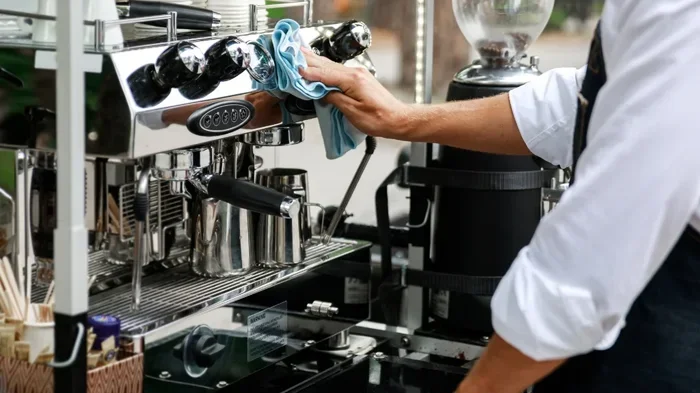
- Microfiber cloth for wiping exterior surfaces
- Small container or basket for soaking parts
- Clean water for rinsing
- Coffee-specific descaler tablets if your model recommends them
Avoid using vinegar or lemon juice for descaling. Many people think these are safe alternatives. They can damage rubber seals and leave behind strong odors. Stick to products made specifically for espresso machines. They are gentle on internal parts but tough on mineral deposits.
Step-by-Step Cleaning Process for Your Expobar
Now let us get into the actual cleaning process. Follow these steps in order for the best results. Each step targets a different part of your machine.
Step 1: Clean the Portafilter and Basket
Remove the portafilter from the group head. Take out the coffee basket inside. Rinse both under warm running water. Use a soft brush to scrub away any coffee grounds stuck in the mesh. Coffee oils build up on the basket over time. A quick scrub removes them easily. Let the parts soak in warm water if they are particularly dirty. Dry them thoroughly before putting them back in.
Step 2: Clean the Shower Screen
The shower screen sits at the top of the group head. It distributes water evenly over the coffee grounds. Over time, coffee oils and fine particles clog the tiny holes. This leads to uneven extraction and bad-tasting coffee. Use a soft brush and warm water to clean the screen. You can also soak it in espresso machine cleaner for stubborn residue. Some screens are removable. Check your model to see if yours comes off easily.
Step 3: Wipe Down the Group Head
With the shower screen removed, wipe the group head with a damp microfiber cloth. Pay attention to the area around the dispersion bulb. Coffee residue loves to hide in these spots. A clean group head ensures proper seal and prevents leaks. Be gentle around the rubber gasket. Do not use abrasive pads or harsh scrubbers.
Step 4: Clean the Steam Wand
The steam wand gets coated in milk residue after every latte or cappuccino. Wipe it with a damp cloth immediately after use while it is still warm. For a deeper clean, purge steam through the wand for a few seconds. Then soak the tip in warm soapy water. Use a pin or needle to clear any milk blockages from the steam holes. A clean steam wand produces better froth and lasts longer.
Step 5: Empty and Clean the Drip Tray and Water Tank
Remove the drip tray and wash it with warm soapy water. Coffee drips and spills build up quickly here. The water tank should also be cleaned regularly. Empty any remaining water and rinse the inside. If your machine has a water filter, check it and replace it as needed. Clean water leads to better tasting coffee and fewer mineral deposits.
Deep Cleaning and Descaling Your Expobar
Descaling is the most important deep cleaning task. It removes limescale and mineral buildup from inside the machine. This buildup affects heating efficiency and water flow. Descaling should happen every two to three months depending on how often you use the machine and how hard your water is.
How to Descale Your Expobar Machine
Start by filling the water tank with a mixture of descaling solution and water. Follow the ratio instructions on your descaler product. Run half of the solution through the machine by activating the brew cycle. Let the machine sit for about fifteen minutes. This gives the solution time to dissolve mineral deposits. Then run the rest of the solution through. After that, rinse the tank and fill it with clean water. Run several cycles of plain water through the machine to flush out any remaining descaler. Taste the water from a cup to make sure it is clean and free of chemical taste.
Backflushing Your Expobar
Backflushing is a weekly cleaning task for machines with a 3-way solenoid valve. Most Expobar models have this feature. It cleans the brew group internals that you cannot reach by hand. Insert a blind filter basket into the portafilter. Add a teaspoon of espresso machine cleaner into the basket. Lock the portafilter into the group head. Run the machine for about 10 seconds, then pause for 10 seconds. Repeat this cycle five times. Then run plain water through for 30 seconds to rinse. This simple process keeps your brew group fresh and functioning properly.
Cleaning the Coffee Grinder (If Applicable)
If your Expobar model has a built-in grinder, it needs attention too. Coffee oils accumulate in the grinder burrs over time. These oils go rancid and affect the flavor of your coffee. Use grinder cleaning tablets or a small brush to clean the burrs. Remove any leftover coffee beans from the hopper and give it a wipe. A clean grinder produces more consistent grounds and better tasting espresso.
Maintaining Your Expobar Between Cleanings
Daily habits make all the difference. A few small actions after each use keep your machine in great shape. Here are the best practices to follow every single day.
- Wipe the steam wand after every use to prevent milk buildup.
- Rinse the portafilter immediately after pulling a shot.
- Empty the drip tray when it gets full to prevent overflow and odors.
- Run a blank shot (without coffee) once a day to flush the brew group.
- Leave the group head open after cleaning to let it air dry.
- Use filtered water to reduce mineral buildup and extend time between descaling.
These small habits take almost no time. But they add up to a machine that performs beautifully for years. Think of it like brushing your teeth. A little daily care prevents big problems later.
Common Mistakes People Make When Cleaning Expobar Machines
Even with good intentions, people make mistakes that can hurt their machine. Avoid these common errors to keep your Expobar in top shape.
- Using abrasive cleaners or scouring pads can scratch surfaces and damage seals.
- Skipping descaling leads to buildup that reduces machine performance and can cause permanent damage.
- Using vinegar for descaling may seem natural but it damages rubber components and leaves odors.
- Not cleaning the steam wand right away lets milk dry and harden, making it much harder to clean later.
- Using soap on internal parts leaves a residue that affects coffee taste. Only use products designed for espresso machines.
- Ignoring the water filter leads to more mineral deposits and the need for more frequent descaling.
Each of these mistakes is easy to avoid. Just follow the proper cleaning methods and use the right products. Your machine will thank you with better performance and better tasting coffee.
Expert Tips for Keeping Your Expobar Running Like New
Here are some bonus tips from experienced espresso machine users and technicians. These small tricks make a big difference over time.
First, always use fresh, cold water in your tank. Hot water sits and breeds bacteria. Cold water also helps the heating element work more efficiently. Second, replace rubber seals and gaskets every six to twelve months. They wear out naturally and can cause leaks if not replaced. Third, keep a cleaning log. Write down when you descaled, backflushed, or replaced parts. This helps you stay on track and catch problems early.
Another great tip is to clean your machine in the morning before your first shot. This way any cleaning residue is fully flushed before you brew coffee for drinking. Also, if you notice a change in coffee taste or flow rate, clean the machine right away. Early action prevents small problems from becoming big ones.
When dealing with tough stains or stuck-on coffee residue, a dishwasher tablet cleaning method can sometimes help with stubborn external stains on machine parts, though you should never use this inside the machine itself. For deep cleaning kitchen appliances in general, regular maintenance is always better than waiting for problems to appear.
Remember that every machine is different. Always check your Expobar user manual for model-specific instructions. The manufacturer knows your machine best and can provide guidance on parts and cleaning products that are safe to use.
Final Thoughts on Cleaning Your Expobar
Cleaning your Expobar coffee machine does not have to be complicated or time-consuming. With a simple routine and the right supplies, you can keep your machine running perfectly for many years. Daily rinsing, weekly backflushing, and regular descaling are the three pillars of espresso machine care. Stick to these habits and you will notice a difference in every cup you brew.
Great coffee starts with a clean machine. The effort you put into maintenance pays off in flavor, performance, and machine longevity. Your Expobar is a worthy investment. Treat it well and it will reward you with excellent coffee every single morning. Start your cleaning routine today and feel the difference in your next brew.
For general appliance maintenance tips, regular deep cleaning practices similar to those used for deep cleaning kitchen appliances can provide helpful general guidance on maintaining equipment properly.
Frequently Asked Questions
How often should I descale my Expobar coffee machine?
You should descale your Expobar every two to three months. If you use the machine daily or have hard water, you may need to descale more often. Check your water for white buildup on the steam wand or notice a slower flow rate. These are signs it is time to descale.
Can I use vinegar to clean my Expobar coffee machine?
No, you should avoid using vinegar. Vinegar can damage rubber seals and gaskets inside the machine. It can also leave behind strong odors that affect coffee taste. Always use a descaling solution specifically designed for espresso machines.
What is backflushing and do I need to do it?
Backflushing is a cleaning process that runs water backward through the brew group to flush out coffee oils and residue. Most Expobar models with a 3-way solenoid valve benefit from weekly backflushing. It keeps internal parts clean and ensures consistent espresso extraction.
Can I put removable parts of my Expobar in the dishwasher?
It is best to wash removable parts by hand with warm water and mild soap. Dishwashers use harsh detergents and high heat that can damage plastic components and leave chemical residues. Hand washing is gentler and safer for your machine parts.
Why does my Expobar coffee taste bitter even after cleaning?
Bitter coffee can be caused by several factors. Coffee oils may still be trapped in the brew group or shower screen. Mineral buildup might not be fully removed after descaling. Try running extra rinse cycles and cleaning the shower screen more thoroughly. If the problem persists, check if your coffee beans are too finely ground or if the brew temperature is too high.
How do I know when to replace parts on my Expobar?
Rubber gaskets and seals should be replaced every six to twelve months. If you notice leaks around the portafilter or a decrease in steam pressure, the gasket may need replacing. Shower screens should be replaced when the holes become clogged and cannot be cleaned. Always use genuine Expobar replacement parts for best results.
=== CONCLUSION ===
Learning how to clean Expobar coffee machine is one of the best things you can do for your daily coffee experience. A clean machine brews better coffee, lasts longer, and saves you money on repairs. Follow the daily, weekly, and deep cleaning steps outlined in this guide. Keep your supplies stocked and your cleaning schedule consistent. Your Expobar will reward you with perfect espresso and delicious coffee for years to come. Start today and make cleaning a natural part of your coffee routine.
Remember that every cleaning session matters. Small efforts add up to big results. Keep your machine clean, use quality water and beans, and enjoy every single cup. Your Expobar is built to last, and with proper care, it will be your reliable coffee companion for a long time ahead.
For more kitchen appliance cleaning guidance, general tips on maintaining equipment can be found through resources on tough stain removal and appliance care that apply to keeping any kitchen machine in excellent working condition.