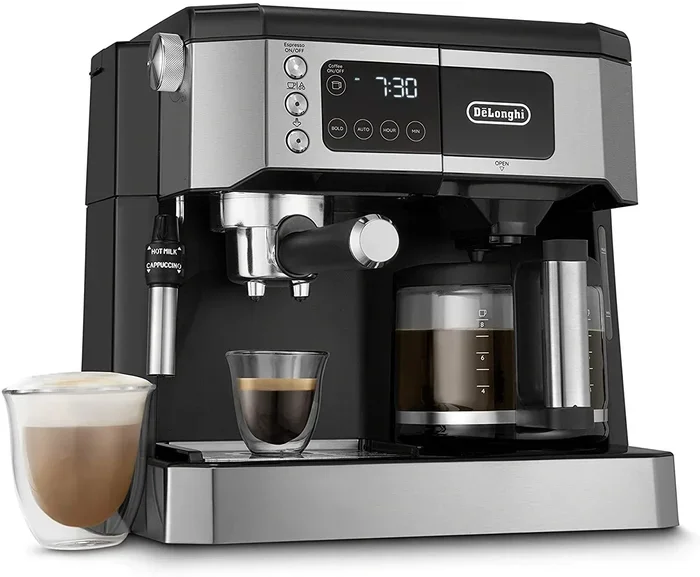
Does Black Coffee Make You Urinate More Frequently
Does black coffee make you urinate more frequently? The short answer is yes. Black coffee acts as a natural diuretic, increasing urine production and pushing you to the bathroom more often. The caffeine in coffee stimulates your kidneys and bladder, making your body process fluids faster than usual. If you drink several cups a day, you will likely notice a significant difference in how often you need to go. Understanding this effect can help you manage your fluid intake and avoid discomfort throughout the day.
Key Takeaways
- Caffeine is a natural diuretic: It signals your kidneys to produce more urine, leading to more frequent trips to the bathroom.
- Black coffee has no added sugars or fats: This makes its diuretic effect pure and direct, without the extra calories that can slow absorption.
- Your tolerance matters: Regular coffee drinkers may feel less of the urination effect over time as their body adapts to caffeine.
- Hydration is key: Drinking water alongside coffee helps balance the fluid loss caused by increased urination.
- Timing affects everything: Drinking coffee later in the day can disrupt sleep due to nighttime bathroom trips.
- Excessive intake can irritate your bladder: Too much coffee may worsen conditions like overactive bladder or urinary tract issues.
- Simple adjustments help: Reducing cup count, spacing out drinks, and staying hydrated can minimize the problem.
📑 Table of Contents
What Happens When You Drink Black Coffee
You grab your morning cup of black coffee. It smells great. It tastes bold. And within 30 to 45 minutes, you feel the urge to visit the bathroom. This is not a coincidence. It is your body reacting to caffeine.
Black coffee is one of the most popular diuretic beverages in the world. Millions of people start their day with it. And almost all of them have experienced that familiar rush to the restroom shortly after. But why does this happen? And is it something you should worry about?
The answer lies in how caffeine interacts with your body. Coffee contains compounds that directly affect your kidneys, bladder, and overall fluid balance. When you drink black coffee, there are no added sugars, creams, or milks to slow things down. The caffeine hits your system fast and hard. This makes the diuretic effect of black coffee more noticeable than many other drinks.
Think about it this way. When you drink a glass of water, your body holds onto most of that fluid. It uses it for hydration. But when you drink black coffee, your body treats the caffeine as a signal to flush things out. The result is increased urine production and more trips to the bathroom.
Many people also wonder about coffee addiction and its side effects. The frequent need to urinate is one of the most common complaints among heavy coffee drinkers. If you drink three or four cups a day, you are likely very familiar with this cycle. You pour a cup. You drink it. You wait. And then you go.
Why Black Coffee Specifically?
You might wonder why black coffee matters more than other types. When you add cream, sugar, or flavored syrups, you change the composition of the drink. These additions slow down how quickly your body absorbs the caffeine. Black coffee, on the other hand, goes straight to your bloodstream.
This is similar to how some people prefer plain toast in the morning without toppings. The simplicity means nothing gets in the way of the core experience. In the same way, black coffee delivers its effects without interference. If you enjoy Texas toast in the oven alongside your morning brew, you know exactly what we mean about keeping things simple and effective.
Another factor is temperature. Hot coffee tends to speed up your digestive system. The warmth relaxes your muscles and gets things moving. This includes your kidneys, which start filtering blood faster. More filtering means more urine. More urine means more bathroom visits.
The Science Behind Coffee and Urination
Let us get into the science a bit. You do not need a medical degree to understand this. But knowing what happens inside your body can help you make better choices about your coffee habits.
Caffeine works by blocking a hormone called adenosine. Adenosine normally tells your body to slow down and relax. When caffeine blocks it, your nervous system becomes more active. This increased activity includes your kidneys, which start working faster.
Here is what happens step by step:
- Caffeine enters your bloodstream. This happens within 20 minutes of drinking coffee.
- Your kidneys speed up filtration. They start pulling more water from your blood.
- Your bladder fills faster. The extra fluid produced by your kidneys collects in your bladder.
- You feel the urge to go. Your bladder signals your brain that it is full.
This entire process can happen in as little as 30 minutes. And it can last for several hours. The caffeine effects on urination are well-documented in scientific studies. Researchers have found that caffeine increases both the volume and frequency of urine output.
How Caffeine Affects Kidney Function
Your kidneys are incredible organs. They filter about 50 gallons of blood every single day. They remove waste and extra fluid, which becomes urine. When caffeine enters the picture, it tells your kidneys to work even harder.
Caffeine also affects the renin-angiotensin system, which controls blood pressure and fluid balance. By influencing this system, caffeine causes your kidneys to reabsorb less water. More water stays in your urine. This is the primary reason black coffee makes you urinate more.
Some people ask whether coffee side effects go beyond just the bathroom. The answer is yes. Caffeine can also increase your heart rate, boost your metabolism, and improve alertness. But the urination effect is one of the most immediate and noticeable.
Is Coffee a Diuretic or a Laxative?
There is a common belief that coffee is a laxative. Some people claim it makes them run to the bathroom for reasons other than urination. While caffeine does stimulate bowel movements in some individuals, the diuretic effect is much more pronounced and well-studied.
The diuretic properties of coffee are real. They are not just a myth or a placebo effect. Studies have shown that caffeine increases urine volume by up to 20% compared to drinking water. So if you drink a 12-ounce cup of black coffee, your body might actually produce 14 to 15 ounces of urine in response.
Interestingly, this effect is stronger in people who do not drink coffee regularly. If you are a casual coffee drinker, you will probably notice the urinary frequency more than someone who drinks it every day. Your body has not built up a tolerance to caffeine’s diuretic properties yet.
How Much Coffee Is Too Much
Now that you understand the science, the next question is obvious. How much black coffee is too much? The answer depends on several factors, including your body weight, caffeine sensitivity, and overall health.
Most health experts agree that up to 400 milligrams of caffeine per day is safe for most adults. That is roughly four 8-ounce cups of black coffee. But here is the thing. Even at three cups a day, many people experience significant frequent urination.
If you are wondering whether your coffee habit is crossing a line, ask yourself these questions:
- Do you urinate more than eight times a day?
- Do you wake up at night to use the bathroom?
- Do you feel anxious or jittery after drinking coffee?
- Do you avoid social events because of bathroom access?
- Does your urine look darker than normal despite drinking fluids?
If you answered yes to two or more of these, your coffee intake might be too high. Cutting back can help reduce both the bathroom trips and the other side effects of too much caffeine.
A Comparison: Black Coffee vs. Other Beverages
Not all drinks affect urination the same way. Some beverages are stronger diuretics than others. Here is a quick comparison to put things in perspective:
| Beverage | Caffeine Content (mg) | Diuretic Strength | Urination Effect |
|---|---|---|---|
| Black Coffee (8 oz) | 95 mg | Strong | High |
| Espresso (1 oz) | 63 mg | Moderate | Moderate |
| Green Tea (8 oz) | 28 mg | Mild | Low to Moderate |
| Black Tea (8 oz) | 47 mg | Moderate | Moderate |
| Energy Drink (8 oz) | 80 mg | Strong | High |
| Water (8 oz) | 0 mg | None | Minimal |
| Decaf Coffee (8 oz) | 2-5 mg | Very Mild | Very Low |
As you can see, black coffee ranks high on the diuretic scale. It is stronger than most teas and comparable to energy drinks. Water, of course, has no diuretic effect at all. This table should help you understand why switching from coffee to water can reduce your bathroom trips significantly.
Factors That Affect Urination Frequency
Not everyone experiences the same level of effect from black coffee. Several factors determine how much coffee will make you urinate. Understanding these can help you personalize your approach.
Caffeine Sensitivity
Some people are highly sensitive to caffeine. For them, even one cup of black coffee can trigger a strong urge to urinate within 20 minutes. Others can drink multiple cups and barely notice any difference.
Caffeine sensitivity is largely genetic. Your liver enzymes determine how fast you metabolize caffeine. If you are a fast metabolizer, the effects wear off quickly. If you are a slow metabolizer, the caffeine stays in your system longer and continues to affect your bladder.
Body Weight and Hydration Level
Your body weight plays a role too. A smaller person will experience stronger effects from the same amount of coffee compared to a larger person. This is because caffeine spreads through a smaller volume of body water.
Your hydration level also matters. If you are already well-hydrated, coffee’s diuretic effect may be less noticeable. But if you are dehydrated, coffee can actually make things worse by pulling even more water out of your system. This is why hydration is so important for coffee drinkers.
Time of Day and Bladder Capacity
When you drink coffee matters a lot. Drinking it first thing in the morning is normal and generally fine. But drinking it right before bed can lead to nighttime urination, which disrupts your sleep quality.
Your bladder capacity also varies from person to person. Some people have smaller bladders and feel the urge to go sooner. For these individuals, black coffee can be especially problematic. The combination of a small bladder and a strong diuretic is a recipe for frequent trips to the restroom.
Other Dietary Factors
What else you eat and drink throughout the day affects how coffee impacts your urination. Spicy foods, acidic fruits, and artificial sweeteners can all irritate your bladder. When combined with coffee, the effect is compounded.
If you enjoy a morning routine that includes coffee and breakfast, be mindful of what you pair with it. For instance, a simple breakfast like toast made in the oven without a toaster paired with black coffee is a common choice. Keeping your breakfast light and balanced can help reduce bladder irritation throughout the morning.
Some people also consume electrolyte drinks alongside coffee. This can help offset the fluid loss from increased urination. Sports drinks or even a pinch of salt in water can replenish what your body loses.
Tips to Manage Bathroom Trips After Coffee
If you love your black coffee but hate the constant bathroom trips, you are not alone. The good news is that there are several practical strategies you can use to manage this issue without giving up your favorite drink.
1. Pace Your Coffee Intake
Instead of drinking two cups back to back, space them out. Have one cup in the morning and another mid-afternoon. This gives your body time to process the caffeine and reduces the cumulative diuretic effect. Spacing out your drinks also helps maintain more stable energy levels throughout the day.
2. Drink Water Between Cups
For every cup of black coffee you drink, follow it with a full glass of water. This helps replenish the fluids your body loses through increased urination. It also dilutes the caffeine in your system, softening its diuretic impact.
Many coffee drinkers make the mistake of only drinking coffee all day. This leads to a cycle of dehydration and frequent urination. By alternating with water, you break that cycle and keep your body balanced.
3. Choose Smaller Cups
Consider switching from large mugs to smaller cups. A 6-ounce cup of black coffee contains less caffeine than a 12-ounce mug. You still get the flavor and the morning boost, but with a milder effect on your bladder.
This simple switch can reduce your daily caffeine intake by 50% or more. Over time, this adds up to fewer bathroom trips and better bladder comfort.
4. Avoid Coffee on an Empty Stomach
Drinking black coffee on an empty stomach accelerates caffeine absorption. Your body processes it faster, and the diuretic effect hits harder. Eating a small meal or snack before your coffee can slow things down and reduce the urgency.
Some good pre-coffee snacks include a banana, a handful of nuts, or a piece of whole-grain bread. These foods help slow caffeine absorption and provide your body with extra nutrients to handle the stress of caffeine processing.
5. Try Decaf for Later Cups
If you enjoy multiple cups throughout the day, consider switching to decaf after your first or second cup. Decaf coffee still has a small amount of caffeine, but not enough to trigger a strong diuretic response. You get the ritual and the warmth without the bathroom urgency.
Decaf has come a long way in recent years. Modern decaffeination methods preserve much of the flavor while removing most of the caffeine. You might be surprised at how good a quality decaf can taste.
6. Strengthen Your Bladder Muscles
Kegel exercises are not just for women. Men can benefit from them too. These exercises strengthen the pelvic floor muscles that control urination. Stronger pelvic muscles mean better bladder control, even when caffeine is pushing your body to produce more urine.
Try doing Kegel exercises for a few minutes each day. Squeeze the muscles you would use to stop urinating, hold for five seconds, and release. Over time, you will notice improved bladder control and fewer urgent trips to the bathroom.
When to See a Doctor
Most of the time, frequent urination after drinking black coffee is completely normal. It is just your body’s natural response to caffeine. But there are times when it could signal a deeper issue.
You should consider seeing a doctor if you experience any of the following:
- Pain or burning when you urinate
- Blood in your urine
- Urgent urination that you cannot control
- Frequent urination that happens even when you do not drink coffee
- Excessive thirst alongside frequent urination
- Waking up multiple times at night to urinate
These symptoms could indicate conditions like a urinary tract infection, overactive bladder, or even diabetes. Caffeine can worsen these conditions, so it is important to get checked out if you notice any of them.
People with existing bladder conditions should also be cautious about their coffee intake. If you have been diagnosed with an overactive bladder or interstitial cystitis, your doctor may recommend reducing or eliminating caffeine entirely. The irritation caused by coffee can aggravate these conditions significantly.
Do not be embarrassed to bring this up with your doctor. Frequent urination is a common issue, and doctors hear about it all the time. They can help you determine whether coffee is the culprit or if something else is going on.
The Bottom Line on Black Coffee and Urination
So, does black coffee make you urinate more frequently? The evidence is clear. Yes, it does. Black coffee is a powerful natural diuretic that increases urine production and sends you to the bathroom more often.
The good news is that this effect is manageable. By pacing your intake, drinking water alongside your coffee, and listening to your body, you can enjoy your daily brew without the constant disruption. Small changes in your habits can make a big difference.
Remember that everyone’s body reacts differently. What causes frequent urination in one person might barely affect another. Pay attention to your own patterns and adjust accordingly. If coffee is causing you significant discomfort, consider cutting back or switching to decaf for some of your daily cups.
Coffee is one of life’s simple pleasures. It brings people together, fuels mornings, and provides a much-needed energy boost. You do not have to give it up just because it makes you urinate more. You just need to understand how it works and manage your intake wisely.
Whether you enjoy your black coffee straight, pair it with a warm breakfast, or sip it slowly throughout the morning, the key is balance. Stay hydrated, stay mindful, and enjoy every cup without the stress of constant bathroom trips.
Frequently Asked Questions
How long after drinking black coffee do you need to urinate?
Most people feel the urge to urinate within 20 to 45 minutes after drinking black coffee. This is because caffeine enters your bloodstream quickly and signals your kidneys to increase urine production. The exact timing varies based on your caffeine sensitivity and whether you have eaten recently.
Does adding milk or cream to coffee reduce the diuretic effect?
Yes, adding milk or cream can slightly reduce the diuretic effect. The fats and proteins in dairy slow down caffeine absorption, which means the urge to urinate comes more gradually. However, the effect is still present, just less immediate than with black coffee.
Is decaf coffee a better choice if I need to reduce bathroom trips?
Decaf coffee is a much better choice for reducing bathroom trips. It contains only 2 to 5 milligrams of caffeine per cup, compared to about 95 milligrams in regular coffee. This minimal caffeine content means very little diuretic effect, so you can enjoy the taste without the frequent urination.
Can drinking too much black coffee damage your kidneys?
Moderate coffee consumption is generally safe for healthy kidneys. However, excessive intake can put extra strain on your kidneys due to the increased workload from processing caffeine and extra fluid. If you have existing kidney conditions, consult your doctor about your coffee intake.
Why does black coffee make me urinate more than other caffeinated drinks?
Black coffee tends to have a stronger diuretic effect than many other caffeinated drinks because it contains no added sugars, fats, or other compounds that slow absorption. The pure caffeine hits your system quickly and directly stimulates your kidneys. Also, the hot temperature of coffee can further accelerate your digestive and urinary processes.
Can I train my bladder to handle coffee better?
Yes, you can train your bladder to some degree through timed voiding and pelvic floor exercises. Gradually increasing the time between bathroom visits and strengthening your bladder muscles can improve your control. However, this does not eliminate the diuretic effect of caffeine, it just helps your body manage it better.
=== CONCLUSION ===
Does black coffee make you urinate more frequently? The answer is a clear yes. Caffeine is a natural diuretic that increases urine production and sends you to the bathroom more often. But understanding this effect empowers you to manage it effectively. By pacing your intake, staying hydrated, and making simple adjustments to your routine, you can continue enjoying your black coffee without the constant disruption. Listen to your body, make smart choices, and remember that moderation is the key to balancing your love for coffee with a comfortable daily life.