What Is Preheated Oven Safe And Why It Really Matters
Preheated oven safe means a dish, pan, or container can handle the high heat of an oven that has already reached its target temperature. Not every cookware or baking dish can go straight into a hot oven, and using the wrong one can lead to cracks, spills, or even dangerous releases of harmful chemicals. This guide explains what preheated oven safe really means, which materials work best, and how to avoid common mistakes that ruin your food and your kitchen tools.
Have you ever pulled out a beautiful dish from the cabinet, placed it straight into a roaring hot oven, and then heard a terrifying crack minutes later? That is the painful result of not understanding what preheated oven safe really means. It is one of those kitchen details that sounds simple but makes a huge difference in how your food turns out and how long your cookware lasts.
Whether you are baking a casserole, roasting vegetables, or making a quick pizza, knowing if your dish can handle a preheated oven is absolutely essential. Using the wrong dish can ruin your meal, break your favorite pan, or even release harmful chemicals into your food. In this article, we will walk you through everything you need to know about preheated oven safe cooking, from the science behind heat resistance to the best materials and the most common mistakes people make.
Key Takeaways
- Preheated oven safe means your dish can handle the full heat of an already-hot oven without cracking or releasing toxins.
- Materials like tempered glass, ceramic, stoneware, and certain metals are typically oven proof and heat resistant.
- Placing a cold dish into a preheated oven can cause thermal shock, which leads to cracks and breakage.
- Always check the bottom of your dish for oven-safe symbols or manufacturer labels before using it in a hot oven.
- Letting your dish gradually warm up before placing it in a preheated oven reduces the risk of damage significantly.
- Not all baking dishes are created equal, so understanding heat tolerance is essential for safe and great cooking.
- Following simple tips like using oven mitts and avoiding sudden temperature changes keeps your kitchen safe and your tools lasting longer.
📑 Table of Contents
- What Does Preheated Oven Safe Actually Mean?
- Why Preheating Your Oven Is Important
- Which Materials Are Preheated Oven Safe?
- How to Know If Your Dish Is Preheated Oven Safe
- Common Mistakes People Make With Preheated Ovens
- Tips for Using Preheated Ovens Safely
- Frequently Asked Questions
- Final Thoughts
What Does Preheated Oven Safe Actually Mean?
When a dish or piece of cookware is labeled as preheated oven safe, it means the item can be placed directly into an oven that has already reached its cooking temperature. You do not need to wait for the oven to cool down or place the dish inside while the oven is still warming up. The dish is built to handle that full, intense heat from the very start.
This is different from a dish that is only safe to use in an oven that is still heating up. Some materials can handle gradual warming but will crack or shatter when exposed to sudden high temperatures. Understanding this distinction is the first step toward becoming a more confident and safer cook.
The Science Behind Heat Resistance
Every material expands when heated. This is called thermal expansion. When your dish goes from room temperature to a hot oven, the outer surface heats up faster than the center. If the material cannot handle this rapid change, it will crack or even explode inside the oven.
This is called thermal shock, and it is the number one enemy of kitchen dishes. A preheated oven safe dish is made from materials that distribute heat evenly and can handle sudden temperature changes without breaking. That is why manufacturers test their products specifically for this purpose.
Why the Distinction Matters
You might wonder why this small detail matters so much. The truth is, it matters a lot. A dish that is not preheated oven safe might look perfectly fine on the counter but will fail the moment it hits high heat. This can lead to broken glass in your food, ruined meals, and even injuries from sharp shards or hot liquids spilling over.
Taking a few extra seconds to check whether your dish is oven proof before you preheat the oven can save you from all of these problems. It is a small habit that makes a massive difference in your kitchen safety and cooking results.
Why Preheating Your Oven Is Important
Preheating is not just a step you skip when you are in a rush. It serves a very real purpose in cooking. When your oven reaches the right temperature before food goes in, the heat starts working on your meal immediately. This affects cooking time, texture, and flavor in ways that a cold start simply cannot match.
Even Cooking and Better Results
When you place food into a preheated oven, the cooking process begins right away. Your dish heats up evenly, your edges get golden, and your center cooks through properly. Without preheating, your food tends to cook unevenly, which can leave you with soggy bottoms or overcooked edges.
This is especially true for baked goods like bread, cookies, and cakes. The initial burst of heat helps dough rise and set properly. If your oven is not hot enough when the food goes in, the results can be flat, dense, or unevenly baked.
Food Safety and Temperature Control
Beyond cooking quality, preheating also plays a role in food safety. When your oven is already at the right baking temperature, your food reaches a safe internal temperature faster. This reduces the time your food spends in the danger zone where harmful bacteria can grow.
For dishes like casseroles, meats, and egg-based recipes, reaching a safe internal temperature quickly is crucial. A preheated oven helps you achieve this reliably every single time you cook.
How Long Should You Preheat?
Most ovens need about 10 to 15 minutes to reach the target temperature. Some modern ovens have indicators that tell you when they are ready. If your oven does not have this feature, consider investing in an oven thermometer. It is a small tool that takes the guesswork out of preheating and ensures your oven is truly at the right temperature before you put your food in.
Which Materials Are Preheated Oven Safe?
Not all kitchenware is created equal when it comes to handling a hot oven. Some materials are naturally heat resistant and can go straight into a preheated oven, while others should never be used at high temperatures. Here is a detailed look at the most common materials and how they perform.
Tempered Glass
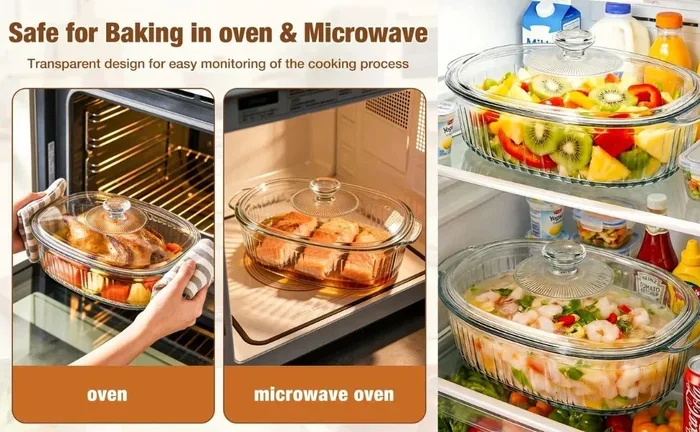
Tempered glass is one of the most popular oven safe materials. It is designed to handle high temperatures and sudden changes in heat. Brands like Pyrex make baking dishes and casserole dishes that are specifically labeled as preheated oven safe.
However, there is a catch. Not all glass is tempered. Regular glass, such as drinking glasses or old jars, should never go in a hot oven. Always look for the label or symbol on the bottom of the dish that says it is oven proof.
Ceramic and Stoneware
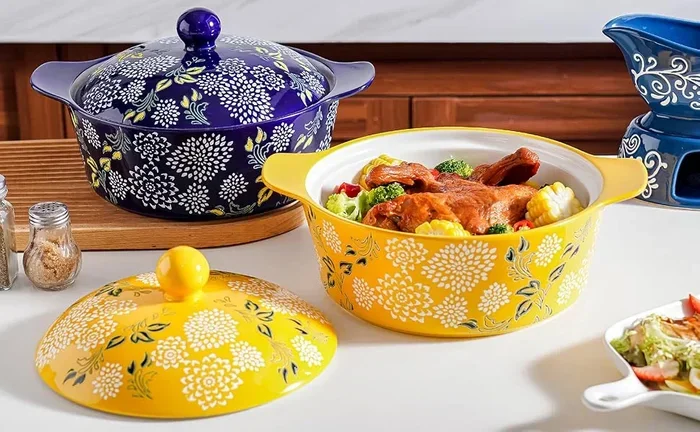
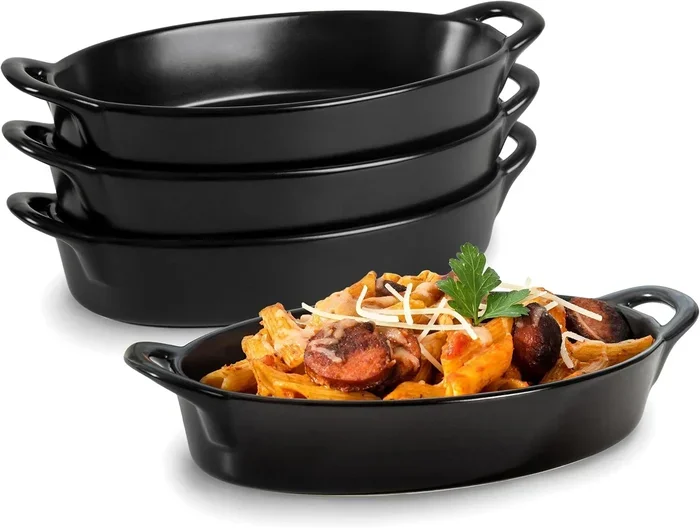
Ceramic oven safe dishes and stoneware are excellent choices for preheated oven cooking. They distribute heat evenly and retain warmth well, which makes them perfect for casseroles, baked pasta, and roasted dishes.
One important thing to keep in mind is that not all ceramics handle thermal shock equally. Some cheaper ceramic dishes may crack if placed directly into a preheated oven. Always check the manufacturer’s instructions before using a ceramic dish at high heat.
Metal Cookware
Most metal pans, including aluminum baking sheets, stainless steel, and cast iron, are naturally preheated oven safe. They can handle very high temperatures and are incredibly durable. Cast iron skillets, in particular, are a favorite among home cooks because they work on the stovetop and in the oven.
One thing to watch out for is non-stick coatings. Some non-stick pans are only safe up to a certain safe cooking temperature. Always check the label to make sure the coating can handle the heat of a preheated oven.
Silicone
Silicone oven safe products have become increasingly popular in recent years. High-quality silicone can handle temperatures up to 450 degrees Fahrenheit or higher. Silicone baking mats, molds, and spatulas are all great examples of flexible, heat resistant kitchen tools.
Make sure you are buying food-grade silicone from a reputable brand. Cheaper silicone products may not be truly heat resistant and could release unwanted chemicals when exposed to high heat.
Materials to Avoid
Some materials should never go in a preheated oven. These include:
- Regular glass (not tempered) — it can shatter under high heat.
- Plastic containers — they melt and release harmful chemicals.
- Wooden cutting boards — they can burn or crack.
- Paper or cardboard — obviously, these will catch fire.
- Non-stick pans with damaged coatings — they can release toxic fumes at high temperatures.
How to Know If Your Dish Is Preheated Oven Safe
Figuring out if your dish can go in a hot oven does not have to be complicated. There are clear signs and symbols you can look for. Here is how to check whether your baking dish or cookware is truly preheated oven safe.
Check the Bottom of the Dish
Most oven-safe dishes have a symbol on the bottom. It usually looks like an oven with waves coming out of it. Some dishes also include a temperature rating, which tells you the maximum heat tolerance of the material.
If you see this symbol, your dish is designed to handle the heat of a preheated oven. If there is no symbol at all, it is better to be safe and assume the dish is not oven safe unless you can confirm otherwise.
Read the Manufacturer’s Guide
Every piece of quality cookware comes with a guide or instruction manual. This guide will clearly state whether the item is oven proof and up to what temperature. If you have lost the manual, most manufacturers have PDF versions available on their websites.
Taking two minutes to look up this information can save you from a costly mistake. It is one of the easiest ways to protect your investment in quality kitchen tools.
When in Doubt, Test Carefully
If you are unsure about a dish and there is no clear label, you can do a simple test. Place the dish in a cool oven and then set the temperature to 350 degrees Fahrenheit. Let it heat up slowly with the oven. If the dish survives without cracking or warping, it is likely oven safe. However, this test is not foolproof, and it is always better to rely on manufacturer guidelines when possible.
Common Mistakes People Make With Preheated Ovens
Even experienced cooks make mistakes when it comes to using a preheated oven. These errors can damage your dishes, ruin your food, and even create safety hazards. Here are the most common ones and how to avoid them.
Placing a Cold Dish Directly Into a Hot Oven
This is the most common mistake. Taking a dish straight from the refrigerator and placing it into a preheated oven creates a massive temperature gap. The sudden change in heat causes thermal shock, which can crack glass, warp metal, and break ceramic.
The fix is simple. Let your dish come to room temperature before placing it in the oven. This small step reduces the temperature difference and keeps your cookware safe.
Using the Wrong Size Dish
Choosing a dish that is too large or too small for your recipe can also cause problems. A dish that is too small may overflow in a preheated oven, creating a mess and potentially causing a fire. A dish that is too large may cook your food unevenly.
Always match your dish size to the recipe requirements. When in doubt, choose a dish that fits comfortably with a little room for the food to expand.
Ignoring Temperature Limits
Every oven proof dish has a maximum temperature limit. Exceeding this limit, even by a small amount, can cause the dish to crack or release harmful substances. Always check the temperature rating and make sure your cooking temperature stays within the safe range.
Skipping the Oven Mitts
This might seem obvious, but it happens more often than you think. A preheated oven safe dish will still be extremely hot when you take it out. Always use thick oven mitts or a dry kitchen towel to handle hot dishes. Placing a hot dish on a cold or wet surface can also cause damage.
Tips for Using Preheated Ovens Safely
Using a preheated oven safely is all about building good habits. Here are some practical tips that will help you cook with confidence and protect both your food and your kitchen tools.
Always Read the Label
Before using any dish in a preheated oven, take a moment to check the label or symbol on the bottom. This one simple habit can prevent countless accidents and extend the life of your cookware.
Let Dishes Warm Up Gradually
If a dish is not explicitly labeled as preheated oven safe, you can still use it in the oven by letting it warm up gradually. Place it in the oven while it is still cool, and let both the dish and oven reach the target temperature together. This reduces the risk of thermal shock.
Use a Baking Sheet Underneath
Placing your dish on a baking sheet before putting it in the oven makes it easier to move and provides an extra layer of protection for your countertops. A hot dish placed directly on a cold granite counter can crack the surface or damage the dish.
Keep Your Oven Clean
A clean oven heats more evenly and reduces the risk of smoke or flare-ups. Food spills from a previous cook can burn during preheating, creating smoke and even affecting the taste of your food. Make it a habit to clean your oven after each use.
Invest in Quality Cookware
Cheap cookware might save you money upfront, but it often fails when exposed to high heat. Investing in quality oven safe dishes and pans pays off in the long run. They last longer, cook better, and keep your kitchen safer.
Frequently Asked Questions
Can I put a glass dish in a preheated oven?
Yes, but only if the glass is tempered and labeled as preheated oven safe. Regular glass can shatter under high heat, so always check the bottom of the dish for an oven-safe symbol before using it in a hot oven.
What happens if I put a non-oven-safe dish in a preheated oven?
The dish may crack, shatter, or warp due to thermal shock. This can ruin your food, damage your oven, and even cause injuries from hot liquid spills or sharp glass pieces. Always verify that your dish is oven proof before using it at high temperatures.
How do I know if my ceramic dish is preheated oven safe?
Check the bottom of the dish for an oven-safe symbol or a temperature rating. You can also refer to the manufacturer’s guide. If the dish is labeled as ceramic oven safe, it can handle the heat of a preheated oven without cracking.
Is all metal safe for a preheated oven?
Most metals, including stainless steel, aluminum, and cast iron, are naturally preheated oven safe. However, pans with non-stick coatings may have a temperature limit. Always check the manufacturer’s guidelines to be sure your metal cookware can handle the heat.
Can silicone go in a preheated oven?
High-quality, food-grade silicone is generally oven safe and can handle temperatures up to 450 degrees Fahrenheit or more. Just make sure the product is specifically labeled as silicone oven safe and is from a reputable brand to ensure it does not release harmful chemicals at high heat.
Do I need to preheat the oven for every recipe?
Most baking and roasting recipes require a preheated oven for the best results. However, some slow-cooked or braised dishes do not need preheating. Always follow the recipe instructions and preheat when it says to do so for even cooking and proper texture.
Final Thoughts
Understanding what preheated oven safe means is one of the most valuable skills you can develop in the kitchen. It protects your dishes, keeps your food safe, and helps you achieve better cooking results every single time. From choosing the right baking dish to avoiding common mistakes, the knowledge you have gained from this guide will serve you well in all your future cooking adventures.
Take a moment to check your current cookware and make sure each piece is truly oven proof. Look for the symbols on the bottom, read the manufacturer’s guidelines, and start building habits that keep your kitchen safe and efficient. A preheated oven is a powerful tool, and when you use it with the right dishes and techniques, you will notice a real difference in the quality of your meals.
So the next time you turn on that oven and wait for it to heat up, you will know exactly which dishes are ready to go in and which ones need a little extra care. Cooking should be enjoyable and safe, and understanding preheated oven safe practices is a big step in the right direction. Happy cooking!