How To Roast Cacao Beans In Oven And Get The Best Flavor
Roasting cacao beans in your oven is the easiest way to unlock deep, rich chocolate flavor at home. This guide walks you through every step, from preparing raw cacao beans to pulling perfectly roasted beans out of the oven. You will learn the ideal temperature, timing, and tips that chocolate makers swear by. Whether you are a beginner or a home chocolate maker, these simple methods will elevate your cacao game.
Key Takeaways
- Right Temperature Matters: Roasting cacao beans at 250 to 325 degrees Fahrenheit brings out the best chocolate flavor without burning.
- Preparation Is Key: Properly drying and sorting your raw cacao beans before roasting leads to more even results.
- Timing Varies by Roast Level: Light roasts take 15 to 20 minutes, while dark roasts need 25 to 35 minutes for full flavor development.
- Listen and Smell: Your senses are the best tools for knowing when cacao beans are perfectly roasted.
- Avoid Common Mistakes: Skipping the fermentation step or roasting at too high a temperature ruins the flavor profile.
- Post-Roast Handling Matters: Cooling and storing roasted cacao beans properly preserves their fresh chocolate taste.
📑 Table of Contents
- What Are Cacao Beans And Why Roast Them
- How To Prepare Cacao Beans For Oven Roasting
- The Best Oven Temperature For Roasting Cacao Beans
- Step By Step Guide To Roasting Cacao Beans In Oven
- How To Tell When Cacao Beans Are Perfectly Roasted
- Using Your Roasted Cacao Beans For Chocolate Making
- Common Mistakes To Avoid When Roasting Cacao Beans
- Quick Tips For Perfect Oven Roasted Cacao
- Comparison: Light, Medium, and Dark Roast Cacao Beans
- Expert Insights On Cacao Roasting
- Conclusion
What Are Cacao Beans And Why Roast Them
Cacao beans are the seeds found inside the fruit of the cacao tree. These beans start out very bitter and almost nothing like the chocolate you know. Before they can become chocolate, they need several steps. Fermentation, drying, and roasting are the big ones.
Roasting is where the magic really happens. When you apply heat to cacao beans, hundreds of chemical reactions take place. This process is called the Maillard reaction. It creates the deep, complex flavors we associate with chocolate. Without roasting, you just have raw cacao beans with a harsh, earthy taste.
Many home chocolate makers skip right to the fun part. They want to make chocolate and skip the roasting step. But roasting cacao beans in oven is what transforms them from bitter seeds into something truly special. The right roast brings out fruity, nutty, and caramel notes hidden inside each bean.
When you learn how to roast cacao beans in oven at home, you gain full control over the flavor. Commercial chocolate makers use large industrial roasters. But a standard kitchen oven works just fine for small batches. You can experiment with different roast levels and find your personal favorite.
Understanding the basics of cacao roasting helps you appreciate the craft behind every chocolate bar. It also gives you the power to create bean to bar chocolate in your own kitchen. Let us dive into the details.
How To Prepare Cacao Beans For Oven Roasting
Choosing Your Cacao Beans
Not all cacao beans are the same. There are three main varieties: Criollo, Forastero, and Trinitario. Criollo beans are rare and have a delicate, complex flavor. Forastero beans are more common and have a stronger, more bitter taste. Trinitario is a hybrid that offers the best of both worlds.
When buying raw cacao beans for roasting, look for beans that are uniform in size. They should be plump and free of mold or debris. You can find them online from specialty suppliers or at local chocolate making stores. Single origin cacao beans are a great choice because they let you taste the unique characteristics of a specific region.
Always buy fermented cacao beans. Fermentation is a critical step that develops the precursors to chocolate flavor. Raw cacao beans that have not been fermented will not taste good no matter how perfectly you roast them.
Drying Your Beans Before Roasting
Before you put cacao beans in the oven, they need to be dry. Freshly fermented beans contain a lot of moisture. Too much moisture during roasting leads to uneven results. The beans might steam instead of roast.
Spread your beans out on a clean towel or baking sheet. Let them air dry for 24 to 48 hours. You can also use a food dehydrator on low heat. The goal is to reduce moisture content to about 7 percent. Your beans should feel hard and snap easily when you bend them.
This drying step is often overlooked but it matters a lot. Properly dried beans roast more evenly and develop a cleaner chocolate flavor.
Sorting and Cleaning
Take a few minutes to sort through your beans. Remove any broken pieces, flat beans, or debris. These can burn during roasting and affect the taste of the rest. A quick visual inspection goes a long way.
Some people like to remove the outer shell before roasting. This gives you cacao nibs directly. But for most home roasters, it is easier to roast the whole bean first. You can remove the shell after roasting, which is called winnowing.
The Best Oven Temperature For Roasting Cacao Beans
Temperature Ranges Explained
The ideal cocoa roasting temperature depends on what flavor profile you want. Most experts agree that 250 to 325 degrees Fahrenheit is the sweet spot. Going too high can burn the beans and create bitter, acrid flavors. Going too low means the beans will not develop properly.
Here is a simple breakdown of temperature ranges and what they do:
- 250 to 275 degrees Fahrenheit: This is a light roast. It preserves the original fruity and floral notes of the cacao. Great for high quality single origin cacao.
- 275 to 300 degrees Fahrenheit: A medium roast. This brings out balanced chocolate flavor with hints of nuttiness and caramel.
- 300 to 325 degrees Fahrenheit: A dark roast. This creates deep, bold chocolate flavor with less acidity. Good for making dark chocolate.
Always start with a lower temperature if you are unsure. You can always roast longer, but you cannot undo a burnt batch. Patience is your best friend here.
Convection vs Conventional Oven
If you have a convection oven, use it. The fan circulates hot air around the beans for more even roasting. Conventional ovens can create hot spots that lead to uneven results. If you only have a conventional oven, stir the beans halfway through the roast.
A toaster oven also works well for small batches. Just make sure the temperature is accurate. An oven thermometer is a cheap and helpful tool. Many ovens run hotter or cooler than what the dial says.
Step By Step Guide To Roasting Cacao Beans In Oven
Step 1: Preheat Your Oven
Start by preheating your oven to your chosen temperature. Give it at least 15 to 20 minutes to reach the target heat. A properly preheated oven ensures the beans start roasting immediately rather than slowly warming up.
Step 2: Spread Beans on a Baking Sheet
Line a baking sheet with parchment paper. Spread the beans in a single layer. Do not pile them up. You want air to flow around each bean. A single layer ensures even heat exposure and consistent roasting.
If you are roasting a large batch, use multiple sheets. Overcrowding is one of the biggest mistakes people make. Crowded beans steam instead of roast, which leads to flat flavor.
Step 3: Set Your Timer
For a light roast, set your timer for 15 to 20 minutes. For a medium roast, aim for 20 to 25 minutes. A dark roast needs 25 to 35 minutes. These times can vary based on your oven and bean moisture content.
Set a timer for halfway through the roast. At this point, open the oven and stir the beans gently with a spatula. This helps them roast evenly. You will notice the aroma starting to develop at this stage.
Step 4: Listen and Smell
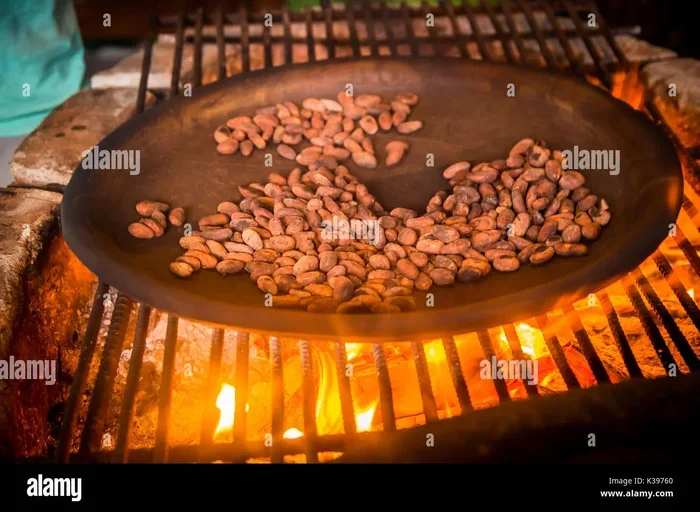
This is the most fun part. As the beans roast, they will start to crack and pop. This sounds like popcorn. The first crack means the beans are developing. The second crack means they are going darker.
Your nose is a powerful tool. The raw, earthy smell will transform into a rich chocolate aroma. When the smell makes your kitchen smell like a chocolate factory, you are close. Trust your senses.
Step 5: Cool the Beans Quickly
As soon as the beans reach your desired roast level, take them out. Spread them on a cool baking sheet or a marble slab. Rapid cooling stops the roasting process. If you leave them in the hot pan, they will keep cooking and may burn.
You can fan the beans or spread them out to cool faster. Some roasters use a hair dryer on cool setting. The goal is to get them to room temperature within 10 to 15 minutes.
Step 6: Store or Process
Once cooled, you can store your roasted cacao beans in an airtight container. They will stay fresh for several weeks. If you want to make chocolate, you can now crack the shells and extract the cacao nibs inside.
To make cacao paste, grind the nibs in a food processor or spice grinder. The natural fats will release and create a smooth, rich chocolate base. This is the foundation for making your own chocolate at home.
How To Tell When Cacao Beans Are Perfectly Roasted
Knowing when your cocoa beans are done takes practice. But there are clear signs to look for. The color will darken significantly. Raw beans are a pale brown or purple. Roasted beans turn a deep brown, almost mahogany.
The shell should feel thin and crispy. When you bite into a roasted bean, the inside should be soft and crumbly. If it feels hard or chalky, the roast was too light. If it tastes bitter and ashy, it went too far.
Here are the key signs of perfectly roasted cacao beans:
- A rich, chocolatey aroma fills the kitchen
- The beans have darkened to a deep brown color
- The shells crack and split easily
- The beans feel lighter and less moist
- A pleasant, slightly sweet smell replaces the raw earthy odor
Keep notes on your roasting sessions. Write down the temperature, time, and roast level. This helps you replicate great results every time. Every oven is different, so your perfect settings may vary from someone else’s.
Using Your Roasted Cacao Beans For Chocolate Making
Once you have mastered roasting cacao beans in oven, the real fun begins. You can use your roasted beans to make chocolate at home. The process is simpler than most people think.
First, winnow the beans. This means cracking the shells and separating the nibs from the husks. You can do this by hand or use a blender on low speed. The heavier nibs will fall to the bottom while the light shells float away.
Next, grind the nibs into a thick paste. This is called cacao mass or cacao paste. The natural cocoa butter melts during grinding and creates a smooth, liquid consistency. At this point, you can add sweetener and more cocoa butter to make chocolate bars.
Some home chocolate makers like to refine their chocolate further. A melangeur or stone grinder creates a very smooth texture. But even without special equipment, you can make delicious chocolate in your kitchen.
The flavor of your final chocolate depends heavily on how well you roasted the beans. A perfect roast brings out the best in each bean variety. Experiment with different beans and roast levels to find your signature chocolate profile.
Common Mistakes To Avoid When Roasting Cacao Beans
Roasting at Too High a Temperature
This is the number one mistake. Many people think higher heat means faster roasting. But cacao beans are delicate. Too much heat burns the sugars and creates harsh, bitter flavors. Stick to the recommended temperature range and be patient.
Skipping the Drying Step
Wet beans do not roast well. They steam instead of developing flavor. Always make sure your cacao beans are properly dried before they go in the oven. This simple step makes a huge difference in the final result.
Overcrowding the Baking Sheet
Cacao beans need space and airflow. Piling them up leads to uneven roasting. Some beans will be burnt while others are underdone. Give each bean room to breathe.
Not Cooling the Beans Fast Enough
Residual heat continues to cook the beans even after you take them out. If you leave them sitting in a hot pan, they will over-roast. Spread them out immediately and let them cool quickly.
Ignoring Bean Quality
Great roasting cannot fix bad beans. Start with high quality, properly fermented cacao beans. The flavor of the final product starts long before it hits your oven.
Quick Tips For Perfect Oven Roasted Cacao
- Use an oven thermometer to verify your oven temperature is accurate.
- Roast a small test batch before committing to a large quantity.
- Rotate the baking sheet halfway through for even roasting.
- Let roasted beans rest for 24 hours before processing. This allows the flavors to mellow and develop.
- Store roasted beans in a cool, dark place in an airtight container.
- Label your beans with the roast date and temperature for future reference.
- Try roasting different cacao bean varieties side by side to compare flavors.
Comparison: Light, Medium, and Dark Roast Cacao Beans
| Roast Level | Temperature | Time | Flavor Profile | Best For |
|---|---|---|---|---|
| Light Roast | 250 to 275 F | 15 to 20 min | Fruity, floral, acidic | Single origin tasting, fruit forward chocolate |
| Medium Roast | 275 to 300 F | 20 to 25 min | Balanced, nutty, caramel | General chocolate making, eating chocolate |
| Dark Roast | 300 to 325 F | 25 to 35 min | Bold, deep, bitter, smoky | Dark chocolate, baking chocolate |
Each roast level has its place. Light roasts highlight the unique characteristics of the cacao origin. Medium roasts offer the most versatile flavor for everyday chocolate making. Dark roasts create intense, bold chocolate perfect for baking and cooking.
There is no single best roast level. It all depends on your personal taste and what you plan to make. Experiment freely and find what you love.
Expert Insights On Cacao Roasting
Professional chocolate makers have been perfecting the art of roasting for centuries. One thing they all agree on is that every batch of cacao beans is different. The origin, fermentation method, and moisture content all affect how the beans should be roasted.
Many master chocolatiers recommend starting with a lower temperature and extending the roast time. This gentle approach develops complex flavors without burning the beans. It takes longer, but the results are worth it.
Another expert tip is to let roasted beans rest before processing. This resting period, called tempering the flavor, allows the flavors to settle and harmonize. You will notice a smoother, more refined taste in your final chocolate.
The bean to bar movement has made home cacao roasting more popular than ever. People want to know exactly what goes into their chocolate. Roasting your own beans gives you complete transparency and creative control over the process.
Remember that roasting is both a science and an art. The science gives you the framework, but your senses guide you to the perfect result. Trust your eyes, nose, and ears throughout the process.
Conclusion
Learning how to roast cacao beans in oven opens up a world of flavor and creativity. You do not need expensive equipment or years of experience. With the right temperature, timing, and a little patience, you can produce beautiful roasted cacao beans in your own kitchen.
Start with properly fermented and dried beans. Choose your temperature based on the flavor you want. Follow the steps carefully and use your senses to guide you. Avoid the common mistakes that beginners make, and you will be rewarded with rich, delicious chocolate flavor.
The journey from raw cacao bean to homemade chocolate is incredibly satisfying. Each step connects you to a tradition that spans thousands of years. So preheat your oven, spread those beans on a tray, and enjoy the process. Your perfect batch of roasted cacao is waiting.
Frequently Asked Questions
Can I roast cacao beans in a regular kitchen oven?
Yes, a regular kitchen oven works perfectly for roasting cacao beans at home. You do not need any special equipment. Just make sure your oven temperature is accurate and the beans are spread in a single layer for even roasting.
How long should I roast cacao beans in the oven?
Roasting time depends on the roast level you want. Light roasts take 15 to 20 minutes, medium roasts need 20 to 25 minutes, and dark roasts require 25 to 35 minutes. Always start checking your beans at the lower end of the time range.
What temperature is best for roasting cacao beans in oven?
The best temperature range is 250 to 325 degrees Fahrenheit. Lower temperatures work well for light roasts that preserve fruity and floral notes. Higher temperatures are better for dark roasts that bring out bold chocolate flavor.
Do I need to ferment cacao beans before roasting?
Yes, fermentation is essential before roasting. Fermented cacao beans develop the flavor precursors that roasting transforms into chocolate taste. Unfermented beans will not taste good even with perfect roasting.
Can I use roasted cacao beans to make chocolate at home?
Absolutely. Roasted cacao beans are the starting point for homemade chocolate. Simply remove the shells to get the nibs, then grind them into a paste. Add sweetener and cocoa butter to create your own chocolate bars.
How should I store roasted cacao beans?
Store roasted cacao beans in an airtight container in a cool, dark place. They will stay fresh for several weeks. For longer storage, keep them in the refrigerator or freezer to preserve the chocolate flavor.