Is It Worth the Effort of Grinding Your Own Coffee
Grinding your own coffee is absolutely worth it if you love great-tasting coffee. Freshly ground beans release more aroma and flavor compared to pre-ground options. Whether you choose a blade grinder or burr grinder, the right coffee grinder can elevate your morning routine and bring coffee shop quality to your kitchen.
There is something deeply satisfying about the sound of a coffee grinder waking up the kitchen in the morning. The rich smell of freshly ground beans fills the room, and you know that the cup you are about to make is going to taste something special. But the question remains: is it really worth grinding your own coffee, or is it just a trendy habit that coffee enthusiasts push on everyone else?
The truth is, grinding your own coffee makes a noticeable difference in flavor, aroma, and even the way your coffee extracts during brewing. It is not just about being a coffee snob. There is real science behind why freshly ground beans taste better. In this guide, we will walk through every reason why you should consider grinding your own coffee, compare the types of grinders available, and help you decide if the effort is truly worth it for your daily routine.
Key Takeaways
- Freshness is everything: Whole bean coffee stays fresh longer, and grinding just before brewing preserves the flavor profile.
- Burr grinders outperform blade grinders: They offer consistent grind size, which leads to better extraction and a more balanced cup.
- Grind size matters for each brewing method: From espresso to French press, matching the grind size to your method is essential.
- Pre-ground coffee has its place: It is convenient and still works well for casual or everyday brewing.
- The cost pays off over time: A good grinder lasts years and saves money compared to buying specialty coffee drinks.
- Safety matters in the kitchen: Just as you would check whether leaving the oven open is dangerous, you should always follow safety guidelines when using a coffee grinder.
📑 Table of Contents
Why Freshness Matters So Much in Coffee
Coffee is an agricultural product, and like many natural foods, it starts to lose its quality over time. When you buy whole bean coffee and grind it right before brewing, you are getting the most flavor possible out of every bean. Pre-ground coffee sits on shelves for days or even weeks, and during that time, the coffee aroma and coffee freshness fade significantly.
The Science Behind Coffee Freshness
When coffee beans are ground, the surface area increases dramatically. This means the oils and aromatic compounds that give coffee its flavor profile start to evaporate quickly. Within minutes of grinding, you begin to lose some of the volatile compounds that make coffee smell and taste so good. That is why a cup made from freshly ground beans smells and tastes so much better than one made from coffee grounds that were ground hours ago.
Think about it this way. If you have ever smelled a bag of whole beans and then smelled pre-ground coffee from a store, the difference is obvious. The whole beans smell vibrant and strong. The pre-ground version smells flat and dull. That difference is exactly what you taste in the cup too.
How Stale Coffee Affects Your Morning Cup
Stale coffee does not just taste weak. It can taste bitter, hollow, or even rancid. When the coffee grounds have been exposed to air for too long, oxidation breaks down the compounds that create a pleasant coffee taste. Instead of a bright, complex cup, you end up with something that tastes muddy and uninteresting. Grinding your own beans right before brewing prevents this problem entirely.
If you have ever wondered whether the quality of your morning cup depends on something as simple as freshness, the answer is a clear yes. Freshly ground coffee gives you a better flavor and a more enjoyable experience every single time.
Blade Grinder vs Burr Grinder: Which One Should You Choose
Not all coffee grinders are created equal. The two main types are blade grinders and burr grinders, and they produce very different results. Understanding the difference is the first step in deciding which one fits your needs and budget.
Blade Grinders: Affordable but Inconsistent
A blade grinder works like a small blender. It uses spinning blades to chop the beans into pieces. These grinders are inexpensive and widely available, which makes them a popular choice for people just getting started. However, they have a major flaw: they do not produce a consistent grind size.
With a blade grinder, you end up with a mix of fine powder and larger chunks. This inconsistency causes problems during extraction. Some particles extract too quickly and become bitter, while others extract too slowly and taste sour or weak. The result is a cup of coffee that tastes uneven and confusing.
Burr Grinders: The Gold Standard for Home Brewing
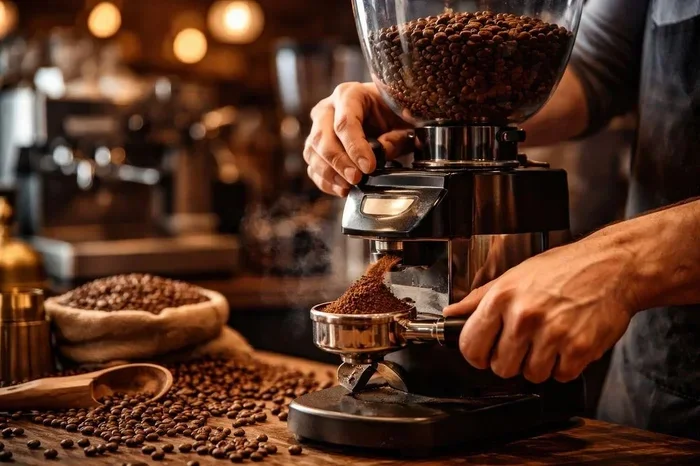
A burr grinder uses two revolving surfaces, called burrs, to crush the beans into uniform pieces. You can adjust the grind size to match your preferred brewing methods, whether that is a fine espresso grind or a coarse French press grind. The consistency of a burr grinder is far superior to a blade grinder, and this directly translates to a better-tasting cup.
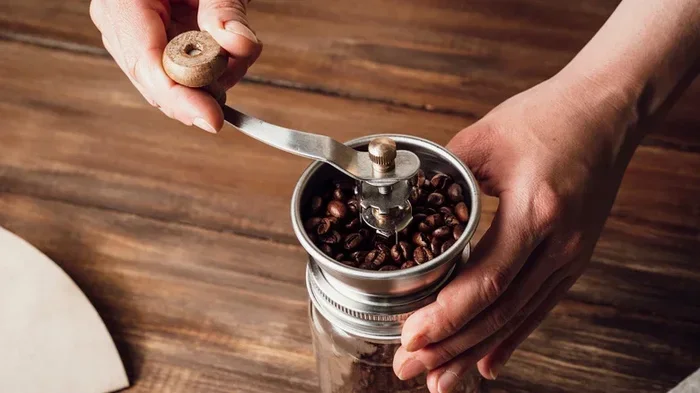
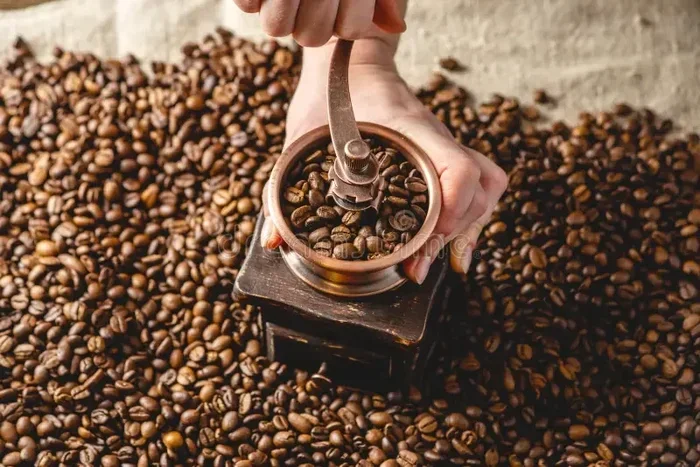
Burr grinders come in two main types: manual and electric. Manual burr grinders are portable and give you full control over the grinding process. Electric burr grinders are faster and more convenient, making them ideal for a busy morning routine. Both types deliver excellent results and are a worthwhile investment for any coffee lover.
Quick Tips for Choosing the Right Grinder
- Set a budget: Good burr grinders start around 50 dollars and go up from there. You do not need to spend a fortune to get great results.
- Look for grind size adjustments: A grinder with multiple settings gives you flexibility to experiment with different brewing methods.
- Consider capacity: If you only grind for one cup at a time, a small grinder works fine. For multiple cups, choose a larger model.
- Read reviews: Look for grinders that are praised for grind consistency and durability.
- Think about noise: Some grinders are louder than others. If you brew early in the morning, a quieter model might be important.
How Grind Size Affects Your Brew
One of the most important things to understand about grinding your own coffee is that not all grinds are the same. The grind size you choose has a direct impact on how your coffee extracts, and that determines the final coffee taste in your cup.
Matching Grind Size to Brewing Method
Different brewing methods require different grind sizes. Here is a simple breakdown:
- Extra fine: Best for Turkish coffee. The grounds are almost like powder.
- Fine: Ideal for espresso. The fine particles allow for quick, high-pressure extraction.
- Medium-fine: Works well for pour-over methods like the V60 or Chemex.
- Medium: Great for drip coffee makers and AeroPress.
- Medium-coarse: Good for flat-bottom drip brewers and some pour-over setups.
- Coarse: Perfect for French press and cold brew. The larger particles prevent over-extraction.
Why Consistency Is Key
When your grind consistency is even, every particle extracts at roughly the same rate. This creates a balanced cup with a smooth flavor profile. When the grind size is uneven, some particles extract too fast and others too slow. This leads to a cup that is simultaneously bitter and sour, which is never pleasant.
This is exactly why burr grinders are preferred over blade grinders. The burr mechanism produces uniform particles, giving you full control over the extraction process. If you want to bring coffee shop quality into your home, consistent grind size is one of the most important factors.
The Cost and Time Factor: Is It Really Worth It
Let us talk about the practical side of things. Grinding your own coffee does take a few extra minutes each morning, and a good grinder does cost money. So is the investment really worth it? The short answer is yes, and here is why.
Time Investment: How Long Does It Really Take
Grinding your own coffee takes about 30 seconds to a minute, depending on the grinder. That is barely any extra time added to your morning routine. In the time it takes to boil water and prepare your brewing device, you can have a fresh batch of grounds ready to go.
Compare that to the time you might spend waiting in line at a coffee shop. Even a quick drive-through order takes longer than grinding your own beans at home. The time investment is minimal, and the payoff in flavor and freshness is enormous.
Cost Comparison: Home Grinding vs Buying Specialty Drinks
A quality burr grinder costs between 50 and 200 dollars. A bag of good whole bean coffee costs around 12 to 18 dollars and makes roughly 40 cups. That works out to less than 50 cents per cup at home. A specialty coffee drink from a café, on the other hand, can cost 4 to 7 dollars per cup.
Over the course of a month, the savings add up quickly. Even if you only drink one cup a day, grinding your own coffee at home can save you 60 dollars or more per month. The grinder pays for itself within a few weeks.
Long-Term Value of a Good Grinder
A well-made burr grinder can last for many years with proper care. Unlike other kitchen appliances that need frequent replacement, a good coffee bean grinder is built to last. This makes it one of the best long-term investments you can make for your daily coffee habit.
Just as you would maintain other kitchen equipment, keeping your grinder clean and in good condition ensures it performs well for years. Regularly cleaning the burrs and removing old coffee grounds keeps everything running smoothly and prevents any buildup that could affect the coffee flavor.
When Pre-Ground Coffee Makes Sense
Let us be honest. Not everyone has the time or desire to grind their own coffee every morning. And that is perfectly okay. Pre-ground coffee still has a place in many kitchens, and there is no shame in using it.
The Convenience Factor
Pre-ground coffee is fast, easy, and requires no extra equipment. If you are in a rush or do not drink coffee regularly, pre-ground coffee is a perfectly fine option. The flavor will not be as vibrant as freshly ground beans, but it is still a perfectly enjoyable cup of coffee.
Storage Tips for Pre-Ground Coffee
If you do use pre-ground coffee, proper storage can help preserve the coffee freshness for as long as possible. Keep the bag sealed tightly, store it in a cool and dark place, and avoid keeping it near heat sources. Once opened, try to use the coffee within two weeks for the best coffee taste.
Some people buy pre-ground coffee in larger quantities and freeze it in small portions. This can extend the shelf life, though it does not completely stop the loss of aroma. The key is to use what you need and keep the rest sealed tight.
A Balanced Approach
You do not have to choose one or the other. Many coffee lovers keep a bag of whole beans for the weekends or special mornings, and use pre-ground coffee for busy weekday mornings. This balanced approach lets you enjoy the best of both worlds without adding stress to your routine.
Just as people look up answers about kitchen safety, such as whether their oven caught on fire and they want to know if they can still use it, it is always good to stay informed about how to get the best results from your kitchen tools. The same care and attention that goes into maintaining your oven should apply to your coffee grinder too.
Final Verdict: Is It Worth the Effort of Grinding Your Own Coffee
After looking at all the factors, the answer is clear: grinding your own coffee is worth the effort for most people. The improvement in coffee flavor, aroma, and overall coffee taste is significant. Freshly ground beans give you a cup that is richer, more complex, and far more satisfying than anything made from pre-ground coffee.
The cost of a good grinder is quickly offset by the savings from not buying coffee shop drinks. The time investment is minimal, and the process itself can become a enjoyable part of your morning. Whether you prefer a simple blade grinder or invest in a quality burr grinder, you are taking a step toward better coffee at home.
Think about it this way. Precision matters in everything we do in the kitchen. Whether you are checking what temperature chicken thighs are done in the oven or dialing in the perfect grind size for your espresso, attention to detail makes all the difference. The same principle applies to grinding your own coffee. Getting the right grind size, using fresh whole bean coffee, and paying attention to the process all lead to a better result in the cup.
If you are on the fence about starting, my advice is simple: try it. Buy a bag of whole bean coffee, get a basic grinder, and taste the difference for yourself. Once you experience the coffee shop quality that freshly ground coffee delivers at home, you will wonder why you ever settled for pre-ground coffee in the first place. The effort is small, but the reward is a genuinely better cup of coffee every single day.
Grinding your own coffee is not about being a perfectionist or following a trend. It is about taking control of your coffee experience and getting the most out of every bean. And that is absolutely worth it.
Frequently Asked Questions
Does grinding your own coffee really make it taste better?
Yes, it does. Freshly ground coffee retains more aromatic oils and flavor compounds than pre-ground coffee. The difference in taste is noticeable, especially if you are used to drinking pre-ground coffee regularly. Once you make the switch, you will likely notice a brighter, richer, and more complex cup.
How long do coffee beans stay fresh after grinding?
Coffee grounds are best used within 15 to 30 minutes of grinding. After that, the aromatic compounds start to dissipate quickly. If you need to grind ahead of time, store the grounds in an airtight container, but know that the coffee freshness will decline faster than with whole beans.
Can I use a blender instead of a coffee grinder?
You can, but the results will not be as good. Blenders are designed for liquids and soft foods, not for grinding dry coffee beans. They tend to produce an inconsistent grind size and can overheat the beans, which affects the flavor profile. A dedicated coffee grinder is always the better choice.
Is a manual burr grinder worth it if I am busy in the mornings?
Yes, even for busy people. Manual burr grinders are quiet, compact, and do not require any electricity. They take only about one to two minutes to grind enough beans for a single cup. The added control over grind size is a bonus that many coffee lovers appreciate, even with a hectic schedule.
What is the best grind size for a French press?
A coarse grind size works best for a French press. The large particles allow for a slow and even extraction over the four to five minute steeping time. If the grind is too fine, the coffee will become gritty and over-extracted, leading to a bitter taste. If it is too coarse, the coffee will taste weak and underdeveloped.
How do I clean my coffee grinder properly?
For burr grinders, remove the burrs and brush off any remaining coffee grounds. You can also use a small brush or compressed air to clean hard-to-reach spots. For blade grinders, a quick wipe with a dry cloth and occasional deep clean with rice or a grinder cleaning tablet works well. Regular cleaning keeps the grind consistency high and prevents old oils from affecting the coffee taste.
=== CONCLUSION ===
Grinding your own coffee is one of the simplest ways to improve your daily coffee experience. The freshness, the flavor, and the satisfaction of making a great cup at home are all worth the small extra effort. Whether you start with an affordable blade grinder or invest in a burr grinder, the results speak for themselves. Give it a try, and you will never look at pre-ground coffee the same way again.