Learn How To Use Manual Coffee Grinder For Fresh Coffee
Using a manual coffee grinder gives you full control over grind size and freshness. This guide walks you through every step, from choosing the right grinder to adjusting settings for your preferred brew method. You will learn practical tips that make grinding coffee beans easy, fast, and enjoyable every single morning.
There is something deeply satisfying about grinding your own coffee beans by hand. The aroma that fills your kitchen, the satisfying sound of the crank turning, and the knowledge that you are making the freshest cup possible — it all starts with learning how to use a manual coffee grinder. Whether you are a complete beginner or a coffee enthusiast looking to refine your morning routine, this guide covers everything you need to know.
A manual coffee grinder is one of the simplest and most effective tools you can own for brewing great coffee. Unlike electric grinders, manual models give you complete control over every aspect of the grinding process. You decide the speed, the consistency, and the amount of coffee you prepare. Best of all, they are affordable, portable, and built to last.
In this article, we will walk you through every step of using a manual coffee grinder the right way. You will learn about the different types of grinders, how to choose the perfect grind size for your brewing method, and how to maintain your grinder for long-lasting performance. By the end, you will feel confident grinding beans like a pro.
Key Takeaways
- Manual grinders preserve flavor: They keep coffee beans fresh because you grind only what you need each time.
- Grind size matters: Different brewing methods need different grind sizes, from coarse to extra fine.
- Adjusting your grinder is simple: Most manual grinders have easy-to-use adjustment dials or knobs.
- Cleaning keeps it working: Regular maintenance ensures your grinder lasts for years.
- Portability is a big plus: Manual grinders are lightweight and perfect for travel or camping.
- You save money: Manual grinders are affordable and require no electricity.
📑 Table of Contents
- What Is A Manual Coffee Grinder And Why Use One?
- Types Of Manual Coffee Grinders
- How To Grind Coffee Beans With A Manual Grinder
- Choosing The Right Grind Size For Your Brew Method
- Tips For Getting The Best Results
- Cleaning And Maintaining Your Manual Coffee Grinder
- Common Mistakes To Avoid
- Final Thoughts On Using A Manual Coffee Grinder
What Is A Manual Coffee Grinder And Why Use One?
A manual coffee grinder is a hand-operated device that crushes whole coffee beans into smaller particles. You place beans in the hopper, turn a crank or knob, and the grinding mechanism breaks the beans down to your desired consistency. There are two main types of grinding mechanisms: burr grinders and blade grinders.
Burr grinders use two abrasive surfaces (burrs) that crush beans between them. This produces a very even and consistent grind size, which is why most coffee experts prefer burr grinders. Blade grinders use a spinning blade to chop beans, similar to a blender. They are cheaper but produce an uneven grind, which can affect the taste of your coffee.
So why choose a manual coffee grinder over an electric one? Here are the biggest reasons:
- Freshness: You grind beans right before brewing, which locks in flavor and aroma.
- Control: You can adjust the grind size precisely for any brewing method.
- Portability: Manual grinders are small and lightweight. They are perfect for travel, camping, or office use.
- No electricity needed: They work anywhere, anytime.
- Affordability: Good manual grinders cost less than most electric models.
- Quiet operation: No loud motor means early morning grinding without waking anyone up.
If you want the best possible coffee flavor from your beans, a manual grinder is one of the best investments you can make. The grinding process directly affects how water extracts flavors from the coffee grounds, so getting it right matters a lot.
Types Of Manual Coffee Grinders
Not all manual grinders are the same. Understanding the different types helps you choose the right one for your needs. Here is a closer look at what is available.
Burr Grinders
Burr grinders are the gold standard for manual coffee grinding. They consist of two serrated surfaces (either conical or flat burrs) that crush beans into uniform particles. The gap between the burrs determines your grind size. You simply turn an adjustment dial to make the grind finer or coarser.
Most coffee professionals recommend conical burr grinders for home use. They are durable, produce excellent consistency, and are relatively easy to clean. Flat burr grinders offer even more precision but tend to be more expensive.
Hand-Crank Grinders
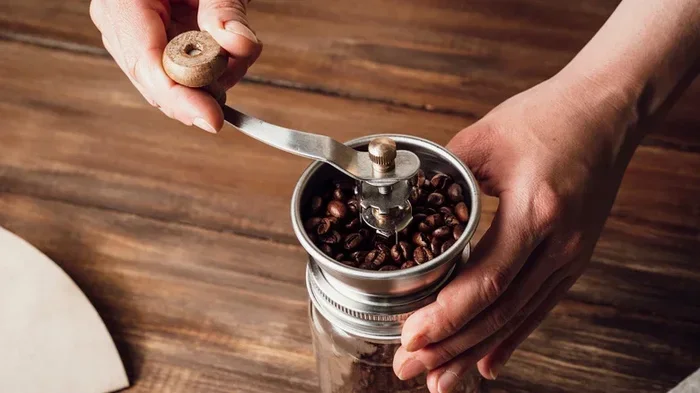
Hand-crank grinders are a popular subcategory of manual burr grinders. You hold the grinder in place and turn a crank handle to grind the beans. Brands like Timemore, Hario, and Porlex make excellent hand-crank models. They are compact, lightweight, and ideal for people who travel frequently or enjoy outdoor brewing.
One thing to keep in mind: hand-crank grinding takes a bit of practice. It usually takes one to three minutes to grind enough coffee for a single cup. Some people find the rhythmic motion relaxing, while others prefer the speed of electric grinders. Either way, the coffee taste you get from a hand-crank grinder is hard to beat.
Pocket-Sized Grinders
Pocket-sized grinders are the smallest type of manual grinder. They fit in your pocket or bag and are designed for on-the-go use. These grinders typically use small burrs and work best for single servings. They are a great option for campers, hikers, or anyone who wants fresh coffee without the bulk.
While pocket grinders are convenient, they do have some limitations. The grinding chamber is small, so you cannot make large batches at once. Also, the burrs in very small grinders may wear out faster than those in full-size models. Still, for portability and convenience, they are hard to beat.
How To Grind Coffee Beans With A Manual Grinder
Now let us get into the practical steps. Using a manual coffee grinder is straightforward once you know the process. Follow these steps for consistent, great-tasting results every time.
Step 1: Measure Your Coffee Beans
Start by measuring the right amount of whole beans. A standard cup of coffee uses about two tablespoons of ground coffee, which is roughly 15 grams of whole beans. If you are making multiple cups, scale up accordingly. Using a small kitchen scale gives you the most accurate results.
Pro tip: Always buy whole beans and grind them just before brewing. Pre-ground coffee loses its flavor within hours of being exposed to air. The freshness of your beans makes a huge difference in the final cup.
Step 2: Adjust The Grind Size
Before you start grinding, set your grinder to the right grind size for your brewing method. Most manual grinders have a dial or knob at the bottom or side that you twist to adjust the burr gap. Turning it one way makes the grind finer; turning it the other way makes it coarser.
If you are unsure what setting to use, do not worry. We will cover the ideal grind sizes for different brewing methods in the next section. For now, just set it to medium as a starting point.
Step 3: Add Beans And Start Grinding
Open the hopper lid and pour your measured beans into the grinder. Place the lid securely on top. Hold the grinder steady with one hand and turn the crank with the other. Use a smooth, steady rhythm — do not rush it.
Most manual coffee grinders take about one to three minutes to grind a single serving. Listen for the sound to change. When the beans are mostly ground, you can speed up slightly, but avoid grinding too fast. A steady pace produces the most consistent results.
Step 4: Check The Grind And Adjust
Once you finish grinding, open the lid and check the grounds. Look for even consistency throughout. If you see a mix of large chunks and fine powder, you may need to adjust the burr setting slightly and grind again.
Over time, you will develop a feel for what works best with your specific grinder. Each model is a little different, so do not get discouraged if your first few attempts are not perfect. Practice makes perfect.
Step 5: Brew Immediately
The moment you finish grinding, it is time to brew. Freshly ground coffee starts losing its aromatic compounds within minutes of exposure to air. The sooner you brew, the better the coffee flavor will be. This is one of the biggest advantages of using a manual grinder — you control the timing from bean to cup.
Choosing The Right Grind Size For Your Brew Method
One of the most important skills in manual coffee grinding is knowing which grind size to use for each brewing method. Grind size directly affects how water interacts with the coffee grounds, which in turn affects the taste, strength, and texture of your brew. Using the wrong grind size can result in coffee that tastes bitter, sour, or weak.
Here is a simple guide to the most common grind sizes and the brewing methods they work best with:
- Extra Coarse: Cold brew. These look almost like peppercorns and need 12 to 24 hours of steeping.
- Coarse: French press. The grounds should feel like sea salt and steep for about four minutes.
- Medium-Coarse: Chemex or vacuum coffee makers. These have a texture similar to rough sand.
- Medium: Drip coffee makers and pour-over methods like the Kalita Wave. Think of the texture of regular sand.
- Medium-Fine: AeroPress (some recipes) and siphon brewers. These feel like table salt.
- Fine: Espresso machines. The grounds should be powdery and smooth, like flour.
- Extra Fine: Turkish coffee. These grounds are extremely fine and almost silky.
Getting the grind size right is the single biggest factor in making great coffee at home. If your coffee tastes bitter or over-extracted, try using a coarser grind. If it tastes sour or weak, go finer. Small adjustments make a big difference.
When you first start using a manual coffee grinder, it helps to write down the dial setting that works for each method. Over time, you will build a personal reference guide that takes the guesswork out of every morning.
Tips For Getting The Best Results
Using a manual coffee grinder is simple, but a few expert tips can take your results to the next level. Here are some practical insights that make a real difference.
Store Your Beans Properly
The quality of your coffee beans matters just as much as your grinding technique. Store beans in an airtight container away from light, heat, and moisture. A cool, dark pantry is ideal. Avoid storing beans in the fridge or freezer, as moisture and odors can affect the flavor.
Use Consistent Force When Cranking
Uneven cranking leads to uneven grinding. Apply steady, consistent pressure when turning the handle. If you find yourself getting tired, take a short break and pick up where you left off. The goal is a smooth, even rotation that produces uniform grounds.
Do Not Overfill The Hopper
Adding too many beans at once can clog the grinding mechanism and produce inconsistent results. Follow the maximum fill line on your grinder, or add beans in small batches. A little patience goes a long way toward achieving a perfect grind consistency.
Clean Your Grinder Regularly
Coffee oils build up inside the grinder over time, which can make your coffee taste rancid or stale. Clean your manual coffee grinder at least once a week. Most grinders can be disassembled for cleaning. Use a soft brush or cloth to remove grounds from the burrs and hopper.
Interestingly, keeping your kitchen tools clean without excessive scrubbing is a principle that applies across the board. For instance, the same care you take with your grinder applies to maintaining other kitchen equipment like your oven — which is why many people appreciate methods for cleaning an oven with dishwasher tablets without scrubbing as a quick and effective kitchen maintenance tip.
Experiment And Have Fun
The beauty of a manual grinder is that you can experiment freely. Try different bean origins, roast levels, and grind sizes to find your perfect cup. Keep a simple journal of what you try and what you liked about each cup. Over time, you will develop your own personal preferences and techniques.
Invest In Quality Beans
A good grinder shines brightest when paired with quality beans. Look for freshly roasted whole beans from local roasters or reputable online suppliers. The coffee flavor you extract depends heavily on the quality of the beans you start with. Freshly roasted beans within two to four weeks of roast date give the best results.
Cleaning And Maintaining Your Manual Coffee Grinder
Taking care of your manual coffee grinder ensures it performs well for years. Regular maintenance keeps the grinding burrs sharp and prevents old coffee oils from affecting the taste of fresh grounds.
Daily Cleaning
After each use, tap out any remaining grounds from the hopper and the grounds chamber. Use a small brush or a dry cloth to wipe away any loose particles. This simple habit prevents buildup and keeps your grinder ready for the next use.
Weekly Deep Cleaning
Once a week, disassemble your grinder according to the manufacturer’s instructions. Remove the burrs (or grinding mechanism) and brush away all coffee residue. Some grinders have removable parts that can be rinsed with warm water, but always check the manual first. Never submerge electric components in water, even on a manual model with a removable motor housing.
Let all parts dry completely before reassembling. Moisture trapped inside the grinder can cause mold or affect the coffee taste of your next brew.
Monthly Maintenance
Once a month, inspect the burrs for wear. Over time, burrs can become dull, especially if you grind very oily beans. Dull burrs produce inconsistent grind sizes and make the grinding process harder. Most burrs last for several hundred pounds of coffee before needing replacement. Check your grinder’s manual for specific replacement guidelines.
Also, check the adjustment mechanism to make sure it is still turning smoothly. If the dial feels stiff or gritty, a small amount of food-safe lubricant may help. Always use lubricants that are safe for coffee equipment.
Deep Cleaning The Exterior
Wipe down the outside of your grinder with a damp cloth regularly. This keeps it looking good and prevents coffee dust from accumulating on the surface. A clean grinder also makes it easier to spot any issues early, such as cracks or loose parts.
Maintaining your kitchen tools properly extends their life and improves performance. Just as you would care for a high-end toaster oven by following proper maintenance steps — such as those outlined when you learn how to set the clock on a Krups toaster oven for accurate timing — regular care of your manual coffee grinder keeps it running at its best.
Common Mistakes To Avoid
Even experienced coffee lovers make mistakes when using a manual coffee grinder. Here are the most common ones and how to avoid them.
- Grinding too fast: Rushing the crank produces uneven grounds. Slow and steady wins the race.
- Using stale beans: Fresh beans are essential for great flavor. Check the roast date before you buy.
- Ignoring grind size: Using the wrong grind size for your brew method ruins the taste, no matter how good your beans are.
- Skipping cleaning: Oil buildup affects flavor and can jam the mechanism. Clean regularly.
- Overfilling the hopper: Too many beans at once clog the burrs and create inconsistent results.
- Not adjusting for humidity: Coffee beans absorb moisture from the air. On humid days, you may need to grind slightly finer or use fewer beans.
Avoiding these simple mistakes will dramatically improve your coffee brewing experience. Each small adjustment brings you closer to the perfect cup.
Final Thoughts On Using A Manual Coffee Grinder
Using a manual coffee grinder is one of the simplest ways to dramatically improve your daily coffee. The process gives you control over every variable — from the beans you choose to the grind size you select. Whether you prefer a bold espresso, a smooth French press, or a clean pour-over, the right grind makes all the difference.
Remember that practice is key. The first few times you use your grinder, you may not get perfect results. That is completely normal. With a little patience and experimentation, you will quickly develop a feel for what works best with your specific model and your personal taste preferences.
The satisfaction of grinding your own beans by hand, smelling the rich aroma fill your kitchen, and then brewing a perfect cup of coffee is something special. It is a small ritual that starts your day on the right foot. Once you experience the difference that freshly ground coffee makes, you will never go back to pre-ground beans.
So take your time, enjoy the process, and savor every sip. Your morning coffee deserves the extra effort that a manual coffee grinder provides.
Frequently Asked Questions
Can I use a manual coffee grinder for espresso?
Yes, you can use a manual coffee grinder for espresso, but you need a very fine grind setting. Most quality manual burr grinders can achieve an espresso-fine grind. The key is to adjust the burr setting carefully and grind just enough beans for one or two shots. Expect to spend a little extra time cranking to achieve the right consistency.
How long does it take to grind coffee with a manual grinder?
It typically takes one to three minutes to grind enough coffee for a single cup. The time depends on your grinder model, the desired grind size, and how much coffee you are grinding. Fine grinds take longer than coarse ones. With practice, you will get faster and more consistent results.
What is the best grind size for a French press?
The best grind size for a French press is coarse, similar to sea salt or breadcrumbs. Coarse grounds allow the water to extract flavors slowly over the four-minute steeping time without clogging the press filter. Using a fine grind in a French press will result in muddy, over-extracted coffee with a bitter taste.
How often should I clean my manual coffee grinder?
You should do a quick daily cleaning after each use and a deeper weekly cleaning. Tap out remaining grounds and wipe the interior with a dry brush. Once a week, disassemble the grinder and clean the burrs or grinding mechanism thoroughly. Monthly maintenance should include inspecting the burrs for wear and checking the adjustment mechanism.
Are manual coffee grinders better than electric ones?
Manual grinders offer more control over grind size and produce very consistent results, especially burr models. They are also portable, quiet, and do not require electricity. Electric grinders are faster and more convenient for large batches. The best choice depends on your needs, budget, and how much you value the hands-on grinding experience.
Can I grind spices and other things in a manual coffee grinder?
Yes, many manual coffee grinders can grind spices, herbs, and grains in addition to coffee. However, you should always clean the grinder thoroughly between uses if you switch between coffee and spices. Residual spice oils can affect the taste of your coffee. Some people prefer to have a separate grinder for spices to avoid any cross-flavor contamination.