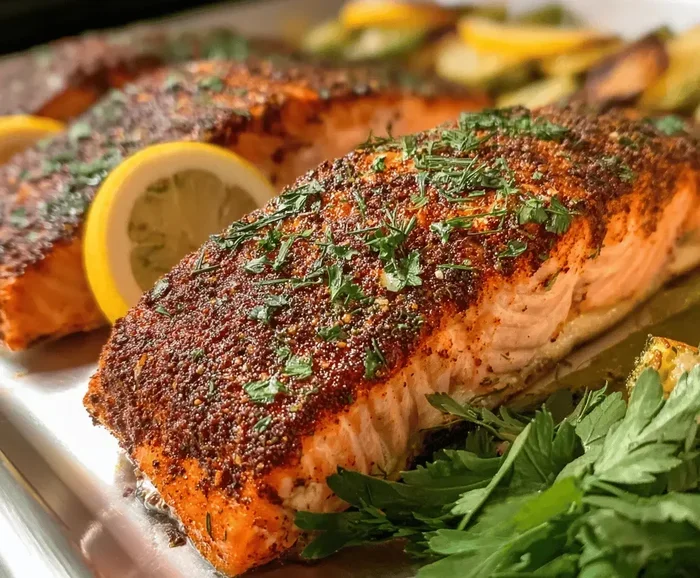
How Long Does Salmon Take In The Oven At 350 To Bake
Baking salmon at 350°F typically takes 12 to 20 minutes depending on fillet thickness and whether you prefer crispy skin or tender flakes. This guide covers everything you need to know about how long does salmon take in the oven at 350, including timing charts, temperature tips, and simple recipes for juicy, flavorful results every time.
There is something truly special about oven-baked salmon. It is healthy, it is delicious, and it comes together faster than most people think. Whether you are a weeknight dinner hero or a weekend cook looking to impress, how long does salmon take in the oven at 350 is the first question you need answered. And the good news? The answer is simpler than you might expect.
Baking salmon at 350 degrees Fahrenheit has become one of the most popular cooking methods. It strikes a perfect balance between gentle heat and enough warmth to develop flavor. The fish cooks evenly, the skin crisps up beautifully, and the inside stays moist and tender. But timing is everything. Too short and the center is raw. Too long and you end up with dry, flaky disappointment on your plate.
This guide walks you through everything you need to know. We will cover exact timing, what factors change the bake time, step-by-step instructions, recipe ideas, and common mistakes to avoid. By the end, you will feel confident pulling perfectly baked salmon out of your oven every single time.
Key Takeaways
- Standard Bake Time: Salmon at 350°F usually bakes in 12 to 20 minutes, with thinner fillets on the lower end and thicker cuts on the higher end.
- Internal Temperature Matters: The FDA recommends cooking salmon to an internal temperature of 145°F for safe eating.
- Thickness Is Key: A 1-inch fillet bakes faster than a 2-inch cut, so always adjust your timing based on the thickness of the fish.
- Skin-On vs. Skin-Off: Skin-on fillets may need an extra minute or two, but they also protect the flesh and add crispiness.
- Resting Time Counts: Letting salmon rest for 3 to 5 minutes after baking helps the juices redistribute for a moister result.
- Seasoning and Marinades Add Time: Wet marinades or glazes may require slightly longer baking to caramelize properly without drying out the fish.
- Oven Accuracy Varies: Use an oven thermometer to ensure your actual temperature matches the set dial for consistent results.
📑 Table of Contents
- How Long Does Salmon Take In The Oven At 350?
- What Affects Baking Time For Salmon?
- Step-By-Step Guide To Baking Salmon At 350°F
- Best Salmon Recipes For Oven Baking At 350
- Common Mistakes To Avoid When Baking Salmon
- Expert Tips For Perfect Oven-Baked Salmon Every Time
- How Long Does Salmon Take In The Oven At 350: Quick Reference Chart
- Why 350°F Is The Ideal Temperature For Baking Salmon
- Pairing Your Baked Salmon With The Right Sides
- Conclusion
How Long Does Salmon Take In The Oven At 350?
The short answer is that most salmon fillets bake at 350°F in about 12 to 20 minutes. But that range is broad because several factors influence the actual time. Let us break it down so you know exactly what to expect.
Timing By Fillet Thickness
Thickness is the biggest variable when baking salmon. Here is a simple breakdown:
- Thin fillets (less than 1 inch): About 10 to 12 minutes at 350°F. These cook quickly, so watch them closely.
- Medium fillets (1 to 1.5 inches): Around 14 to 17 minutes. This is the sweet spot for most store-bought salmon cuts.
- Thick fillets (over 1.5 inches): 18 to 20 minutes, sometimes even 22 minutes for very thick steaks.
If you are unsure about the thickness, use a meat thermometer. Insert it into the thickest part of the fillet. When the internal temperature reaches 145°F, your salmon is done. The flesh should be opaque and flake easily with a fork.
Skin-On vs. Skin-Off Baking
Many people wonder whether leaving the skin on changes the bake time. The answer is yes, but only slightly. Skin-on fillets act like a natural shield. The skin protects the delicate flesh underneath, which means the fish retains more moisture. You might add an extra minute or two compared to skinless cuts.
For crispy skin, place the fillet skin-side down on a parchment-lined baking sheet. The direct contact with the hot pan helps the skin crisp up while the flesh cooks gently above. Skin-off fillets tend to dry out a bit faster, so keep a closer eye on them.
What Affects Baking Time For Salmon?
Not all salmon fillets are created equal. Several factors can speed up or slow down your baking time at 350°F. Understanding these variables helps you become a better cook and avoids the guesswork.
Oven Accuracy
Here is a secret many home cooks overlook: oven temperatures are not always accurate. Your dial might say 350°F, but the actual temperature inside could be 335°F or 365°F. This difference matters when you are baking something as delicate as salmon.
An oven thermometer is a cheap and effective tool. Place it inside your oven and check the actual temperature. If your oven runs hot, you may need to reduce the temperature slightly or shorten the bake time. If it runs cold, add a few extra minutes.
Starting Temperature of the Fish
Did you know that taking salmon straight from the refrigerator affects cooking time? Cold fish takes longer to heat through than fish that has been sitting at room temperature for 15 to 20 minutes. For more even cooking, let your fillet rest on the counter for a short while before placing it in the oven.
This small step can shave a couple of minutes off your bake time and help the salmon cook more evenly from edge to center. It is one of those tiny habits that makes a big difference.
Pan Type and Preparation
The type of pan you use also plays a role. A dark, non-stick baking sheet absorbs more heat and can speed up cooking. A light-colored aluminum sheet pan reflects heat and may slow things down slightly. Glass pans tend to heat more slowly, which can add a minute or two.
Lining your pan with parchment paper or aluminum foil also affects results. Parchment promotes even browning and prevents sticking. Foil can create a steaming effect that keeps the fish moist but may soften the skin if you are going for crispiness.
Step-By-Step Guide To Baking Salmon At 350°F
Now that you understand the timing and variables, let us walk through the actual process. Follow these steps for restaurant-quality baked salmon right in your own kitchen.
Step 1: Preheat Your Oven
Start by preheating your oven to 350°F. Give it at least 10 to 15 minutes to reach the correct temperature. A properly preheated oven ensures the salmon starts cooking immediately the moment it goes in, which leads to more even results.
While the oven is heating up, prepare your baking sheet. Line it with parchment paper or lightly grease it with olive oil. This prevents the salmon from sticking and makes cleanup a breeze.
Step 2: Prep the Salmon Fillet
Take your salmon out of the fridge about 15 minutes before baking. Pat it dry with paper towels. Removing excess moisture from the surface helps the skin crisp up and allows seasonings to stick better.
If you are using skin-on fillets, place them skin-side down on the prepared baking sheet. This is the best position for even cooking and crispy skin.
Step 3: Season Generously
Seasoning is where you can get creative. A simple combination of olive oil, salt, pepper, and fresh lemon juice works beautifully. For more flavor, try adding garlic powder, smoked paprika, dill, or honey mustard glaze.
Brush the oil or marinade lightly over the top and sides of the fillet. You do not need a lot. Just enough to coat the surface and help the seasonings adhere. Over-seasoning can mask the natural flavor of the fish, so keep it balanced.
Step 4: Bake and Monitor
Place the baking sheet on the center rack of your oven. Set a timer for 12 minutes if the fillet is thin, or 15 minutes for a medium-thick cut. At the 12-minute mark, start checking for doneness.
Use a fork to gently press the thickest part of the fillet. If it flakes easily and the inside is opaque pink, it is ready. If not, add 2 to 3 more minutes and check again. Avoid over-baking, as salmon dries out quickly once it passes the ideal temperature.
Step 5: Rest and Serve
Remove the salmon from the oven and let it rest for 3 to 5 minutes. This resting period allows the juices to redistribute throughout the fillet, resulting in a more moist and flavorful bite. The internal temperature will also continue to rise slightly, reaching the safe 145°F mark.
Serve your baked salmon with roasted vegetables, rice, or a fresh salad. A squeeze of lemon juice on top adds brightness and brings all the flavors together beautifully.
Best Salmon Recipes For Oven Baking At 350
Once you master the basic bake, you can experiment with different flavors. Here are some popular oven-baked salmon recipes that work wonderfully at 350°F.
Honey Garlic Salmon
Mix honey, minced garlic, soy sauce, and a splash of lemon juice to create a sweet and savory glaze. Brush it over the salmon before baking. The glaze caramelizes in the oven and creates a beautiful sticky coating. Bake for about 15 to 17 minutes and serve over steamed rice with steamed broccoli on the side.
Lemon Herb Baked Salmon
This is a classic for a reason. Combine fresh dill, parsley, lemon zest, olive oil, salt, and pepper. Spread the herb mixture over the fillet and bake for 14 to 16 minutes. The lemon brightens the flavor of the fish and the herbs add a fresh, aromatic quality that pairs perfectly with almost any side dish.
Crispy Parmesan Crust Salmon
For something a little indulgent, mix grated parmesan cheese, breadcrumbs, and Italian seasoning. Press the mixture gently onto the top of the salmon before baking. The crust becomes golden and crispy in about 16 to 18 minutes. This recipe is a hit with kids and adults alike.
Maple Mustard Salmon
Whisk together maple syrup, Dijon mustard, and a pinch of cayenne pepper. Glaze the salmon and bake for 15 to 17 minutes. The sweet and tangy combination creates a sophisticated flavor profile that works beautifully for dinner parties or special occasions.
Common Mistakes To Avoid When Baking Salmon
Even experienced cooks make mistakes when baking salmon. Knowing what to avoid saves you from dry, overcooked fish and disappointing meals.
Overcooking the Salmon
This is the number one mistake people make. Salmon continues to cook after you remove it from the oven due to residual heat. Pull the fillet out when it is just slightly underdone in the center. It will finish cooking during the resting period. Overcooked salmon turns chalky, dry, and loses its appealing pink color.
Skipping the Preheat
Putting salmon into a cold or lukewarm oven throws off your timing significantly. The fish starts cooking slowly instead of immediately searing on the outside. Always wait for the oven to reach 350°F before placing the salmon inside.
Using a Pan That Is Too Small
Crowding the pan prevents hot air from circulating around the fillet. This leads to uneven cooking, with some parts overdone and others still raw. Give each fillet at least 2 inches of space on the baking sheet. If you are cooking multiple fillets, use two pans or bake in batches.
Not Accounting for Frozen Salmon
If you are baking frozen salmon, the timing changes completely. Frozen fillets need at least 25 to 30 minutes at 350°F, sometimes more depending on thickness. Always thaw salmon properly in the refrigerator overnight for the best results, or adjust your timing significantly if cooking from frozen.
Forgetting to Pat the Fish Dry
Moisture on the surface of the salmon creates steam in the oven. Steam prevents the skin from crisping and can lead to a soggy texture on the outside. Always pat your fillet dry with paper towels before seasoning and baking. This simple step makes a noticeable difference in the final result.
Expert Tips For Perfect Oven-Baked Salmon Every Time
Want to take your baked salmon at 350°F to the next level? These expert tips will help you achieve consistent, restaurant-quality results.
Invest in a Good Meat Thermometer
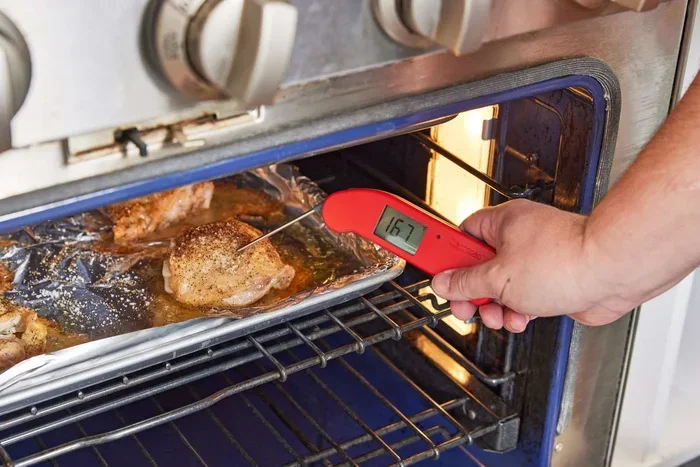
A digital instant-read thermometer is the single best tool for baking salmon. It removes all the guesswork. Insert the probe into the thickest part of the fillet at a slight angle. When it reads 145°F, the salmon is done. This tool takes the anxiety out of cooking fish and ensures food safety every time.
Try the Sheet Pan Method
The sheet pan method is a favorite among home cooks. Place your seasoned salmon on a lined sheet pan alongside vegetables like asparagus, cherry tomatoes, or zucchini. Everything cooks together, and the salmon juices flavor the vegetables. It is a complete meal with minimal cleanup.
Use Quality Fish
The quality of your salmon matters more than you might think. Fresh, wild-caught salmon has a richer flavor and better texture than farmed alternatives. If you can buy from a trusted fishmonger or a reputable market, the end result will be noticeably better. Look for bright-colored flesh with a clean, ocean-like smell.
Experiment With Different Cuts
Not all salmon cuts bake the same way. A skin-on center-cut fillet behaves differently than a belly portion or a steak. Belly cuts are fattier and more tender, so they need less time. Steaks are thicker and more robust, requiring a few extra minutes. Understanding the cut you are working with helps you adjust your timing and temperature accordingly.
Add a Finishing Touch
Once your salmon is out of the oven, consider adding a finishing touch. A drizzle of high-quality extra virgin olive oil, a sprinkle of flaky sea salt, or a few fresh herbs can elevate the dish from good to great. These small additions add texture and brightness that complement the rich flavor of the fish.
Store and Reheat Properly
If you have leftovers, store them in an airtight container in the refrigerator for up to 3 days. Reheat gently in the oven at 275°F for about 10 minutes. Avoid microwaving leftover salmon, as it tends to dry out and develop an unpleasant texture. Proper reheating brings back much of the original moisture and flavor.
How Long Does Salmon Take In The Oven At 350: Quick Reference Chart
Here is a handy reference for your next baking session. Keep this in mind every time you prepare salmon in the oven at 350 degrees.
- Thin fillet (under 1 inch): 10 to 12 minutes
- Medium fillet (1 to 1.5 inches): 14 to 17 minutes
- Thick fillet (over 1.5 inches): 18 to 22 minutes
- Skinless fillet: Reduce time by 1 to 2 minutes
- Skin-on fillet: Add 1 to 2 minutes
- Frozen fillet: 25 to 35 minutes (thawing recommended)
- Internal temperature target: 145°F
Keep this chart handy in your kitchen. After a few bakes, you will memorize the timing and be able to pull perfect salmon out of the oven without even thinking about it.
Why 350°F Is The Ideal Temperature For Baking Salmon
You might wonder why 350°F is the go-to temperature for baking salmon. The answer lies in the balance between cooking speed and moisture retention. Higher temperatures like 400°F cook faster but risk drying out the edges before the center is done. Lower temperatures like 325°F take too long and can leave the fish sitting in its own moisture, making it mushy.
At 350°F, the heat penetrates the fillet evenly and gently. The outside develops a light golden crust while the inside stays silky and moist. This temperature also gives you a wider window of doneness, meaning you are less likely to accidentally overcook the fish. It is forgiving, which makes it perfect for both beginners and experienced cooks.
Many professional chefs and cooking instructors recommend 350°F as the standard baking temperature for salmon. It works well with all types of salmon, whether you are cooking Atlantic, Sockeye, Coho, or King salmon. The consistent results make it the most reliable choice for weeknight dinners and weekend feasts alike.
Pairing Your Baked Salmon With The Right Sides
The beauty of oven-baked salmon is how versatile it is as a main course. A perfectly baked fillet pairs with a wide range of sides, making it easy to create a complete meal without much effort.
Roasted vegetables like asparagus, Brussels sprouts, or zucchini complement salmon beautifully. The natural sweetness of roasted vegetables balances the rich, savory flavor of the fish. Rice, quinoa, or couscous make excellent bases that soak up the salmon juices and any glaze or marinade you used.
For a lighter option, try a fresh salad with a lemon vinaigrette. The acidity cuts through the richness of the salmon and adds a refreshing contrast. Mashed potatoes, grilled corn, or steamed green beans are also popular choices that work well with almost any seasoning profile.
Conclusion
Knowing how long does salmon take in the oven at 350 transforms your cooking experience. With a bake time of 12 to 20 minutes depending on thickness, you can prepare a healthy, delicious meal in less than half an hour. The key is understanding your fillet, monitoring the temperature, and avoiding common mistakes like overcooking or skipping the preheat.
Use a meat thermometer, let the fish come to room temperature before baking, and always rest your salmon after it comes out of the oven. These small habits make a huge difference in texture and flavor. Whether you prefer a simple lemon herb bake or a glazed honey garlic version, the 350°F method delivers consistent, mouthwatering results every time.
Now that you have all the information you need, it is time to put it into practice. Preheat that oven, grab a fresh fillet, and enjoy the process of creating something wonderful in your kitchen. Baked salmon at 350°F is one of the easiest and most rewarding dishes you can make, and once you nail the timing, you will never look back.
Frequently Asked Questions
Can you bake salmon at 350°F from frozen?
Yes, you can bake frozen salmon at 350°F, but it will take longer. Expect 25 to 35 minutes depending on the thickness of the fillet. For best results, thaw the salmon overnight in the refrigerator before baking. Thawing ensures more even cooking and better texture throughout the fillet.
What is the best way to check if salmon is done?
The most reliable method is using a meat thermometer. Insert it into the thickest part of the fillet and look for a reading of 145°F. You can also check by gently pressing the top of the fillet with your finger. It should feel firm but still have a slight give. The flesh should be opaque pink and flake easily with a fork.
Should I cover salmon with foil when baking at 350°F?
Covering salmon with foil is optional and depends on your preference. Foil traps steam and keeps the fish very moist, but it prevents the skin from crisping. If you want crispy skin, bake the salmon uncovered. If you prefer a more steamed, tender texture, loosely tent the fillet with aluminum foil for the first half of the baking time.
How long can you keep baked salmon in the fridge?
Cooked salmon stays fresh in the refrigerator for up to 3 days when stored in an airtight container. Make sure the salmon has cooled to room temperature before placing it in the fridge. Reheat gently in the oven at 275°F for about 10 minutes to maintain moisture and avoid drying out the fish.
Why does my salmon stick to the baking sheet?
Salmon sticks to the pan when there is not enough oil or parchment paper on the surface. Always line your baking sheet with parchment paper or lightly grease it with olive oil. Make sure the pan is properly preheated along with the oven. Placing the salmon skin-side down on a hot, greased pan creates a natural barrier that prevents sticking.
Can I bake salmon at 350°F in a convection oven?
Yes, you can bake salmon in a convection oven at 350°F. Convection ovens circulate hot air more efficiently, which can reduce baking time by about 2 to 3 minutes. Keep a close eye on the fillet and check for doneness a few minutes earlier than you would in a standard oven. The fan can also crisp the skin more effectively, which is a nice bonus.