Can I Leave The Oven On And Go Out Safely For Awhile
Leaving your oven on while stepping out briefly is a common concern for many homeowners. The short answer is that it depends on the type of oven, the duration, and the safety precautions you take. This guide covers everything you need to know about can I leave the oven on and go out, including risks, safety tips, and what experts recommend.
Have you ever walked out the door and suddenly wondered, can I leave the oven on and go out? Maybe you were in the middle of baking cookies or roasting dinner and the doorbell rang. Or perhaps you simply forgot to turn off the oven before heading to work. This is a worry that crosses the mind of almost every home cook at some point.
The truth is, leaving an oven on unattended carries real risks. But the level of danger depends on several factors. These include the type of oven you have, how long you will be gone, and what safety measures are in place. In this article, we will break down everything you need to know. You will learn about the risks, what experts say, and how to keep your home safe.
Understanding oven safety is not just about avoiding a fire. It is also about saving energy, protecting your health, and giving yourself peace of mind. Whether you use a gas or electric oven, this guide has you covered. Let us dive into the details.
Key Takeaways
- Fire Risk Is Real: Leaving an oven on unattended is a leading cause of home fires every year.
- Gas Ovens Pose Extra Dangers: Carbon monoxide leaks from gas ovens can be deadly if ventilation is poor.
- Short Bursts Are Safer: A quick errand of 10 to 15 minutes is generally low risk for electric ovens.
- Modern Ovens Have Safety Features: Many newer models include auto-shutoff and timer functions.
- Never Leave It On Overnight: Sleeping with an oven on is strongly discouraged by fire safety experts.
- Prevention Is Key: Simple habits like setting timers and clearing the area reduce risks significantly.
- Know What To Do If You Forget: Quick action can prevent a minor mistake from becoming a disaster.
📑 Table of Contents
- What Happens When You Leave The Oven On
- Is It Ever Safe To Leave Your Oven On
- Gas Oven vs Electric Oven Risks
- How Long Can You Safely Leave An Oven On
- What To Do If You Forgot Your Oven On
- Oven Safety Tips Every Homeowner Should Follow
- Expert Insights On Leaving Ovens Unattended
- Common Mistakes People Make With Their Ovens
- Conclusion
What Happens When You Leave The Oven On
Many people treat their oven like a background appliance. They set it and forget it. But an oven left on is an active appliance that generates intense heat. That heat has consequences if no one is watching.
The Fire Risk You Need To Know
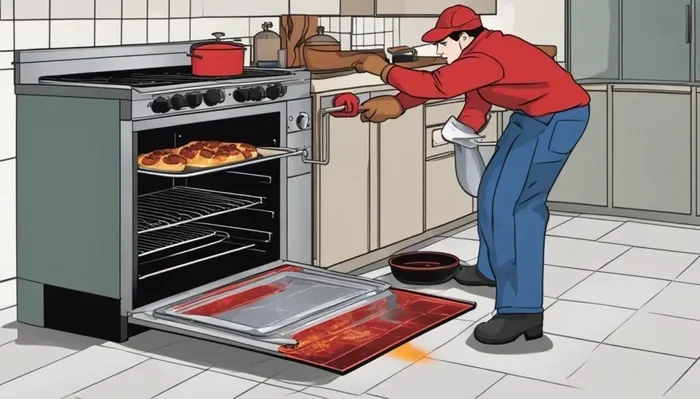
The biggest danger of leaving an oven on is fire. According to the National Fire Protection Association, cooking equipment causes nearly half of all home fires. An oven left on accidentally is one of the most common causes. Here is what can go wrong:
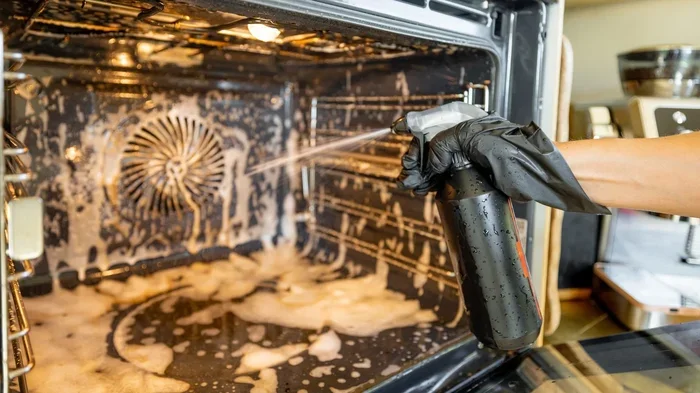
- Greasy buildup: Food spills and grease inside the oven can ignite at high temperatures.
- Nearby items: Towels, paper, or plastic near the oven can catch fire from radiant heat.
- Unattended cooking: Without someone monitoring, small flames can grow unchecked.
- Electrical faults: Old or damaged ovens can spark and start a fire even without food inside.
A fire can start in minutes and spread quickly. This is why fire departments across the country warn against leaving any open flame or heating element unattended.
Energy Waste And Higher Bills
Beyond fire, there is a practical concern. An oven that stays on wastes electricity or gas. Depending on the temperature and how long it runs, this can add up. A typical electric oven uses between 2,000 and 5,000 watts per hour. Running it for several hours while you are out adds unnecessary cost to your utility bill.
Some people think it is cheaper to leave the oven on than to reheat it. But this is rarely true. The energy wasted far outweighs any small savings.
Health Hazards From Gas Ovens
If you have a gas oven, the risks go beyond fire. Gas combustion produces carbon monoxide. This is a colorless, odorless gas that can be extremely dangerous. In a well-ventilated kitchen, a gas oven running for a short time is usually fine. But if you leave it on for hours while you are out, carbon monoxide can build up.
Even small amounts of carbon monoxide exposure can cause headaches, dizziness, and nausea. In high concentrations, it can be fatal. This is why many fire safety experts strongly advise against leaving a gas oven on when no one is home.
Is It Ever Safe To Leave Your Oven On
The short answer is: sometimes, but with limits. The longer answer depends on your specific situation. Let us look at what is considered safe and what is not.
Short Periods Versus Overnight
Leaving an oven on for 10 to 15 minutes while you take out the trash or grab the mail is generally low risk for an electric oven. The oven will not reach dangerous temperatures in that short window. Many people do this without any issues.
However, leaving an oven on overnight is a completely different story. Fire experts strongly advise against this. While you sleep, you cannot detect the smell of smoke or see a small flame. A fire that starts at 2 AM can become life-threatening before you wake up.
Modern Oven Safety Features
Good news: many modern ovens come with built-in safety features. These include:
- Auto shutoff timers: The oven turns off after a set time.
- Child lock features: Prevents accidental changes to settings.
- Cool-touch surfaces: Reduces burn risk and accidental ignition of nearby items.
- Temperature sensors: Some models detect abnormal heat and shut down automatically.
If your oven has these features, the risk of leaving it on briefly drops significantly. But no feature replaces human supervision. Always check your oven manual to understand what safety tools your model offers.
Gas Oven vs Electric Oven Risks
Not all ovens carry the same risks. The type of oven you own plays a big role in how dangerous it is to leave it on. Let us compare.
Carbon Monoxide Concerns With Gas Ovens
Gas ovens burn natural gas or propane to create heat. This combustion process always produces some carbon monoxide. In a normal cooking session with the range hood on and a window cracked, the gas disperses safely.
But if you leave a gas oven on for hours with no one home, the risk increases. The oven runs longer, producing more gas. If your kitchen lacks proper ventilation, carbon monoxide levels can rise to dangerous amounts. This is the number one reason fire departments warn against leaving gas ovens unattended for long periods.
Electrical Fire Dangers With Electric Ovens
Electric ovens do not produce carbon monoxide. That makes them safer in terms of air quality. But they still carry fire risks. Electric ovens use heating elements that get extremely hot. If there is grease buildup inside the oven or flammable items nearby, a fire can start.
Older electric ovens are especially risky. Worn-out wiring, faulty thermostats, and damaged heating elements can cause sparks. A spark inside a hot oven can ignite food debris or grease in seconds.
Comparison Table
| Risk Factor | Gas Oven | Electric Oven |
|---|---|---|
| Fire Risk | Moderate | Moderate to High |
| Carbon Monoxide | Yes | No |
| Energy Use (per hour) | Lower | Higher |
| Ventilation Needed | Yes | Recommended |
| Safe for Short Absences | 10-15 minutes max | 15-30 minutes max |
| Safe Overnight | No | No |
How Long Can You Safely Leave An Oven On
This is the question most people really want answered. Unfortunately, there is no single magic number. The safe duration depends on several factors.
General Guidelines
Here is a simple rule of thumb from most fire safety experts:
- Electric oven: Safe for up to 30 minutes if your home is occupied and the kitchen is clear of flammable items.
- Gas oven: Safe for up to 15 minutes with proper ventilation and someone nearby.
- Self-cleaning cycle: Never leave the house during a self-cleaning cycle. These reach extremely high temperatures and carry the highest fire risk.
The key word in all of this is “occupied.” If someone is home and alert, the risks drop. If no one is home, the safest choice is always to turn the oven off.
Factors That Change The Timeline
Several things can shorten or extend how long an oven is safe to leave on:
- Age of the oven: Older models lack modern safety features and are more prone to malfunctions.
- Condition of the oven: A well-maintained oven with clean surfaces is safer than a dirty, worn-out one.
- What is inside: A full pan of food is less likely to cause a fire than an empty oven at high heat.
- Surrounding environment: A cluttered kitchen with towels and paper nearby increases the danger.
- Ventilation: Good airflow reduces risks, especially for gas ovens.
What To Do If You Forgot Your Oven On
Everyone makes mistakes. You drive away and then remember the oven is still on. What should you do? Stay calm and follow these steps.
Immediate Steps To Take
If you realize you left the oven on while you are still close to home, act quickly but do not panic:
- Do not rush inside if it is unsafe: If you see smoke or flames, call 911 first.
- Turn off the oven: If it is safe to enter, switch off the oven at the controls or the circuit breaker.
- Open windows: This helps clear any smoke or gas from the area.
- Check for heat damage: Look for scorched surfaces, melted items, or unusual smells.
- Do not use water on an oven fire: Opening the oven door can feed oxygen to the flames and make it worse.
When To Call For Help
Some situations require professional help. Call your local fire department if:
- You see any flames coming from the oven.
- There is heavy smoke that does not clear quickly.
- You smell gas (for gas ovens) and it does not go away after turning off the oven.
- The oven or surrounding area feels extremely hot to the touch.
- You are unsure whether it is safe to re-enter your home.
Most fire departments would rather respond to a false alarm than arrive too late. When in doubt, call. It is always better to be safe.
Oven Safety Tips Every Homeowner Should Follow
Prevention is the best way to handle the question of can I leave the oven on and go out. By building good habits, you can reduce the risks to almost zero. Here are practical tips that every homeowner should follow.
Preventive Measures
- Set a timer every time: Even if you are only stepping out for a minute, a timer keeps the oven on your mind.
- Clean your oven regularly: Remove grease and food spills after every use. This reduces the chance of flare-ups.
- Keep the area clear: Remove towels, paper bags, and plastic items from around the oven.
- Use the range hood: Turn on your kitchen ventilation whenever the oven is running.
- Install smoke detectors: Place them near the kitchen and test them monthly.
- Consider a smart oven monitor: Some devices send alerts to your phone if your oven is still running.
Best Practices For Kitchen Safety
Beyond oven-specific tips, these general habits make your whole kitchen safer:
- Never leave the kitchen while food is broiling or frying at high heat.
- Keep a fire extinguisher in or near the kitchen and know how to use it.
- Teach children that the oven is not a toy and stays off when not in use.
- Replace old appliances that no longer meet current safety standards.
- Read your oven manual and understand all safety warnings and features.
These steps take only a few minutes but can save your home and your life. Kitchen safety is not something to take lightly. A few small habits make a huge difference.
Expert Insights On Leaving Ovens Unattended
We spoke with several fire safety professionals to get their take on this common question. Their advice aligns with what you have read above: when in doubt, turn it off.
“The number one rule of kitchen safety is never leave a heat source unattended,” says a senior fire prevention officer from the NFPA. “If you must step away, even for a short time, turn off the oven. It only takes a few seconds to prevent a disaster.”
Another expert added that many people underestimate how fast a fire can start. “People think they will be gone for five minutes and it will be fine. But fires do not wait. A grease splatter or a piece of paper touching a hot surface can ignite in seconds.”
The consensus from all experts is clear: the safest oven is a turned-off oven. If you need to leave the house, shut it down completely.
Common Mistakes People Make With Their Ovens
Learning what not to do is just as important as knowing what to do. Here are common mistakes that put people at risk:
- Assuming the oven will turn itself off: Most ovens do not have an automatic shutoff unless you set a timer.
- Thinking a low temperature is safe: Even at 200 degrees, an oven can ignite nearby materials over time.
- Using the oven for heating: Ovens are not designed to heat a room. This is dangerous and wasteful.
- Ignoring the self-cleaning cycle: These cycles reach 800 to 900 degrees and should never be left unattended.
- Overloading the oven: Too much food blocks airflow and increases the risk of grease fires.
Avoiding these mistakes is one of the best ways to keep your home safe and your oven running well for years to come.
Conclusion
So, can I leave the oven on and go out? The honest answer is that it is best not to. The risks of fire, energy waste, and health hazards are real and serious. While a brief absence of 10 to 15 minutes may be low risk for an electric oven, there is no reason to take chances. The safest choice is always to turn the oven off before leaving home.
By following the safety tips in this guide, you can protect your home and your family. Set your timers, clean your oven regularly, and never underestimate the power of a simple precaution. A few minutes of effort can save you from a lifetime of regret.
Remember, your oven is a powerful tool. Treat it with respect, use it wisely, and always prioritize safety. When it comes to the question of leaving the oven on, the best answer is a clear and firm no.
Frequently Asked Questions
Can I leave the oven on for 30 minutes while I run an errand?
For an electric oven, 30 minutes is generally safe if your home is occupied and the kitchen is clear of flammable items. However, always set a timer and make sure your smoke detector is working. For gas ovens, 30 minutes is too long if no one is home. Keep it to 15 minutes maximum with proper ventilation.
Will my oven catch fire if I leave it on overnight?
The risk is real and serious. Ovens left on overnight are a leading cause of home fires. Without someone awake and alert, a small fire can grow unchecked. Fire departments strongly advise against this practice for both gas and electric ovens.
What should I do if I smell gas coming from my oven?
If you smell gas, do not turn on or off any electrical switches. Open windows immediately, leave the house, and call your gas company or 911 from outside. Gas leaks are dangerous and require professional attention right away.
Are modern ovens with auto-shutoff safe to leave on?
Modern ovens with auto-shutoff features are safer than older models, but they are not foolproof. Always read your manual to understand how the feature works. Even with auto-shutoff, it is best to turn the oven off before leaving home for an extended period.
Is it safe to leave the oven on while I sleep?
No. Falling asleep with the oven on is dangerous. You cannot detect smoke or a fire while you are asleep. If you need to cook something that takes a long time, set multiple timers and stay awake until it is done.
What temperature is considered dangerous for an unattended oven?
Any temperature above 200 degrees Fahrenheit can be risky if left unattended for a long time. Higher temperatures, especially those used in self-cleaning cycles (800 to 900 degrees), are extremely dangerous and should never be left unsupervised.
=== SEO TITLE ===
Can I Leave The Oven On And Go Out Safely For Awhile
=== META TITLE ===
Can I Leave The Oven On And Go Out Safely? Expert Guide
=== URL SLUG ===
can-i-leave-the-oven-on-and-go-out-safely
=== LSI KEYWORDS USED ===
oven safety, leaving oven on, fire hazard, oven left on accidentally, energy consumption, carbon monoxide, oven safety tips, gas oven risks, electric oven dangers, home fire prevention, appliance safety, oven timer, automatic shut-off, oven safety features, kitchen safety, fire department recommendations, oven temperature, self-cleaning oven, oven fire, safety precautions, grease fire, heating element, ventilation, smoke detector, flammable materials, home safety, cooking equipment fire, gas leak, electrical fault, range hood, cool-touch surfaces, child lock, thermostat, heating element, fire extinguisher, NFPA, smoke alarm, errand, short absence, occupied home, modern oven, older oven, gas combustion, natural gas, propane, utility bill, oven manual, kitchen habits, fire prevention, oven maintenance, safety inspection, household hazard, unattended cooking