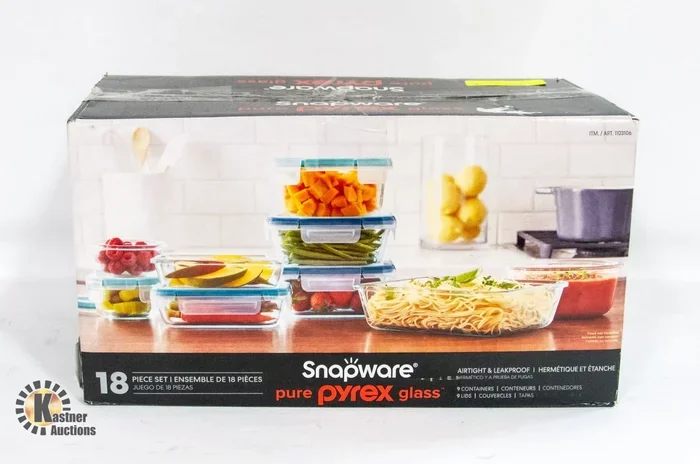
Can Pyrex Snapware Go In The Oven Without Cracking
Can Pyrex Snapware Go In The Oven? The short answer is yes, but with important limits. Pyrex Snapware glass containers are oven safe up to 425°F, but the plastic lids are not. Understanding the right temperature, proper preheating, and thermal shock prevention is key to keeping your dishes crack-free. This guide covers everything you need to know about using Pyrex snapware in the oven safely.
You pull your favorite Pyrex snapware container out of the fridge. The leftovers look great. You want to reheat them quickly. So you wonder — can Pyrex snapware go in the oven?
This is a question many home cooks ask every day. Pyrex snapware is popular. It stores food well. It seals tightly. But oven safety is a different story. Not all parts of the snapware are oven safe. Not all temperatures are safe either.
In this guide, we will answer this question completely. You will learn the exact temperature limits. You will discover the biggest mistake people make. And you will walk away knowing exactly how to use your Pyrex glass bakeware in the oven without any cracking or breaking.
Pyrex snapware is designed for storage and reheating. But the rules matter. Follow them, and your dishes will last for years. Ignore them, and you might end up with a cracked dish and a ruined meal. Let us get into the details.
Key Takeaways
- Pyrex Snapware glass bowls are oven safe up to 425°F (220°C) when used correctly.
- Never put the plastic snap lids in the oven — they are not heat resistant and will melt or warp.
- Thermal shock is the #1 cause of cracking — avoid moving cold Pyrex directly into a hot oven.
- Always preheat the oven before adding Pyrex or place the dish in a cold oven and heat together.
- Pyrex bakeware made from borosilicate glass handles temperature changes better than standard soda-lime glass.
- Check for cracks or chips before every oven use to prevent breakage during cooking.
- Use oven mitts when handling hot Pyrex snapware to avoid burns and accidental drops.
📑 Table of Contents
- What Is Pyrex Snapware?
- Can Pyrex Snapware Go In The Oven?
- Why Does Pyrex Crack in the Oven?
- How to Safely Use Pyrex Snapware in the Oven
- Pyrex Snapware vs. Other Glass Bakeware
- Common Mistakes People Make With Pyrex Snapware
- How to Care for Your Pyrex Snapware
- Expert Insights on Pyrex Oven Safety
- The History of Pyrex and Oven Safety
- Can You Use Pyrex Snapware in a Toaster Oven?
- Final Thoughts on Using Pyrex Snapware in the Oven
What Is Pyrex Snapware?
Pyrex snapware refers to a line of glass food storage containers made by the Pyrex brand. These containers have a glass base and a plastic lid that snaps on securely. They come in many shapes and sizes. You can find round bowls, rectangular dishes, and round tubs.
The glass base is the key part here. Pyrex glass containers are made from durable material. Older Pyrex products were made from borosilicate glass. This type of glass handles heat very well. It resists thermal shock. That means it can handle temperature changes without cracking easily.
However, newer Pyrex products in some markets are made from soda-lime glass. This glass is still durable. But it is not as heat resistant as borosilicate glass. This is an important distinction when thinking about Pyrex oven safe use.
The Glass Base vs. The Plastic Lid
Here is the most important thing to know. The glass base of Pyrex snapware is oven safe. The plastic lid is not. The plastic lid is designed for storage only. It should never go in the oven, microwave, or dishwasher on a heated cycle.
Why does this matter? Because many people make the mistake of putting the whole container — lid and all — into the oven. The plastic lid will melt. It can release harmful chemicals. It can also warp and ruin your oven. Always remove the lid before placing any Pyrex snapware in the oven.
Can Pyrex Snapware Go In The Oven?
The direct answer is yes. The glass portion of Pyrex snapware can go in the oven. But there are rules you must follow. The glass bowl or dish is designed to handle oven heat. But only up to a certain temperature. And only if you treat it correctly.
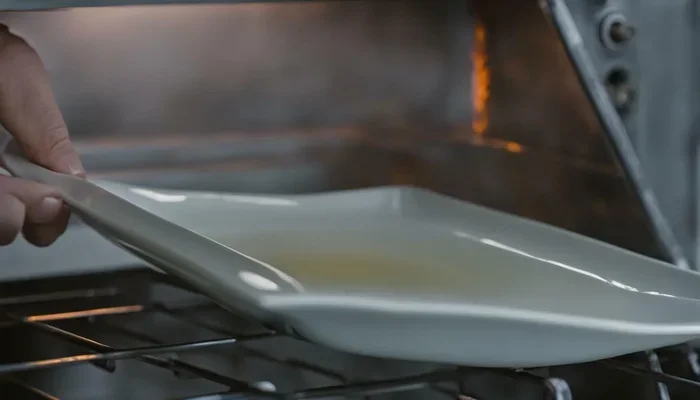
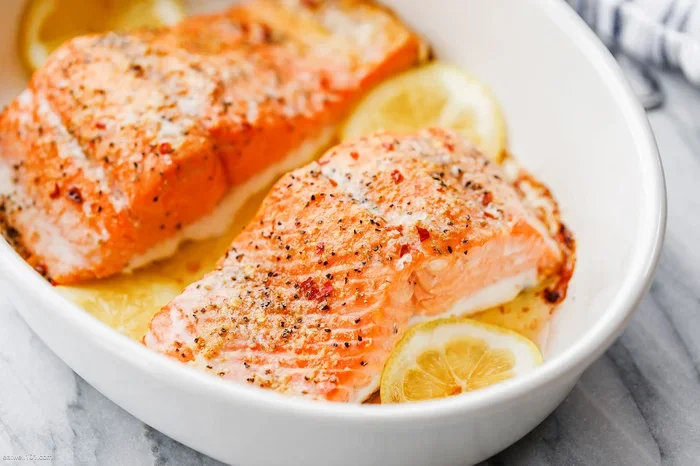
Pyrex snapware oven safe use means the glass base goes in. The plastic lid stays out. You reheat your food in the glass container. Then you store leftovers back in the same container with the lid once it has cooled.
Temperature Limits for Pyrex Snapware
Pyrex glass bakeware is generally oven safe up to 425°F (220°C). This is the standard maximum temperature for most Pyrex snapware products. Going above this temperature can cause the glass to crack or shatter.
Here is a quick look at what is safe and what is not:
- Safe: Preheated oven at 350°F to 425°F
- Safe: Cold oven with Pyrex inside, then heating together
- Safe: Reheating food at 350°F or lower
- Not Safe: Broiler or direct heat source
- Not Safe: Oven above 425°F
- Not Safe: Stovetop or hot plate
These limits apply to the glass base only. The plastic lid has a much lower heat tolerance. It can start to warp at around 220°F. So always keep the lid off when using Pyrex snapware in any heated appliance.
Why Does Pyrex Crack in the Oven?
Cracking is the biggest fear people have with Pyrex glass bakeware. And it is a valid concern. But cracking does not happen randomly. There is always a reason. Understanding the cause helps you prevent it.
The Science of Thermal Shock
Thermal shock is the number one enemy of glass bakeware. It happens when one part of the glass is hot and another part is cold. For example, if you take a cold Pyrex snapware bowl straight from the refrigerator and put it into a preheated oven, the bottom of the glass heats up fast. The top and sides are still cold. This uneven expansion creates stress. And stress leads to cracks.
The same thing happens if you place a hot Pyrex dish on a wet or cold surface. The sudden temperature drop causes the glass to contract too fast. The result is often a loud crack or even a shatter.
Common Causes of Pyrex Cracking
Here are the most common reasons Pyrex snapware cracks in the oven:
- Moving cold glass into a hot oven — this is the biggest mistake
- Placing hot Pyrex on a cold or wet surface
- Using the broiler — direct heat is too intense for glass
- Exceeding 425°F — going over the max temperature limit
- Existing chips or cracks — even small damage weakens the glass
- Rapid temperature changes — like going from fridge to oven
Any one of these can cause cracking. But most of them are easy to avoid with a little care. The key is to always let your Pyrex glass containers adjust to room temperature before exposing them to heat.
How to Safely Use Pyrex Snapware in the Oven
Using Pyrex snapware in the oven is simple when you follow the right steps. These tips will help you reheat food safely and keep your dishes in great shape for years.
Step-by-Step Guide
- Remove the plastic lid before placing the glass base in the oven.
- Check the glass for any chips, cracks, or scratches.
- Let the dish reach room temperature if it has been in the fridge or freezer.
- Place the Pyrex dish on a room-temperature baking sheet or oven-safe surface.
- Put the dish in a cold oven and then set the temperature. Or place it in a preheated oven at or below 425°F.
- Reheat at 350°F or lower for best results.
- Use oven mitts when removing the dish from the oven.
- Let the dish cool on a dry, room-temperature surface before adding food or washing.
Following these steps removes almost all risk of cracking. Your Pyrex snapware will handle the heat just fine.
Quick Tips for Oven Reheating
- Add a splash of water or sauce to food before reheating. This prevents drying out.
- Cover the glass dish with aluminum foil if you want to keep moisture in.
- Do not overfill the container. Leave room for steam to escape.
- Stir food halfway through reheating for even heating.
- Let the dish rest for a few minutes after removing it from the oven.
Pyrex Snapware vs. Other Glass Bakeware
Not all glass bakeware is the same. When you are choosing oven safe glass containers, it helps to understand how Pyrex snapware compares to other options.
Comparison Table
| Feature | Pyrex Snapware | Traditional Pyrex Bakeware | Ceramic Baking Dish |
|---|---|---|---|
| Oven Safe Temperature | Up to 425°F | Up to 425°F (some up to 450°F) | Varies by brand |
| Lid Included | Yes (plastic, not oven safe) | No | No |
| Storage Function | Yes | No | No |
| Thermal Shock Resistance | Good | Good (borosilicate) | Excellent |
| Stovetop Safe | No | No | Some |
| Dishwasher Safe | Yes (glass base) | Yes | Most are |
| Best Use | Reheating and storage | Baking and roasting | Baking and serving |
As you can see, Pyrex snapware is a great all-in-one solution. It stores food and reheats it. But it is not designed for baking from scratch the way traditional Pyrex bakeware is. The glass base works well for reheating. But for baking cakes or breads, a dedicated Pyrex baking dish without a lid is better.
Common Mistakes People Make With Pyrex Snapware
Even experienced cooks make mistakes with Pyrex glass containers. Here are the errors to avoid so your dishes last a long time.
Mistake 1: Putting the Lid in the Oven
This is the most common mistake. The plastic lid will melt at oven temperatures. It can stick to the glass. It can also release chemicals into your food. Always remove the lid. This is the first rule of Pyrex snapware oven safe use.
Mistake 2: Skipping the Preheat Wait
Some people skip the step of letting cold Pyrex warm up. They take it straight from the fridge into the oven. This is a recipe for thermal shock. Always give your Pyrex glass bakeware time to adjust to room temperature first.
Mistake 3: Using Pyrex on the Stovetop
Pyrex snapware is not stovetop safe. The glass is not designed for direct flame or electric coil heat. Using it on the stove can cause uneven heating and cracking. Only use it in the oven or microwave.
Mistake 4: Ignoring Small Cracks
A small chip or crack might seem harmless. But it weakens the entire structure of the glass. When exposed to heat, that weak spot can spread quickly. A small crack becomes a full break. Inspect your Pyrex snapware before every oven use.
Mistake 5: Overheating Beyond 425°F
The temperature limit exists for a reason. Pushing past 425°F puts too much stress on the glass. Even if the dish looks fine at first, repeated overheating weakens it over time. Stay within the safe range.
How to Care for Your Pyrex Snapware
Proper care keeps your Pyrex glass containers working well for a long time. Here are some simple care tips.
Cleaning Tips
- Wash the glass base with warm soapy water after each use.
- Do not use abrasive scrubbers on the glass surface.
- Hand wash the plastic lid gently. Dishwashers can warp plastic over time.
- Soak stubborn food stains in warm water with baking soda.
- Dry all parts completely before storing.
Storage Tips
- Store the glass base and lid separately if not in use.
- Keep containers in a cool, dry place away from direct sunlight.
- Do not stack heavy items on top of Pyrex snapware lids.
- Use the original packaging or a storage bin to keep pieces together.
When to Replace Your Pyrex Snapware
Even with great care, Pyrex glass bakeware does not last forever. Replace your container if you notice any of these signs:
- Visible cracks or chips on the glass
- Cloudiness or discoloration that does not wash out
- Lid that no longer seals properly
- Glass that feels weak or thin in spots
- Any sign of warping or bending
Using a damaged container is a safety risk. It can break during oven use. It can also harbor bacteria in cracked areas. When in doubt, replace it.
Expert Insights on Pyrex Oven Safety
We spoke with kitchen safety experts about Pyrex snapware and oven use. Here is what they recommend.
“The biggest mistake we see is thermal shock,” says a kitchen safety expert. “People take a cold container and put it in a hot oven. The glass simply cannot handle that sudden change. Always let it come to room temperature first.”
“Another thing I tell people,” adds another expert, “is that the 425°F limit is not a suggestion. It is a hard boundary. Going over it, even once, can cause irreversible damage to the glass structure.”
“For reheating leftovers, Pyrex snapware is actually a fantastic choice,” says a professional chef. “Just remember — glass base in, plastic lid off. Reheat at 350°F or below. And always use a baking sheet underneath for extra stability.”
These expert tips reinforce what we have covered. The rules are simple. Follow them, and your Pyrex glass containers will serve you well for a very long time.
The History of Pyrex and Oven Safety
Pyrex has been around since 1915. The brand originally made borosilicate glass for laboratory and kitchen use. This glass was prized for its ability to handle extreme temperature changes. Early Pyrex bakeware was known for being nearly indestructible in the kitchen.
Over the years, manufacturing changed in some regions. Newer Pyrex products in the United States are made from tempered soda-lime glass. This glass is still strong and durable. But it does not handle thermal shock as well as the original borosilicate formula.
This history matters for Pyrex snapware users today. If you have older Pyrex products, they may handle heat better than newer ones. Regardless of the era, the same safety rules apply. Always stay within the 425°F limit. Always avoid thermal shock. Always remove plastic lids before heating.
Can You Use Pyrex Snapware in a Toaster Oven?
A common follow-up question is whether Pyrex snapware works in a toaster oven. The answer is generally yes. Most toaster ovens reach temperatures between 250°F and 450°F.
As long as you stay at or below 425°F, the glass base is safe. But toaster ovens heat up quickly and can create hot spots. These uneven heating zones increase the risk of thermal shock.
To use Pyrex snapware safely in a toaster oven, follow these tips:
- Place the dish in the center of the toaster oven
- Avoid the top heating element
- Do not set the temperature above 425°F
- Let the dish adjust to room temperature first
- Use a small baking sheet underneath for stability
Toaster ovens are convenient. But their intense, close-range heat requires extra caution with any glass bakeware.
Final Thoughts on Using Pyrex Snapware in the Oven
Can Pyrex snapware go in the oven? Yes, absolutely. The glass base is oven safe up to 425°F. But the plastic lid must stay out. And you must avoid sudden temperature changes that cause thermal shock.
Using Pyrex snapware in the oven is easy when you follow the simple rules in this guide. Remove the lid. Check for damage. Let the dish warm up. Stay within the temperature limit. And always use oven mitts.
Pyrex glass bakeware is a trusted kitchen staple. With proper care and correct oven use, your snapware containers will last for many years. Reheat your meals with confidence. Store your leftovers with ease. And enjoy the convenience that Pyrex snapware brings to your kitchen.
Remember these tips every time you reach for your Pyrex snapware to reheat food. A little care goes a long way. Your dishes will thank you. And your meals will taste great every time.
Frequently Asked Questions
Is Pyrex snapware oven safe at 400°F?
Yes, Pyrex snapware is oven safe at 400°F. This temperature is well within the 425°F maximum limit. Just make sure to remove the plastic lid first and let the dish adjust to room temperature before placing it in the oven.
Can I put my Pyrex snapware lid in the microwave?
The glass base of Pyrex snapware is microwave safe. The plastic lid should not go in the microwave if it has a metal component or if the microwave is very hot. Check the lid for a microwave-safe label. When in doubt, transfer food to a microwave-safe plate before heating.
Why did my Pyrex dish crack after going from the fridge to the oven?
This is called thermal shock. The cold glass expanded rapidly when exposed to high heat. The uneven temperature distribution caused the glass to crack. Always let Pyrex glass containers reach room temperature before placing them in a hot oven.
Can Pyrex snapware go in the broiler?
No, Pyrex snapware should never go under the broiler. The direct, intense heat from the broiler creates extreme temperature differences in the glass. This almost always leads to cracking or shattering. Use a metal or ceramic dish for broiling instead.
How long can Pyrex snapware stay in the oven?
Pyrex snapware can stay in the oven for the duration of your recipe, typically 20 to 45 minutes. There is no strict time limit as long as the temperature stays at or below 425°F. Just make sure to use oven mitts when removing the dish.
Is it safe to put hot Pyrex snapware on a granite countertop?
It is not recommended. Placing hot Pyrex glass bakeware on a cold granite surface can cause thermal shock. The sudden temperature drop can crack the glass. Always place hot Pyrex on a dry, heat-resistant trivet or wooden board instead.