What Oven Temperature To Cook Roast Beef Every Time
The best oven temperature to cook roast beef depends on the cut and your preferred doneness. Most roasts shine at 325°F to 375°F, giving you a juicy, tender result. This guide will show you exactly what oven temperature to cook roast beef for every type, from prime rib to chuck roast, so you get perfect results every time.
There is nothing quite like a perfectly cooked roast beef. The aroma fills the kitchen, the slices fall apart, and everyone at the table asks for seconds. But achieving that level of perfection starts with one simple question: what oven temperature to cook roast beef. Many home cooks guess, and they end up with dry meat or a gray exterior. This guide will give you the exact temperatures, times, and techniques you need. You will learn how to cook roast beef in the oven like a pro, every single time.
Whether you are planning a holiday prime rib or a weeknight pot roast, the oven temperature makes all the difference. Oven temperature for roast beef is not a one-size-fits-all number. A tenderloin needs a different approach than a chuck roast. I will walk you through the ideal temperatures for each cut, explain why they work, and share practical tips you can use right away. By the end, you will feel confident enough to roast any beef cut to perfection.
Key Takeaways
- 325°F to 375°F is the sweet spot: This range works for most roast beef cuts, balancing crust and tenderness.
- Tender cuts need a hot start: Prime rib and tenderloin benefit from a 425°F sear before lowering the heat.
- Tough cuts love low and slow: Chuck roast and brisket do best at 300°F to 325°F for several hours.
- Use a meat thermometer: An oven-safe probe takes the guesswork out of roast beef doneness.
- Resting is non-negotiable: Let your roast sit for 15 to 20 minutes to keep juices inside.
- Searing adds deep flavor: A quick sear in a hot pan creates a beautiful crust before roasting.
📑 Table of Contents
- What Oven Temperature To Cook Roast Beef: The Quick Answer
- How Different Cuts Need Different Oven Temperatures
- A Comparison Table: Oven Temperatures by Roast Type
- How Long to Cook Roast Beef at Each Temperature
- Essential Steps for a Perfect Roast Beef
- Common Mistakes That Ruin Your Roast Beef
- Final Thoughts: Mastering Your Roast Beef
What Oven Temperature To Cook Roast Beef: The Quick Answer
The general rule for what oven temperature to cook roast beef is between 325°F and 375°F (165°C to 190°C). This range creates a beautiful brown crust while keeping the inside juicy. For tender, expensive cuts like prime rib and tenderloin, start at 425°F for the first 15 minutes, then drop to 325°F. For tougher cuts like chuck roast, stick to 300°F to 325°F for a long, slow cook. The roast beef internal temperature you are aiming for depends on how done you like your meat. Rare is 125°F, medium-rare is 135°F, medium is 145°F, and well-done is 155°F or higher. Always let the roast rest after cooking, as the temperature will rise a few degrees.
Expert Insight: The Two-Stage Method
Many professional cooks use a two-stage method for premium cuts. They start hot to develop a crust, then lower the heat to finish gently. This approach works because the initial high heat triggers the Maillard reaction, creating hundreds of flavor compounds. The lower heat then cooks the interior evenly without drying it out. I have used this method for years, and it never fails to deliver a stunning roast.
The Ideal Temperature Range for Most Roasts
Most beef roasts do best at 325°F to 375°F. This oven temperature for roast beef allows the fat to render slowly and the collagen to break down. The result is a tender, flavorful roast with a gorgeous crust. If you set the oven too low, the meat will take forever to cook and may turn gray. If you set it too high, the outside will burn before the inside is done. The 325°F to 375°F range hits the sweet spot for almost every cut.
Why Starting Hot Works for Tender Cuts
For premium cuts like prime rib and beef tenderloin, a high initial temperature is key. You start the roast at 425°F for about 15 minutes. This sear roast beef quickly, locking in juices and creating a deep brown crust. Then you reduce the heat to 325°F to finish the cook gently. This low and slow roast method ensures the inside reaches the perfect medium-rare roast beef temperature without drying out. It is a favorite technique among chefs and home cooks alike.
How Different Cuts Need Different Oven Temperatures
Not all beef roasts are the same. The cut determines the ideal oven temperature for beef roast. I break it down by cut so you can choose the right setting.
Tender Cuts Like Prime Rib and Tenderloin
These cuts come from the loin and rib areas. They are naturally tender and have beautiful marbling. For prime rib, I recommend starting at 425°F for 15 minutes, then dropping to 325°F. The prime rib oven temperature of 325°F after the sear gives you a perfect pink center. For beef tenderloin, the same approach works. A beef tenderloin temperature of 135°F for medium-rare is the goal. These cuts cook faster than tough ones, usually 15 to 20 minutes per pound after the initial sear. Because they are tender, you do not need hours of cooking time.
Tough Cuts Like Chuck Roast and Brisket
Chuck roast and brisket come from hard-working muscles. They have a lot of connective tissue that needs time to break down. For these cuts, a low and slow roast at 300°F to 325°F is best. The beef chuck roast oven temperature of 325°F will turn tough meat into fall-apart tenderness. Cooking time is longer, often 3 to 4 hours for a 3 to 4 pound roast. Oven-baked roast beef from the chuck is perfect for sandwiches and tacos. The slow cook allows the fat to melt and baste the meat from within. I often add broth, onions, and carrots to the pan for extra flavor.
Moderate Cuts Like Rump Roast and Round Roast
Rump roast and round roast are leaner and a bit tougher than the loin cuts. They do well at 325°F to 350°F. This oven temperature for roast beef gives them enough time to become tender without drying out. A rump roast might take 20 to 25 minutes per pound at 325°F. Since they are leaner, I recommend braising them or using a slow cooker if you want extra moisture. But in the oven, a pot roast in oven at 325°F with some broth and vegetables works wonders. The lean meat benefits from the added liquid, which keeps it juicy throughout the cook.
A Comparison Table: Oven Temperatures by Roast Type
Use this table to quickly find the right oven temperature for roast beef for your cut.
| Beef Cut | Oven Temperature | Cooking Time (per pound) | Target Internal Temp |
|---|---|---|---|
| Prime Rib | 425°F for 15 min, then 325°F | 15-20 minutes | 135°F (medium-rare) |
| Beef Tenderloin | 425°F for 15 min, then 325°F | 15-20 minutes | 135°F (medium-rare) |
| Chuck Roast | 300°F to 325°F | 45-60 minutes | 195°F (tender) |
| Brisket | 300°F to 325°F | 60-90 minutes | 195°F (tender) |
| Rump Roast | 325°F to 350°F | 20-25 minutes | 135°F to 145°F |
| Round Roast | 325°F to 350°F | 20-25 minutes | 135°F to 145°F |
This table shows that cooking time for roast beef varies widely. The temperature and time work together to create the right texture. Always check the internal temperature with a probe. A beef roast recipe can give you a starting point, but the thermometer is your final guide.
How Long to Cook Roast Beef at Each Temperature
Time matters just as much as temperature. The cooking time for roast beef depends on the cut, the weight, and your desired doneness. I always use a meat thermometer because it removes all guesswork. Here is a general guide based on a 325°F oven, which is the most common oven temperature to cook roast beef.
Timing for Rare, Medium, and Well-Done
For a rare roast beef, pull it out at 125°F internal temperature. Medium-rare is 135°F. Medium is 145°F. Well-done is 155°F or higher. These numbers are for the roast beef internal temperature when you take it out of the oven. Remember, the temperature will rise 5 to 10 degrees during resting. So if you want a medium-rare roast, pull it at 130°F to 135°F. A 4-pound tenderloin will take about 1 hour to reach medium-rare at 325°F. A 5-pound chuck roast at 325°F might need 3.5 to 4 hours. The beef roast recipe time is just a starting point. The thermometer is your best friend.
The Importance of a Meat Thermometer
An oven-safe meat thermometer is the single most important tool for roast beef. You can insert it before the roast goes in and monitor the temperature without opening the door. This prevents heat loss and ensures even cooking. I recommend a probe thermometer with a wireless display. You can check the roast beef doneness from your phone while you prepare the sides. No more guessing if the meat is ready. The thermometer takes the stress out of cooking and gives you consistent results every time.
Quick Tips for Perfect Timing
- Always preheat the oven before putting the roast in.
- Calculate time based on weight, but rely on the thermometer.
- For a slow roast beef, do not open the oven door frequently.
- Let the roast rest for at least 15 minutes before slicing.
- Use a wireless probe if you want to monitor from across the room.
Essential Steps for a Perfect Roast Beef
Getting the oven temperature to cook roast beef right is only half the battle. The steps you take before and during cooking matter just as much. Follow these simple stages for a show-stopping roast.
Searing Before Roasting
Searing adds flavor and color. I take the roast out of the fridge 30 minutes before cooking. I pat it dry with paper towels. Then I heat a tablespoon of oil in a roasting pan or a cast-iron skillet until it just smokes. I sear the roast on all sides for about 2 minutes each. This sear roast beef step creates a beautiful crust through the Maillard reaction. After searing, I transfer the pan to the preheated oven. The sear locks in juices and gives you that deep brown color everyone loves.
Seasoning and Marinating
Simple seasoning often works best. I rub the roast with salt, pepper, garlic powder, and a little olive oil. For a beef roast seasoning boost, I add rosemary, thyme, and a bay leaf. Some people like to marinate the roast overnight in a mixture of soy sauce, Worcestershire sauce, and minced garlic. The acid and salt tenderize the meat and add deep flavor. Whatever you choose, keep it simple and let the beef shine. A slow roast beef benefits from a dry rub applied at least an hour before cooking, so the salt can draw out moisture and then reabsorb it.
Resting the Meat
Resting is the step most people skip. When you take the roast out of the oven, the juices are concentrated in the center. If you cut immediately, they run out onto the cutting board, and the meat turns dry. I let the roast rest on a cutting board for 15 to 20 minutes. I tent it loosely with foil to keep it warm. This resting roast beef step allows the juices to redistribute. The result is a moist, tender slice every time. Do not skip this step, no matter how eager you are to dig in.
Common Mistakes That Ruin Your Roast Beef
Even with the right oven temperature for roast beef, a few simple mistakes can ruin your meal. I have made all of these errors, so you do not have to.
Skipping the Rest
I already mentioned this, but it is worth repeating. Cutting too early is the number one mistake. The roast continues to cook slightly from residual heat, and the juices need time to settle. Skipping the rest means dry, less flavorful meat. Give it at least 15 minutes. Use that time to make a quick pan sauce or set the table.
Using the Wrong Pan
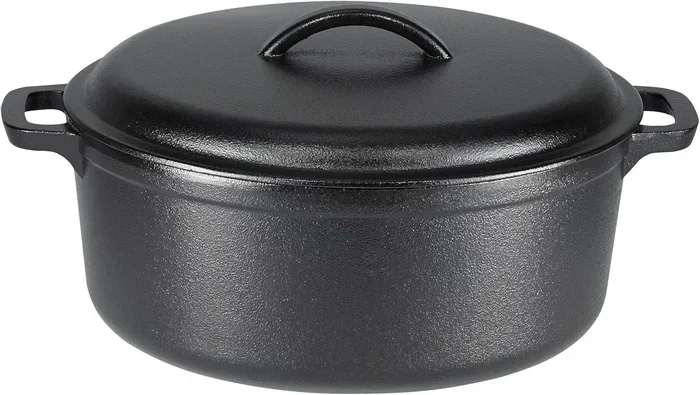
A thin, flimsy roasting pan causes uneven cooking. It can also warp in the oven. I use a heavy-duty roasting pan or a cast-iron Dutch oven. These hold heat well and promote even browning. If you do not have a roasting pan, use a baking dish with a rack. The rack lifts the roast and allows hot air to circulate around it. Avoid glass pans for high-heat roasting, as they can crack under extreme temperature changes.
Not Letting the Oven Preheat
Putting a cold roast into a cold oven is a recipe for gray meat. The oven needs to be fully preheated to the target oven temperature to cook roast beef before the roast goes in. This ensures a good sear from the start and even cooking throughout. I always set the oven 15 to 20 minutes before the roast is ready. A preheated oven gives you immediate heat contact, which is essential for a good crust.
Final Thoughts: Mastering Your Roast Beef
Now you know exactly what oven temperature to cook roast beef for every cut. The oven temperature for roast beef is not complicated once you understand the basics. Tender cuts love a hot start and a moderate finish. Tough cuts thrive on a low and slow approach. The roast beef internal temperature is your guide to perfect doneness. Use a meat thermometer, sear for flavor, and always let the roast rest. With these tips, your oven-baked roast beef will be the star of every meal. You will impress your family and friends with a juicy, flavorful roast that is cooked to perfection. So fire up the oven, pick your favorite cut, and enjoy the process. Happy roasting!
Frequently Asked Questions
What is the best oven temperature for roast beef?
The best oven temperature for roast beef is generally between 325°F and 375°F. For tender cuts like prime rib, start at 425°F for 15 minutes, then drop to 325°F. For tougher cuts like chuck roast, use 300°F to 325°F for a slow cook.
How long does it take to cook a roast beef in the oven?
Cooking time depends on the cut and weight. A tenderloin at 325°F takes about 15 to 20 minutes per pound. A chuck roast at 325°F might need 45 to 60 minutes per pound. Always use a meat thermometer to check the internal temperature rather than relying on time alone.
Should I cover my roast beef with foil?
It is best to roast beef uncovered for the first part to develop a crust. You can tent it loosely with foil during the resting period to keep it warm. Covering it during cooking can trap steam and prevent a crispy exterior.
What is the internal temperature for medium-rare roast beef?
The internal temperature for medium-rare roast beef is 135°F when measured with an oven-safe meat thermometer. Remember that the temperature will rise 5 to 10 degrees during resting, so pull the roast at 130°F to 135°F for a perfect medium-rare result.
Can I cook a frozen roast beef in the oven?
Yes, you can cook a frozen roast beef, but it will take significantly longer. Increase the cooking time by about 50 percent and use a meat thermometer to ensure it reaches a safe internal temperature. For best results, thaw the roast in the refrigerator overnight before cooking.
How do I reheat leftover roast beef without drying it out?
Reheat leftover roast beef gently in a 250°F oven with a splash of broth or water. Cover it with foil to trap moisture. Heat until it reaches an internal temperature of 120°F to 125°F. This low and slow approach keeps the slices tender and juicy.