What Does Descaling A Coffee Maker Mean And Why It Matters
Descaling a coffee maker means removing mineral buildup and limescale from inside your machine. This process keeps your coffee tasting fresh, protects the heating element, and extends the life of your brewer. Without regular descaling, hard water deposits can clog your machine and ruin your morning cup.
Key Takeaways
- Descaling removes mineral deposits: Hard water leaves calcium and lime buildup inside your coffee maker over time.
- It improves coffee taste: Scale buildup affects water flow and brewing temperature, leading to bitter or weak coffee.
- Regular descaling extends machine life: Keeping your brewer clean prevents costly repairs and premature breakdowns.
- Multiple methods work well: You can use vinegar, citric acid, or commercial descaling solutions.
- Frequency matters: Most machines need descaling every 1 to 3 months depending on water hardness.
- It is simple and fast: The entire process takes about 30 minutes with minimal effort.
📑 Table of Contents
- What Does Descaling A Coffee Maker Mean And Why It Matters
- Understanding Limescale And Mineral Buildup
- Why Descaling Matters For Your Coffee Taste
- How To Descale A Coffee Maker Step By Step
- How Often Should You Descale Your Coffee Maker?
- Common Mistakes People Make When Descaling
- Expert Tips For Keeping Your Coffee Maker Clean
- How Descaling Compares To Regular Cleaning
- What Happens If You Never Descale Your Coffee Maker?
- Final Thoughts
What Does Descaling A Coffee Maker Mean And Why It Matters
If you have a coffee maker at home, you have probably heard the word “descaling” before. But what does descaling a coffee maker mean, really? Simply put, descaling means removing the mineral buildup that builds up inside your machine over time. This buildup is called limescale or scale, and it comes from the minerals in your tap water. Every time you brew a pot, tiny amounts of calcium and magnesium are left behind inside the tubes, the heating element, and the water reservoir.
Why does this matter so much? Because that scale can seriously affect how your coffee tastes and how well your machine works. A coffee maker covered in mineral deposits may brew slower, produce weaker coffee, or even stop working altogether. Regular descaling keeps your machine in top shape and your coffee tasting its best. Think of it like changing the oil in your car. It is a simple maintenance step that saves you big headaches later.
Many coffee lovers ignore descaling until something goes wrong. By then, the damage may already be done. In this article, we will walk you through everything you need to know. You will learn what descaling means, why it is so important, how to do it, and how often you should do it. We will also cover common mistakes and share expert tips to keep your brewer running smoothly for years.
Whether you use a drip coffee maker, a single-serve pod machine, or an espresso unit, descaling applies to all of them. The process is the same at its core. You are flushing out mineral deposits that have collected inside the water pathways. Let us dive into the details and make sure you understand exactly why this simple step is so powerful.
Understanding Limescale And Mineral Buildup
What Is Limescale?
Limescale is a hard, chalky deposit made mostly of calcium carbonate. It forms when hard water is heated. Tap water contains dissolved minerals, and when that water heats up inside your coffee maker, those minerals solidify and stick to surfaces. Over weeks and months, this layer builds up and becomes thicker. You may notice white or chalky residue around the water outlet or inside the carafe.
Hard water is the main culprit behind limescale. If you live in an area with hard water, your coffee maker will need descaling more often. Regions with soft water may go longer between cleaning sessions. You can buy a simple water hardness test kit at most hardware stores to check your local water quality.
How Scale Affects Your Coffee Maker
When limescale coats the inside of your machine, it creates a barrier between the water and the heating element. This means your machine has to work harder to heat the water. The result is longer brewing times and inconsistent temperatures. Since coffee extraction depends heavily on the right water temperature, even a small drop in heat can change the flavor of your cup.
Scale can also narrow the tubes and channels inside your brewer. This restricts water flow and leads to uneven extraction. You might notice that your coffee tastes sour, bitter, or just flat. In severe cases, the buildup can completely block water from moving through the system. This can cause your machine to leak, make strange noises, or shut off unexpectedly.
Why Descaling Matters For Your Coffee Taste
One of the most noticeable effects of scale buildup is a change in coffee flavor. Clean water flows evenly through the coffee grounds at the right temperature. This creates a balanced extraction that brings out the best flavors in your beans. When scale interferes with that process, the results are obvious.
Your coffee may start tasting off. It might develop a metallic or bitter flavor that was not there before. Some coffee drinkers notice a cloudy appearance in their brew. This happens because the mineral deposits are leaching into the water as it passes through the clogged system.
If you have ever wondered why your favorite coffee tastes different at home but perfect at a cafe, scale buildup could be the answer. A clean coffee maker brews cleaner coffee. It is that simple. Regular descaling ensures that every cup tastes as fresh and flavorful as the first one you ever made.
Also, keep in mind that the quality of your water matters. Using filtered or bottled water can reduce scale buildup, but it does not eliminate it entirely. Even with good water, some mineral deposits will form over time. This is why descaling remains essential no matter what kind of water you use.
How To Descale A Coffee Maker Step By Step
Method 1: Using White Vinegar
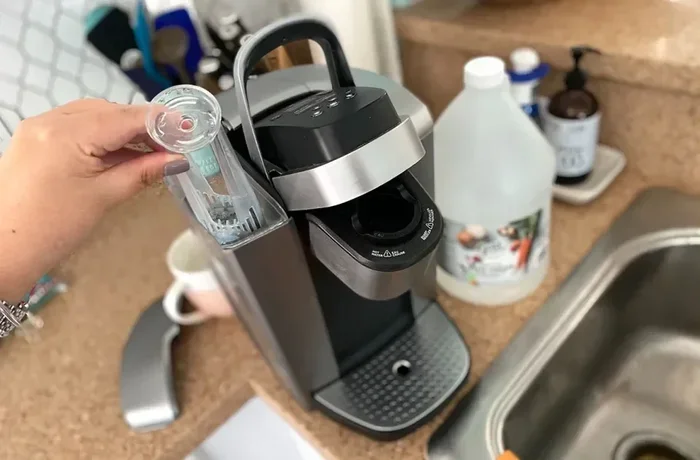
White vinegar is one of the most popular and affordable descaling solutions. It is safe, natural, and works well for most coffee makers. Here is how to do it:
- Fill the water reservoir with equal parts white vinegar and water. For example, use 2 cups of vinegar and 2 cups of water for a standard machine.
- Place an empty carafe or mug on the drip tray.
- Run a full brew cycle without coffee grounds in the filter.
- Let the vinegar solution sit in the machine for 15 to 30 minutes after the cycle finishes.
- Run two to three more cycles with fresh water to rinse out the vinegar smell and taste.
- Wipe down the exterior and clean the carafe thoroughly.
You may notice a slight vinegar smell after the first rinse cycle. This is normal. The rinsing cycles will remove it completely. If the smell lingers, add an extra rinse cycle. Your machine will be clean and ready to brew great coffee.
Method 2: Using Citric Acid
Citric acid is another excellent option for descaling. It is a natural acid found in citrus fruits and works just as effectively as vinegar. Many people prefer it because it does not leave behind a strong smell. Here is how to use it:
- Mix one to two tablespoons of citric acid powder with water in the reservoir.
- Run a full brew cycle with the solution.
- Let it sit for 15 minutes inside the machine.
- Run two full rinse cycles with clean water.
Citric acid is gentle on most coffee maker components and is safe for both standard and pod machines. It is also a great choice if you have a stainless steel internal system, as it will not cause any corrosion when used properly.
Method 3: Commercial Descaling Solutions
Store-bought descaling products are designed specifically for coffee makers. Brands like Dezcal and Urnex make popular options. These solutions are formulated to dissolve scale quickly and safely. They often come with clear instructions on the bottle. Most commercial descalers work in a single cycle and require fewer rinse rounds than vinegar or citric acid.
While these products cost more than DIY options, they are convenient and highly effective. If you brew coffee daily and want a hassle-free cleaning routine, a commercial descaler is worth the investment. Just make sure the product is safe for your specific machine type.
How Often Should You Descale Your Coffee Maker?
The frequency of descaling depends on a few factors. The biggest one is your water hardness. If you live in an area with very hard water, you should descale every 4 to 6 weeks. For moderately hard water, every 2 to 3 months works well. If you use filtered water, you can stretch it to every 3 to 6 months.
Here is a simple guide to help you decide:
- Hard water areas: Descale every 4 to 6 weeks
- Moderate water hardness: Descale every 2 to 3 months
- Soft water or filtered water: Descale every 3 to 6 months
- Heavy daily use (multiple pots per day): Descale more frequently
Pay attention to the signs your machine gives you. A slower brew time, unusual noises, or a change in coffee taste are all signals that descaling is needed. Most coffee maker manufacturers also recommend a specific descaling schedule. Check your user manual for the official guidance. Following the manufacturer’s advice helps keep your warranty valid.
Some modern machines have a built-in descaling light or indicator. When this light comes on, it is time to clean your machine. Do not ignore it. Those warning lights are designed to protect your investment and keep your coffee tasting great.
Common Mistakes People Make When Descaling
Descaling is straightforward, but people still make mistakes. Here are some common ones to avoid:
Skipping the rinse cycles. This is the most common error. After running the descaling solution through your machine, you must rinse thoroughly. Running only one water cycle is not enough. Leftover vinegar or citric acid can affect the taste of your next few pots of coffee. Always do at least two to three full rinse cycles.
Using the wrong cleaning product. Do not use dish soap, bleach, or general household cleaners inside your coffee maker. These products are not designed for internal coffee machine parts and can leave behind harmful residues. Stick to vinegar, citric acid, or a dedicated coffee maker descaler.
Ignoring the carafe and filter. Descaling focuses on the internal water pathways, but the carafe and filter basket also need regular cleaning. Wash these parts with warm soapy water after every few uses. A clean carafe ensures your coffee looks and tastes its best.
Not reading the manual. Every coffee maker is slightly different. Some machines have specific descaling instructions or require certain products. Reading your manual takes five minutes and can save you from damaging your machine.
Waiting until something breaks. Many people only descale when their machine stops working. By that point, heavy scale buildup may have already caused permanent damage. Preventive maintenance is always better and cheaper than repair or replacement.
Expert Tips For Keeping Your Coffee Maker Clean
Descaling is the most important cleaning step, but it is not the only one. Here are some expert tips to keep your brewer in top condition between descaling sessions:
- Rinse the machine with fresh water after every use. This prevents stale water from sitting in the reservoir and causing buildup.
- Clean the carafe and filter basket regularly. A quick wash after each brew goes a long way in maintaining overall hygiene.
- Use filtered water in your reservoir. This reduces the amount of minerals that enter your machine and slows down scale formation.
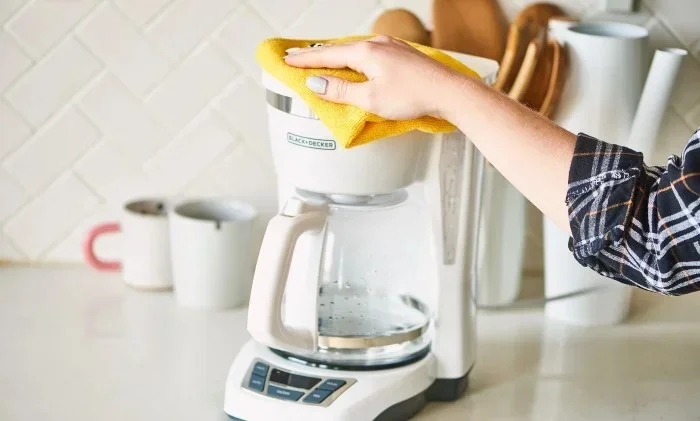
- Wipe down the exterior weekly. A damp cloth keeps the outside of your machine looking clean and prevents dust from entering the components.
- Run a hot water cycle once a week without coffee. This flushes out any residue and keeps the internal pathways clear.
Taking care of your coffee maker is similar to maintaining any other kitchen appliance. Just like you would not ignore a strange smell coming from your oven, you should not ignore warning signs from your coffee brewer. For example, if your oven starts shutting off randomly, you would investigate the cause right away. The same mindset applies to your coffee machine. Address small issues before they become big problems.
Also, remember that coffee quality starts with clean equipment. The relationship between your water quality and your coffee taste is direct and significant. Even the best coffee beans will taste mediocre if your machine is dirty. Clean equipment means better extraction, better flavor, and a better morning routine.
Similar to how instant coffee can have unexpected effects on your body, the way you care for your coffee maker affects your daily experience in ways you might not immediately notice. Regular maintenance creates a reliable, enjoyable coffee experience every single day.
How Descaling Compares To Regular Cleaning
It is important to understand the difference between descaling and regular cleaning. Regular cleaning involves washing removable parts like the carafe, filter basket, and drip tray. You also wipe down the exterior and rinse the water reservoir. This should be done frequently, ideally after every few uses.
Descaling goes deeper. It targets the internal components that regular cleaning cannot reach. The heating element, the internal tubes, and the water pathways all benefit from a proper descaling session. Think of regular cleaning as surface maintenance and descaling as deep cleaning. Both are necessary for a fully functioning coffee maker.
Here is a quick comparison:
- Regular cleaning: Washes removable parts, wipes exterior, rinses reservoir. Done weekly or after each use.
- Descaling: Removes internal mineral buildup from heating elements and tubes. Done every 1 to 3 months.
Skipping regular cleaning leads to bacteria growth and stale coffee. Skipping descaling leads to mineral buildup and machine failure. Both types of maintenance work together to keep your coffee maker performing at its best.
What Happens If You Never Descale Your Coffee Maker?
Some people wonder if descaling is really necessary. The answer is yes. If you never descale your machine, mineral deposits will continue to accumulate. Over time, this buildup can cause serious problems. Here is what can happen:
- Reduced brewing temperature: Scale insulates the heating element, causing it to heat water less efficiently.
- Slower brewing: Narrowed tubes restrict water flow, making your coffee take longer to brew.
- Bitter or off-flavors: Mineral deposits react with the water and affect the taste of your coffee.
- Machine breakdown: Severe scale buildup can damage the heating element and other internal parts beyond repair.
- Shorter machine lifespan: A coffee maker that is never descaled may need replacement years earlier than expected.
The cost of a descaling solution or a bottle of vinegar is tiny compared to the cost of replacing a broken coffee maker. Regular descaling is one of the easiest and most affordable ways to protect your investment.
Final Thoughts
Descaling a coffee maker is a simple but essential maintenance task that every coffee lover should do regularly. It removes mineral deposits, improves coffee taste, and extends the life of your machine. Whether you use vinegar, citric acid, or a commercial descaler, the process is quick and easy. Most machines only need descaling every 1 to 3 months, and the results are well worth the effort.
Make descaling a part of your coffee routine. Set a reminder on your phone or mark your calendar. Once you start doing it regularly, you will notice the difference in every cup you brew. Clean machines make better coffee. It is that simple.
Take a few minutes today to check if your coffee maker needs descaling. Your taste buds will thank you, and your machine will last much longer. A little maintenance now saves you time, money, and frustration down the road. Start your descaling routine and enjoy better coffee every morning.
Frequently Asked Questions
Can I use lemon juice instead of vinegar to descale my coffee maker?
Yes, lemon juice works as a natural descaling agent. It contains citric acid, which dissolves mineral deposits effectively. Use fresh lemon juice mixed with water and follow the same steps as the vinegar method. Rinse thoroughly afterward to remove any lingering citrus taste.
Is descaling the same as cleaning my coffee maker?
No, they are different. Cleaning involves washing removable parts and wiping down surfaces. Descaling specifically targets mineral buildup inside the machine’s internal components. You need both regular cleaning and periodic descaling for optimal performance.
Can I descale my coffee maker too often?
It is very difficult to descale too often using vinegar or citric acid. However, overusing commercial descalers with harsh chemicals could potentially damage sensitive parts. Stick to the recommended frequency and use gentle solutions for routine maintenance.
How do I know if my coffee maker needs descaling?
Common signs include slower brewing times, unusual noises during operation, a change in coffee taste, and visible white deposits around the water outlet. Many modern machines also have a descaling indicator light that alerts you when it is time to clean.
Can descaling fix a coffee maker that is already malfunctioning?
Descaling can often resolve issues caused by mineral buildup, such as slow brewing or uneven water flow. However, if the machine has other mechanical or electrical problems, descaling alone will not fix those issues. It is best to try descaling first as a simple troubleshooting step.
What is the best descaling solution for a pod coffee machine?
Pod machines work the same way as drip coffee makers when it comes to scale buildup. White vinegar, citric acid, or a commercial pod-machine-safe descaler all work well. Just make sure to run extra rinse cycles since pod machines have smaller internal pathways where residue can linger more easily.