How To Use A French Press Coffee Pot And Make Perfect Brews
A French press coffee pot is one of the simplest and most rewarding ways to brew coffee at home. This guide walks you through every step, from choosing the right grounds to mastering your steeping time. You will learn how to get the best flavor, avoid common mistakes, and keep your coffee pot clean for years to come.
Key Takeaways
- Use coarse grounds: A coarse grind prevents over-extraction and keeps your coffee smooth.
- Water temperature matters: Heat water to between 195°F and 205°F for the best extraction.
- Steep for 4 minutes: This is the sweet spot for a balanced and rich cup of coffee.
- Preheat your pot: Warming the French press before brewing keeps your coffee hot longer.
- Clean regularly: Proper maintenance preserves flavor and extends the life of your coffee pot.
- Experiment with ratios: Start with 1:15 coffee-to-water ratio and adjust to your taste.
- Enjoy immediately: Pour your brew right away to avoid over-steeping and bitterness.
📑 Table of Contents
- What Is A French Press Coffee Pot And Why Is It So Great
- Choosing The Right French Press For Your Needs
- Step-By-Step Guide To Using Your French Press
- Tips For Getting The Perfect Brew Every Time
- Common Mistakes To Avoid With Your Coffee Pot
- Cleaning And Maintaining Your French Press
- Frequently Asked Questions About French Press Coffee
- Conclusion
What Is A French Press Coffee Pot And Why Is It So Great
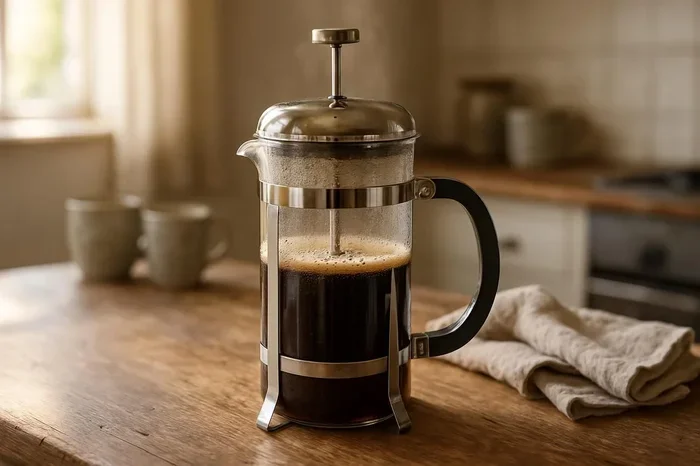
A French press coffee pot is a simple yet powerful brewing tool that has been around for decades. It uses immersion brewing, which means the coffee grounds sit directly in hot water. This method pulls out more oils and flavors than paper filters ever could.
The result is a rich, full-bodied cup of coffee that feels bold and satisfying. Many coffee lovers prefer this method because it gives them control over every step of the process. You decide the grind size, the water temperature, and the steeping time.
French press coffee also has a ritual to it. There is something deeply satisfying about pressing down the plunger and pouring your morning coffee. It turns a daily routine into a small moment of calm and enjoyment.
Unlike drip machines or pod systems, a French press has very few moving parts. This makes it easy to use, easy to clean, and incredibly durable. A good coffee pot can last you for years with proper care.
Whether you are new to coffee brewing or a seasoned enthusiast, the French press offers a reliable and consistent way to make great coffee. It is one of the most affordable upgrades you can make to your morning coffee ritual.
How Immersion Brewing Works
Immersion brewing is the core principle behind every French press. Hot water surrounds the coffee grounds and extracts flavor over time. Because the grounds stay submerged, the extraction is even and thorough.
This is different from drip brewing, where water passes quickly through a filter. With immersion, the coffee and water interact for a longer period. That is why the steeping time is so important in this method.
The metal filter in a French press also plays a role. It catches most of the grounds but lets fine particles and oils through. This gives your brew a heavier body and a more complex coffee flavor than filtered methods.
Choosing The Right French Press For Your Needs
Not all French presses are created equal. The size, material, and design all affect how your coffee tastes and how easy it is to use. Let us walk through what to look for when picking one out.
Size And Capacity
French presses come in several sizes, from single-serving to large family-size pots. Choosing the right size depends on how much coffee you drink each day and how many people you are brewing for.
Here is a quick comparison of common sizes:
- Small (12 oz): Perfect for one person who enjoys a single strong cup of coffee.
- Medium (34 oz): Great for two to three people or for making a larger morning batch.
- Large (51 oz): Ideal for families or for entertaining guests at brunch.
Keep in mind that a larger pot requires more coffee grounds and more water. The brew ratio stays the same, but the total volume changes. Always measure your ingredients based on the size of your coffee pot.
Material Options
Most French presses are made from either glass or stainless steel. Glass pots let you watch the coffee steep, which many people enjoy. They also do not retain heat from previous brews, so each cup tastes fresh.
Stainless steel pots, on the other hand, are more durable and keep coffee warm longer. They are a great choice if you are clumsy or plan to use your press outdoors. Both materials work well, so it really comes down to personal preference.
Step-By-Step Guide To Using Your French Press
Now that you have your pot ready, let us get into the actual brewing process. Follow these steps closely and you will be rewarded with a delicious cup every single time.
Step One: Measure Your Coffee Grounds
Start by measuring out your coffee. A good starting point is about 2 tablespoons of grounds for every 6 ounces of water. This gives you a balanced brew that you can adjust later based on your taste.
Use freshly ground coffee whenever possible. Pre-ground coffee loses its aroma fast, and the coffee flavor suffers as a result. If you have a burr grinder at home, grind your beans just before brewing for the best results.
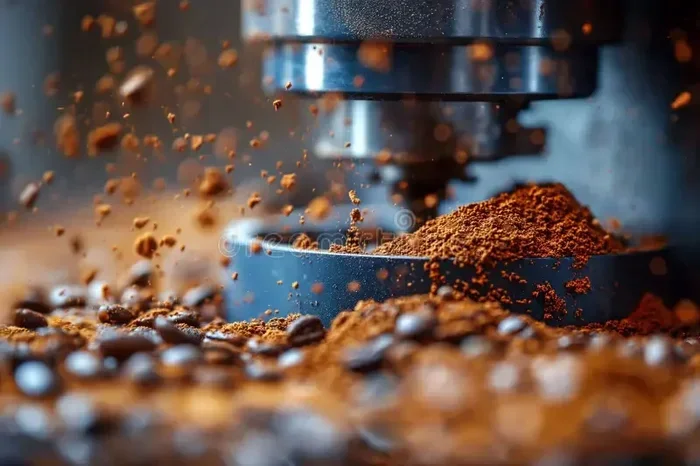
The grind size for a French press should always be coarse. Think of it like sea salt, not table salt. A coarse grind prevents the coffee from becoming muddy and keeps the steeping process even.
Step Two: Heat The Water To The Right Temperature
Water temperature is one of the most important factors in coffee brewing. Boiling water can scorch the grounds and create a bitter taste. Water that is too cool will under-extract and leave your coffee weak and sour.
The sweet spot is between 195°F and 205°F. If you do not have a thermometer, simply bring your water to a boil and then let it sit for about 30 seconds. This gives you a safe and reliable temperature range.
Pour the hot water slowly over the grounds. Make sure all the coffee is saturated evenly. Give it a gentle stir with a wooden spoon or chopstick to help the extraction process along.
Step Three: Steep And Press
Once the water is added, place the lid on top of the pot. Do not press the plunger down yet. Let the coffee steep for about 4 minutes. This is the standard time recommended by most coffee experts.
If you prefer a stronger cup, you can steep for 5 minutes. If you like a milder taste, try 3 minutes. The steeping time is one of the easiest ways to customize your brew to your personal preference.
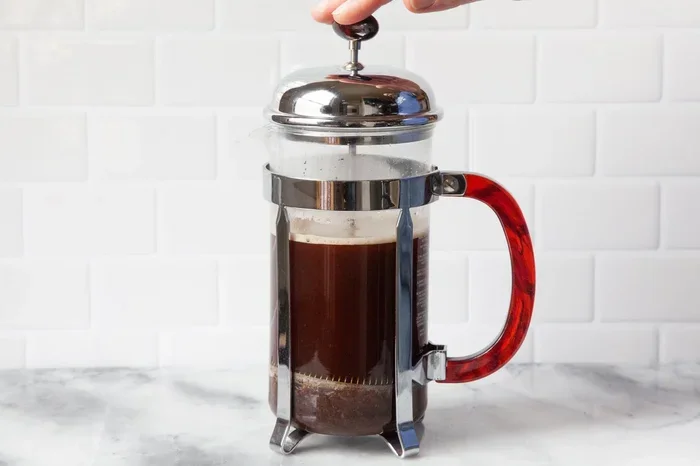
After the steeping time is up, press the plunger down slowly and steadily. Apply even pressure and do not rush this step. A slow press keeps the grounds at the bottom and gives you a clean pour.
Serve the coffee immediately after pressing. If you leave it sitting in the pot, it will continue to extract and become bitter. The best coffee aroma happens right after brewing, so pour and enjoy right away.
Tips For Getting The Perfect Brew Every Time
Mastering the French press takes a little practice, but the results are worth it. Here are some expert tips that will elevate your coffee game right away.
Get The Brew Ratio Right
The brew ratio is the relationship between coffee grounds and water. A 1:15 ratio is a great place to start. That means 1 gram of coffee for every 15 grams of water. For a standard mug, this translates to about 30 grams of coffee and 450 grams of water.
Use a kitchen scale for the most accurate measurements. Scoops and tablespoons can be inconsistent, and even small variations can change the taste of your coffee. Once you find your preferred ratio, stick with it for consistency.
Preheat Your French Press
Preheating your coffee pot is a step many people skip, but it makes a real difference. Pour hot water into the empty press and let it sit for a minute before dumping it out. This warms the glass or steel and helps maintain the brewing temperature.
When you pour hot water into a cold pot, the temperature drops too fast. That leads to uneven extraction and a weaker cup of coffee. A quick preheat solves this problem with almost no effort.
Experiment With Coffee Beans
Different beans bring out different flavors in a French press. Medium and dark roasts tend to work beautifully because they stand up well to immersion brewing. Light roasts can also work, but they may taste more delicate and nuanced.
Try beans from different regions to discover new coffee flavor profiles. Ethiopian beans often have fruity and floral notes, while Colombian beans tend to be nutty and smooth. The French press brings out these characteristics in a way that other methods simply cannot match.
Keep Your Coffee Warm Without A Heat Source
If you like to take your time sipping your coffee, you might wonder how to keep it warm. While a French press is not designed to retain heat for hours, there are simple workarounds. Preheating the pot helps, and pouring your coffee into a warm mug also makes a difference. Similarly, if you want to keep your beverage warm for longer, you can explore methods like how to keep food warm without an oven for general kitchen tips that also apply to hot drinks.
Common Mistakes To Avoid With Your Coffee Pot
Even experienced coffee makers make mistakes sometimes. Knowing what to avoid will save you from a disappointing cup and help you get the most out of your French press.
Using The Wrong Grind Size
This is the number one mistake people make. If your grind is too fine, the coffee will be gritty and over-extracted. Fine grounds can also slip through the filter and clog the plunger.
Always use a coarse grind for the best results. It might feel strange at first if you are used to fine grinds, but trust the process. The coarse grind creates a clean, smooth cup with rich coffee flavor and no sediment in your sip.
Over-Steeping Your Coffee
Leaving the coffee to steep too long is another common error. After 4 to 5 minutes, the extraction starts to pull out bitter compounds. Your once-smooth brew turns harsh and unpleasant.
Set a timer when you brew. It takes just a few seconds and keeps you from forgetting about your coffee. Once the timer goes off, press and pour immediately. This simple habit will transform the taste of your coffee.
Skipping The Clean-Up
A dirty French press builds up old oils and residue that ruin the taste of your next brew. Cleaning after every use is essential for maintaining great coffee flavor.
Disassemble the plunger and filter, and rinse all parts with warm water. For stubborn stains, you can use a cleaning method similar to how to clean oven with dishwasher tablet without scrubbing, which uses gentle cleaning agents to break down buildup without harsh scrubbing. A deep clean once a week with baking soda and warm water keeps everything fresh and odor-free.
Cleaning And Maintaining Your French Press
Taking care of your coffee pot ensures it lasts for years and brews great coffee every time. Cleaning is simple, but it does require a regular routine.
Daily Cleaning Routine
After each use, disassemble the plunger assembly and rinse all parts under warm running water. Use a soft brush or sponge to remove any remaining grounds. Never use abrasive scrubbers, as they can scratch the interior surface.
Let the parts air dry on a clean towel. Putting the pieces back together while they are still wet can trap moisture and lead to mold or mildew. A little extra drying time goes a long way.
Deep Cleaning Tips
Once a week, give your French press a thorough deep clean. Mix warm water with a tablespoon of baking soda and let it sit for 15 minutes. This removes built-up oils and keeps your coffee tasting fresh.
For the plunger and filter, use a small brush to clean between the mesh wires. Coffee oils love to hide in those tiny spaces. A clean filter means better flow and a cleaner cup of coffee every time.
Reassembling the parts after cleaning is similar to learning how to put an oven rack back in. Each piece has a specific position, and getting it right ensures the plunger moves smoothly and seals properly during brewing.
Frequently Asked Questions About French Press Coffee
Can I Use Regular Ground Coffee In A French Press?
You can, but it will not give you the best results. Regular pre-ground coffee is usually too fine for a French press. It slips through the filter and creates a muddy, gritty cup. Invest in a simple burr grinder and grind your beans coarse right before brewing for the best coffee flavor and aroma.
How Long Does A French Press Brew Take?
The actual brewing time is about 4 minutes. Add a minute or two for heating the water and preheating the pot. Total time from start to finish is around 6 to 8 minutes, which is still faster than most other brewing methods.
Can I Reuse Coffee Grounds In A French Press?
Technically you can, but the second brew will be much weaker and less flavorful. The grounds have already released most of their oils and compounds during the first steeping. For the best cup of coffee, always use fresh grounds.
Is French Press Coffee Stronger Than Drip Coffee?
French press coffee has a richer body and more oils, which can feel stronger on the palate. However, the caffeine content depends on the ratio of coffee to water. If you use the same amount of grounds, the caffeine levels are similar. The difference is mostly in the mouthfeel and coffee flavor intensity.
Can I Put My French Press In The Dishwasher?
Most manufacturers recommend hand washing your French press. The dishwasher can damage the seal and the plunger mechanism over time. Warm soapy water and a soft brush are all you need to keep your coffee pot in great condition.
What Is The Best Coffee Beans For French Press Brewing?
Medium to dark roast beans work best for immersion brewing. They have enough body and flavor to stand up to the full immersion process. Single-origin beans from Colombia, Brazil, or Ethiopia are excellent choices that showcase the unique coffee aroma and taste that a French press brings out.
Conclusion
Using a French press coffee pot is one of the easiest and most rewarding ways to enjoy great coffee at home. With just a few simple steps, you can brew a rich, flavorful cup that rivals anything from your favorite coffee shop.
The key is to focus on the details. Use coarse grounds, heat your water to the right temperature, steep for the right amount of time, and clean your pot regularly. These small habits add up to a big difference in every cup.
Do not be afraid to experiment. Try different beans, adjust your brew ratio, and find the steeping time that suits your personal taste. The beauty of the French press is that it gives you full control over the process.
Once you make the switch, you will never go back to boring drip coffee. Your morning coffee ritual will feel more intentional, more satisfying, and more enjoyable. Start today, and discover the difference that a well-made cup of French press coffee can bring to your day.