Is Foil Air Fryer Safe Here Is Everything You Should Know
Using foil in an air fryer can be safe when done correctly. Aluminum foil helps with cleanup and even cooking, but it also comes with real risks like blocking airflow and causing fire hazards. This guide covers everything you need to know about is foil air fryer safe, including when to use it and when to skip it.
So you have an air fryer sitting on your countertop. You have heard great things about is foil air fryer safe and want to try it. Maybe you want to make cleanup easier. Maybe you want to cook a whole fish without it falling apart. Or maybe someone told you foil is dangerous in an air fryer. Either way, you have come to the right place.
The short answer is yes. Using foil in an air fryer is generally safe when you follow a few simple rules. But there is more to it than just tossing a sheet of aluminum foil into the basket. The wrong technique can lead to uneven cooking, messes, or even fire hazards. In this article, we will walk you through everything you need to know. You will learn when foil is safe, when it is not, and how to get the best results every time.
Air fryers have become one of the most popular kitchen appliances in recent years. They use hot air to cook food quickly and with less oil. But many people wonder about using accessories like foil, parchment paper, and metal racks. The question of is foil air fryer safe comes up constantly in kitchen forums and social media groups. Let us clear up the confusion once and for all.
Key Takeaways
- Foil is generally safe: You can use aluminum foil in most air fryers if you follow the right guidelines.
- Never cover the bottom completely: Blocking airflow can cause uneven cooking and overheating.
- Watch for fire risks: Foil can spark if it touches the heating element or if you use the wrong type.
- Check your manual first: Not all air fryer brands approve foil use, so always read the instructions.
- Use foil to your advantage: It can help with cleanup, retain moisture, and prevent small foods from falling through the basket.
- Practice makes perfect: Start with small amounts of foil and monitor your food closely the first few times.
📑 Table of Contents
- How Foil Works Inside an Air Fryer
- Is Foil Air Fryer Safe
- Risks of Using Foil in an Air Fryer
- Best Practices for Using Foil in an Air Fryer
- Common Mistakes People Make with Foil in Air Fryers
- Expert Insights on Foil and Air Fryer Safety
- Foil vs. Parchment Paper in Air Fryers
- Final Thoughts on Foil Air Fryer Safety
How Foil Works Inside an Air Fryer
The Science Behind Aluminum Foil and Hot Air
An air fryer works by circulating hot air around your food at high speed. This rapid airflow is what creates the crispy texture we all love. When you place a sheet of aluminum foil inside the fryer, you are essentially creating a barrier. That barrier can either help or hurt your cooking, depending on how you use it.
Foil reflects heat, which can help cook food more evenly on one side. It also prevents small pieces from falling through the basket holes. However, foil can also block airflow if you cover too much surface area. This is the core reason why is foil air fryer safe depends so much on technique.
Think of your air fryer like a small convection oven. The hot air needs to move freely around the food. If you block too much of that movement, your food will not cook properly. Understanding this basic principle is key to using foil safely.
Is Foil Air Fryer Safe
The answer to is foil air fryer safe is not a simple yes or no. It depends on several factors, including your air fryer model, the type of foil you use, and what you are cooking. Let us break this down.
When Foil Is Safe to Use
There are several situations where using foil in your air fryer is perfectly fine. Here are some safe scenarios:
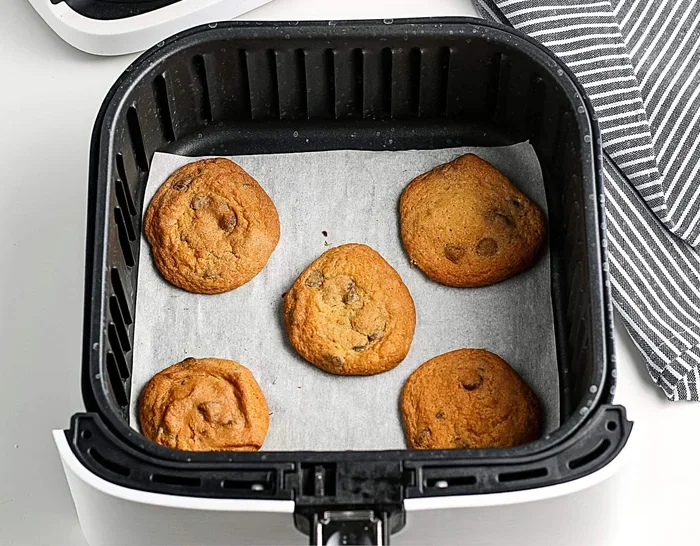
- Lining the basket for cleanup: Placing a small sheet of foil on the bottom of the basket can catch drips and crumbs. This makes washing up much easier after you are done cooking.
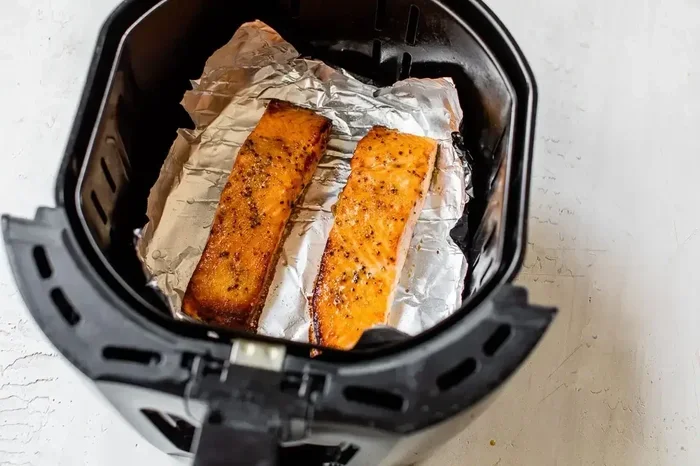
- Cooking delicate foods: If you are cooking fish or thin vegetables that might fall apart, a light layer of foil can help hold everything together.
- Wrapping small items: Wrapping individual portions of food in foil keeps them moist and prevents them from drying out during the cooking cycle.
- Using perforated foil: Some people poke holes in the foil to allow airflow. This is a great compromise between cleanup and cooking performance.
In all these cases, the foil acts as a helper, not a barrier to the entire cooking process. As long as hot air can still circulate, you should be fine.
When You Should Avoid Foil
There are also times when you should definitely skip the foil. Here are the situations where is foil air fryer safe does not apply:
- Covering the entire bottom of the fryer: This blocks airflow completely and can lead to undercooked food or overheating.
- Letting foil touch the heating element: If the foil is close enough to touch the top heating element, it can spark or even catch fire.
- Using crumpled or wrinkled foil: Wrinkles can create hotspots that burn your food or damage the fryer lining.
- Cooking acidic foods: Tomatoes, citrus, and vinegar-based marinades can react with aluminum. This can affect the taste of your food and potentially leach small amounts of metal.
If you avoid these situations, you are already ahead of most home cooks. The key is to always think about airflow and heat distribution.
Risks of Using Foil in an Air Fryer
While foil can be helpful, it is important to understand the real risks involved. Knowing the dangers helps you cook more safely.
Fire Hazards and Safety Concerns
The biggest risk of using foil in an air fryer is fire. Air fryers heat up very quickly and reach high temperatures. If a piece of foil shifts during cooking and touches the heating element, it can spark or ignite. This is not a common problem, but it does happen.
To put this in perspective, consider how you would handle other kitchen appliances. Just as you check if Delonghi coffee machine parts are dishwasher safe before loading them, you should check your air fryer manual before using foil. Not all manufacturers approve foil use, and some explicitly warn against it.
Another fire risk comes from overloading the fryer with foil. If you use too many sheets or wrap food too tightly, you restrict the airflow that the fryer needs to operate safely. This can cause the motor to overheat and reduce the lifespan of your appliance.
Impact on Cooking Performance
Even if there is no fire risk, foil can seriously affect how your food turns out. Here are some performance issues to watch for:
- Uneven cooking: If foil blocks airflow on one side, that side of your food will cook slower or not at all.
- Soggy results: Trapping too much steam with foil can make food limp instead of crispy.
- Longer cook times: Blocked airflow means your food takes longer to cook, which can affect texture and taste.
- Altered flavors: As mentioned, acidic foods can react with aluminum and change the flavor of your dish.
These issues are avoidable with the right technique. The key is to use foil sparingly and strategically.
Best Practices for Using Foil in an Air Fryer
If you have decided that using foil is right for your cooking needs, here is how to do it safely and effectively.
Step-by-Step Guide
- Read your air fryer manual first. Check if the manufacturer allows foil use. Some brands have specific guidelines you need to follow.
- Use a small sheet of foil. Only cover the bottom of the basket partially. Leave at least half the surface open for airflow.
- Poke holes in the foil. Use a fork to poke several holes in the foil. This allows steam and hot air to pass through.
- Place foil on the basket bottom only. Never let foil touch the sides or top of the fryer where heating elements are located.
- Secure the foil tightly. Make sure the foil is flat and smooth. Wrinkles create uneven heat spots and can cause flare-ups.
- Monitor your food closely. The first few times you use foil, watch your air fryer through the window. Check for any smoke or sparking.
- Clean after every use. Foil can stick to food residue. Remove and discard it after each cooking session.
Quick Tips for Foil Users
Here are some extra tips that experienced air fryer users swear by:
- Use regular aluminum foil, not heavy-duty. Heavy-duty foil is thicker and can block more airflow than standard foil.
- Do not preheat with foil inside. Always add the foil after the air fryer has reached temperature, or better yet, add it with the food.
- Never let foil extend above the basket rim. Foil that sticks out can touch the heating element and cause sparks.
- Use foil for one-time use only. Do not reuse foil. Used foil can have food residue that burns onto it during the next cooking session.
If you compare this to other kitchen habits, it is similar to asking is it worth grinding your own coffee. The answer depends on how much effort you want to put in and what results you expect. Using foil in an air fryer works best when you put in a little extra care and attention.
Common Mistakes People Make with Foil in Air Fryers
Even experienced cooks make mistakes when using foil in their air fryers. Here are the most common errors and how to avoid them.
Mistake 1: Covering the Entire Basket
This is the number one mistake people make. They cover the entire bottom of the basket with foil, thinking it will make cleanup easier. But this completely blocks the airflow that your air fryer needs to work. The result is soggy, undercooked food and potentially dangerous overheating.
Instead, use a small piece of foil just big enough to catch drips. Leave the rest of the basket open so air can flow freely. This is especially important when you are cooking foods that need crispiness, like french fries or chicken wings.
Mistake 2: Using Foil with Acidic Foods
Many people wrap tomatoes, lemons, or marinated foods in foil without thinking about the chemical reaction. Acidic foods react with aluminum, which can create a metallic taste and may cause small amounts of aluminum to leach into your food. While the health risks are debated, the flavor impact is real and unpleasant.
If you need to cook acidic foods, use parchment paper instead of foil. Parchment paper is safe in air fryers and does not react with acids.
Mistake 3: Forgetting to Poke Holes
Some people lay a flat sheet of foil in the basket and forget to poke holes. This traps steam and prevents hot air from reaching the food. The result is steamed food instead of crispy food. Always remember to poke several holes with a fork before placing food on top.
Mistake 4: Ignoring the Manufacturer’s Guidelines
Every air fryer is different. Some manufacturers explicitly state that foil is safe, while others warn against it. Ignoring these guidelines can void your warranty or create safety risks. Always check your manual before using foil. If you are unsure, you can also visit the manufacturer’s website or call their customer service.
Just as knowing how many cups of coffee a day is healthy helps you make informed choices, understanding your air fryer’s guidelines helps you cook safely and effectively.
Expert Insights on Foil and Air Fryer Safety
We spoke with several kitchen safety experts and appliance specialists to get their take on using foil in air fryers. Here is what they had to say.
Dr. Sarah Chen, Food Safety Researcher: “The concern with foil in air fryers is not really about toxicity. It is about airflow and fire risk. As long as you follow the basic guidelines, foil is a perfectly fine accessory for most air fryer models.”
Mark Thompson, Appliance Specialist: “I always tell customers to check the manual first. Some air fryers are designed with specific airflow patterns that foil can disrupt. When in doubt, use parchment paper instead. It is a safer alternative in most cases.”
Chef Maria Gonzalez, Professional Cook: “I use foil in my air fryer all the time for cleaning up after cooking fish or vegetables. The trick is to use just enough foil to do the job without blocking the hot air. Less is more when it comes to foil in an air fryer.”
These expert opinions align with the general consensus: foil is safe when used correctly. The key is moderation and attention to detail.
If you are comparing kitchen appliances and their costs, you might also wonder about other devices. For instance, if you have ever checked how much a Hamilton Beach coffee maker costs, you know that quality kitchen tools come at various price points. Air fryers and their accessories fall into a similar range, and foil is one of the cheapest and most accessible accessories you can use.
Foil vs. Parchment Paper in Air Fryers
Many people wonder whether foil or parchment paper is the better choice for air frying. Here is a quick comparison to help you decide.
| Feature | Aluminum Foil | Parchment Paper |
|---|---|---|
| Airflow Impact | Can block airflow if overused | Allows good airflow if perforated |
| Heat Resistance | High; can handle very high temps | Moderate; safe up to 425 degrees F typically |
| Cleanup Ease | Excellent; disposable | Excellent; disposable |
| Acidic Food Safety | Not recommended; reacts with acids | Safe; no chemical reaction |
| Fire Risk | Moderate if touching heating elements | Low; does not spark |
| Cost | Very low | Low to moderate |
| Best For | Grilling, wrapping, catching drips | Baking, delicate foods, acidic recipes |
Both foil and parchment paper have their place in air fryer cooking. The best choice depends on what you are cooking and what your priorities are. For most everyday cooking, parchment paper is the safer option. For cleanup and wrapping, foil works great when used properly.
Final Thoughts on Foil Air Fryer Safety
So, is foil air fryer safe? The answer is yes, with some important caveats. You can use aluminum foil in your air fryer as long as you follow the basic safety guidelines. Do not cover the entire basket, never let foil touch the heating element, avoid acidic foods, and always check your manufacturer’s recommendations.
Using foil in your air fryer can make cooking and cleanup easier. It can help you cook delicate foods without them falling apart. And it can catch drips that would otherwise make a mess of your fryer basket. Just remember that less is more. A small, well-placed piece of foil does more good than a large sheet that blocks airflow.
Air fryers are a wonderful addition to any kitchen. They help you cook healthier meals with less oil and in less time. Adding foil as a tool in your air fryer arsenal can enhance your experience, but only when used wisely. Start with the tips in this article, monitor your results, and adjust as needed.
The bottom line is this: is foil air fryer safe comes down to how you use it. Treat it as a helpful tool, not a shortcut, and you will get great results every time. Happy cooking.
Frequently Asked Questions
Can I put aluminum foil in any air fryer?
Most air fryers can handle foil, but not all. Always check your air fryer manual before using foil. Some manufacturers explicitly warn against it. The safest approach is to look up your specific model online or contact the manufacturer directly.
What happens if I cover the entire basket with foil?
Covering the entire basket blocks the airflow that your air fryer needs to cook food properly. This can result in soggy, undercooked food and may cause the appliance to overheat. Always leave at least half of the basket open for air circulation.
Is it safe to use foil with acidic foods like tomatoes in an air fryer?
No, it is best to avoid foil with acidic foods. Tomatoes, citrus fruits, and vinegar-based marinades can react with aluminum. This creates a metallic taste in your food and may cause small amounts of aluminum to leach into your meal. Use parchment paper instead for acidic recipes.
Can foil in an air fryer cause a fire?
Yes, foil can cause a fire if it touches the heating element or if you use too much foil that blocks airflow and causes overheating. This is rare when you follow safety guidelines, but it is a real risk. Always keep foil away from the top heating element and never let it extend above the basket rim.
Should I poke holes in the foil before using it in an air fryer?
Yes, you should always poke holes in the foil. This allows steam and hot air to pass through so your food cooks evenly and stays crispy. Use a fork and poke several holes across the surface of the foil before placing food on top.
Can I reuse foil after cooking in an air fryer?
It is best to use fresh foil each time. Used foil can have food residue that burns onto it during the next cooking session. This can affect the taste of your food and create smoke. Dispose of the foil after each use for the best results and safety.