How To Make Turkish Coffee The Complete Beginner Guide
Learn how to make Turkish coffee at home with this simple, step-by-step guide. You’ll discover the essential cezve, the ultra-fine grind, and the secret to perfect foam. This method brews a rich, unfiltered cup that’s stronger than espresso and full of tradition.
You’ve probably heard of Turkish coffee, but have you ever tried making it yourself? How To Make Turkish Coffee at home is easier than you think. This ancient brewing method creates a rich, unfiltered cup unlike anything from a drip machine. The secret lies in the tiny cezve, the ultra-fine grind, and a slow, gentle heat. In this guide, I’ll walk you through every step. You’ll learn the tools, the recipe, and the tricks to get that perfect foam. By the end, you’ll be brewing café-quality Turkish coffee in your own kitchen.
Turkish coffee isn’t just a drink. It’s a ritual. For centuries, people across the Middle East, Greece, and the Balkans have shared this strong, aromatic brew. Unlike filtered coffee, Turkish coffee keeps the fine grounds in the cup. That gives it a thick, velvety texture and a powerful flavor. Whether you drink it for the caffeine boost or the cultural experience, making it at home is a rewarding skill. Let’s dive into the world of Turkish coffee and get you brewing.
Key Takeaways
- Use a cezve (ibrik): This small, long-handled pot is essential for authentic Turkish coffee.
- Grind coffee ultra-fine: The texture should be like powdered sugar for proper extraction.
- Never boil aggressively: Gentle heat creates the signature foam without bitterness.
- Serve with patience: Let the grounds settle before sipping for the best experience.
- Customize your cup: Adjust sugar and add cardamom or other spices to taste.
📑 Table of Contents
What Is Turkish Coffee?
Turkish coffee is a traditional brewing method that uses very finely ground coffee beans. The coffee simmers in water, often with sugar, inside a small pot called a cezve. It is never boiled vigorously. The goal is to extract the rich flavors and oils without creating bitterness. The result is a strong, unfiltered cup with a layer of foam on top.
A Brew Unlike Any Other
This style of coffee is also known as Greek coffee or Arabic coffee in different regions. The preparation method is nearly identical. What makes it unique is the grind size and the serving style. The coffee grounds settle at the bottom of the small cup. You drink the liquid carefully, leaving the sediment behind. It’s a slow, mindful process. Many people pair it with a small sweet treat. The coffee culture around Turkish coffee is deep and meaningful. It’s about more than just caffeine.
Essential Tools and Ingredients for Turkish Coffee
Before you start, you need the right equipment. Making authentic Turkish coffee doesn’t require fancy machines. It does require a few specific items. Here’s what you’ll need.
The Cezve: Your Brewing Pot
The cezve (also called an ibrik) is a small, narrow-bottomed pot with a long handle. It’s traditionally made of brass or copper, but stainless steel and ceramic versions work well too. The narrow shape helps control the heat and promotes foam formation. You can find cezves in many sizes. For one or two cups, a small pot is ideal. If you already own a Cuisinart coffee maker, you might wonder if it can brew Turkish coffee. The answer is no. Cuisinart machines use paper or mesh filters, while Turkish coffee has no filter at all. The cezve is the only proper tool for this method.
Choosing the Right Coffee Beans
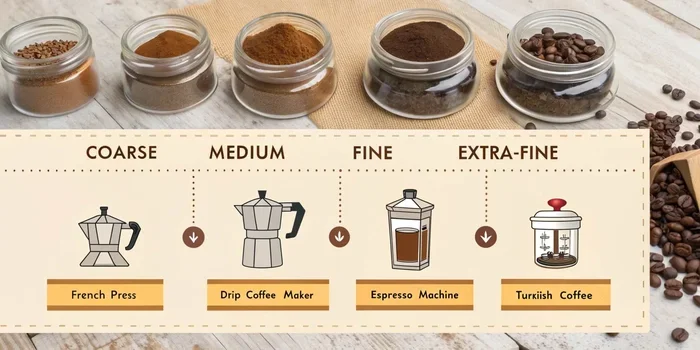
The coffee beans you use matter a lot. Traditionally, dark-roasted Arabica beans are preferred. The beans must be ground extremely fine. The texture should resemble powdered sugar or flour. Pre-ground supermarket coffee is usually too coarse. For the best results, buy whole beans and grind them just before brewing. A burr grinder set to the finest setting works well. Some specialty stores sell pre-ground Turkish coffee. That’s a good shortcut if you don’t have a grinder.
Water and Sugar
Always use cold, fresh water. Filtered water is best because it doesn’t contain chlorine that can alter the taste. Sugar is optional but traditional. You can add it during brewing or skip it for a unsweetened version. Some people also add a pinch of cardamom or other spices. This adds a fragrant, aromatic twist. The classic recipe uses just coffee, water, and sugar. Keep it simple to start.
How To Make Turkish Coffee: Step-by-Step Recipe
Now let’s get to the fun part. Brewing Turkish coffee is a simple process, but it requires attention. Follow these steps carefully for the best results.
- Measure the water: Use one demitasse cup (about 60–70 ml) of cold water per serving. Pour it into the cezve.
- Add the coffee: Use one heaped teaspoon of ultra-fine coffee grounds per cup. Place the cezve on the stove.
- Add sugar (optional): If you like sweet coffee, add sugar now. One teaspoon is mild, two is medium, and three is very sweet. Stir gently to combine.
- Heat slowly: Place the cezve on low heat. Do not stir once it starts to heat. Let the coffee slowly rise.
- Watch for the foam: As the coffee heats, a dark foam will form on top. Just before it boils and rises, remove the cezve from the heat.
- Distribute the foam: Spoon a small amount of foam into each serving cup. This is the prized layer.
- Return and simmer: Put the cezve back on the heat. Let it rise again, but remove it just before boiling. Repeat this process two or three times.
- Pour and serve: Gently pour the coffee into the cups. Make sure each cup gets an equal share of foam. Let it sit for 30 seconds before serving. The grounds will settle to the bottom.
Quick Tips for First-Timers
- Use low heat: Patience is key. High heat causes the coffee to boil too fast and lose its foam.
- Don’t stir after heating begins: Stirring breaks the foam and can make the coffee gritty.
- Pour slowly: A gentle pour keeps the foam intact and prevents grounds from flowing into the cup.
- Warm the cups first: Rinse your demitasse cups with hot water before pouring. This keeps the coffee hot longer.
Common Mistakes to Avoid
- Using regular ground coffee: A coarse grind will result in weak, watery coffee. The grind must be powdery fine.
- Boiling the coffee: Letting it reach a full boil creates a bitter, harsh taste. Always remove it just before boiling.
- Skipping the foam: The foam is the hallmark of Turkish coffee. Without it, you’re just making strong coffee with sediment.
- Using hot water: Always start with cold water. It allows the coffee to extract evenly as it heats slowly.
Mastering the Perfect Foam and Flavor
The foam is what sets Turkish coffee apart. It’s called “kaymak” in Turkish, and it’s a sign of a well-made brew. Achieving that thick, creamy layer takes a little practice, but it’s worth it. The foam comes from the oils and fine particles in the coffee. They trap tiny air bubbles as the coffee heats. The slow, gentle rise creates that perfect froth.
The Role of Foam in Turkish Coffee
Foam isn’t just for looks. It carries the most delicate flavors of the coffee. The first sip should include a bit of foam. It adds a silky texture that balances the strong, bold liquid beneath. If your foam isn’t forming, your heat might be too high. Lower the flame and let the coffee rise more slowly. A good cezve with a narrow bottom helps a lot. Some people even let the cezve rest for a few seconds after the first rise before pouring the foam into cups. This technique builds a thicker layer.
Adding Sugar and Spices
Sugar is a personal choice. In Turkey, coffee is often served in four styles: sade (unsweetened), az şekerli (little sugar), orta şekerli (medium), and çok şekerli (a lot of sugar). You add the sugar to the cezve before heating. This lets it dissolve evenly. Beyond sugar, you can experiment with spices. Cardamom is the most popular addition. A single crushed pod per cup adds a warm, fragrant note. Some people also add cinnamon or clove. Start with small amounts so you don’t overpower the coffee.
Turkish Coffee vs. Espresso and Instant Coffee
Many coffee lovers compare Turkish coffee to other popular styles. It stands out in several ways. Let’s look at how it differs from espresso and instant coffee. Unlike espresso, which uses pressure and a filter, Turkish coffee simmers and has no filter. It’s less concentrated than espresso but has a heavier body. On the other hand, instant coffee is a quick, processed powder. Turkish coffee is freshly ground and brewed, offering a richer taste and a more traditional experience. Here’s a quick comparison.
| Feature | Turkish Coffee | Espresso | Instant Coffee |
|---|---|---|---|
| Grind Size | Ultra-fine (powdered) | Fine (like table salt) | Pre-ground, fine |
| Brew Method | Simmering in a cezve | High-pressure extraction | Dissolving in hot water |
| Filter | None (unfiltered) | Metal filter | None (dissolves) |
| Strength | Strong, rich, unfiltered | Very strong, concentrated | Mild to moderate |
| Foam | Thick, creamy foam | Thin crema | None |
| Preparation Time | 3–5 minutes | 25–30 seconds | 1 minute |
| Tradition | Centuries-old ritual | Italian café culture | Modern convenience |
Each method has its place. Espresso is fast and intense. Instant coffee is convenient. But Turkish coffee offers a unique sensory experience. The slow brewing, the aroma, the foam, and the sediment all play a role. If you’re looking for a deeper connection to your coffee ritual, Turkish coffee is the way to go.
Final Thoughts on Brewing Turkish Coffee
Making Turkish coffee at home is a wonderful journey. It connects you to a rich tradition that spans centuries. You don’t need expensive gear. Just a cezve, ultra-fine grounds, and a little patience. The process teaches you to slow down and savor the moment. Each cup is a small ceremony. As you practice, you’ll develop your own preferences for grind, sugar, and foam. Don’t be afraid to experiment. How To Make Turkish Coffee is a skill that improves with every brew. Start with the basic recipe, follow the steps, and enjoy the rich, unfiltered flavor. Soon, you’ll be impressing your friends with café-quality cups from your own kitchen. Happy brewing!
Frequently Asked Questions
What is the best coffee for Turkish coffee?
The best coffee is a dark-roasted Arabica bean ground ultra-fine, like powdered sugar. Pre-ground Turkish coffee from specialty stores works well too. Avoid medium or light roasts, as they don’t produce the same rich flavor.
Can you use a regular saucepan instead of a cezve?
You can, but the results won’t be as good. A cezve’s narrow shape is designed to create foam and control heat. A saucepan is too wide and makes it hard to get the signature froth. A small, tall-sided saucepan can work in a pinch.
How do you get the foam on Turkish coffee?
The foam forms naturally when you heat the coffee slowly on low heat. Just before it boils, remove the pot and spoon a little foam into each cup. Return it to the heat and repeat. This builds a thick, creamy layer.
Is Turkish coffee stronger than espresso?
Turkish coffee is not necessarily stronger in caffeine, but it feels stronger because it’s unfiltered. The fine grounds release more oils and compounds into the cup. Espresso is more concentrated per ounce, but Turkish coffee has a fuller, heavier body.
Can you make Turkish coffee without sugar?
Absolutely. Many people drink it unsweetened, which is called “sade” in Turkish. The coffee itself has a naturally strong, slightly bitter taste. You can always add sugar later to suit your preference.
How do you clean a cezve after brewing?
Let the cezve cool, then rinse it with warm water. The coffee grounds will settle at the bottom. You can use a soft brush to clean the inside. Never use soap, as it can strip the seasoning and affect the flavor of future brews.