How To Make French Press Coffee With Grounds The Right Way
Making French press coffee with grounds is simple once you know the right ratios and technique. You will learn how to choose the perfect grind, brew at the right temperature, and extract rich, full-bodied flavor every single time. This guide walks you through each step so your morning cup tastes café-quality at home.
Key Takeaways
- Use coarse grounds: A coarse grind prevents over-extraction and keeps your coffee smooth and grit-free.
- Stick to the 1:15 ratio: One part coffee to fifteen parts water delivers the perfect balance of strength and flavor.
- Brew time matters: Four minutes is the sweet spot for full extraction without bitterness.
- Water temperature is key: Heat your water to 195-205°F for optimal coffee extraction.
- Clean your press regularly: Proper maintenance keeps your French press performing at its best.
- Experiment with beans: Different roasts and origins create unique flavor profiles in a French press.
📑 Table of Contents
What Is French Press Coffee and Why It Rocks
French press coffee is one of the most popular brewing methods in the world. It uses simple immersion to pull rich flavor from coffee grounds. Unlike drip machines or pour over coffee setups, a French press lets the grounds steep directly in hot water. This creates a bold, full-bodied cup that many coffee lovers prefer.
The process is straightforward. You add coarsely ground coffee to the press, pour in hot water, wait a few minutes, and press the plunger down. That is it. No filters needed if you use a stainless steel French press. The result is a rich, aromatic brew that captures more of the bean’s natural oils compared to paper-filtered methods.
People love French press coffee because it gives them control. You decide the grind size, the coffee ratio, the water temperature, and the brew time. This hands-on approach makes every cup feel personal and rewarding. Whether you are a beginner or a seasoned coffee fan, mastering this method is a game-changer.
Another great thing about French press coffee is its versatility. You can use light, medium, or dark roasts. You can experiment with single-origin beans or blends. Every variation produces a different flavor experience. That is what makes this brewing method so fun to explore.
Choosing the Right Coffee Grounds
Grind Size Matters
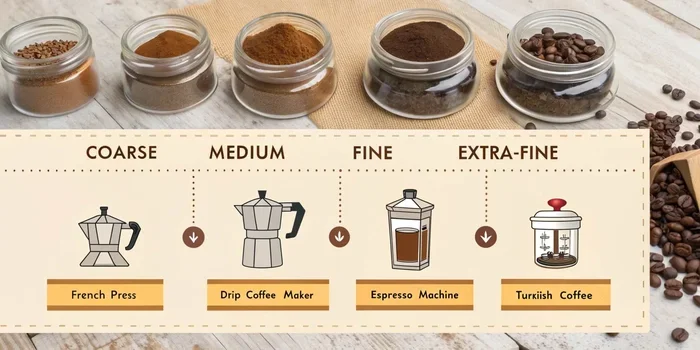
The grind size is the most important factor in French press coffee. You need a coarse grind, similar to breadcrumbs or sea salt. If your grounds are too fine, they will slip through the filter and make your coffee gritty. Fine grounds also over-extract quickly, leading to bitter flavors.
Always grind your beans just before brewing. Pre-ground coffee loses its freshness fast. A good burr grinder gives you consistent particle size, which leads to even extraction. Blade grinders work too, but they produce uneven grounds. Invest in a quality grinder if you can.
Fresh Beans Make a Difference
Use freshly roasted coffee beans for the best results. Beans roasted within the past two to four weeks give the most vibrant flavor. Look for a roast date on the bag, not just an expiration date. Whole beans stay fresh longer than pre-ground coffee.
Medium roasts work well for French press coffee because they balance acidity and body. Dark roasts give a richer, smokier taste. Light roasts highlight fruity and floral notes. Try different roasts to find your favorite profile.
How Much Coffee Should You Use
The standard coffee ratio for French press is 1:15. That means one gram of coffee for every fifteen grams of water. For a typical 34-ounce press, use about 60 grams of coffee and 900 milliliters of water. You can adjust this ratio to suit your taste.
If you like stronger coffee, use a 1:12 ratio. For a lighter cup, try 1:17. Measuring with a kitchen scale ensures consistency. Scoops are okay, but they are not as precise. A scale takes the guesswork out of every brew.
Step-by-Step: Making French Press Coffee
Step 1: Heat Your Water
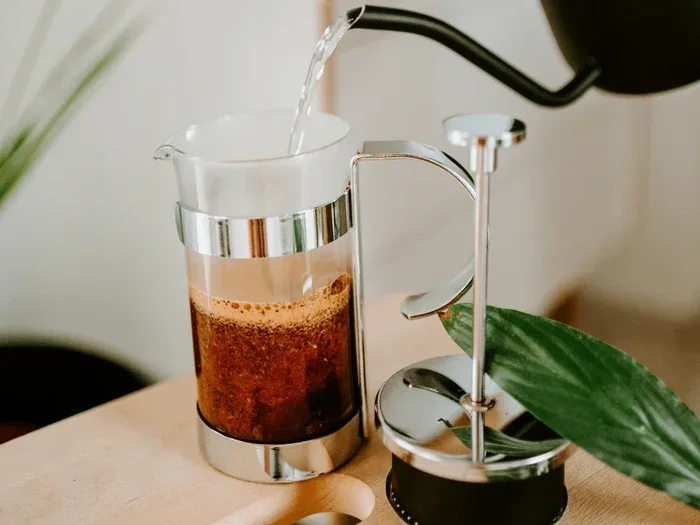
Bring your water to a temperature between 195°F and 205°F. Boiling water (212°F) can scorch the grounds and create harsh flavors. If you do not have a thermometer, just let boiling water sit for 30 seconds before pouring.
Use filtered water if possible. Tap water with heavy chlorine or mineral content can affect the taste of your coffee. Clean, fresh water makes a noticeable difference in the final cup.
Step 2: Add Your Grounds
Put your coarsely ground coffee into the bottom of the French press. Make sure the press is dry and clean before you start. Add the hot water slowly, starting from the center and working outward. This ensures all the grounds get wet evenly.
Give the mixture a gentle stir with a wooden spoon or chopstick. Do not use metal utensils, as they can scratch the glass or stainless steel. The stir helps the grounds saturate and begin the extraction process.
Step 3: Steep for Four Minutes
Place the lid on the press with the plunger pulled all the way up. Let the coffee steep for exactly four minutes. This is the brew time sweet spot that balances flavor and strength.
If you prefer a milder cup, steep for three minutes. For a bolder brew, go five minutes. Keep in mind that going beyond five minutes increases the risk of over-extraction and bitterness. Set a timer so you do not forget.
Step 4: Press and Pour
After four minutes, press the plunger down slowly and steadily. Apply even pressure. If you push too fast, the grounds will agitate and create a cloudy cup. A slow, smooth press gives the cleanest result.
Pour the coffee into your cup right away. Do not leave it sitting in the press, because the grounds will continue to extract and make the coffee bitter. If you are not drinking right away, transfer the remaining coffee to a thermal carafe to keep it warm.
Step 5: Enjoy Your Perfect Cup
Savor your French press coffee while it is hot. Notice the aroma, the body, and the flavor layers. A well-made cup should taste smooth, rich, and balanced. Add milk, cream, or sweetener if you like, but try it black first to appreciate the true flavor of the beans.
If you enjoy pairing coffee with food, consider making toast for breakfast. You can even learn how to make toast in the oven without a toaster for a simple and satisfying morning meal. It pairs perfectly with a fresh brew.
Common Mistakes to Avoid
Using the Wrong Grind Size
This is the number one mistake people make. Fine grounds clog the filter and create a muddy, gritty cup. Always go coarse. If your coffee tastes bitter and harsh, the grind might be too fine. If it tastes weak and sour, it might be too coarse.
Ignoring Water Temperature
Pouring boiling water directly onto grounds burns the coffee. This releases unpleasant flavors and destroys delicate oils. Let your water cool slightly before brewing. Consistent temperature leads to consistent results every time.
Skipping the Stir
Some people skip the initial stir and wonder why the extraction is uneven. A gentle stir ensures all grounds contact the water. This small step makes a big difference in flavor consistency.
Leaving Coffee in the Press
Leaving brewed coffee sitting on the grounds causes over-extraction. The longer the contact, the more bitter compounds release. Always pour out all the coffee immediately after pressing.
Not Cleaning Your Press Regularly
Oil buildup from coffee grounds goes rancid over time. This creates off-flavors in future brews. Clean your French press after every use. Soak the parts in warm, soapy water and rinse thoroughly.
Keeping your kitchen gear clean extends its life. Just like knowing how to clean an Oster toaster oven helps maintain your appliances, regular French press cleaning keeps your coffee tasting fresh.
Cleaning and Maintaining Your French Press
Proper maintenance keeps your French press in top shape. After each use, disassemble the plunger mechanism. Remove the mesh filter and rinse it under running water. Use a small brush to scrub away trapped grounds. The mesh filter collects oils and fine particles that build up over time.
For a deep clean, soak the glass carafe and metal parts in a mixture of warm water and baking soda. This removes stubborn oils and odors. Avoid harsh abrasives that can scratch the glass or damage the mesh.
Replace the mesh filter every few months. Worn filters let more grounds through and affect the taste. Most French press manufacturers sell replacement parts. Keeping spare filters on hand is a smart move.
Kitchen cleanup can sometimes be tough, especially with baked-on residue. Interestingly, even something like cleaning an oven with a dishwasher tablet without scrubbing shows how everyday household products can tackle stubborn messes. A similar approach with baking soda works great for French press maintenance.
If you are dealing with tough stains on glass, try a paste of baking soda and water. Let it sit for a few minutes, then scrub gently with a soft sponge. This method works wonders without scratching the surface.
Tips for Perfect French Press Coffee Every Time
Preheat Your French Press
Before you add coffee and water, pour hot water into the empty press. Let it sit for a minute, then discard it. Preheating keeps the brewing temperature stable and prevents heat loss when you add the hot water and grounds.
Use Quality Water
Water makes up over 98 percent of your cup of coffee. The quality of your water directly affects the taste. Use filtered or spring water for the best results. Avoid distilled water, which tastes flat and lacks minerals that help extract flavor.
Experiment and Keep Notes
Every batch of coffee is an opportunity to learn. Change one variable at a time. Try a different grind size, a new coffee ratio, or a longer steep time. Write down what you change and how the cup tastes. Over time, you will develop a personal recipe that produces your perfect cup.
If you enjoy coffee in larger quantities, consider making a big batch and keeping it warm. There are many ways to maintain temperature without relying on your oven. For example, insulated mugs and thermal carafes work great. You can also explore methods like keeping food warm without an oven to apply similar principles to your coffee service.
Try Different Coffee Origins
Single-origin beans from Ethiopia, Colombia, or Guatemala each bring unique flavors to a French press. Ethiopian beans often taste fruity and floral. Colombian beans tend to be nutty and caramel-like. Guatemalan beans can be chocolatey and spicy. Exploring different origins makes each brew an adventure.
Store Your Beans Properly
Keep whole beans in an airtight container away from light and heat. Do not store them in the freezer, as moisture can damage the flavor. A cool, dark pantry is the best spot. Buy beans in small batches so you always use fresh coffee.
Embrace the Process
Making French press coffee is more than just a task. It is a ritual. The smell of freshly ground beans, the sound of pouring hot water, and the wait for the plunger to drop all contribute to the experience. Slow down and enjoy it. This is one of the few moments in a busy day where you can pause and savor something handmade.
Conclusion
Making French press coffee with grounds is one of the simplest and most rewarding ways to brew at home. With the right grind size, proper water temperature, and a little practice, you can pull café-quality cups every morning. The key is consistency and attention to detail.
Remember to use coarse grounds, follow the 1:15 ratio, steep for four minutes, and press slowly. Clean your press after each use and experiment with different beans and ratios. These small habits add up to a dramatically better cup of coffee.
Once you master the French press, you will never go back to drip machines. The richness and depth of flavor are unmatched. So grab your grinder, your favorite beans, and your press. Your perfect cup of coffee is just a few minutes away.
Frequently Asked Questions
Can I use regular ground coffee in a French press?
Yes, but the grind size must be coarse. Regular pre-ground coffee is often too fine for a French press, which leads to grit in your cup and over-extraction. If you use pre-ground coffee, look for a coarse grind setting or buy coffee specifically labeled for French press.
How long should I steep French press coffee?
The ideal steep time is four minutes. This allows for full extraction without pulling out too many bitter compounds. You can adjust between three and five minutes based on your taste preference. Always use a timer for consistent results.
What is the best water temperature for French press coffee?
The sweet spot is between 195°F and 205°F. Water that is too hot burns the grounds and creates bitterness. Water that is too cool under-extracts and produces a weak, sour cup. If you do not have a thermometer, let boiling water rest for 30 seconds before pouring.
How do I prevent coffee grounds from getting into my cup?
Use a coarse grind and press the plunger slowly and evenly. Pour the coffee into your cup right after pressing, and do not let it sit on the grounds. Some people also use a secondary mesh filter or cheesecloth for extra clarity.
Can I reuse French press coffee grounds?
Technically yes, but the second brew will be much weaker and less flavorful. The grounds have already released most of their oils and compounds during the first steep. For the best taste, always use fresh grounds for each brew.
How often should I clean my French press?
Clean your French press after every single use. Rinse the carafe, plunger, and mesh filter with warm water and mild soap. Do a deeper clean with baking soda once a week to remove built-up oils. Replace the mesh filter every two to three months for optimal performance.