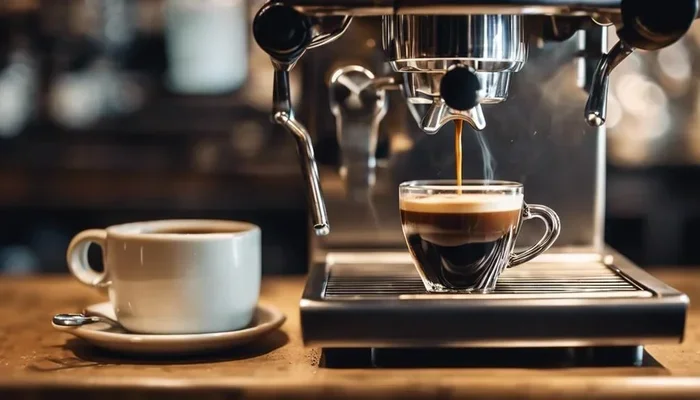
How To Make Espresso With Mr Coffee Machine At Home
Making espresso with a Mr Coffee machine at home is easier than you think. This guide walks you through everything from setting up your machine to pulling the perfect shot. You will learn the right grind size, water temperature, and timing for rich, café-quality espresso in your own kitchen.
There is nothing quite like a fresh shot of espresso to start your morning. Whether you are a coffee lover or just getting into the world of strong coffee, a Mr Coffee machine makes it simple to enjoy espresso at home. You do not need a fancy café setup or years of experience. With the right steps and a little practice, you can pull a great shot right on your kitchen counter. In this guide, we will show you exactly how to make espresso with Mr Coffee machine at home, from setup to your first sip.
Making espresso at home saves money and gives you full control over every cup. You choose the beans, the grind, and the strength. Plus, a Mr Coffee espresso machine is designed to be user-friendly, so even beginners can get great results quickly. Let us dive into everything you need to know.
Key Takeaways
- Mr Coffee machines make great espresso at home with the right technique and ingredients.
- Freshly ground coffee beans and proper water temperature are the keys to a perfect shot.
- Regular cleaning and descaling keep your machine running smoothly and your espresso tasting great.
- Practice makes perfect — once you master the basics, you can tweak every variable to your taste.
- You do not need expensive gear to enjoy barista-quality espresso at home.
📑 Table of Contents
- Understanding Your Mr Coffee Espresso Machine
- What You Need to Make Espresso at Home
- Step-by-Step Guide to Making Espresso with Mr Coffee
- Tips for Perfect Espresso Every Time
- Common Mistakes to Avoid
- Maintaining Your Mr Coffee Espresso Machine
- Comparing Mr Coffee Espresso to Café Espresso
- Final Thoughts on Making Espresso at Home
Understanding Your Mr Coffee Espresso Machine
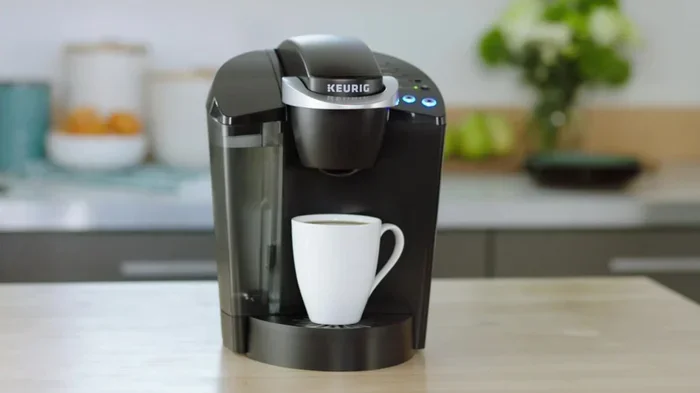
Before you start, it helps to know what your Mr Coffee machine can do. Most Mr Coffee espresso models come with a built-in pump that creates the pressure needed to extract espresso. This is the same basic process used in professional coffee shops. The machine forces hot water through finely ground coffee at high pressure, creating that rich, concentrated shot you love.
Key Parts of the Machine
Familiarizing yourself with the main parts of your Mr Coffee machine will make the process much smoother. Here are the essential components:
- Water reservoir — This is where you fill the water before brewing. Most Mr Coffee machines have a removable reservoir for easy filling.
- Filter basket — This holds the coffee grounds during brewing. It sits inside the portafilter, which locks into the machine.
- Portafilter — The handle that holds the filter basket. You lock it into the machine before brewing.
- Steam wand — This froths milk for cappuccinos and lattes. It uses steam from the machine to heat and aerate milk.
- Drip tray — Catches any spills or drips underneath the cup area.
Understanding these parts helps you troubleshoot any issues and keeps your machine running well over time. Just like learning how to clean melted plastic out of an oven, knowing your machine inside and out makes maintenance much easier.
What You Need to Make Espresso at Home
You do not need a long list of supplies to make espresso with your Mr Coffee machine. A few key items will set you up for success. Here is what you will need:
- Fresh coffee beans — Always use fresh beans for the best flavor. Look for beans labeled as espresso roast or dark roast for a bold taste.
- A burr grinder — Grinding your own beans gives you control over the grind size, which is critical for espresso. A consistent grind leads to a better extraction.
- Filtered water — Good water makes a big difference in taste. Filtered water removes impurities that can affect the flavor of your espresso.
- An espresso tamper — This tool presses the coffee grounds evenly in the filter basket. It ensures uniform extraction during brewing.
- A demitasse cup — The small cup traditionally used for espresso. It holds about 2 to 3 ounces, which is the perfect serving size.
Having the right tools makes the process faster and more enjoyable. You do not need to spend a fortune either. A basic setup with these items is all you need to start making great espresso at home.
Step-by-Step Guide to Making Espresso with Mr Coffee
Now that you have everything ready, let us walk through the process step by step. Follow these instructions carefully and you will be enjoying homemade espresso in no time.
Step 1: Fill the Water Reservoir
Start by filling the water reservoir with fresh, filtered water. Do not overfill it — stay below the maximum line. Using cold water gives the machine the best starting point for heating. Once filled, place the reservoir back in its position securely.
Step 2: Grind Your Coffee Beans
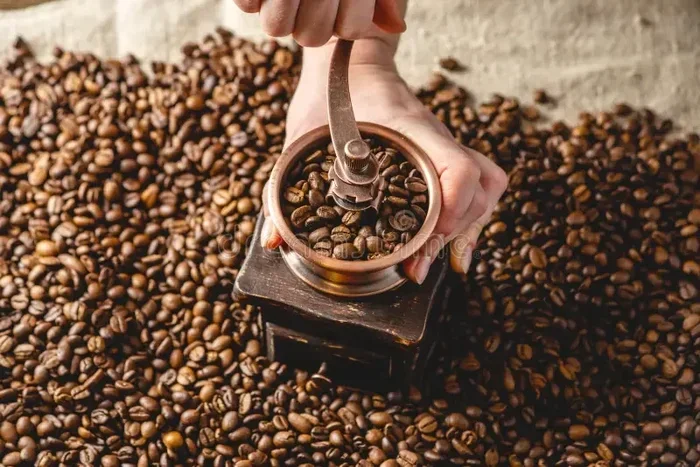
Grind about 7 grams of coffee beans for a single shot or 14 grams for a double shot. The grind should be very fine, similar to table salt. If the grind is too coarse, the water passes through too quickly and your espresso will be weak and sour. If it is too fine, the water struggles to pass through and the shot becomes bitter.
Take your time with this step. The grind size is one of the most important factors in making great espresso. If you do not have a burr grinder, a blade grinder works but gives less consistent results. A consistent grind leads to better extraction and a smoother cup.
Step 3: Tamp the Grounds
Place the ground coffee into the filter basket inside the portafilter. Use your tamper to press the grounds down firmly and evenly. Apply about 30 pounds of pressure. The surface should be flat and compact, not loose or uneven.
A good tamp ensures the water flows through the grounds at the right speed. This is what creates the rich crema on top of your espresso. Do not press too hard or too soft — aim for a firm, even surface.
Step 4: Lock the Portafilter In
Insert the portafilter into the machine and twist it until it locks into place. Make sure it is secure. A loose portafilter can cause leaks and uneven brewing. You should feel it click or lock firmly when it is in place.
Step 5: Brew the Espresso
Place your demitasse cup under the spout. Press the brew button and let the machine do its work. A single shot should take about 25 to 30 seconds to pull. You want about 1 to 2 ounces of espresso in your cup.
Watch the flow carefully. The espresso should drip out slowly in a steady stream. The color should start dark and gradually become a golden-brown as it flows. This is called the “blonding” stage, and it indicates a well-extracted shot.
Step 6: Serve and Enjoy
Once the shot is done, remove the portafilter and discard the used grounds. Your espresso is ready to drink. For a classic experience, sip it slowly from the demitasse cup. You can also add hot water for an Americano or steam milk for a cappuccino or latte using the steam wand.
Making espresso at home is a ritual. Take your time, enjoy the process, and savor the aroma. Just as you would learn how to use aqualift self clean on KitchenAid oven for easy maintenance, getting comfortable with your espresso machine makes every step more natural.
Tips for Perfect Espresso Every Time
Even after you master the basics, there is always room to improve. Here are some expert tips that will help you get the best results from your Mr Coffee machine:
- Use fresh beans — Coffee beans lose their flavor within two to four weeks of roasting. Buy whole beans and grind them just before brewing for the freshest taste.
- Store beans properly — Keep your beans in an airtight container away from light and heat. Do not store them in the freezer, as moisture can damage the flavor.
- Preheat your cup — Rinse your demitasse cup with hot water before brewing. A cold cup can cool the espresso too quickly and dull the flavor.
- Clean the machine regularly — Run a cleaning cycle or descale your machine every one to two months. This removes mineral buildup and keeps the machine performing at its best.
- Experiment with grind size — If your espresso tastes too bitter, try a slightly coarser grind. If it tastes too sour, go finer. Small adjustments make a big difference.
- Track your results — Keep a simple notebook of what you try. Note the grind size, amount of coffee, and brew time. This helps you replicate your perfect shot every time.
These small changes add up over time. You will notice a big improvement in the taste and consistency of your espresso. Think of it like learning how to keep food warm without an oven — once you understand the principles, the process becomes second nature.
Common Mistakes to Avoid
Even experienced home baristas make mistakes. Here are some common errors that can ruin your espresso and how to avoid them:
- Using pre-ground coffee — Pre-ground coffee loses its freshness fast. Always grind your beans right before brewing for the best flavor and aroma.
- Over-tamping — Pressing too hard can block the water from flowing through. This leads to over-extraction and a bitter, harsh taste.
- Under-tamping — Not pressing hard enough lets water pass through too quickly. The result is a weak, watery shot with thin crema.
- Using the wrong water temperature — If the water is too hot, it burns the coffee. If it is too cold, it under-extracts. Your Mr Coffee machine handles this automatically, but make sure the machine is fully heated before brewing.
- Skipping the warm-up — Always let your machine warm up for a few minutes before brewing. This ensures the water is at the right temperature and the pressure is consistent.
- Ignoring regular cleaning — Just like you would clean an Oster toaster oven after regular use, your espresso machine needs routine care. Residual oils and mineral deposits build up and affect taste over time.
Avoiding these mistakes will save you from frustration and wasted coffee. Each one is easy to fix with a little awareness and attention to detail.
Maintaining Your Mr Coffee Espresso Machine
Proper maintenance keeps your Mr Coffee machine working well for years. A well-maintained machine also produces better-tasting espresso every time. Here is a simple maintenance routine to follow:
Daily Cleaning
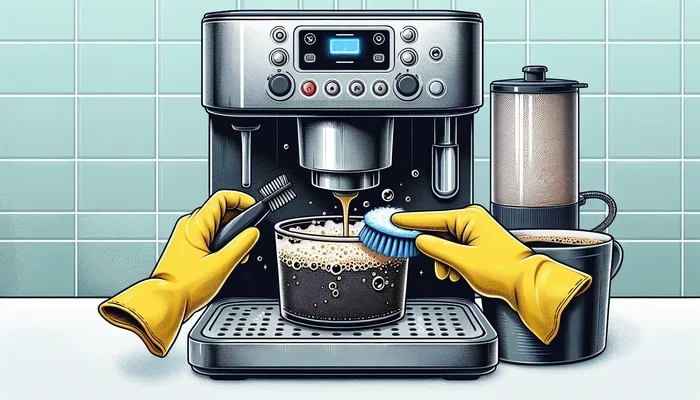
After each use, remove the portafilter and knock out the used coffee grounds. Rinse the filter basket and portafilter with warm water. Wipe down the steam wand immediately after use to prevent milk from building up. Empty and rinse the drip tray regularly.
Weekly Cleaning
Once a week, run a cycle with plain water to flush out any remaining coffee oils. If your machine has a cleaning cycle, use it. You can also wipe down the exterior with a damp cloth to keep it looking clean and new.
Monthly Descaling
Mineral deposits from water build up inside the machine over time. Descaling removes these deposits and keeps the water flowing freely. Use a descaling solution or a mix of white vinegar and water. Run the solution through the machine, then follow with two to three plain water cycles to rinse it out.
Regular maintenance is simple but essential. It is like how you would handle oven maintenance — a little effort regularly prevents bigger problems later. If you ever notice your espresso tasting off or the machine running slowly, it is probably time to descale or clean the components.
Comparing Mr Coffee Espresso to Café Espresso
You might wonder how homemade espresso compares to what you get at a coffee shop. The truth is, with a Mr Coffee machine and good technique, the difference is small. Here is a quick comparison:
| Factor | Mr Coffee Espresso | Café Espresso |
|---|---|---|
| Taste | Rich and full-bodied when done right | Consistent and polished |
| Cost per shot | $0.25 to $0.50 | $3 to $5 per shot |
| Convenience | Available anytime at home | Requires a trip to the café |
| Customization | Full control over every variable | Limited to menu options |
| Crema quality | Good with fresh beans and proper technique | Consistently excellent |
The biggest advantage of making espresso at home is control and savings. You can experiment with different beans, grind sizes, and brew times to find your perfect cup. Over time, you may find that your homemade espresso rivals or even beats what you get at a café.
Final Thoughts on Making Espresso at Home
Making espresso with a Mr Coffee machine at home is a rewarding experience. It gives you the freedom to enjoy café-quality coffee whenever you want, without the price tag. The process is straightforward once you understand the basics: grind fine, tamp evenly, brew for 25 to 30 seconds, and enjoy.
Do not be discouraged if your first few shots are not perfect. Espresso-making is a skill that improves with practice. Every cup teaches you something new about your machine, your beans, and your personal taste. Keep experimenting, keep learning, and soon you will be pulling shots that rival any professional barista.
The beauty of a Mr Coffee machine is that it makes the process accessible to everyone. You do not need expensive equipment or years of training. Just follow the steps in this guide, care for your machine, and enjoy the journey of mastering homemade espresso. Your mornings will never be the same.
Frequently Asked Questions
Can I use regular ground coffee in a Mr Coffee espresso machine?
You can, but the results will not be as good. Espresso requires a very fine grind for proper extraction. Regular pre-ground coffee is usually too coarse, which leads to a weak and watery shot. For the best results, invest in a grinder and use freshly ground beans every time.
How long does it take to make espresso with a Mr Coffee machine?
The actual brewing process takes about 25 to 30 seconds for a single shot. However, factor in a few minutes for the machine to heat up and for grinding the beans. Overall, you can have a fresh shot of espresso in under five minutes from start to finish.
What is the difference between espresso and regular coffee made in a Mr Coffee machine?
Espresso uses high pressure to force water through very finely ground coffee, resulting in a concentrated, rich shot with a layer of crema. Regular coffee brewed in a drip machine uses gravity and lower pressure, producing a lighter, larger volume of coffee. The two are quite different in taste, texture, and strength.
How often should I descale my Mr Coffee espresso machine?
You should descale your machine every one to two months, depending on how often you use it and the hardness of your water. If you notice the machine running slower or the taste of your espresso changing, it is a good sign that descaling is needed.
Can I use the steam wand to make latte art?
Yes! Once you master frothing milk with the steam wand, you can try making latte art. Start by pouring the frothed milk into the espresso and then use a gentle wrist motion to create patterns. It takes practice, but even simple hearts and rosettas look impressive.
Is Mr Coffee espresso as good as a professional espresso machine?
Mr Coffee machines offer excellent value for home use and can produce very good espresso when used correctly. Professional machines offer more control and consistency, but for everyday home brewing, a Mr Coffee machine is more than capable of delivering a satisfying, rich espresso experience.
=== CONCLUSION ===
Making espresso with a Mr Coffee machine at home is one of the best ways to enjoy high-quality coffee every single day. You have full control over the beans, the grind, the strength, and the temperature. The process is simple to learn and rewarding to master. Follow the steps in this guide, avoid the common mistakes, and maintain your machine regularly. With a little practice, you will be pulling perfect shots of espresso that rival any coffee shop. Start today and discover the joy of homemade espresso.