How To Make Araku Coffee With These Simple Easy Steps
Araku coffee is a rare, single-origin Indian coffee grown in the lush Araku Valley of Andhra Pradesh. Making it at home is simple when you follow the right steps for selecting, grinding, and brewing. This guide walks you through the entire process so you can enjoy this exotic coffee with rich flavor notes and a smooth, aromatic taste every single day.
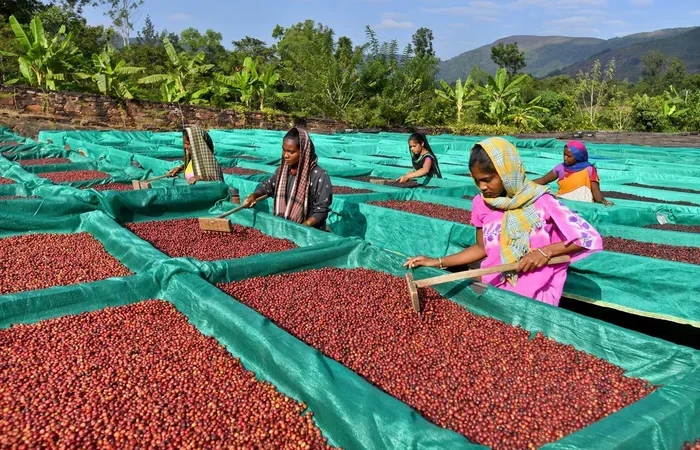
Araku coffee is one of the most exciting specialty coffees you can find today. Grown in the misty hills of the Araku Valley in Andhra Pradesh, India, this coffee comes from beans cultivated by tribal farmers in some of the most pristine coffee-growing regions on earth. The result is a cup that bursts with flavor, aroma, and character unlike anything you will find in your average grocery store brand.
If you have never tried Araku coffee before, you are in for a real treat. This guide will show you how to make Araku coffee right in your own kitchen using simple tools and easy-to-follow steps. Whether you prefer a bold espresso shot or a smooth pour over, we have got you covered. Let us dive in and explore everything you need to know.
Key Takeaways
- Choose Fresh Beans: Always start with high-quality, freshly roasted Araku Arabica beans for the best flavor.
- Grind Right Before Brewing: Grinding your beans just before brewing preserves the aroma and taste.
- Use the Right Water Temperature: Water between 195°F and 205°F extracts the best flavors from Araku coffee grounds.
- Try Multiple Brewing Methods: Pour over, French press, and espresso makers all work great with Araku beans.
- Store Beans Properly: Keep your coffee beans in an airtight container away from heat and light to maintain freshness.
- Enjoy the Unique Flavor Profile: Araku coffee offers notes of chocolate, fruit, and spice that set it apart from regular coffee.
📑 Table of Contents
- What Makes Araku Coffee Special
- Choosing the Right Araku Coffee Beans
- Tools You Will Need to Make Araku Coffee
- How to Grind Araku Coffee Beans
- Brewing Methods for Araku Coffee
- Water Temperature and Ratio Tips
- Storing Your Araku Coffee Beans
- Health Benefits of Araku Coffee
- Common Mistakes When Making Araku Coffee
- Expert Tips for the Perfect Cup
- Final Thoughts on Making Araku Coffee
What Makes Araku Coffee Special
Araku coffee stands out for several reasons. First, it grows at high altitudes in the Eastern Ghats mountain range. The combination of rich soil, cool climate, and plenty of rainfall creates the perfect conditions for coffee plants to thrive. The beans develop slowly at these elevations, which concentrates their flavors and gives them a complex taste profile.
Second, Araku coffee is grown by indigenous tribal communities. These farmers use traditional, sustainable farming methods that have been passed down through generations. The coffee is often organic and shade-grown, meaning no harsh chemicals are used. This matters because it affects both the taste of your cup and the impact on the environment.
Third, Araku coffee is typically Arabica beans, which are known for their smooth, mild flavor compared to the harsher Robusta variety. You will notice tasting notes of chocolate, orange peel, jasmine, and sometimes even a hint of spice. It is truly a coffee experience that goes beyond your morning caffeine boost.
The Flavor Profile of Araku Coffee
When you brew a fresh cup of Araku coffee, you will notice it has a bright, clean acidity. The body is medium to light, and the finish is smooth with lingering sweetness. Many coffee lovers describe it as having a wine-like quality. This makes it a fantastic choice for people who enjoy exploring different coffee flavor notes in their daily brew.
Choosing the Right Araku Coffee Beans
The foundation of great coffee starts with great beans. When you are learning how to make Araku coffee, selecting the right beans is your first and most important step. Here is what to look for.
Whole Beans vs. Pre-Ground
Always buy whole beans if possible. Whole beans stay fresh much longer than pre-ground coffee. Once you grind coffee, the oils and aromatic compounds start to break down quickly. Grinding right before brewing gives you the best coffee taste and the fullest aroma.
If you must buy pre-ground Araku coffee, make sure the package is sealed tightly and check the roast date. Freshness matters a lot. Try to use pre-ground coffee within two weeks of opening the bag.
Roast Level Matters
Araku coffee is available in different roast levels, and each one brings out different characteristics:
- Light Roast: Preserves the original flavor notes of the bean. You will taste more fruit, floral, and citrus hints.
- Medium Roast: Balances acidity with sweetness. This is a great starting point for most people.
- Dark Roast: Brings out bold, smoky, and chocolatey flavors. The origin notes become less pronounced.
For your first time trying Araku coffee, a medium roast is a safe bet. It lets you experience the full range of flavors without anything being too overpowering.
Where to Buy Authentic Araku Coffee
You can find Araku coffee online through specialty retailers and the official Araku Coffee website. Look for beans that clearly state the origin as the Araku Valley. Authentic Araku coffee will often come with information about the farmer, the harvest date, and the processing method. This transparency is a good sign that you are getting the real thing.
Tools You Will Need to Make Araku Coffee
Making great Araku coffee does not require expensive equipment. Here are the basic tools you will need:
- Fresh Araku coffee beans: The star of the show.
- A burr grinder: This gives you a consistent grind size, which is essential for even extraction.
- Filtered water: Good water makes a huge difference in the final cup.
- A kettle with temperature control: This helps you hit the right water temperature every time.
- A brewing device: This could be a pour over dripper, a French press, or even an espresso maker if you prefer concentrated shots.
- A scale: Measuring your coffee and water by weight ensures consistency.
You do not need all of these tools at once. Even a simple setup with a hand grinder and a pour over dripper can produce amazing results. The key is to focus on freshness and consistency.
How to Grind Araku Coffee Beans
Grinding is one of the most important steps in the brewing process. The grind size you choose depends on your brewing method, and getting it right makes a huge difference in the final cup.
Grind Sizes for Different Methods
Here is a quick guide to help you choose the right grind size:
- Extra Fine: Use for Turkish coffee or very fine espresso. The texture should feel like powdered sugar.
- Fine: Best for espresso machines and moka pots. Think of the texture of table salt.
- Medium-Fine: Great for pour over methods like a Hario V60 or Chemex. Similar to beach sand.
- Medium: Works well for drip coffee makers and some coffee maker machines. The texture is like regular sand.
- Coarse: Ideal for French press and cold brew. It should feel like rough sea salt.
Always grind your beans just before brewing. This preserves the aromatic oils and gives you the best possible coffee aroma. If you grind too far in advance, your coffee will taste flat and dull.
Common Grinding Mistakes to Avoid
One of the biggest mistakes people make is using the wrong grind size for their brewing method. Too fine and your coffee will taste bitter and over-extracted. Too coarse and it will taste weak and sour. Take the time to match your grind size to your brewer, and you will notice an immediate improvement in your cup.
Brewing Methods for Araku Coffee
Araku coffee is versatile and works beautifully with several brewing methods. Each method brings out different aspects of the coffee’s flavor, so feel free to experiment. Here are the best ways to brew Araku coffee at home.
Pour Over Method
The pour over method is one of the best ways to appreciate the delicate flavor notes of Araku coffee. It gives you full control over the brewing process and produces a clean, bright cup.
Here is how to do it:
- Place a filter in your pour over dripper and rinse it with hot water. This removes any paper taste and preheats the brewer.
- Add 20 grams of medium-fine ground Araku coffee to the filter.
- Heat your filtered water to about 200°F (93°C).
- Start with a small pour of water, about twice the weight of the coffee. Let it sit for 30 seconds. This is called the bloom, and it allows the coffee grounds to release carbon dioxide.
- Slowly pour the remaining water in a circular motion over the grounds. Aim to finish pouring within 3 to 4 minutes.
- Remove the dripper and enjoy your fresh cup of Araku coffee.
French Press Method
If you like a fuller-bodied cup, the French press is an excellent choice. It extracts more oils from the beans, giving the coffee a rich and robust character.
Follow these steps:
- Add 30 grams of coarse ground Araku coffee to the French press.
- Pour 500 ml of hot water (about 200°F) over the grounds.
- Stir gently and let it steep for 4 minutes.
- Press the plunger down slowly and evenly.
- Pour immediately into your cup to avoid over-extraction.
Using an Espresso Machine
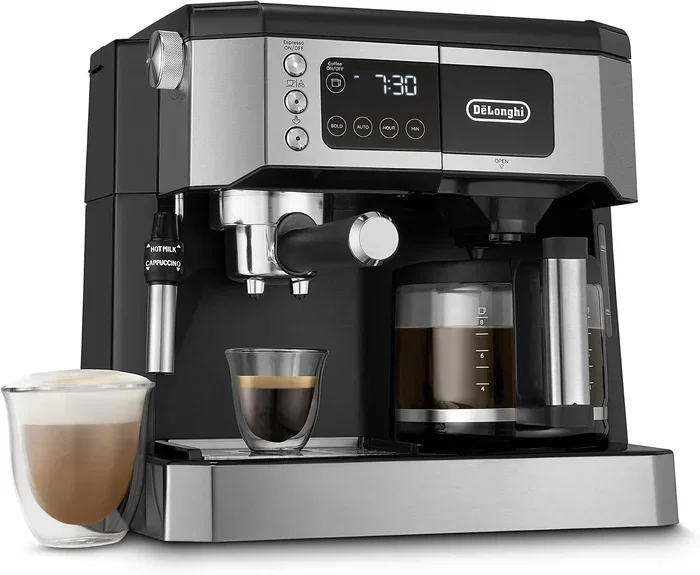
If you have an espresso machine, you can make a concentrated shot of Araku coffee that is rich and intense. Use a fine grind and tamp the grounds firmly. A double shot works best to showcase the complexity of the beans. For more details on using espresso equipment, you can also check out guides on how to make espresso using a coffee maker to refine your technique.
Cold Brew Method
Cold brew Araku coffee is smooth, sweet, and low in acidity. It is perfect for hot summer days or for anyone who prefers a milder coffee taste.
Mix 100 grams of coarse ground Araku coffee with 800 ml of cold filtered water. Let it steep in the refrigerator for 12 to 24 hours. Strain the mixture through a fine mesh filter or cheesecloth. Dilute with water or milk to taste, and serve over ice.
Water Temperature and Ratio Tips
The water you use and the ratio of coffee to water can make or break your cup. Here are some quick tips to get it right every time.
- Water temperature: Aim for 195°F to 205°F (90°C to 96°C). Water that is too hot will over-extract the coffee and make it bitter. Water that is too cool will under-extract and leave it sour.
- Coffee-to-water ratio: A good starting point is 1:16, which means 1 gram of coffee for every 16 grams of water. Adjust to your personal taste from there.
- Water quality: Use filtered water. Tap water often contains chlorine and minerals that can interfere with the taste of your coffee.
These small details matter more than most people realize. Once you start paying attention to temperature and ratio, you will notice a big difference in the quality of your brew.
Storing Your Araku Coffee Beans
Proper storage keeps your Araku coffee fresh for longer. Here is what you need to know:
- Use an airtight container: Oxygen is the enemy of fresh coffee. Store your beans in a container with a tight seal.
- Keep it cool and dark: Heat and sunlight degrade coffee beans quickly. A pantry or cabinet away from the stove is ideal.
- Do not store in the fridge: Moisture and odors from other foods can affect the taste of your beans. The fridge is not a good place for coffee storage.
- Buy in small quantities: Try to use your beans within two to four weeks of the roast date. This ensures you always brew with fresh coffee.
Following these simple storage tips will help you get the most out of every bag of Araku coffee beans.
Health Benefits of Araku Coffee
Araku coffee is not just delicious. It also offers several health benefits. Like all coffee, it is rich in antioxidants and can boost your energy levels and mental focus. The organic farming methods used in the Araku Valley mean there are fewer pesticide residues in your cup.
Some people wonder about the digestive effects of coffee. If you have experienced discomfort after drinking coffee, you might want to learn more about why instant coffee can affect digestion and how choosing high-quality beans like Araku may offer a gentler experience.
Additionally, Araku coffee contains caffeine in moderate amounts, which can improve physical performance, mood, and cognitive function when consumed in reasonable quantities. It is a wonderful way to start your day or power through an afternoon slump.
Common Mistakes When Making Araku Coffee
Even experienced coffee lovers sometimes make mistakes that ruin a good cup. Here are the most common ones to watch out for:
- Using stale beans: Old beans lose their flavor and aroma fast. Always check the roast date before buying.
- Grinding too fine or too coarse: Match your grind size to your brewing method for the best extraction.
- Using boiling water: Boiling water scorches the coffee grounds and creates a bitter taste. Let your water cool slightly before pouring.
- Skipping the bloom: The bloom step allows gases to escape and helps water extract flavors evenly. Do not skip it.
- Not cleaning your equipment: Old coffee oils build up in grinders and brewers and can make your next cup taste off. Clean your gear regularly.
Avoiding these mistakes will immediately improve the quality of your Araku coffee at home.
Expert Tips for the Perfect Cup
Here are some insider tips from coffee professionals that will elevate your Araku coffee game:
- Experiment with ratios: Everyone’s taste is different. Try adjusting the coffee-to-water ratio until you find your perfect sweet spot.
- Preheat your cup: Pouring hot coffee into a cold cup drops the temperature fast and affects the flavor. Rinse your cup with hot water first.
- Take notes: Keep a coffee journal. Write down the beans, grind size, water temperature, and ratio you used each time. This helps you replicate what works and avoid what does not.
- Try different brewing methods: Araku coffee is versatile. Try it as a pour over one day and a French press the next. You will discover new flavor notes each time.
- Buy from the source: Whenever possible, purchase directly from Araku Valley cooperatives or trusted roasters who work closely with the farmers. This ensures the freshest beans and supports the communities that grow them.
Final Thoughts on Making Araku Coffee
Making Araku coffee at home is a rewarding experience that connects you to the rich coffee-growing traditions of the Araku Valley in India. From selecting the perfect beans to mastering your brewing technique, every step brings you closer to a truly exceptional cup of coffee.
The beauty of Araku coffee is that it does not require fancy equipment or years of experience. With fresh beans, clean water, and a little attention to detail, anyone can brew a cup that rivals what you would find in a specialty coffee shop. Start with the basics, experiment as you go, and most importantly, enjoy the process.
Remember, great coffee is a journey, not a destination. Each time you brew a cup of Araku coffee, you are supporting sustainable farming, tribal communities, and the preservation of traditional coffee-growing methods. That makes every sip even more meaningful.
So go ahead, grab a bag of Araku beans, grind them fresh, and brew yourself a cup you will never forget. Your morning coffee routine will never be the same again.
Frequently Asked Questions
What is Araku coffee and why is it special?
Araku coffee is a single-origin coffee grown in the Araku Valley of Andhra Pradesh, India. It is special because it is cultivated by tribal farmers using organic and sustainable methods at high altitudes. The result is a unique flavor profile with notes of chocolate, fruit, and spice that sets it apart from regular coffee.
Can I use an espresso machine to make Araku coffee?
Yes, absolutely. Araku coffee works well with espresso machines. Use a fine grind and tamp the grounds firmly for the best results. The concentrated espresso shots bring out the rich, bold flavors of the beans beautifully.
What is the best grind size for Araku coffee?
The best grind size depends on your brewing method. Use a fine grind for espresso, medium-fine for pour over, coarse for French press, and extra coarse for cold brew. Matching the grind size to your method ensures proper extraction and the best taste.
How should I store my Araku coffee beans?
Store Araku coffee beans in an airtight container in a cool, dark place like a pantry. Avoid the refrigerator because moisture and odors can affect the flavor. Use the beans within two to four weeks of the roast date for the freshest taste.
Is Araku coffee organic?
Yes, Araku coffee is typically grown using organic farming methods. The tribal farmers in the Araku Valley practice sustainable and chemical-free agriculture, which means the beans are free from synthetic pesticides and fertilizers.
What brewing method is best for beginners?
The pour over method is an excellent choice for beginners because it is simple and gives you full control over the brewing process. You only need a dripper, a filter, and hot water. The French press is also very beginner-friendly and produces a rich, full-bodied cup.
=== CONCLUSION ===
Making Araku coffee at home is simpler than you might think. With fresh beans, the right grind size, proper water temperature, and a brewing method that suits your style, you can enjoy this exceptional Indian coffee every single day. The key is to start with quality beans, pay attention to the small details, and enjoy the process of crafting your perfect cup.
Whether you prefer a bright pour over, a rich French press, or a bold espresso shot, Araku coffee delivers a memorable experience with every brew. So gather your tools, pick up a bag of fresh Araku beans, and start your journey into the world of specialty coffee today.