How To Descale Wolf Coffee Machine And Keep It Running
Descaling your Wolf coffee machine is essential for great-tasting coffee and long-lasting performance. This guide walks you through every step, from supplies you need to the full descaling process. You will learn how to remove mineral buildup, boost brewing temperature, and keep your machine running like new.
If you own a Wolf coffee machine, you already know how good it can make your morning cup. But here is the thing most people miss. Over time, mineral deposits build up inside the machine. This buildup, often called limescale, can slow down your brewing temperature and change the taste of your coffee. That is exactly why you need to descale Wolf coffee machine regularly.
Descaling might sound like a chore, but it is actually quite simple once you know the steps. In this guide, we will walk you through everything. You will learn why descaling matters, what supplies you need, and exactly how to do it. We will also share tips to keep your machine running smoothly between cleanings. Whether you are a beginner or a seasoned coffee lover, this guide has something for you.
Think of descaling like an oil change for your car. You would not skip it, right? Your coffee machine works hard every day. The water that passes through it leaves behind minerals. These minerals pile up and cause real problems. A quick coffee machine descaling session can save you from expensive repairs and bad-tasting coffee. Let us get into it.
Key Takeaways
- Regular descaling prevents mineral buildup: Hard water deposits can clog your machine and ruin coffee taste over time.
- Use the right descaling solution: Citric acid or a commercial descaler works best for Wolf machines.
- Follow the descaling cycle carefully: Skipping steps can leave residue or damage internal parts.
- Daily habits extend machine life: Simple routines like wiping the group head and using filtered water make a big difference.
- Know when to call a pro: Persistent issues after descaling may need professional service.
📑 Table of Contents
- Why Descaling Your Wolf Coffee Machine Matters
- What You Need Before Descaling
- Step-by-Step Guide to Descale Wolf Coffee Machine
- Common Mistakes to Avoid When Descaling
- Tips to Keep Your Wolf Coffee Machine Running Like New
- How Descaling Improves Your Coffee Taste
- Wolf Coffee Machine Model Considerations
- Key Takeaways
Why Descaling Your Wolf Coffee Machine Matters
Your Wolf coffee machine uses water to brew every single cup. That water contains minerals like calcium and magnesium. When the water heats up, these minerals stick to the inside of your machine. Over weeks and months, they form a hard layer of scale. This scale affects almost every part of your machine.
What Happens When You Skip Descaling
Skipping descale Wolf coffee machine maintenance leads to several problems. First, your brewing temperature drops. Scale acts like insulation around the heating element. It stops the water from getting hot enough. This means your coffee tastes weak and flat.
Second, mineral buildup restricts water flow. Your machine may start dripping slowly or making strange noises. The pump pressure has to work harder, which wears out parts faster. Third, scale can harbor bacteria and coffee residue. This affects the cleanliness of every cup you brew.
Finally, ignoring scale can lead to costly repairs. A blocked heating element or a clogged water line can mean a service call. Regular coffee machine maintenance keeps all of this at bay. It is much cheaper and easier than fixing a broken machine.
How Often Should You Descale?
Most Wolf coffee machine owners should descale every 3 to 6 months. But this depends on your water quality. If you live in a hard water area, you may need to descale more often. A good rule of thumb is to watch for signs. Is your coffee tasting off? Is the brewing slower than usual? These are clear signals that it is time to descale Wolf coffee machine parts.
You can also check the machine manual. Wolf provides specific guidelines for their models. Following those guidelines ensures you stay within warranty and keep your machine in top shape. Some people set a calendar reminder. This simple habit keeps coffee machine upkeep on track.
What You Need Before Descaling
Before you start, gather everything you need. Having your supplies ready makes the process smooth and fast. You do not want to stop halfway through to find a missing item.
Choosing the Right Descaling Solution
You have two main options for your descaling solution. The first is a commercial descaler made for coffee machines. These products are designed to dissolve mineral deposits safely. They are widely available and easy to use. Look for a descaler that is safe for stainless steel and internal seals.
The second option is a natural alternative. White vinegar or citric acid works well for mild to moderate scale. Mix citric acid with water at a ratio of about one tablespoon per cup. Some people prefer vinegar because it is cheap and easy to find. However, vinegar can leave a slight smell if you do not rinse thoroughly. For a Wolf coffee maker, a dedicated descaler is often the better choice.
Gathering Your Supplies
Here is a simple checklist of what you need. Grab these items before you begin the process:
- Descaling solution — either a commercial descaler or citric acid
- Fresh water — filtered water works best for rinsing
- Clean cloth or sponge — for wiping external parts
- Empty container or carafe — to catch the descaling solution
- Soft brush — optional, for cleaning the group head
Keep everything within reach. You want a smooth workflow. If you use filtered water for rinsing, you reduce the risk of new scale forming right away. This is a small step that makes a big difference in the long run.
Step-by-Step Guide to Descale Wolf Coffee Machine
Now that you have your supplies ready, let us walk through the process. Follow these steps carefully for the best results.
Step 1: Prepare the Machine
Start by turning off your Wolf coffee machine and letting it cool down completely. Remove any coffee grounds or pods from the machine. Take out the water reservoir and empty any remaining water. This gives you a clean starting point. Think of it like emptying a pot before you wash it.
Next, remove any detachable parts. This includes the water tank, the drip tray, and the coffee basket. Wash these parts with warm soapy water. Dry them thoroughly before putting them back. Clean parts help the descaling solution work more effectively. They also prevent old coffee residue from mixing with the solution.
Step 2: Add the Descaling Solution
Fill the water reservoir with your descaling solution. If you are using a commercial descaler, follow the instructions on the bottle for the correct ratio. If you are using citric acid, mix it with warm water at the recommended amount.
Place your empty container or carafe under the coffee spout. This catches everything that flows through the machine during the cycle. Make sure the container is large enough to hold all the solution. You do not want any spills or overflow.
Step 3: Run the Descaling Cycle
Turn the machine back on and start a full brew cycle. Let the descaling solution run through the machine completely. This process dissolves the mineral deposits inside the tubes, boiler, and heating element. The solution will flow into your container as it passes through.
For best results, run the cycle twice. The first pass breaks up most of the scale. The second pass clears out any remaining deposits. Some Wolf models have a dedicated descaling cycle mode. Check your user manual to see if your machine has this feature. Using the built-in mode ensures the solution stays in the machine long enough to work.
If you are curious about how other coffee machines handle cleaning cycles, you can read our guide on how to make espresso using a coffee maker for more general maintenance tips.
Step 4: Rinse Thoroughly
After the descaling cycle, rinse the water reservoir completely. Fill it with fresh, clean water. Run at least two full rinse cycles through the machine. This removes any leftover descaling solution. Even a small amount of residue can affect the taste of your next cup of coffee.
During the rinse, taste the water that comes out. If it still smells like the descaler or vinegar, run another rinse cycle. You want completely clean water flowing through. Once the rinse is done, reassemble all the parts you removed earlier. Your machine is now descaled and ready to brew.
Step 5: Wipe Down and Final Check
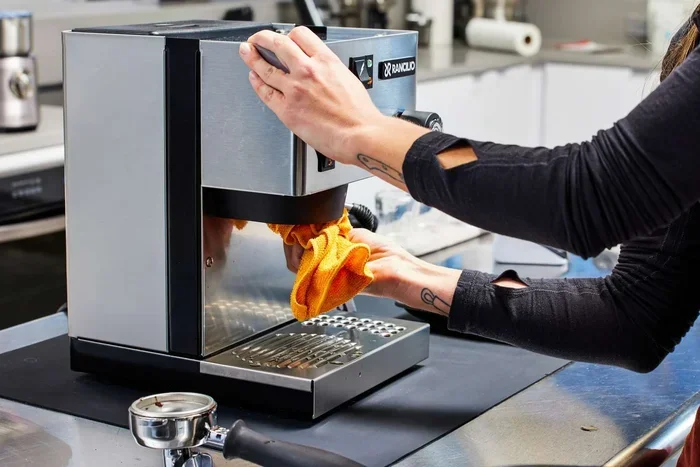
Take a clean, damp cloth and wipe down the exterior of your machine. Pay attention to the group head, the steam wand, and any areas where coffee splashes. These spots can collect dried coffee and mineral deposits too.
Run a test brew with fresh water and no descaler. This lets you confirm everything is working properly. Check the brewing temperature and the flow rate. If the coffee tastes clean and the machine operates smoothly, you are all set. If anything feels off, run one more rinse cycle.
Common Mistakes to Avoid When Descaling
Even with the best intentions, people make mistakes during descaling. Here are the most common ones and how to avoid them.
Using the Wrong Cleaner
Not all cleaning products are safe for coffee machines. Avoid using regular dish soap, bleach, or harsh chemicals. These can damage internal seals, leave toxic residues, and ruin the taste of your coffee. Always use a descaler specifically designed for coffee machines. A safe descaling solution protects both your machine and your health.
Skipping the Rinse Cycle
This is the mistake people make most often. After the descaling cycle, it is tempting to skip the rinse and start brewing right away. Do not do it. Leftover descaler in the system can taint every cup of coffee you make. It can also irritate your stomach if consumed over time. Always rinse thoroughly. Run at least two full cycles with clean water.
Descaling Too Infrequently
Some owners only descale when the machine starts acting up. By that point, the damage may already be done. Scale buildup is a slow process, and catching it early is key. Set a regular schedule and stick to it. Your machine will thank you with better performance and a longer lifespan.
Ignoring Water Quality
Using unfiltered tap water speeds up scale buildup dramatically. Minerals in hard water deposit faster and clog the system more quickly. Consider using a water filter or filtered water in your reservoir. This simple change reduces how often you need to descale Wolf coffee machine parts. It also improves the overall quality of your coffee.
Tips to Keep Your Wolf Coffee Machine Running Like New
Descaling is just one part of keeping your machine in great shape. Daily and weekly habits also play a big role in coffee machine upkeep. Here are some easy tips to follow.
Daily Maintenance Habits
Make it a habit to wipe down the group head and steam wand after every use. This prevents coffee residue from building up and hardening. Empty the drip tray regularly. Rinse the coffee basket after each brew. These small actions take less than a minute but save you a lot of effort over time.
Also, run a plain water cycle through the machine once a day if you use it frequently. This flushes out any remaining coffee oils and keeps the internal passages clean. Think of it as a quick daily rinse that supports your monthly or quarterly descaling cycle.
Weekly Deep Cleaning
Once a week, give your machine a deeper clean. Remove the water reservoir and wash it with warm water and mild soap. Use a soft brush to clean the coffee basket and any small parts. Wipe the exterior with a damp cloth. This weekly routine keeps your machine looking and performing its best.
Another great weekly habit is to check the water filter. If your Wolf machine has a built-in filter, replace it according to the manufacturer’s schedule. A clean filter improves water quality and reduces mineral deposits. This directly supports your coffee machine maintenance efforts.
When to Call a Professional
Most descaling tasks are easy to handle at home. But sometimes, professional help is the right call. If you notice persistent issues after descaling, it is time to call in an expert. Signs like leaking water, unusual noises, or error codes on the display should not be ignored.
Wolf machines are high-end appliances, and they deserve expert care. A professional technician can inspect internal parts, check the pump pressure, and clean areas you cannot reach at home. Regular professional servicing, combined with your own descaling routine, keeps your machine running for years.
If you are also dealing with other kitchen appliances, cleaning an oven with a dishwasher tablet is a surprisingly effective method. You can read more about it in our guide on how to clean an oven with a dishwasher tablet without scrubbing for some clever cleaning tips that apply across your kitchen.
How Descaling Improves Your Coffee Taste
One of the most rewarding results of descaling Wolf coffee machine is the improvement in taste. Clean water heats evenly. Even heating means proper brewing temperature every time. This extracts the full flavor from your coffee grounds or pods.
Mineral buildup can create a metallic or bitter taste in your coffee. After descaling, you will notice a cleaner, brighter flavor profile. The acidity and sweetness in your coffee become more balanced. Many owners say their coffee tastes like a fresh café cup after a good descaling session.
The difference is especially noticeable if you have not descaled in a long time. The first few cups after cleaning may still carry a slight taste from the old buildup. But after a few rinse cycles and a fresh brew, the improvement is clear. You will taste the difference in every sip.
Wolf Coffee Machine Model Considerations
Wolf offers several coffee machine models, and each may have slight differences in the descaling process. Some models have an automatic descaling cycle that you can activate with a button. Others require a more manual approach. Always refer to your specific model’s user manual for exact instructions.
For example, higher-end Wolf espresso machines may have a built-in water filtration system. This feature reduces scale buildup and extends the time between descaling sessions. On the other hand, models without a filter may need more frequent coffee machine descaling. Knowing your machine’s features helps you tailor your maintenance routine.
If you are looking for more appliance care tips, our guide on how to use Aqualift self-clean on a KitchenAid oven covers another great self-cleaning feature that keeps your kitchen appliances running efficiently.
Key Takeaways
- Descale regularly: Every 3 to 6 months, or more often if you have hard water.
- Use the right solution: A commercial descaler or citric acid works best for Wolf machines.
- Rinse thoroughly: Always run at least two rinse cycles after descaling to remove all residue.
- Maintain daily habits: Wipe down parts, empty the drip tray, and use filtered water.
- Know when to call a pro: Persistent issues after descaling may need professional attention.
- Taste the difference: A clean machine brews better coffee with balanced flavor and proper temperature.
Taking care of your Wolf coffee machine is simple when you make it a habit. Descaling is the single most important maintenance task you can do. It protects your investment, improves your coffee, and keeps everything running smoothly. You do not need special skills or expensive tools. Just a little time and the right supplies.
Remember that prevention is just as important as the descaling itself. Use filtered water, clean parts regularly, and follow a consistent schedule. These small efforts add up to a machine that lasts for many years. Your morning coffee deserves the best, and so does your machine.
Now that you know how to descale Wolf coffee machine properly, you are ready to take action. Pick a day, gather your supplies, and give your machine the care it deserves. Your taste buds will thank you. And your coffee machine will keep delivering perfect cups for a long time to come.