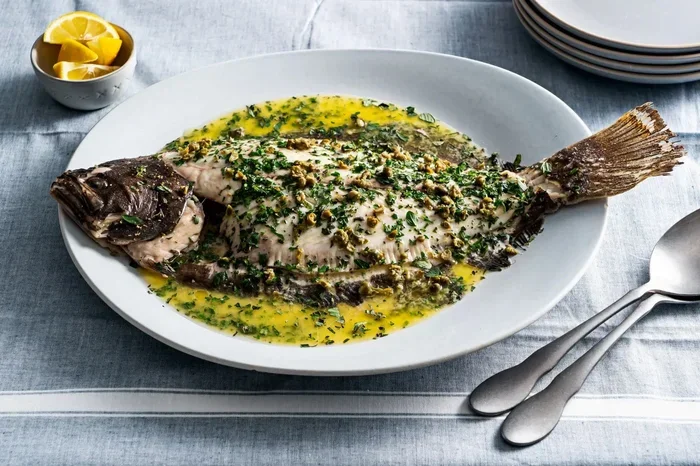
How To Cook Whole Flounder In The Oven For Beginners
Learning how to cook whole flounder in the oven is easier than you think. This beginner-friendly guide walks you through every step, from picking the right fish to pulling a perfectly baked fillet from the oven. You will find a simple whole flounder recipe, seasoning ideas, and pro tips that make oven-baked flounder a weeknight staple. Whether you are new to cooking fish or looking for a faster method, this guide covers it all.
Cooking whole fish at home can feel intimidating. But how to cook whole flounder in the oven is one of the simplest and most rewarding things you can do in the kitchen. Flounder is a mild, delicate white fish that bakes beautifully. It flakes apart with just a touch of heat, making it perfect for beginners and busy weeknights alike.
If you have never cooked a whole fish before, this guide will hold your hand through every step. We will cover how to select the right fish, what tools you need, how to prep it, and the best seasoning combinations. By the end, you will feel confident enough to make oven-baked flounder a regular part of your dinner rotation.
Key Takeaways
- Simple Prep: Cleaning and seasoning a whole flounder takes less than 15 minutes.
- Low Effort, High Flavor: A few pantry staples like lemon, garlic, and herbs create restaurant-quality results.
- Perfect Timing: Most whole flounder cooks in 20 to 30 minutes at 400°F.
- Versatile Recipe: You can customize the seasoning to match any cuisine or taste preference.
- Healthy Choice: Oven-baked flounder is low in fat and packed with lean protein.
- Beginner-Friendly: No special equipment or advanced skills are needed.
📑 Table of Contents
- Why Oven-Baked Flounder Is a Great Choice
- How to Select the Best Whole Flounder
- Tools and Equipment You Will Need
- Step-by-Step: How to Cook Whole Flounder in the Oven
- Common Mistakes to Avoid When Baking Whole Flounder
- Flavor Variations and Recipe Ideas
- Pairing Suggestions for Baked Flounder
- Expert Tips for Perfect Oven-Baked Flounder Every Time
- How to Store and Reheat Leftover Flounder
- Conclusion
Why Oven-Baked Flounder Is a Great Choice
Flounder is one of the most popular whole fish cooking options for home cooks. It is affordable, widely available, and incredibly versatile. Baking it in the oven keeps things simple and hands-off, which is exactly what most people want after a long day.
Unlike frying, which adds extra fat and creates a mess, baking fish in the oven gives you a clean, healthy meal with minimal cleanup. The oven surrounds the fish with even heat, cooking it gently from all sides. This method also lets you add herbs, citrus, and spices without worrying about burning them.
Here are some reasons why whole flounder recipe enthusiasts love the oven method:
- Minimal prep time. You can go from raw fish to oven-ready in under 15 minutes.
- Consistent results. The oven provides steady heat, reducing the risk of overcooking.
- Easy flavor customization. You can change the seasoning to match any cuisine.
- Healthy cooking. No added oils are needed, keeping the dish lean and nutritious.
- Impressive presentation. A whole baked fish looks stunning on the table for dinner guests.
Nutritional Benefits of Flounder
Flounder is not just easy to cook. It is also packed with nutrition. A 3-ounce serving of baked flounder contains about 100 calories and 20 grams of protein. It is very low in fat, especially when you bake it instead of frying. Flounder also provides vitamin B12, selenium, and phosphorus, which support bone health and energy levels.
How to Select the Best Whole Flounder
Picking the right fish makes all the difference in your final dish. When you go shopping for fresh whole flounder, there are a few things to look for. A good fish will make the whole process easier and taste much better.
What to Look For at the Market
Start by checking the eyes. They should be clear and bulging, not cloudy or sunken. The gills should be bright red or pink, not brown or dull. The skin should be shiny and smooth, with no slimy residue. A fresh flounder should smell like the ocean, not fishy or sour.
Here are some quick tips for choosing the best fish:
- Buy from a reputable fishmonger or a trusted grocery store with high turnover.
- Choose a fish that is 1 to 2 pounds for even cooking. Larger fish may need extra time.
- Ask the seller to clean and scale the fish if you are not comfortable doing it yourself.
- Check the sell-by date if buying pre-packaged flounder.
- Press the flesh gently. It should bounce back, not feel mushy or leave an indent.
Fresh vs. Frozen Flounder
You can use either fresh or frozen flounder for this recipe. Frozen flounder works perfectly fine as long as you thaw it properly. Place the fish in the refrigerator overnight to defrost slowly. Avoid thawing it at room temperature, as this can lead to uneven texture and bacterial growth. Fresh flounder does have a slight edge in flavor and texture, but frozen is a great convenient option.
Tools and Equipment You Will Need
One of the best things about learning how to cook whole flounder in the oven is that you do not need fancy equipment. Most kitchens already have everything you need. Here is a simple list to get you started.
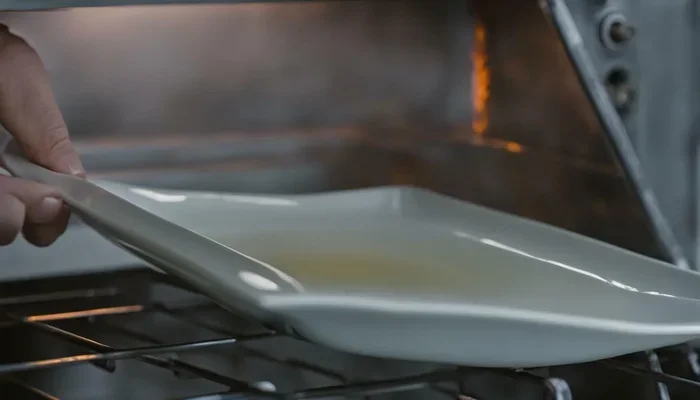
- Oven-safe baking dish or roasting pan. A glass or ceramic dish works great. Make sure it is large enough to hold the whole fish.
- Sharp fillet knife. You will use this to clean and scale the fish if needed.
- Cutting board. A sturdy board keeps your countertop clean and safe.
- Paper towels. These help you pat the fish dry before seasoning.
- Small bowl for seasoning mix. Any bowl works for combining herbs and spices.
- Tongs. Handy for placing the fish gently into the hot dish.
- Instant-read thermometer. This is the best way to check if the fish is fully cooked.
You do not need a special oven-safe baking dish to get great results. A simple sheet pan lined with parchment paper also works well. The key is to make sure the fish fits comfortably without being crowded.
Step-by-Step: How to Cook Whole Flounder in the Oven
Now for the fun part. This section walks you through the entire process of making oven-baked flounder from start to finish. Follow these steps, and you will have a delicious meal on the table in less than an hour.
Step 1: Prepare the Fish
Start by rinsing the whole flounder under cold water. Pat it dry thoroughly with paper towels. This step is important because moisture on the surface can prevent the skin from crisping up. If the fish still has scales, use the back of your knife to scrape them off gently, working from tail to head.
Next, remove the gills and rinse the cavity. Some fishmongers do this for you ahead of time, but it is worth checking. The gills can taste bitter, so removing them ensures a clean, mild flavor.
Step 2: Season the Flounder
Seasoning is where you can get creative. A classic flounder seasoning combination includes olive oil, minced garlic, lemon slices, fresh dill, salt, and black pepper. Drizzle a thin layer of olive oil over the entire fish, then rub the seasoning blend evenly over the skin and inside the cavity.
For a Mediterranean baked flounder style, add capers, sliced olives, and a sprinkle of dried oregano. If you prefer something bolder, try smoked paprika, cumin, and a squeeze of lime. The possibilities are endless.
Here are some popular seasoning ideas for season whole flounder:
- Lemon Herb: Lemon zest, parsley, thyme, garlic, salt, and pepper.
- Asian-Inspired: Soy sauce, ginger, sesame oil, and green onion.
- Spicy Southwest: Chili powder, cumin, lime juice, and cilantro.
- Simple Mediterranean: Olive oil, lemon, oregano, and garlic.
Step 3: Preheat the Oven
Set your oven to 400°F (200°C). This is the ideal oven temperature for fish because it cooks the fillet quickly without drying it out. While the oven heats up, you can prepare the baking dish. Lightly grease it with olive oil or line it with parchment paper for easy cleanup.
Step 4: Bake the Flounder
Place the seasoned flounder in the baking dish. If the fish is very long, you can fold the tail or use a larger pan. Tuck lemon slices inside the cavity and on top of the fish for extra flavor and moisture.
The general rule for cooking time for flounder is about 10 minutes per inch of thickness at 400°F. A 1-to-2-pound whole flounder typically needs 20 to 25 minutes. Check the fish at the 20-minute mark. The flesh should be opaque and flake easily with a fork.
Use an instant-read thermometer to check the internal temperature. The fish is done when it reaches 145°F (63°C) in the thickest part. The skin should be lightly golden and crispy.
Step 5: Rest and Serve
Once the fish is out of the oven, let it rest for 3 to 5 minutes. This allows the juices to redistribute, making every bite moist and flavorful. You can serve the whole fish on a platter with a squeeze of fresh lemon and a side of roasted vegetables or rice.
Common Mistakes to Avoid When Baking Whole Flounder
Even simple recipes have pitfalls. Knowing what to avoid helps you get better results every time. Here are the most common mistakes people make when cooking baked whole fish in the oven.
Overcooking the Fish
This is the number one mistake. Flounder is a thin, delicate fish that dries out quickly if left in the oven too long. Set a timer and check the fish early. It is always better to pull it out a minute or two early and let carryover heat finish the job.
Skipping the Dry Step
Do not skip patting the fish dry before seasoning. Wet skin steams instead of crisping, which leads to a soggy texture. A dry surface also helps the seasoning stick better, giving you more flavor in every bite.
Using Too Much Oil
A light drizzle of olive oil is all you need. Using too much makes the fish greasy and adds unnecessary calories. The oven does most of the work, so the fish does not need a lot of added fat.
Not Preheating the Oven
Putting the fish in a cold oven throws off the cooking time and can result in uneven cooking. Always preheat to 400°F before placing the fish inside.
Crowding the Pan
Give the flounder room to breathe. If the fish is crammed into a small dish, the heat cannot circulate properly. This leads to steamed spots instead of crispy skin.
Flavor Variations and Recipe Ideas
Once you master the basic method, you can experiment with different flavors. Crispy baked flounder is just one option. Here are some fun variations to try.
Mediterranean Style
This is one of the most popular ways to prepare Mediterranean baked flounder. Layer the inside of the fish with sliced tomatoes, onions, garlic, and Kalamata olives. Drizzle with olive oil and sprinkle with dried basil and oregano. The tomatoes release steam as they cook, keeping the fish moist while adding a rich, savory flavor.
Asian-Inspired Glaze
For a different twist, brush the flounder with a glaze made from soy sauce, honey, rice vinegar, and fresh ginger. Bake as usual and finish with a sprinkle of sesame seeds and sliced scallions. This gives the fish a sweet, savory, and slightly tangy profile that pairs beautifully with steamed rice and stir-fried vegetables.
Herb-Crusted Finish
Mix breadcrumbs with chopped fresh parsley, dill, lemon zest, and a bit of melted butter. Spread this mixture over the top of the fish during the last 5 minutes of baking. The result is a golden, crunchy crust that adds texture and flavor to every bite.
Pairing Suggestions for Baked Flounder
What you serve with your oven-baked flounder can elevate the entire meal. Flounder has a mild flavor that pairs well with many sides. Here are some ideas to complete your plate.
- Roasted asparagus. The slightly bitter, charred flavor balances the mild fish perfectly.
- Lemon rice. A light, citrusy side that complements the flounder without overpowering it.
- Garlic mashed potatoes. A comforting classic that soaks up any remaining juices.
- Mixed green salad. Keep it light with a simple vinaigrette for a healthy dinner.
- Roasted cherry tomatoes. Sweet and juicy, these add color and flavor to the plate.
For drinks, a crisp white wine like Sauvignon Blanc or Pinot Grigio pairs wonderfully with baked flounder. If you prefer non-alcoholic options, sparkling water with a squeeze of lemon or a light iced tea works just as well.
Expert Tips for Perfect Oven-Baked Flounder Every Time
Even though how to cook whole flounder in the oven is straightforward, a few expert tips can take your results from good to great. These are the small details that make a big difference.
- Bring the fish to room temperature before baking. Let it sit on the counter for 10 to 15 minutes. This helps it cook more evenly throughout.
- Score the skin lightly with shallow diagonal cuts. This allows the seasoning to penetrate deeper and helps heat reach the thicker parts of the fish.
- Use fresh herbs when possible. Dried herbs can work, but fresh herbs like dill, parsley, and thyme release more aroma and flavor during baking.
- Do not be afraid of the skin. The skin protects the delicate flesh and becomes crispy and delicious when baked properly. Leave it on for the best texture.
- Let the fish rest after baking. A short rest period keeps the juices inside the fish, resulting in a moister, more flavorful fillet.
Another great tip is to cook the fish on a bed of thinly sliced vegetables. Layering onions, zucchini, and lemon slices at the bottom of the dish adds flavor and prevents the fish from sticking. The vegetables also steam gently, creating a built-in side dish.
How to Store and Reheat Leftover Flounder
If you have leftovers, store them properly to enjoy them the next day. Place the cooked flounder in an airtight container and refrigerate within two hours. It will keep well in the fridge for up to two days.
To reheat, use a low oven temperature of around 300°F. Wrap the fish loosely in foil to prevent it from drying out. Heat for about 10 minutes or until warmed through. Avoid microwaving, as it can make the fish rubbery and tough.
Conclusion
How to cook whole flounder in the oven is a skill that anyone can learn. It requires minimal equipment, simple ingredients, and just a little patience. With the right whole flounder recipe and a hot oven, you can serve up a delicious, healthy meal that the whole family will love.
Remember to start with fresh fish, season generously, and keep an eye on the cooking time. Avoid the common mistakes we covered, and do not be afraid to experiment with different flavors. Whether you keep it simple with lemon and herbs or go bold with a Mediterranean or Asian-inspired glaze, the results are always satisfying.
Now that you know the basics, it is time to put this beginner-friendly oven-baked flounder guide into action. Pick up a fresh flounder at your local market, preheat the oven, and enjoy the process of creating a wholesome, flavorful meal from scratch. Once you master this recipe, you will find yourself making it again and again.
Frequently Asked Questions
Can I use frozen flounder for this recipe?
Yes, frozen flounder works perfectly for oven-baked flounder. Make sure to thaw it completely in the refrigerator overnight before seasoning and baking. Thawing at room temperature is not recommended because it can affect the texture and safety of the fish.
What is the best oven temperature for cooking whole flounder?
The best oven temperature for fish is 400°F (200°C). This temperature cooks the flounder quickly and evenly while helping the skin become crispy. It also prevents the fish from drying out, which is a common concern with thin fillets like flounder.
How do I know when the flounder is fully cooked?
The flounder is done when the flesh turns opaque and flakes easily with a fork. Using an instant-read thermometer, check that the internal temperature reaches 145°F (63°C) in the thickest part. The skin should also look lightly golden and slightly crispy.
Can I cook flounder on a sheet pan instead of a baking dish?
Absolutely. A sheet pan lined with parchment paper or foil works great for baking whole flounder. Just make sure the fish fits comfortably without overlapping the edges. A sheet pan allows for even air circulation, which helps the skin crisp up nicely.
How long does it take to cook a whole flounder in the oven?
A whole flounder weighing 1 to 2 pounds typically takes 20 to 25 minutes at 400°F. The exact cooking time for flounder depends on the thickness of the fish. Always check for doneness by looking for opaque, flaky flesh and using a thermometer if possible.
What are the best sides to serve with baked flounder?
Baked flounder pairs well with roasted vegetables, lemon rice, garlic mashed potatoes, or a fresh green salad. For a complete Mediterranean meal, try serving it with roasted tomatoes, olives, and crusty bread. The mild flavor of flounder complements a wide variety of sides.
=== CONCLUSION ===
Learning how to cook whole flounder in the oven opens up a world of simple, healthy, and delicious meal options. This guide has covered everything from selecting the freshest fish to mastering seasoning combinations and avoiding common pitfalls. With just a little practice, you will be able to prepare oven-baked flounder like a pro.
Start with the basic recipe, experiment with different flavors, and soon you will have a go-to whole flounder recipe that works every time. The beauty of this dish is in its simplicity and versatility. Whether you are cooking for one or feeding a crowd, baked whole fish in the oven delivers consistent, satisfying results that never disappoint.