How To Cook Chicken Bites In Oven For Crispy Perfection
Discover the simplest way to make crispy chicken bites in oven at home. This guide walks you through every step, from seasoning to the perfect bake time. You will learn how to get golden-brown, juicy chicken bites without deep frying. Our tips ensure your oven-baked chicken comes out crunchy on the outside and tender inside every single time.
There is something magical about chicken bites in oven that makes them a staple in kitchens around the world. Whether you are prepping for a game day party, packing lunchboxes, or craving a quick snack, these crispy bites deliver every time. Unlike deep frying, using your oven means less mess, less oil, and a healthier result that nobody will complain about.
Learning how to cook chicken bites in oven is one of the easiest kitchen skills you can build. The method is forgiving, the ingredients are simple, and the results consistently impress. In this guide, we walk you through every step with clear instructions and practical tips. By the end, you will feel confident enough to make crispy chicken bites like a pro.
We have also included flavor variations, common mistakes to avoid, and answers to frequently asked questions. This article covers everything you need to know about baked chicken bites and oven-baked chicken perfection. Let us get started.
Key Takeaways
- Oven-baked chicken bites are healthier than fried versions: You get crispy texture with far less oil and fewer calories.
- The right temperature is crucial: Baking at 425°F ensures a golden crust while keeping the inside juicy.
- Marinating or seasoning makes a big difference: Proper seasoning transforms simple chicken into restaurant-quality bites.
- Using a wire rack prevents sogginess: Air circulates evenly around each piece for consistent crispiness.
- Don’t overcrowd the baking sheet: Spacing bites apart allows steam to escape and promotes even browning.
- Resting chicken after baking keeps it juicy: Letting bites sit for a few minutes locks in moisture.
- Flavor variations keep things exciting: Swap seasonings and coatings to create endless taste combinations.
📑 Table of Contents
- Why Oven-Baked Chicken Bites Are a Better Choice
- Ingredients You Need for Perfect Chicken Bites
- Step-by-Step Instructions to Cook Chicken Bites in Oven
- Tips for Getting Maximum Crispiness
- Common Mistakes to Avoid
- Serving Ideas and Flavor Variations
- Meal Prep and Storage Tips
- Expert Insights on Perfecting Your Chicken Bites
- Key Takeaways
- Frequently Asked Questions
- Conclusion
Why Oven-Baked Chicken Bites Are a Better Choice
Many people default to frying when they think about chicken bites. But oven-baked chicken offers real advantages that go beyond just health. Once you try baking, you may never go back to frying.
Health Benefits of Baking Over Frying
Deep frying soaks chicken in oil, adding significant fat and calories. A serving of fried chicken bites can carry more than 200 extra calories compared to the baked version. When you bake chicken bites in oven, you use a thin layer of oil or sometimes none at all.
This makes healthy chicken bites a realistic everyday option. Families with kids, fitness enthusiasts, and anyone watching their intake can enjoy these without guilt. The texture stays crispy when you use the right technique, so you never feel like you are missing out.
Convenience and Cleanup
Frying means dealing with hot oil, splatters, and a greasy stovetop. Cleaning up after frying takes time and effort. With oven baking, you simply line a sheet pan, arrange your pieces, and pop them in.
Most baked chicken recipes use parchment paper or a light coat of cooking spray. Cleanup takes minutes. You also free up stovetop space for other dishes, which is a huge bonus during busy weeknights.
Consistent Results Every Time
Frying requires monitoring oil temperature carefully. Too hot and the outside burns before the inside cooks. Too cool and the chicken absorbs excess grease. Ovens provide steady, even heat that is much easier to control.
Once you learn the oven temperature for chicken bites, you can repeat the process reliably. This makes baking ideal for meal prep and batch cooking. You can prepare a large tray and have homemade chicken bites ready for several days.
Ingredients You Need for Perfect Chicken Bites
Great chicken bite recipes start with quality ingredients. You do not need anything exotic, but choosing the right items makes a noticeable difference. Here is what you will need.
Choosing the Right Chicken
Chicken breast works best for most baked chicken bites. It is lean, cooks evenly, and holds coatings well. You can also use boneless, skinless chicken thighs for a juicier result. Thighs have more fat, which keeps them tender during baking.
Always try to use fresh chicken. If using frozen, thaw it completely in the refrigerator before cooking. Pat the chicken dry with paper towels before seasoning. Moisture on the surface can prevent coatings from sticking properly.
Essential Seasonings and Coatings
The beauty of chicken bites in oven lies in the seasoning. A basic blend of salt, pepper, garlic powder, and paprika creates a solid foundation. From there, you can get creative with different flavor profiles.
For the coating, you have several options:
- Panko breadcrumbs create an extra-crispy, light crust.
- Regular breadcrumbs give a denser, more traditional coating.
- Crushed cornflakes add a unique crunch and golden color.
- Almond flour works great for low-carb and gluten-free versions.
- Cornmeal delivers a Southern-style texture and flavor.
Eggs or buttermilk act as binders that help the coating adhere. A light brush of olive oil on the baked bites after cooking adds an extra sheen and crispness.
Optional Flavor Boosters
To take your seasoned chicken bites to the next level, consider adding these extras:
- Smoked paprika for a deep, smoky flavor
- Onion powder for savory depth
- A pinch of cayenne for heat
- Dried herbs like oregano or thyme
- A squeeze of lemon zest for brightness
- Honey or maple syrup for a sweet glaze
These small additions transform basic baked chicken bites into something memorable. You can mix and match to create your signature flavor.
Step-by-Step Instructions to Cook Chicken Bites in Oven
Now let us get into the process. How to cook chicken bites in oven is simpler than most people think. Follow these steps and you will have perfect results.
Step 1: Prep the Chicken
Start by cutting your chicken into bite-sized pieces. Aim for uniform sizes so they cook evenly. A good target is about 1 to 1.5 inches per piece. Uneven pieces lead to some bites drying out while others remain undercooked.
Place the cut chicken in a large bowl. Season generously with salt, pepper, and your chosen spices. Toss well to coat every piece. Let the seasoned chicken sit for at least 15 minutes. This allows the flavors to penetrate the meat. For even better results, marinate for 30 minutes to an hour in the refrigerator.
Step 2: Set Up Your Coating Station
Set up three shallow dishes in a row. In the first dish, place flour. In the second, beat eggs or pour buttermilk. In the third, add your breadcrumb or coating mixture of choice.
This classic three-step method ensures a thick, even coating on each chicken finger bites. Dredge each piece in flour first, then dip in the egg mixture, and finally press into the breadcrumbs. Shake off any excess and place on a clean plate.
Step 3: Preheat and Prepare the Pan
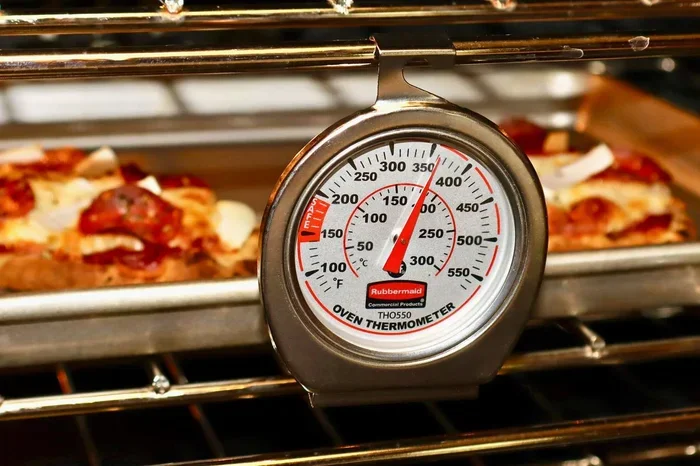
Preheat your oven to 425°F (220°C). This high temperature is key for achieving a crispy exterior. While the oven heats, line a baking sheet with parchment paper or a silicone mat.
Place a wire rack on top of the baking sheet if you have one. The rack allows hot air to circulate underneath each piece, preventing a soggy bottom. If you do not have a rack, simply use the baking sheet directly.
Step 4: Arrange and Bake
Arrange the coated chicken pieces on the prepared pan. Do not overcrowd the pan. Leave at least half an inch between each piece. Overcrowding traps steam and prevents proper crisping.
Lightly spray or brush the tops with olive oil. This small step adds tremendous crunch. Bake for 15 to 20 minutes, flipping halfway through. The chicken bites in oven are done when the internal temperature reaches 165°F (74°C).
The outside should look golden brown chicken with a satisfying crunch. If your bites are larger than 1.5 inches, add a couple of extra minutes. Always use a meat thermometer to confirm doneness.
Step 5: Rest and Serve
Remove the pan from the oven and let the bites rest for 3 to 5 minutes. Resting allows the juices to redistribute throughout the meat. Cutting into them immediately can cause moisture to escape, leaving them dry.
Transfer to a serving plate lined with a paper towel to absorb any excess surface oil. Serve warm with your favorite dipping sauces. These juicy chicken bites are best enjoyed fresh but reheat well in the oven too.
Tips for Getting Maximum Crispiness
Crispiness is what separates great crispy oven chicken from mediocre results. These tips help you achieve that perfect crunch every time.
Use Panko Instead of Regular Breadcrumbs
Panko flakes are larger and lighter than standard breadcrumbs. They create a crunchier, more textured crust that stays crisp longer. Many professional kitchens prefer panko for oven-baked chicken because it delivers superior texture.
Chill Before Baking
After coating, place the chicken bites on a tray and refrigerate for 15 to 30 minutes. Chilling firms up the coating, which helps it adhere during baking. This prevents the breading from sliding off and creates a thicker crust.
Do Not Skip the Oil Spray
A light mist of cooking oil on the outside of each bite promotes browning and crunch. It mimics the effect of deep frying without the extra fat. Use a spray bottle for even coverage and minimal oil usage.
Bake on the Middle Rack
Position your baking sheet on the middle oven rack. This placement allows hot air to flow evenly around the chicken. Top racks brown too quickly, while bottom racks can leave the underside pale and soft.
Flip Halfway Through
Flipping the bites at the halfway mark ensures both sides get equal exposure to the heat. This simple step makes a big difference in achieving an even golden color and consistent crunch.
Common Mistakes to Avoid
Even experienced cooks make errors when preparing baked chicken bites. Knowing what to avoid saves time and improves results significantly.
Overcrowding the Baking Sheet
This is the number one mistake people make. When pieces touch or overlap, steam gets trapped. Instead of crispy exteriors, you get soggy, steamed chicken. Always use multiple pans if needed. Your crispy chicken bites will thank you for the space.
Skipping the Dry Chicken Step
Wet chicken surfaces repel coatings. If you skip patting the meat dry, your breading slides off during baking. Always blot the chicken pieces thoroughly with paper towels before seasoning or dredging.
Using the Wrong Oven Temperature
Baking at too low a temperature causes the chicken to dry out before the coating crisps. Too high and the outside burns while the inside remains raw. 425°F is the sweet spot for most chicken bite recipes. Trust this temperature and resist the urge to lower it.
Not Resting the Chicken After Baking
Cutting into hot chicken immediately releases all the juices onto the cutting board instead of staying in the meat. Resting for just a few minutes keeps each bite moist and tender. This is especially important for lean breast meat.
Ignoring Internal Temperature
Visual cues can be misleading. The only reliable way to confirm oven-baked chicken is fully cooked is with a meat thermometer. 165°F at the thickest part is the safe minimum. Undercooked chicken poses health risks, so always check.
Serving Ideas and Flavor Variations
One of the best things about how to cook chicken bites in oven is the versatility. You can serve them in countless ways and switch up the flavors to keep things interesting.
Dipping Sauce Ideas
The right sauce elevates baked chicken bites from simple to spectacular. Here are some crowd-pleasing options:
- Honey mustard for a sweet and tangy combo
- Buffalo sauce for a spicy kick
- BBQ sauce for a smoky, savory dip
- Ranch dressing for a creamy, classic pairing
- Sweet chili sauce for a sweet-heat balance
- Garlic aioli for a rich, savory option
Fun Ways to Serve
Arrange chicken bites in oven on a platter with celery sticks, carrot coins, and cherry tomatoes for a colorful spread. Serve them in small paper cones for a party-friendly option. You can also build chicken bite sandwiches by placing bites inside slider buns with lettuce and sauce.
Flavor Variations to Try
Once you master the basic method, experiment with different flavors:
- Italian style: Use Italian seasoning, parmesan cheese, and dried basil
- Nashville hot: Toss baked bites in a spicy oil mixture with cayenne and paprika
- Asian-inspired: Add soy sauce, ginger, and sesame seeds to your coating
- Lemon herb: Mix lemon zest with rosemary, thyme, and garlic
- BBQ: Brush with barbecue sauce during the last 5 minutes of baking
Each variation gives your healthy chicken bites a completely different personality. You can rotate flavors weekly to keep meals exciting for the whole family.
Meal Prep and Storage Tips
Homemade chicken bites store beautifully, making them perfect for meal prep. Let the bites cool completely after baking. Place them in an airtight container lined with paper towels to absorb moisture.
Refrigerated baked chicken bites stay fresh for up to 4 days. To reheat, place them on a wire rack in a 375°F oven for 8 to 10 minutes. Avoid microwaving, which tends to make the coating soft and soggy.
For longer storage, freeze the baked bites in a single layer on a tray. Once frozen solid, transfer them to freezer bags. They keep for up to 3 months. Reheat from frozen at 400°F for about 12 minutes, flipping halfway. This makes oven-baked chicken an excellent make-ahead option for busy weeks.
Expert Insights on Perfecting Your Chicken Bites
Professional chefs share a few secrets that take crispy oven chicken to restaurant quality. These insights come from years of experience and testing.
The Buttermilk Soak Trick
Soaking chicken pieces in buttermilk for 30 minutes to an hour tenderizes the meat and adds flavor. The acidity in buttermilk gently breaks down proteins, resulting in juicier bites. This technique is a staple in Southern cooking and works wonders for breaded chicken bites.
Double Dipping for Extra Crunch
For an extra-thick, crunchy coating, dip each piece through the egg wash and breadcrumbs twice. The double layer creates a more substantial crust that stays crisp even after resting. This method is common in chicken nuggets homemade recipes and produces outstanding texture.
Add Cornstarch to the Coating
Mixing a tablespoon of cornstarch into your breadcrumb blend creates an unexpectedly crispy exterior. The starch fries the coating slightly during baking, producing a light, shatteringly crunchy layer. This small addition is a game-changer for oven-baked chicken lovers.
Key Takeaways
- Oven-baked chicken bites are healthier than fried versions: You get crispy texture with far less oil and fewer calories.
- The right temperature is crucial: Baking at 425°F ensures a golden crust while keeping the inside juicy.
- Marinating or seasoning makes a big difference: Proper seasoning transforms simple chicken into restaurant-quality bites.
- Using a wire rack prevents sogginess: Air circulates evenly around each piece for consistent crispiness.
- Don’t overcrowd the baking sheet: Spacing bites apart allows steam to escape and promotes even browning.
- Don’t overcrowd the baking sheet: Spacing bites apart allows steam to escape and promotes even browning.
- Flavor variations keep things exciting: Swap seasonings and coatings to create endless taste combinations.
Frequently Asked Questions
How long does it take to cook chicken bites in the oven?
Most chicken bites in oven recipes take 15 to 20 minutes at 425°F. The exact time depends on the size of your pieces. Larger bites may need 2 to 3 extra minutes. Always check that the internal temperature reaches 165°F for food safety.
What is the best temperature to bake chicken bites?
425°F (220°C) is the ideal temperature for crispy chicken bites. This high heat quickly sears the coating while cooking the chicken through. Lower temperatures can make the bites dry and the coating less crispy. Always preheat your oven before placing the chicken inside.
Can I use frozen chicken for baked chicken bites?
It is best to thaw frozen chicken completely before baking. Cooking from frozen often results in unevenly cooked pieces. The outside may overcook while the inside remains underdone. Thaw overnight in the refrigerator for the safest and most consistent results.
How do I keep chicken bites crispy after baking?
Place baked bites on a wire rack instead of directly on paper towels. This prevents steam from building underneath and softening the crust. If you need to hold them for a short time, keep the oven on its lowest setting with the door slightly ajar. Avoid covering them, as trapped moisture ruins crispiness.
Are oven-baked chicken bites healthier than fried ones?
Yes, baked chicken bites are significantly healthier. Baking uses minimal oil compared to deep frying, which can add hundreds of extra calories and grams of fat. Baked versions retain the protein benefits of chicken without the excess grease. They are an excellent choice for regular family meals.
What dipping sauces go well with homemade chicken bites?
Chicken bite recipes pair well with a wide range of sauces. Honey mustard, ranch, BBQ, buffalo sauce, and sweet chili are all popular choices. For a healthier option, try a yogurt-based dip with herbs and garlic. The sauce you choose can completely change the flavor profile of your chicken nuggets homemade style bites.
Conclusion
Cooking chicken bites in oven is one of the most rewarding and practical skills you can develop in the kitchen. It is simple, healthy, and endlessly customizable. Whether you prefer classic plain bites or bold flavored versions, the oven delivers consistent, satisfying results every time.
By following the steps outlined in this guide, you will create crispy chicken bites that rival any restaurant or fast-food version. The key lies in proper preparation, the right temperature, and a little patience. Remember to space your pieces properly, flip them halfway, and always use a meat thermometer.
Start with the basic recipe and then experiment with different seasonings and coatings. Homemade chicken bites are a canvas for your creativity. Once you master the fundamentals, you can adapt the method to suit any craving or dietary need.
So preheat that oven, gather your ingredients, and make a batch of delicious, juicy chicken bites today. Your family and guests will love them, and you will feel great about serving a healthier, homemade alternative. Happy baking!