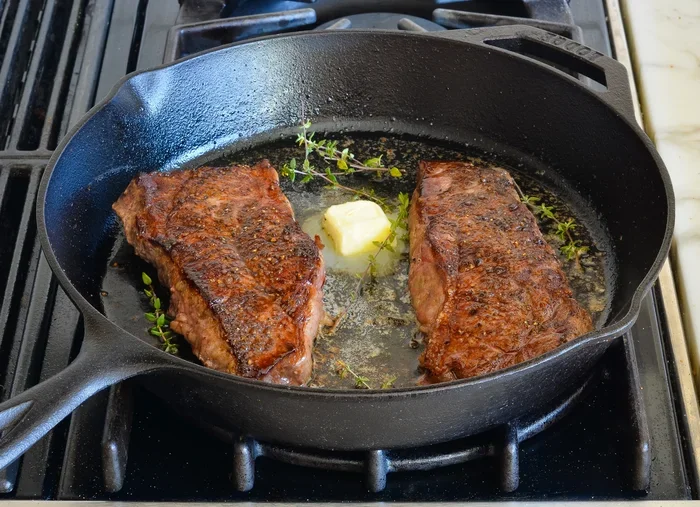
How To Cook A Steak Medium In The Oven The Easy Way
Learn the easiest way to How To Cook A Steak Medium In The Oven for a juicy, perfectly pink result every time. This guide covers choosing the right cut, simple seasoning, precise cooking times, and the essential resting step. With just a few basic tools and this straightforward method, you will serve tender, medium steak that rivals any steakhouse.
There is something deeply satisfying about pulling a perfectly cooked steak out of the oven. The aroma fills your kitchen. The juices sit right where they should. And when you slice into it, you see that beautiful pink center that means you nailed the How To Cook A Steak Medium In The Oven technique.
Many people think steak belongs only on the stovetop or grill. But your oven can do something amazing. It gives you even heat. It gives you a consistent cook from edge to edge. And it takes much of the guesswork out of the process.
This guide walks you through every step. You will learn how to pick the right cut. You will learn how to season it simply. And most importantly, you will learn how to get that perfect medium doneness every single time. Whether you are a beginner or a seasoned home cook, this method will change the way you make steak.
The How To Cook A Steak Medium In The Oven method is simple, reliable, and forgiving. You do not need fancy equipment. You do not need years of practice. You just need a good steak, a hot oven, and a little patience. Let us get into it.
Key Takeaways
- Choose the Right Cut: Thick cuts like ribeye, sirloin, or filet mignon work best for even oven cooking and perfect medium doneness.
- Bring Steak to Room Temperature: Letting the steak sit out for 30 to 45 minutes ensures even cooking from edge to center.
- Use a Meat Thermometer: This is the single most important tool for achieving consistent medium doneness without guessing.
- Rest Your Steak Properly: A 5 to 10 minute rest with a foil tent lets juices redistribute for a juicier result.
- 400°F Is the Sweet Spot: This oven temperature cooks steak efficiently without burning the outside before the inside is done.
- Keep Seasoning Simple: Salt, pepper, and a little olive oil let the natural beef flavor shine through.
- The Reverse Sear Method Works Wonders: Slow oven cooking followed by a hard sear gives you the most even medium steak possible.
📑 Table of Contents
- Why Oven-Cooked Steak Is a Game Changer
- Choosing the Right Steak for Medium Doneness
- Preparing Your Steak for the Oven
- Step-by-Step: How To Cook A Steak Medium In The Oven
- Checking Doneness and Resting Your Steak
- Common Mistakes to Avoid When Cooking Steak in the Oven
- Serving and Enjoying Your Perfect Steak
- Quick Tips for the Perfect Oven Steak
- Conclusion
Why Oven-Cooked Steak Is a Game Changer
Cooking steak in the oven might feel unusual at first. But once you try it, you will wonder why you ever bothered with just the stovetop. The oven method gives you control. It gives you consistency. And it delivers results that are hard to beat.
The Benefits of Using Your Oven for Steak
There are many reasons to make oven-baked steak a regular part of your cooking routine. First, the heat surrounds the meat evenly. On a stovetop, you have hot spots. In the oven, the heat wraps around the steak from every side. This means more even cooking throughout.
Second, the oven frees up your stovetop. You can cook sides while your steak bakes. Third, it is much harder to overcook a steak in the oven. The steady, ambient heat is gentler than a screaming hot pan. Fourth, oven cooking gives you a beautiful crust if you sear first. That crust adds flavor and texture that everyone loves. The How To Cook A Steak Medium In The Oven method combines the best of both worlds: a great sear and even oven heat.
Oven-Baked Steak vs. Pan-Seared Steak
Both methods have their place. Pan-searing gives you a thick, dark crust quickly. It is great for thinner cuts. But for thicker steaks, the oven method shines. It cooks the middle evenly without burning the outside.
With oven-baked beef, you get a uniform medium doneness from edge to center. Pan-searing alone often leaves a gray band in the middle. The oven eliminates that problem almost completely. This is why so many home cooks and professional chefs prefer the oven method for thick cuts. The oven-broiled steak technique is also worth mentioning. Broiling uses top-down heat and works well for thinner cuts, but for a proper medium steak, the full oven method gives you the most control.
Choosing the Right Steak for Medium Doneness
The cut you choose matters a lot. Not every steak works equally well for oven cooking. Some cuts are more tender. Some have more fat. And fat equals flavor and juiciness.
Best Cuts for Oven Cooking
Here are the top cuts to consider when you want oven-baked beef at its best:
- Ribeye steak – Rich in marbling. Very tender. This is a favorite for oven cooking because the fat keeps the meat juicy throughout the process.
- Sirloin steak – Leaner than ribeye but still full of flavor. Great for those who prefer a cleaner taste without too much fat.
- Filet mignon – The most tender cut available. It cooks evenly and has a buttery texture that melts in your mouth.
- New York strip – A perfect balance of tenderness and beefy flavor. It holds up well to oven heat.
- T-bone steak – Combines two cuts in one. The strip side and the tenderloin side both cook beautifully in the oven.
Thickness Matters for Medium Doneness
When you want a perfect medium steak, thickness is key. You need at least a 1.5-inch thick cut. Thinner steaks will overcook before you can get a good sear. A 2-inch steak is ideal for oven cooking.
A thick steak gives you room to work with. You can sear it hard, then move it to the oven without worrying about the center drying out. The extra thickness acts as a buffer. It lets the heat spread slowly and evenly to the middle.
Avoid thin steaks under 1 inch for this method. They cook too fast and leave you little room for error. If you only have thin cuts, consider using the broiler instead of the full oven method. A thick cut steak is the foundation of a great result.
Preparing Your Steak for the Oven
Good preparation makes all the difference. You would not bake a cake without mixing the ingredients first. The same logic applies to steak. Taking the time to prep properly pays off in a big way.
Bringing Your Steak to Room Temperature
This is a step many people skip. But it is important. Take your steak out of the fridge 30 to 45 minutes before cooking. Let it sit on the counter. This allows the meat to warm up evenly.
Why does this matter? A cold steak going into a hot oven cooks unevenly. The outside overcooks while the inside stays cold. A room-temperature steak cooks more uniformly. The steak temperature rises steadily from edge to center. This is one of the secrets to perfect medium doneness and a tender steak every time.
Seasoning Your Steak Simply and Effectively
You do not need a complicated recipe. Great steak needs very little. Here is a simple approach that works every time:
- Salt – Coarse kosher salt is best. Apply it generously on both sides at least 40 minutes before cooking. This draws out moisture, which then gets reabsorbed. The result is a seasoned, tender steak.
- Pepper – Freshly cracked black pepper adds a gentle bite. Add it just before cooking so it does not burn.
- Garlic powder – A light sprinkle adds depth without overpowering the natural beef flavor.
- Olive oil – A thin coat helps the seasoning stick and promotes browning during the sear.
Keep it simple. The quality of the meat should shine through. Heavy spice rubs can mask the natural flavor of a good cut. For the best results, let the salt do the heavy lifting. A simple steak seasoning approach is all you need.
The Reverse Sear Method for Oven Steak
The reverse sear is a popular technique for oven-cooked steak. Instead of searing first, you start in the oven at a low temperature. You cook slowly until the inside reaches your target temperature. Then you sear hard in a hot pan for a short time to build the crust.
This method gives you incredible control over the internal temperature steak reaches. It is especially useful for thick cuts. The slow oven cooking creates a very even pink center. Then the quick sear adds that dark, flavorful steak crust everyone loves. The reverse sear is a favorite technique among steak enthusiasts for a reason. It produces some of the most evenly cooked steaks you will ever have.
Step-by-Step: How To Cook A Steak Medium In The Oven
Now for the main event. This is the core of the How To Cook A Steak Medium In The Oven guide. Follow these steps carefully and you will get restaurant-quality results at home.
Preheating and Setting Up Your Oven
Start by preheating your oven to 400°F (200°C). This is the sweet spot for oven temperature for steak. It is hot enough to cook efficiently but not so hot that it burns the outside before the inside is done.
While the oven heats, prepare your baking sheet. Line it with foil for easy cleanup. Place a wire rack on top of the sheet. The rack allows air to circulate around the steak. This helps the whole surface cook evenly. It also prevents the bottom from getting soggy.
If you have a cast iron skillet, you can use it right in the oven. This is a great option because cast iron holds heat beautifully. It also gives you a seamless transition from oven to stovetop if you want to finish with a quick searing steak step. The cast iron skillet is arguably the best tool for cooking steak at home.
The Cooking Process Step by Step
Here is exactly what to do:
- Pat the steak dry with paper towels. Dry surfaces brown better. Moisture is the enemy of a good crust.
- Season generously with salt, pepper, and any other spices you prefer.
- Place the steak on the rack or directly on the prepared baking sheet.
- Put it in the oven on the middle rack. Do not crowd the pan. Leave space around the steak for air to flow.
- Cook for 10 to 15 minutes depending on thickness. A 2-inch steak typically needs about 12 minutes at 400°F.
- Check the temperature after 10 minutes using a meat thermometer.
The cooking time steak needs varies based on thickness and starting temperature. A thicker steak takes longer. A thinner one cooks faster. Do not rely solely on time. Use a thermometer for accuracy. This one habit will improve your steak every single time you cook.
Timing and Temperature Guide for Medium
For a perfect medium steak, you are aiming for an internal temperature steak of 135°F to 145°F (57°C to 63°C) when you pull it from the oven. Remember that the temperature will rise 5 to 10 degrees during resting. This is called carryover cooking, and it matters a lot.
Here is a quick reference guide for oven-baked steak:
- 1-inch thick steak: About 8 to 10 minutes at 400°F
- 1.5-inch thick steak: About 10 to 12 minutes at 400°F
- 2-inch thick steak: About 12 to 15 minutes at 400°F
- 2.5-inch thick steak: About 15 to 18 minutes at 400°F
These times are approximate. Always use a meat thermometer for the most reliable results. The thermometer removes all guesswork. It tells you exactly what is happening inside the meat. This is the single best tool for consistent oven-baked steak results. For the reverse sear approach, set your oven to 275°F (135°C). Cook until the center reaches about 125°F (52°C). Then sear in a hot cast iron skillet for 1 to 2 minutes per side. This gives you the most even medium doneness possible.
Checking Doneness and Resting Your Steak
This is where many people go wrong. They pull the steak out and cut right in. That releases all the juices. And suddenly your perfectly cooked steak is dry and disappointing. Do not make this mistake. Patience is the final and most important step.
Using a Meat Thermometer Correctly
A meat thermometer is the most important tool for this recipe. Insert it into the thickest part of the steak. Do not touch the bone or the pan. You want the reading from the center of the meat. A good instant-read thermometer gives you a result in just a few seconds.
Here are the steak doneness levels and their target temperatures:
- Rare: 120°F to 125°F (49°C to 52°C)
- Medium Rare: 130°F to 135°F (54°C to 57°C)
- Medium: 135°F to 145°F (57°C to 63°C)
- Medium Well: 150°F to 155°F (66°C to 68°C)
- Well Done: 160°F and above (71°C and above)
For medium doneness, pull your steak at 135°F to 140°F. The carryover heat will bring it up to the perfect 140°F to 145°F range. This gives you a warm pink center with a firm but tender texture. The steak doneness levels are easy to remember once you have a thermometer. You will never second-guess yourself again.
Why Resting Your Steak Is Essential
Once your steak reaches temperature, take it out of the oven. Place it on a cutting board. Tent it loosely with aluminum foil. This is called a foil tent, and it serves an important purpose.
During cooking, the juices in the steak move toward the center. When you let the steak rest, those juices redistribute evenly throughout the meat. If you cut too soon, all those juices run out onto the board. You lose the flavor and moisture that makes a juicy steak great.
Rest your steak for at least 5 to 8 minutes for a standard cut. For a very thick steak, rest it for 10 to 12 minutes. The steak resting time might feel like a long wait, but it makes a huge difference in the final result. While the steak rests, you can use that time to make a quick steak butter or prepare your sides. This is a great time to melt some butter with fresh herbs and garlic. A dollop of this on top of your rested steak takes it to the next level.
Common Mistakes to Avoid When Cooking Steak in the Oven
Even with a great recipe, mistakes can happen. Here are the most common errors and how to avoid them.
Skipping the Room Temperature Step
This is the number one mistake. Putting a cold steak straight into a hot oven creates uneven cooking. The outside overcooks while the inside stays too cold. Always let your steak warm up for at least 30 minutes before cooking. This simple step transforms your results.
Not Using a Meat Thermometer
Guessing the doneness by time alone is unreliable. Every oven is different. Every steak is different. A meat thermometer takes the guesswork out completely. It is a small investment that pays off every single time you cook. Do not skip this tool.
Cutting Into the Steak Too Early
We touched on this already, but it deserves repeating. Cutting into the steak releases precious juices. Those juices are flavor. Let the steak rest properly before you slice. Your patience will be rewarded with a juicier, more flavorful bite every time.
Over-Salting or Using the Wrong Seasoning
Salt is your best friend when cooking steak. But too much can draw out too much moisture and make the surface soggy. Use a generous but not excessive amount. And avoid heavy spice blends that mask the taste of the beef itself. Let the quality of the meat speak for itself.
Using the Wrong Oven Temperature
Too high a temperature burns the outside before the inside is done. Too low and the steak dries out before it reaches medium doneness. 400°F is the sweet spot for most steaks. For the reverse sear method, use 275°F for the slow cook phase. Getting the temperature right is the foundation of great oven steak.
Ignoring the Carryover Temperature Rise
The steak continues cooking after you take it out of the oven. This carryover rise can be 5 to 10 degrees. Pull the steak a few degrees below your target to account for this. For medium, pull at 135°F to 140°F and it will reach the perfect range during resting. This one tip alone will level up your steak game immediately.
Serving and Enjoying Your Perfect Steak
You have put in the work. Your steak is cooked to perfect medium doneness. Now it is time to serve it right. The right sides and finishing touches elevate the whole experience from good to unforgettable.
Best Side Dishes for Oven Steak
A great steak deserves great sides. Here are some easy pairings that work beautifully:
- Roasted vegetables – Asparagus, broccoli, or carrots roasted in the same oven while the steak rests. Simple and delicious.
- Creamy mashed potatoes – A classic pairing. The creamy texture complements the firm steak perfectly.
- Garlic butter green beans – Quick to make and full of flavor. The butter and garlic add richness to the plate.
- Crispy roasted potatoes – Baby potatoes roasted until golden and crispy. A satisfying side for any steak dinner.
- Simple green salad – A light salad with a vinaigrette dressing cuts through the richness of the steak nicely.
Adding Finishing Touches
A few small additions can make your steak extraordinary:
- Steak butter – A compound butter with herbs, garlic, and a pinch of salt melts beautifully over a hot steak.
- Flaky sea salt – A sprinkle of flaky salt on top right before serving adds a wonderful crunch and bursts of flavor.
- Fresh herbs – Chopped rosemary, thyme, or parsley add color and freshness to the plate.
- A drizzle of good olive oil – Just a thin drizzle adds shine and richness to the finished dish.
You do not need all of these. Pick one or two. The goal is to enhance the steak, not overpower it. A simple, juicy steak with good sides and one or two finishing touches is all you need for a memorable meal. The beauty of oven-cooked steak is that it is forgiving and easy. Once you nail the basics, you can experiment with flavors and sides to make it your own.
Quick Tips for the Perfect Oven Steak
Keep these quick tips in your back pocket for every steak you make:
- Always pat your steak dry before seasoning. Dry surfaces brown better and create a superior steak crust.
- Use a wire rack on your baking sheet for even air circulation around the meat.
- Do not skip the resting step. It is just as important as the cooking step itself.
- Let the steak come to room temperature before cooking for the most even results.
- Invest in a good instant-read meat thermometer. It is a game changer for consistent medium doneness.
- If you like a steak crust, sear in a cast iron skillet after the oven cook for a hard, flavorful exterior.
- For a reverse sear, start at 275°F and finish with a hard sear in a hot pan for the most even cook.
- Store leftovers properly. Slice and refrigerate within two hours of cooking for food safety.
Conclusion
How To Cook A Steak Medium In The Oven is one of the most satisfying skills you can learn at home. It is simple, reliable, and gives you results that rival any restaurant. The oven method removes the stress of managing a hot pan and lets you focus on getting the perfect temperature.
Remember the key steps. Choose a thick, quality cut like a ribeye or sirloin. Let it come to room temperature. Season it simply with salt and pepper. Cook it at 400°F until it reaches 135°F to 140°F on a meat thermometer. Then rest it for at least 5 to 8 minutes under a foil tent. These steps are all you need for a perfect medium steak.
The beauty of this method is that it works every time. Once you understand the basics, you can adjust times and temperatures for your own oven and your own preferences. You will start to feel confident. You will start to experiment. And you will never go back to overcooked, dry steak again.
So the next time you are craving a great steak, skip the grill and fire up your oven. Follow this guide, trust the process, and enjoy a perfectly cooked medium doneness steak that will impress everyone at your table. Your kitchen is about to become your favorite steakhouse.
Frequently Asked Questions
What is the best oven temperature for cooking steak medium?
400°F (200°C) is the ideal temperature for most steaks. It cooks efficiently without burning the outside before the inside reaches medium doneness. For thicker cuts or a reverse sear approach, start at 275°F for the slow cook phase, then finish with a hard sear in a hot pan.
How long should I cook a 2-inch steak in the oven for medium?
A 2-inch thick steak typically needs 12 to 15 minutes at 400°F. However, time varies based on your oven and starting steak temperature. Always use a meat thermometer and pull the steak at 135°F to 140°F. The carryover heat will bring it up to the perfect medium range during resting.
Do I need to sear the steak before putting it in the oven?
Searing before the oven is optional but recommended. A quick sear in a hot cast iron skillet for 1 to 2 minutes per side builds a flavorful steak crust. If you prefer the reverse sear method, skip the initial sear and do it at the end after the oven cook. Both approaches produce excellent medium doneness results.
What is the best cut of steak for oven cooking?
Ribeye, sirloin, filet mignon, New York strip, and T-bone all work wonderfully for oven cooking. The ribeye is a top choice because its marbling keeps the meat juicy throughout the cooking process. Choose a cut that is at least 1.5 inches thick for the best results when you cook a steak medium in the oven.
How long should I rest my steak after cooking?
Rest your steak for at least 5 to 8 minutes for a standard cut. For very thick steaks, rest for 10 to 12 minutes. Tent it loosely with foil to keep the heat in while allowing the juices to redistribute. This steak resting time is essential for a juicy, tender result.
Can I use a regular baking sheet for oven steak?
Yes, but using a wire rack placed on top of the baking sheet is better. The rack allows air to circulate around the steak for even cooking on all sides. If you do not have a rack, you can place the steak directly on the sheet, but flip it halfway through cooking for more even results. A cast iron skillet in the oven is another excellent option.
=== CONCLUSION ===
How To Cook A Steak Medium In The Oven is easier than most people think. With the right cut, simple seasoning, and a reliable thermometer, you can serve restaurant-quality steak at home. The key is patience and attention to detail. Choose a thick cut, bring it to room temperature, cook at 400°F, and rest it properly. Follow these steps and you will never serve a bad steak again.