How To Clean My Farberware Coffee Maker With Vinegar
How To Clean My Farberware Coffee Maker With Vinegar is a simple, affordable way to remove mineral buildup and coffee oils. This guide walks you through the exact vinegar-to-water ratio, the descaling cycle, and how to clean removable parts. You’ll get a fresher-tasting cup and extend the life of your machine.
If your morning cup of coffee tastes a bit off, the problem might not be the beans. Hard water leaves behind mineral deposits that clog the inside of your machine. These deposits dull the flavor and can even slow down the brewing process. The good news is that you do not need expensive chemicals to fix it. How To Clean My Farberware Coffee Maker With Vinegar is one of the easiest and most effective methods you can try at home.
White distilled vinegar is a natural acid that breaks down calcium and lime scale. It also cuts through the oily residue left behind by coffee grounds. In just a few simple steps, your Farberware coffee maker will look and taste like new again. This guide gives you a foolproof process that works for most models, including the classic 12-cup drip machines and the more compact single-serve versions.
We will walk you through everything you need to know. You will learn the right vinegar mixture, how to run the descaling cycle, and how to clean the removable parts by hand. I will also share common mistakes to avoid and how often you should repeat the process. By the end, you will feel confident keeping your coffee maker in top shape with just a few household items.
Key Takeaways
- White distilled vinegar is the safest, cheapest descaler for Farberware coffee makers.
- Always use a 1:1 vinegar-to-water ratio for the descaling cycle to dissolve mineral deposits.
- Rinse the machine with plain water at least twice after descaling to remove any vinegar taste.
- Clean the brew basket, carafe, and filter basket weekly to prevent coffee oil buildup.
- Avoid using harsh chemicals or abrasive scrubbers that can damage internal components.
- Descale your Farberware coffee maker every 1–3 months depending on how often you brew and your water hardness.
📑 Table of Contents
- Why Vinegar Is The Best Cleaner For Your Farberware Coffee Maker
- What You’ll Need Before You Start
- Step-by-Step Descaling Process
- How To Clean The Brew Basket And Carafe
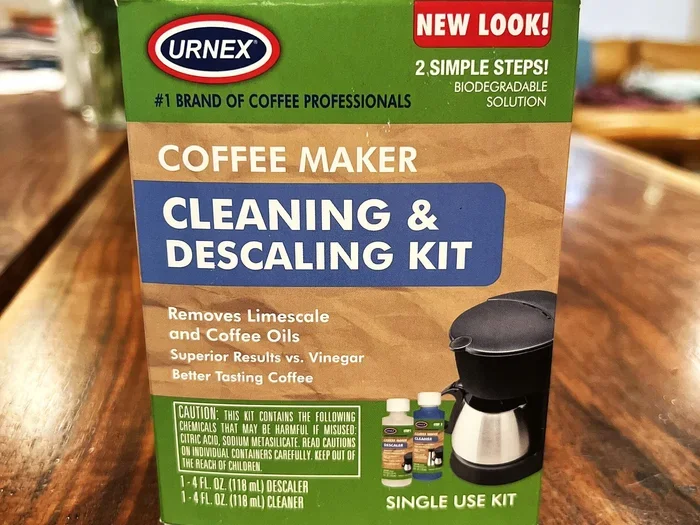
- Vinegar Vs. Commercial Descaler: Which Is Better?
- Common Mistakes To Avoid When Cleaning Your Coffee Maker
- How Often Should You Clean Your Farberware Coffee Maker
- Expert Insight: The Hidden Benefits Of Regular Descaling
Why Vinegar Is The Best Cleaner For Your Farberware Coffee Maker
Vinegar has been used as a cleaning agent for decades. It is safe, non-toxic, and incredibly effective against the mineral buildup that plagues coffee makers. Unlike commercial descalers that often contain strong fragrances and chemicals, plain white vinegar leaves no harmful residue behind when rinsed properly.
The Science Behind Vinegar Descaling
White distilled vinegar contains about 5% acetic acid. This mild acid reacts with the alkaline mineral deposits, mainly calcium carbonate, that form inside water tubes and heating elements. The reaction dissolves the scale and lets it flush away with the next brew cycle. This same process works wonders on the oily film that coffee oils create inside the carafe and brew basket.
Using vinegar also saves you money. A bottle of white distilled vinegar costs just a few dollars and can clean your machine several times over. You do not need to buy specialized descaling pods or powders. Just keep a bottle in your pantry and use it every few months.
Quick Tip: Always Use White Distilled Vinegar
Do not use apple cider vinegar or any flavored vinegar. Those contain sugars and additives that can leave a sticky residue and alter the taste of your coffee. Stick to plain white distilled vinegar for the cleanest results. The clear liquid ensures no color or flavor transfers to your next pot of brew.
What You’ll Need Before You Start
Gathering your supplies takes less than a minute. You probably already have everything in your kitchen. Here is a simple checklist of what you need to clean your Farberware coffee maker with vinegar:
- White distilled vinegar – the main cleaning agent.
- Fresh, cold water – for rinsing and diluting the vinegar.
- A clean microfiber cloth – for wiping the exterior and carafe.
- Soft-bristled brush (optional) – for scrubbing the brew basket gently.
- Mild dish soap – for hand-washing removable parts.
Make sure your coffee maker is cool and unplugged before you start. Safety first. You will also want to empty any leftover coffee grounds and remove the filter basket and carafe. Having everything ready means you can complete the whole process in about 30 minutes.
Step-by-Step Descaling Process
Descaling is the process of removing mineral buildup from the internal water path and heating element. Follow these steps exactly to get the best results without any vinegar smell lingering in your next cup.
- Empty the water reservoir. Remove any remaining water from the tank.
- Prepare the vinegar solution. Mix equal parts white distilled vinegar and cold water. For a standard 12-cup machine, use 6 cups of vinegar and 6 cups of water. This 1:1 ratio is strong enough to dissolve scale but gentle enough not to damage seals.
- Fill the reservoir. Pour the vinegar solution into the water tank until it reaches the max line.
- Place a clean filter in the basket. Use a paper filter or a reusable mesh filter. This catches any loose debris that might dislodge during the cycle.
- Run a half brew cycle. Turn on the machine and let it brew about half of the solution. Then turn it off and let it sit for 30 minutes. The soaking time allows the vinegar to break down tough deposits.
- Finish the cycle. Turn the machine back on and let it complete the brew cycle. The remaining vinegar solution will run through the system.
- Discard the solution. Pour out the vinegar water from the carafe and remove the filter.
Running The Vinegar Cycle
The half-brew-and-soak method is the secret to a thorough clean. It gives the acetic acid time to work on stubborn scale without overheating the machine. If your Farberware model has a dedicated clean cycle, you can use that instead. Just make sure to follow the same vinegar-to-water ratio.
Rinsing Thoroughly
Rinsing is the most important step people skip. After the descaling cycle, fill the reservoir with fresh cold water and run a full brew cycle. Repeat this rinsing cycle two more times. This removes any trace of vinegar that could affect the taste of your coffee. After the final rinse, wipe the carafe and reservoir with a damp cloth to catch any remaining droplets.
Once you have completed the rinse cycles, your Farberware coffee maker is ready to brew a fresh pot. You should notice a cleaner taste and perhaps a faster brew time if scaling was slowing things down.
How To Clean The Brew Basket And Carafe
The descaling cycle cleans the inside of the machine, but the removable parts need attention too. Coffee oils and fine grounds build up in the brew basket and carafe, leading to rancid flavors if not washed regularly.
- Brew basket and filter holder: Remove them from the machine. Wash them in warm, soapy water using a soft sponge. For stubborn stains, make a paste of baking soda and water, apply it gently, and rinse thoroughly. Never use abrasive scouring pads that can scratch the surface.
- Glass carafe: Fill the carafe with warm water and a drop of dish soap. Swirl it around and let it sit for a few minutes. For coffee stains that won’t come out, add a teaspoon of baking soda and scrub with a non-abrasive brush. Rinse well and dry with a lint-free cloth.
- Water reservoir lid and drip area: Wipe these with a damp microfiber cloth. If you see dried coffee splashes, a bit of vinegar on the cloth will dissolve them quickly.
Keeping these parts clean on a weekly basis means you will need to descale less often. It also prevents old coffee oils from turning rancid and tainting the flavor of fresh brews.
Vinegar Vs. Commercial Descaler: Which Is Better?
Many people wonder if they should stick with vinegar or buy a branded descaling solution. Both get the job done, but they have some key differences. Here is a quick comparison to help you decide.
| Feature | White Distilled Vinegar | Commercial Descaler |
|---|---|---|
| Cost | Very low (a few dollars per bottle) | Moderate to high (specialty product) |
| Effectiveness | Excellent for moderate buildup | Excellent for heavy scale |
| Ingredients | Natural acetic acid, no additives | Contains citric acid or sulfamic acid, sometimes fragrances |
| Rinse Required | Yes, multiple rinses to remove taste | Usually one rinse, formulated to leave no taste |
| Availability | Found in every grocery store | Available online or at appliance stores |
| Safety | Non-toxic, safe for septic systems | May contain harsher chemicals, check label |
For most home users, vinegar is the clear winner. It is gentle, affordable, and works just as well as commercial products when you rinse thoroughly. If you have extremely hard water or have not descaled in over a year, a commercial descaler might offer a stronger initial cleaning. But for routine maintenance, vinegar is all you need.
Common Mistakes To Avoid When Cleaning Your Coffee Maker
Even a simple cleaning task can go wrong if you make a few careless errors. Here are the mistakes I see most often and how to avoid them.
- Using the wrong type of vinegar: Apple cider vinegar, balsamic vinegar, or cleaning vinegar with higher acidity can damage rubber seals and leave behind strong flavors. Always use standard white distilled vinegar.
- Skipping the rinse cycles: A quick rinse is not enough. Vinegar has a strong smell and taste that can linger. Run at least two full cycles with fresh water to ensure your next pot of coffee tastes clean and neutral.
- Soaking electronic parts: Never submerge the base unit or the heating element in water. Only the removable, non-electrical parts should be washed. Wipe the base with a damp cloth instead.
- Using abrasive scrubbers: Steel wool or harsh scouring pads can scratch the glass carafe and damage the non-stick coating on the brew basket. Stick to soft sponges and brushes.
- Ignoring the filter basket: The filter basket holds coffee grounds and oils that can go rancid. Clean it every time you brew, not just during descaling.
Avoiding these simple mistakes will keep your Farberware coffee maker running smoothly for years. If you ever deal with a tough burnt-on mess in another kitchen appliance, you can check out how to clean an oven with a dishwasher tablet for similar gentle cleaning power without harsh scrubbing.
How Often Should You Clean Your Farberware Coffee Maker
The frequency of cleaning depends on how much you use the machine and the hardness of your water. As a general rule, you should perform a full vinegar descaling cycle every 1 to 3 months. If you brew coffee daily and have hard water, aim for every 4 weeks. If you use filtered water and brew less often, every 3 months is fine.
In between descaling sessions, give the removable parts a quick wash after every few uses. Wipe the exterior and the drip plate weekly. These small habits prevent buildup from becoming a major issue. Just like you would deep clean a Ninja air fryer oven on a regular schedule, your coffee maker deserves the same routine care.
Pay attention to the signs that tell you it is time to descale. A slower brew time, a gurgling sound during brewing, or a funny taste in the coffee all point to mineral buildup. Catching these early makes the cleaning process faster and easier.
Expert Insight: The Hidden Benefits Of Regular Descaling
Beyond just improving the taste of your coffee, regular descaling offers several hidden benefits that many people overlook. When mineral scale builds up on the heating element, your machine has to work harder to boil the water. This extra strain uses more electricity and can shorten the lifespan of the appliance. By keeping the internal pathways clear, you are actually saving energy and money on your utility bill.
Clean water pathways also mean more consistent brewing temperatures. Coffee extracts best at a specific temperature range, and scale can insulate the heating element and throw off that balance. A well-maintained Farberware coffee maker delivers a uniform brew every time, bringing out the subtle flavors in your favorite beans.
Finally, regular cleaning prevents the growth of mold and bacteria. Coffee residue and moisture create a perfect environment for microbes if the machine is left uncleaned. A monthly vinegar rinse eliminates these hidden health risks and keeps your morning cup truly fresh. For more tips on keeping all your kitchen appliances spotless, you can also learn how to clean an Oster toaster oven using similar gentle, non-abrasive methods.
Remember, How To Clean My Farberware Coffee Maker With Vinegar is not a complicated chore. It is a quick, inexpensive habit that pays off in better-tasting coffee and a longer-lasting machine. Once you try it, you will wonder why you ever waited so long to start.
Grab your white distilled vinegar, follow the steps outlined here, and enjoy the difference a clean coffee maker makes. Your taste buds will thank you, and your Farberware machine will keep brewing great coffee for years to come.
Frequently Asked Questions
Can I use apple cider vinegar to clean my Farberware coffee maker?
It is best to avoid apple cider vinegar. It contains sugars and flavor compounds that can leave a residue and alter the taste of your coffee. Stick with plain white distilled vinegar for a neutral, effective clean.
How long should I let the vinegar solution sit in the coffee maker before brewing?
After running half the solution, let the machine sit for 30 minutes. This soak time allows the acetic acid to break down mineral deposits. Then finish the cycle and follow up with two full rinse cycles.
Will the vinegar smell linger in my coffee maker after cleaning?
Not if you rinse thoroughly. Run at least two full cycles with fresh cold water after descaling. Wiping the reservoir and carafe with a clean damp cloth also helps remove any remaining odor.
Can I use cleaning vinegar instead of white distilled vinegar?
Cleaning vinegar typically has a higher acidity level, around 6%, which can be too harsh for coffee maker seals and tubing. Regular white distilled vinegar at 5% is the safest choice for routine descaling.
What if my coffee maker still tastes funny after descaling?
Run an extra rinse cycle or two. Sometimes a faint vinegar taste remains if the rinse is not thorough enough. Also, make sure you wash the carafe and brew basket with warm soapy water to remove any coffee oil buildup.
Is it safe to use vinegar in a Farberware coffee maker with a built-in water filter?
Yes, it is safe, but you should remove the water filter before running the vinegar solution. The filter can absorb the vinegar and affect the taste of future brews. Rinse the filter separately and replace it after the cleaning process is complete.