How Much Coffee To Brew A Pot For Flavor And Perfection
Learning how much coffee to brew a pot is the key to unlocking rich, balanced flavor in every cup. The standard ratio is two tablespoons of ground coffee per six ounces of water, but your perfect brew depends on pot size, grind type, and personal taste. Whether you use a drip machine, French press, or traditional percolator, this guide walks you through every measurement, tip, and mistake to avoid.
There is nothing quite like the aroma of a fresh pot of coffee filling your kitchen early in the morning. But if your morning cup always tastes a little off, the problem might not be your machine. It could be how much coffee you are using. Getting the right amount of grounds is the single most important step in brewing a pot that tastes amazing. Too little coffee and you end up with weak, watery liquid that tastes like brown water. Too much and you are left with a bitter, harsh cup that nobody wants to drink.
This guide answers the question how much coffee to brew a pot once and for all. We will cover standard ratios, pot sizes, grind types, and common mistakes that ruin your brew. By the end, you will know exactly how many scoops or tablespoons you need for every pot size. You will also learn how small changes in measurement can completely transform your morning routine.
Brewing great coffee at home does not require expensive equipment or a barista degree. It just requires the right ratio, fresh ingredients, and a little attention to detail. Think of it like browning flour in the oven – a small change in technique leads to a big difference in flavor. The same principle applies here. A little precision goes a long way toward a perfect cup.
Key Takeaways
- Standard Ratio: Two tablespoons of ground coffee per six ounces of water is the golden rule for a balanced brew.
- Pot Size Matters: Adjust your coffee-to-water ratio based on whether you are brewing a 4-cup, 8-cup, or 12-cup pot.
- Grind Size Affects Flavor: Coarse, medium, and fine grinds each extract differently, so your measurement may need slight tweaks.
- Fresh Beans Make A Difference: Using freshly roasted beans and grinding just before brewing elevates flavor dramatically.
- Avoid Common Mistakes: Scooping blindly, using stale grounds, and ignoring water temperature are the top pitfalls.
- Clean Equipment Is Essential: Regular cleaning prevents oily buildup that muddies your coffee flavor.
📑 Table of Contents
- Understanding The Standard Coffee Brewing Ratio
- How Coffee Pot Size Affects Your Measurement
- The Role Of Fresh Coffee Beans In Brewing
- Common Mistakes That Ruin Your Coffee Pot
- How To Adjust Your Brew For Different Flavors
- Quick Tips For Brewing The Perfect Pot Every Time
- Expert Insights On Coffee Extraction
- Final Thoughts On Brewing The Right Amount
Understanding The Standard Coffee Brewing Ratio
The golden ratio of coffee brewing is simple and widely accepted by coffee experts around the world. The standard recommendation is two tablespoons of ground coffee for every six ounces of water. This ratio produces a balanced cup that is neither too weak nor too strong. It works beautifully for most drip coffee makers and pour-over setups.
But here is the thing – not all coffee pots are the same size. A standard coffee mug holds about 12 ounces, while the average coffee maker cup is only 5 to 6 ounces. This distinction matters a lot when you are measuring out your grounds. If your pot has a 12-cup capacity, that means 60 ounces of water, not 72 ounces. Many people get confused by this and end up using too much water relative to their coffee grounds.
Breaking Down The Ratio By Pot Size
Let us look at how the standard ratio applies to different pot sizes. This makes it easy to scale up or down depending on how many people you are serving.
- 4-Cup Pot (20-24 oz): Use 6 to 8 tablespoons of ground coffee. This makes about 4 standard mugs.
- 8-Cup Pot (40-48 oz): Use 12 to 16 tablespoons, or roughly 3 to 4 tablespoons per cup.
- 10-Cup Pot (50-60 oz): Use 16 to 20 tablespoons for a full pot.
- 12-Cup Pot (60-72 oz): Use 20 to 24 tablespoons for the largest standard pot.
These numbers give you a solid starting point. From there, you can adjust based on how strong or mild you like your coffee. Some people prefer a stronger brew and add an extra half tablespoon per cup. Others like it mild and dial it back slightly. The beauty of home brewing is that you control the final result.
How Coffee Pot Size Affects Your Measurement
Coffee makers come in all shapes and sizes, and understanding your specific pot is the first step toward brewing perfection. A standard drip coffee maker uses internal markings that follow the 5-to-6-ounce cup convention. But if you own a larger machine or a single-serve brewer, the math changes.
For example, a 12-cup drip machine actually brews about 60 ounces of liquid. That is enough to fill five standard 12-ounce mugs, not twelve. This is one of the most common reasons people think their coffee tastes weak. They are using the right amount of grounds but too much water for their liking.
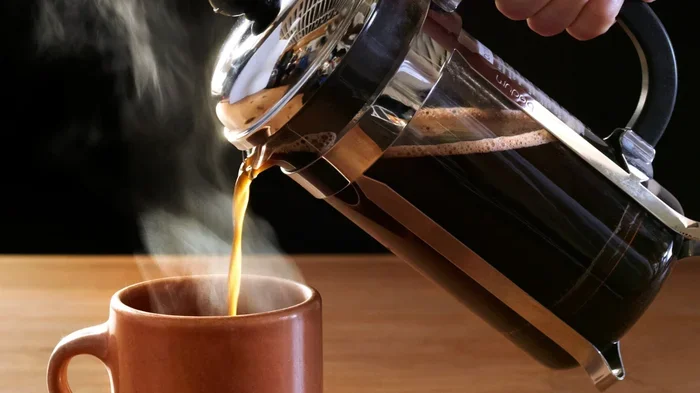
If you are using a French press, the ratio shifts slightly. French press coffee benefits from a bit more coffee because the immersion brewing method extracts flavors differently. A good starting point for a French press is one ounce of coffee per 16 ounces of water. That is roughly three heaping tablespoons for a standard 34-ounce press.
Matching Your Grinder To Your Pot
The grind size you choose also plays a role in how much coffee to use. A coarse grind, like what you use for a French press, extracts more slowly and needs a slightly longer brewing time. A fine grind, like what you use for espresso, extracts quickly and intensely. Medium grind is the sweet spot for most drip machines.
When you change your grind size, you may need to tweak your measurement slightly. Coarser grinds sometimes need a touch more coffee because they extract less efficiently. Finer grinds can deliver more flavor with slightly less. Think of it as a balancing act between grind, time, and amount.
The Role Of Fresh Coffee Beans In Brewing
Using fresh coffee beans is one of the easiest ways to improve your brew. Coffee starts losing its flavor within minutes of being ground. The oils that give coffee its rich aroma and complex taste begin to oxidize almost immediately. This is why buying whole beans and grinding them just before brewing makes such a noticeable difference.
When you grind your own beans, you also control the freshness window. A bag of pre-ground coffee might sit on a store shelf for weeks or even months. By that time, much of the flavor has already faded. Freshly ground coffee, on the other hand, delivers a vibrant, full-bodied taste that pre-ground simply cannot match.
Store your beans in an airtight container away from direct sunlight. A cool, dark pantry is ideal. Avoid keeping them in the freezer, as moisture and odors can seep in and affect the flavor profile. Good beans stored properly can stay fresh for up to two weeks after roasting.
Roast Level And How It Changes Your Ratio
Light roast, medium roast, and dark roast beans all behave differently during brewing. Light roasts tend to be denser and require slightly more coffee or a longer extraction time to bring out their complex flavors. Dark roasts are lighter in density and extract more quickly, which means you can sometimes use a touch less.
Medium roast is the most versatile option and works beautifully with the standard two-tablespoon ratio. If you are experimenting with different roast levels, keep your water amount constant and adjust only the coffee grounds. This way, you can taste the true differences between roasts without changing too many variables at once.
Common Mistakes That Ruin Your Coffee Pot
Even experienced coffee drinkers sometimes make mistakes that throw off their brew. The good news is that most of these errors are easy to fix once you know what to look for. Here are the most common pitfalls and how to avoid them.
Scooping Blindly Without Measuring
The biggest mistake people make is eyeballing the coffee instead of measuring it. A coffee scoop typically holds about two tablespoons, which is the standard measurement for one 6-ounce cup. But scoops vary in size, and using your hand to guess leads to inconsistent results every time.
Invest in a simple set of measuring spoons. A standard tablespoon is all you need. For a 12-cup pot, you would need about 20 to 24 tablespoons, which is roughly 10 to 12 standard scoops. This might feel like a lot at first, but trust the ratio – it works for a reason.
Using Stale Or Old Coffee Grounds
Coffee grounds that have been sitting in your pantry for weeks lose their flavor rapidly. The aromatic oils evaporate, leaving behind flat, dull-tasting coffee. Always check the roast date on your bag and aim to use your grounds within two to four weeks of opening.
If you buy coffee in bulk, consider storing smaller portions in airtight containers. This keeps the bulk of your supply fresh while giving you enough grounds for several days of brewing. The difference in taste between fresh and stale grounds is dramatic and impossible to ignore once you notice it.
Ignoring Water Quality And Temperature
Water makes up more than 98 percent of your cup of coffee, so its quality matters enormously. Hard water with high mineral content can create a chalky or metallic taste. Soft water or filtered water produces a cleaner, smoother cup. Always use cold, fresh water for brewing, and make sure your machine heats it to the proper temperature between 195 and 205 degrees Fahrenheit.
Water that is too hot will over-extract the coffee and create bitterness. Water that is too cool will under-extract and leave you with a sour, weak cup. Getting the temperature right is just as important as getting the coffee-to-water ratio correct.
Neglecting To Clean Your Equipment
Oily residue from coffee builds up inside your machine, carafe, and filter basket over time. This residue can go rancid and taint the flavor of every pot you brew afterward. Regular cleaning is essential for maintaining great taste.
You can keep your coffee equipment clean with simple methods. A monthly deep clean using a dishwasher tablet works wonders for removing oily buildup without harsh scrubbing. Just make sure you rinse thoroughly afterward. For your carafe and filter basket, a quick wash with warm soapy water after every few uses keeps everything fresh.
How To Adjust Your Brew For Different Flavors
One of the best things about brewing coffee at home is the ability to customize your cup. Once you master the standard ratio, you can experiment with adjustments to create exactly the flavor profile you love. Think of it like keeping food warm without an oven – small, thoughtful adjustments lead to better results without extra effort.
For A Stronger Cup Of Coffee
If you prefer a bold, robust cup, try increasing your coffee grounds by 10 to 15 percent. For a standard 12-cup pot, that means adding two to three extra tablespoons. You can also try reducing your water slightly to intensify the flavor. Just be careful not to go overboard, as too much coffee can lead to over-extraction and bitterness.
For A Milder, Smoother Cup
On the other hand, if you find standard coffee too strong, reduce your grounds by 10 percent. You can also extend your brew time slightly if using a manual method like a pour-over or French press. This allows for a gentler extraction that brings out sweetness and smoothness without harshness.
For Flavored Or Specialty Coffee
Flavored coffee beans and specialty blends often have different extraction characteristics. Some require slightly more grounds to bring out their unique notes, while others shine with the standard ratio. Start with the baseline measurement and adjust from there based on taste. Keep a simple log of your ratios and results so you can repeat what works and avoid what does not.
Quick Tips For Brewing The Perfect Pot Every Time
Here are some fast, practical tips to remember every time you brew a pot:
- Always measure your coffee: Use tablespoons or a kitchen scale for consistency.
- Weigh your water: A kitchen scale gives you precise control over the water-to-coffee ratio.
- Grind just before brewing: Freshly ground coffee tastes noticeably better than pre-ground.
- Use filtered water: Clean water means clean, pure coffee flavor.
- Clean your machine monthly: Run a vinegar and water cycle to remove mineral buildup.
- Store beans properly: Keep them in a cool, dark, airtight container.
- Drink your coffee within 20 minutes: Coffee starts to lose its fresh flavor as it sits on heat.
These small habits add up to a big improvement in your daily cup. You do not need to change everything at once. Start with one or two tips and build from there. Over time, you will develop a routine that produces consistently great results.
Expert Insights On Coffee Extraction
Coffee extraction is the process of drawing flavors, oils, and compounds out of the grounds using water. When you get the ratio right, extraction happens evenly and produces a balanced, flavorful cup. Under-extraction leads to sour, thin coffee, while over-extraction creates bitter, harsh flavors.
The amount of coffee you use directly affects extraction. Too little coffee and the water rushes through without pulling enough flavor. Too much coffee and the water becomes overwhelmed, pulling out bitter compounds that ruin the taste. The sweet spot is that golden ratio of two tablespoons per six ounces of water, which gives you a clean, well-extracted brew.
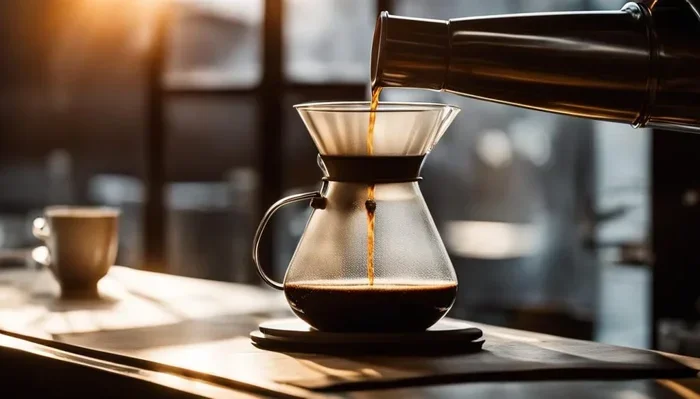
Brewing time also plays a role. Drip machines typically brew a full pot in 5 to 10 minutes. French press requires 4 minutes of steeping. Pour-over methods take about 3 to 4 minutes. Each method has its own ideal extraction window, and staying within that window ensures the best possible flavor from your carefully measured grounds.
Final Thoughts On Brewing The Right Amount
Brewing the perfect pot of coffee comes down to one fundamental principle: balance. The right amount of coffee, the right amount of water, the right temperature, and the right grind all work together to create a cup that is rich, smooth, and full of flavor. There is no single magic number that works for everyone, but the standard ratio of two tablespoons per six ounces gives you a reliable starting point that you can adjust to suit your taste.
Remember that great coffee is a journey, not a destination. Every pot you brew teaches you something new about your preferences, your equipment, and your ingredients. Keep experimenting, keep measuring, and most importantly, keep enjoying the process. The perfect cup of coffee is the one that brings you joy every single morning.
Now that you know exactly how much coffee to brew a pot, you have the knowledge to elevate your daily routine. Grab your favorite beans, measure carefully, and savor every sip. Your mornings are about to get a whole lot better.
Frequently Asked Questions
How many tablespoons of coffee do I need for a 12-cup pot?
For a standard 12-cup drip coffee maker, you need about 20 to 24 tablespoons of ground coffee. This follows the golden ratio of two tablespoons per six ounces of water. Adjust slightly up or down based on how strong you prefer your brew.
Can I use a kitchen scale instead of tablespoons to measure coffee?
Absolutely. A kitchen scale is actually more precise than using tablespoons. A good starting point is 10 grams of coffee per 6 ounces of water. Using a scale removes the guesswork and gives you consistent results every time you brew.
Does the type of coffee maker change how much coffee I should use?
Yes, it does. Drip machines work well with the standard ratio. French press needs a slightly higher coffee-to-water ratio because of the immersion method. Espresso machines use much less water and more concentrated grounds. Always match your ratio to your brewing method for the best results.
How often should I clean my coffee maker?
You should clean your coffee maker at least once a month. Running a cycle with equal parts white vinegar and water removes mineral buildup and oily residue. For daily maintenance, simply rinse the carafe and filter basket after each use.
What is the best water temperature for brewing coffee?
The ideal brewing temperature is between 195 and 205 degrees Fahrenheit. Water that is too hot will over-extract and create bitterness, while water that is too cool will under-extract and taste sour. Most automatic coffee makers heat water to this range automatically.
Can I reuse coffee grounds for a second pot?
You can, but the second brew will be significantly weaker and less flavorful. Most of the desirable compounds are extracted during the first brew. If you want to reduce waste, consider composting your used grounds instead of reusing them for drinking.
=== CONCLUSION ===
Brewing a great pot of coffee starts with getting the right amount of grounds. The standard ratio of two tablespoons of coffee per six ounces of water is your best friend in the kitchen. From there, you can adjust based on pot size, grind type, roast level, and personal preference. The key is to measure consistently, use fresh beans, and pay attention to water quality and temperature.
Remember that every small detail matters – from how you store your beans to how often you clean your machine. These habits might seem minor, but they add up to a noticeably better cup every single day. Now that you know exactly how much coffee to brew a pot, you are ready to make every morning cup something to look forward to.
Start with the basics, trust the process, and enjoy the journey. Great coffee is waiting for you in your very own kitchen.