How To Warm Up Cold Brew Coffee Without Losing Flavor
Discover the best techniques to warm up cold brew coffee without losing its smooth, rich flavor. Whether you prefer stovetop warming, microwave reheating, or hot water dilution, this guide covers every method. You will learn how to preserve the taste and aroma of your favorite coffee drink every single time.
There is something special about a warm cup of coffee on a chilly morning. But what happens when your favorite brew is cold brew coffee that has been sitting in the fridge? You might think the only option is to drink it ice cold. The truth is, you can warm up cold brew coffee without losing its smooth, rich flavor. It just takes a little know-how and the right technique.
Cold brew coffee has become a staple drink for millions of people. The slow steeping process creates a concentrate that is less acidic and incredibly smooth. But when you want a hot coffee drink, reheating cold brew can be tricky. Too much heat and you lose the delicate notes that make cold brew so special. This guide will show you exactly how to warm up cold brew coffee the right way.
Whether you are new to cold brew or a seasoned coffee lover, these methods will help you get the best results. You will learn about different warming techniques, common mistakes to avoid, and expert tips for keeping your coffee flavor intact. Let us dive in and explore the world of reheating coffee the smart way.
Now let us look at why cold brew is different from regular hot coffee and what happens when you apply heat to it.
Key Takeaways
- Low heat is key: Warming cold brew slowly on the stovetop preserves the smooth flavor profile better than any other method.
- Avoid boiling temperatures: Boiling hot water destroys delicate coffee compounds and creates bitter notes in your cup.
- Hot water dilution works great: Simply adding hot water to cold brew concentrate gives you control over strength and temperature.
- The microwave can work: Short bursts at medium power prevent overheating and flavor loss when done correctly.
- Add milk or cream after warming: This keeps dairy fresh and lets you customize the taste of your warmed cold brew.
- Use fresh, quality coffee grounds: The starting quality of your cold brew concentrate directly affects the final warmed taste.
- Pour into a pre-warmed mug: A warm coffee mug keeps your drink at the right temperature longer.
📑 Table of Contents
The Science Behind Cold Brew and Why Heat Changes Everything
Cold brew coffee is not just regular hot coffee that has been cooled down. The brewing process is completely different. When you make cold brew, you steep coffee grounds in cold water for 12 to 24 hours. This long steeping time extracts flavors slowly. The result is a concentrate that tastes smooth and slightly sweet with low acidity.
When you heat up this concentrate, you are changing the chemical makeup of the coffee. Heat affects the compounds that give coffee its flavor. Some compounds break down when exposed to high temperatures. Others become more pronounced. Understanding this helps you choose the right warming method.
What Makes Cold Brew Different from Hot Brewed Coffee
Regular hot coffee is brewed at around 200 degrees Fahrenheit. The hot water extracts oils, acids, and flavors very quickly. Cold brew uses cold water and a much longer time. This means the extraction is different. Cold brew pulls out fewer acidic compounds. That is why it tastes smoother and less bitter than hot brewed coffee.
The coffee grounds used for cold brew are also often coarser. The steeping time allows for a full extraction even with larger particle sizes. When you warm up cold brew, you want to preserve these qualities. You do not want to undo what the cold brewing process accomplished.
Many people store their cold brew concentrate in a glass jar in the fridge. This keeps it fresh for up to two weeks. The glass jar does not affect the flavor the way some plastic containers might. If you make your own cold brew at home, a glass jar is a great choice for storage.
How Heat Affects Coffee Compounds
When you apply heat to cold brew, several things happen. First, the volatile compounds that give coffee its aroma can evaporate. These are the same compounds that make your kitchen smell amazing when you brew hot coffee. If you heat too aggressively, you lose these aromatic oils.
Second, the acids in coffee can become more concentrated with heat. This can make your drink taste sharper or more bitter. The goal when you warm up cold brew coffee is to gently bring the temperature up without triggering these negative changes. Think of it like warming up a sauce on the stove. You want low and slow, not a rolling boil.
Third, caffeine is stable under heat. So your cold brew will still give you the energy boost you expect. The caffeine content does not change much during warming. This is good news for anyone who relies on their daily coffee drink for a caffeine kick.
The coffee beans you start with also matter a lot. High quality coffee beans produce a cold brew concentrate with more complex flavor notes. When you warm that concentrate gently, those notes survive the process. Cheap or stale coffee beans will produce a flat taste no matter how carefully you reheat it.
Now that you understand the science, let us look at the best methods to warm up cold brew coffee.
The Best Methods To Warm Up Cold Brew Coffee
There are several ways to heat cold brew coffee. Each method has its own advantages. Some give you more control over coffee temperature. Others are faster and more convenient. The best method depends on your preferences and how much time you have in the morning.
Method 1: The Stovetop Approach
The stovetop method is the gold standard for warming cold brew. It gives you the most control over temperature and heat level. This is similar to how you would warm up any concentrated liquid on the stove. If you already know how to keep food warm without an oven, you will appreciate that warming cold brew follows similar low-heat principles.
Here is how to do it right:
- Pour your cold brew concentrate into a small saucepan.
- Heat it on the lowest setting on your stove.
- Stir gently and monitor the temperature.
- Remove from heat just before it reaches a simmer.
- Pour into your favorite coffee mug and enjoy.
The key is patience. Do not rush this process with high heat. Low and slow is the mantra here. If you have ever learned how to keep food warm without an oven, you already understand the principle. Gentle heat preserves the quality of what you are warming.
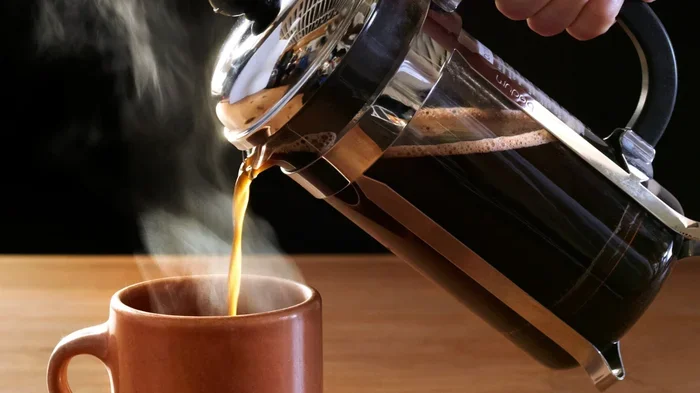
This method works especially well if you are making a single cup. You can warm up just the amount you need. This prevents waste and ensures every cup tastes fresh. You can also use this method with a French press. Simply warm the concentrate in the press on low heat, stir gently, and pour. The French press does a great job of keeping the grounds separated while you warm the liquid.
Method 2: The Microwave Method
The microwave is the fastest way to warm up cold brew coffee. It is perfect for busy mornings when you do not have time to stand by the stove. But the microwave can also be the most risky method if you are not careful.
Here is the right way to use a microwave for cold brew:
- Pour your cold brew into a microwave-safe mug.
- Heat on medium power for 30 seconds.
- Stir the coffee gently.
- Heat for another 30 seconds on medium power.
- Check the temperature and repeat if needed.
Never use high power. High heat can create hot spots and destroy the delicate flavor compounds. The short bursts with stirring in between help distribute heat evenly. This keeps your coffee taste consistent from the first sip to the last.
Most cold brew concentrates are strong, so you may only need 60 to 90 seconds total. Start with less time and add more if needed. You can always heat for longer, but you cannot undo overcooked coffee. The ideal coffee temperature for drinking is between 150 and 170 degrees Fahrenheit. Use this as your guide when microwaving.
Method 3: Hot Water Dilution
This is my personal favorite method. Hot water dilution gives you the most control over both temperature and strength. It is simple, fast, and produces excellent results every time.
Here is what to do:
- Pour cold brew concentrate into your coffee mug.
- Heat water in a kettle until it reaches about 175 degrees Fahrenheit.
- Slowly add the hot water to the cold brew concentrate.
- Stir gently and adjust the ratio to your taste.
- Add milk or cream if desired.
The beauty of this method is that you control everything. More hot water makes a lighter cup. Less hot water keeps it strong and bold. You can also adjust the temperature by using water at different heat levels. This is much like how a coffee shop barista crafts each drink to order.
For the best results, use filtered water. The quality of your water affects the final taste. Since cold brew concentrate already has a lot of flavor, even the water you add matters. If you buy cold brew from a coffee shop, they can often tell you the recommended dilution ratio for their specific concentrate.
This method also works perfectly for making iced coffee in the summer. Just use cold water instead of hot water for dilution. The same concentrate serves double duty for both hot and iced coffee drinks. It is one of the reasons cold brew has become so popular among home coffee makers.
Method 4: Steam and Froth
If you love creamy, frothy coffee drinks, this method is for you. You can use a steam wand or a milk frother to warm and texture your cold brew. This creates a drink that feels like a latte or cappuccino.
Here is how to do it:
- Pour cold brew concentrate into a heat-safe pitcher.
- Use a steam wand to gently warm the coffee while frothing.
- Heat until the pitcher is warm to the touch.
- Pour into your coffee mug and enjoy the creamy texture.
This method works best with a steam wand from an espresso machine. If you do not have one, you can heat the cold brew on the stovetop first and then froth it with a handheld frother. The result is a café-quality drink right in your kitchen.
Some people like to add a little milk or cream before frothing. This creates a richer, creamier texture. Experiment with different ratios to find what you like best. The cold brew base pairs beautifully with steamed milk. Many coffee shops use this exact technique to create their signature warm coffee drinks.
You can also try adding a flavored syrup to your steamed cold brew. Vanilla, caramel, or hazelnut syrup adds a wonderful dimension. This turns your simple reheated cold brew into a treat that rivals anything from your favorite coffee shop.
How To Preserve Coffee Flavor When Reheating
Now that you know the methods, let us talk about flavor preservation. The whole point of warming cold brew is to enjoy it hot without losing what makes it special. The cold brewing process creates a unique flavor profile. You want to protect that when you reheat.
The most important rule is to avoid high heat. High temperatures break down the complex flavor compounds in coffee. They can also bring out bitter and acidic notes that are not present in cold brew. Think of it this way: you would not throw a delicate sauce into a boiling pot. You would warm it gently on low heat.
Another important factor is the vessel you use. A pre-warmed coffee mug keeps your drink at the right temperature longer. Cold mugs steal heat from your coffee and can make it cool down too fast. Simply rinse your mug with hot water before pouring in your warmed cold brew.
The ratio of concentrate to water also matters a lot. If you use the hot water dilution method, start with a 1:1 ratio of concentrate to hot water. Taste it and adjust from there. Some people prefer a stronger cup and use a 2:1 ratio. Others like it lighter and add more water. There is no wrong answer here. It is all about personal taste.
One thing that many people overlook is the freshness of the cold brew itself. Cold brew concentrate that has been sitting in the fridge for more than a week starts to lose its flavor. For the best results, use cold brew that is fresh. If you make your own cold brew at home, try to use it within 7 to 10 days of brewing.
If you buy cold brew from a coffee shop, check the expiration date. Fresh cold brew from a reputable coffee shop will have the best flavor when warmed up. The quality of the coffee beans and the brewing process all affect how your final cup tastes. Look for cold brew made from 100 percent Arabica beans for the smoothest flavor.
Also consider the steeping time when you make cold brew at home. A longer steeping time, around 18 to 24 hours, produces a richer concentrate. This concentrate holds up better when reheated because it has more flavor compounds to begin with. A shorter steeping time of 12 hours works too but may produce a lighter concentrate that is more sensitive to heat changes.
Common Mistakes to Avoid When Warming Cold Brew
Even with the best intentions, it is easy to make mistakes when reheating coffee. Here are the most common errors and how to avoid them.
Mistake 1: Using boiling water directly on cold brew concentrate. Boiling water is around 212 degrees Fahrenheit. This is way too hot for cold brew. It shocks the coffee and can release bitter compounds. Always let boiling water cool for a few minutes before using it to warm or dilute cold brew.
Mistake 2: Heating cold brew for too long. Whether you are using the stovetop or microwave, overcooking is a real risk. Cold brew concentrate is already extracted. You are just warming it up, not extracting more flavor. Long heating times can burn the coffee and ruin the taste. Keep heating times short and check the temperature frequently.
Mistake 3: Adding milk or cream before warming. Dairy products can curdle when exposed to high heat. Always warm the cold brew first, then add your milk or cream afterward. This keeps your dairy fresh and prevents an unpleasant texture in your cup. This is the same principle as adding cream to a hot soup. You always add it after the main liquid is heated.
Mistake 4: Using the wrong container. Some mugs and containers do not distribute heat evenly. Glass mugs, for example, can crack when exposed to rapid temperature changes. Use microwave-safe ceramic or stainless steel mugs for the best results. This is especially important if you are using the microwave method.
Mistake 5: Forgetting to stir. When you heat cold brew, the heat does not always distribute evenly. Stirring helps distribute the warmth throughout the liquid. This prevents hot spots and ensures every sip tastes the same. A simple stir can make a big difference in the final cup.
Mistake 6: Reheating cold brew multiple times. Each time you reheat coffee, you lose more flavor. The compounds break down further with each heating cycle. If you have leftover cold brew, warm up only what you plan to drink right away. Do not save reheated coffee for later. Freshly warmed cold brew always tastes the best.
Quick Tips For The Perfect Warmed Cold Brew
Here are some quick tips to help you get the best results every time you warm up cold brew coffee:
- Start with quality cold brew concentrate. The better the starting product, the better the final cup. Use freshly made cold brew or buy from a trusted coffee shop.
- Use filtered water for dilution. The water you add affects the taste. Good water makes good coffee, even when you are just warming it up.
- Invest in a kitchen thermometer. Knowing the exact temperature helps you avoid overheating. Aim for 150 to 170 degrees Fahrenheit for the best flavor.
- Experiment with ratios. Everyone has different taste preferences. Try different concentrate-to-water ratios until you find your perfect cup.
- Add a pinch of salt. A tiny pinch of salt can reduce bitterness and enhance the natural sweetness of your cold brew. This is a trick used by many professional baristas.
- Try adding a splash of vanilla extract. This adds a warm, comforting flavor that pairs beautifully with cold brew. It is a simple way to elevate your morning coffee drink.
- Pour into a pre-warmed mug. This keeps your coffee at the ideal drinking temperature longer and prevents thermal shock to your mug.
If you are looking for more ways to enjoy warm beverages, check out how to heat dinner rolls in the oven for a perfect breakfast pairing. And if you are interested in the broader topic of reheating food and drinks properly, learning how to keep food warm without an oven can give you even more techniques to try.
Remember, the goal is to warm your cold brew gently and evenly. Just as you would carefully reheat short ribs in the oven to keep them tender and flavorful, you should treat your cold brew with the same care. Low heat, short time, and attention to detail make all the difference.
Final Thoughts On Warming Your Cold Brew
Warming up cold brew coffee does not have to be complicated. With the right method and a little patience, you can enjoy a hot cup of coffee that tastes just as smooth and flavorful as it does cold. The stovetop method gives you the most control. The microwave is the fastest option. Hot water dilution offers the most flexibility. And the steam and froth method creates a luxurious café-style drink.
The key takeaways are simple. Use low heat. Avoid boiling temperatures. Warm up only what you will drink right away. And always start with fresh, quality cold brew concentrate. Follow these principles and your reheated cold brew will taste amazing every single time.
Cold brew coffee is a wonderful drink that deserves to be enjoyed in every form. Whether you drink it ice cold on a summer day or warm and cozy on a winter morning, the flavor can be incredible. The secret is in how you handle the warming process. Treat your cold brew with care, and it will reward you with a delicious cup every time.
So the next time you reach for that cold brew from the fridge, do not hesitate to warm it up. Try one of these methods and taste the difference. Your morning coffee routine will never be the same. A warm cup of cold brew is a game changer, and now you know exactly how to make it happen.
Frequently Asked Questions
Can you microwave cold brew coffee to warm it up?
Yes, you can use a microwave to warm up cold brew coffee. The key is to use medium power and heat in short 30-second bursts. Stir between each burst to distribute the heat evenly. This prevents hot spots and preserves the smooth coffee taste that makes cold brew so special.
Does warming cold brew coffee make it more bitter?
It can, but only if you use too much heat. High temperatures break down coffee compounds and release bitter flavors. To avoid bitterness, warm your cold brew gently on low heat or use the hot water dilution method. Keeping the coffee temperature below 170 degrees Fahrenheit helps preserve the natural sweetness.
What is the best ratio of hot water to cold brew concentrate?
A 1:1 ratio of hot water to cold brew concentrate is a great starting point. This produces a balanced cup that is not too strong and not too weak. You can adjust the ratio based on your personal preference. More concentrate makes it stronger, while more water creates a lighter drink.
How long does cold brew concentrate last in the fridge?
Cold brew concentrate typically lasts up to two weeks when stored in a glass jar in the refrigerator. After that, the flavor starts to decline. For the best tasting warmed cold brew, try to use your concentrate within 7 to 10 days of brewing. Fresh concentrate always produces the best results.
Can you use a French press to warm up cold brew?
Yes, you can warm cold brew in a French press on the stovetop over low heat. The French press keeps the coffee grounds separated while you warm the liquid. Just be careful not to let it simmer. Stir gently and remove from heat before it reaches a boil. Pour immediately into your coffee mug for the best taste.
Is it better to dilute cold brew with hot or cold water?
For a hot coffee drink, use hot water to dilute cold brew concentrate. Hot water warms the coffee as it mixes, creating a smooth and evenly heated cup. For iced coffee, use cold water. The temperature of your dilution water directly affects the final coffee drink, so choose based on whether you want a warm or cold cup.