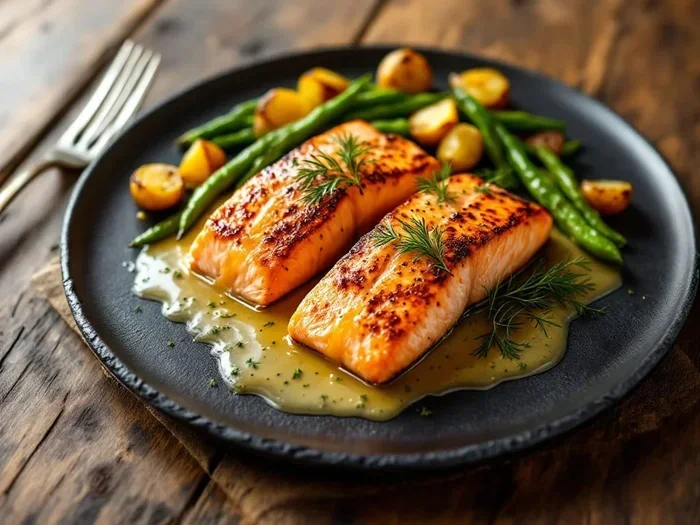
How Long To Cook Samon In Oven For Perfectly Tender Fish
Cooking samon in the oven is simple when you know the right temperature and timing. This guide covers everything from baking times to internal temperatures so your fish comes out perfectly tender and flavorful every single time. Whether you prefer crispy skin or a buttery center, you will find the exact method you need right here.
Key Takeaways
- Bake samon at 400°F for 12 to 15 minutes for a tender, juicy result every time.
- Internal temperature of 145°F is the safe target for fully cooked fish.
- Thicker fillets need more time while thin pieces cook fast, so adjust accordingly.
- Season simply with olive oil, lemon, and herbs for the best flavor.
- Use parchment paper or foil to keep the fish moist and easy to clean up.
- Let the fish rest for 3 minutes after baking to lock in juices.
- Avoid overcooking by checking the internal temperature early and often.
📑 Table of Contents
- How Long To Cook Samon In Oven For Perfectly Tender Fish
- Best Oven Temperature For Baking Samon
- How Long To Cook Samon In Oven Based On Thickness
- Step By Step Guide To Baking Samon In The Oven
- Common Mistakes People Make When Baking Samon
- Expert Tips For Perfectly Tender Oven-Baked Samon
- How To Tell When Samon Is Done
- Comparison Table: Baking Times For Different Samon Cuts
- Quick Tips For Oven-Baked Samon Success
- Final Thoughts On How Long To Cook Samon In Oven
How Long To Cook Samon In Oven For Perfectly Tender Fish
If you have ever wondered how long to cook samon in oven, you are in the right place. Baking salmon in the oven is one of the easiest and most reliable ways to prepare a healthy, delicious meal. It takes just a few simple ingredients and a little patience. The result is a flaky, tender fillet that looks impressive and tastes even better.
The key to perfect oven-baked samon is getting the temperature and timing just right. Too hot and the fish dries out. Too cool and it takes forever. This guide walks you through everything step by step. You will learn the best oven temperature, how long to bake samon based on thickness, and pro tips that make a real difference. By the end, you will feel confident cooking samon in the oven every single week.
People love oven-baked salmon because it is fast, healthy, and incredibly versatile. You can pair it with vegetables, rice, or a fresh salad. It works for a quick Tuesday dinner or a fancy weekend meal. No special skills are needed. Just follow a few simple steps and you will have restaurant-quality fish at home.
The beauty of learning how to bake samon in the oven is that once you nail the basics, you can experiment. Try different seasonings, citrus flavors, or glazes. Once you master the core method, the possibilities are endless. Let us dive into the details.
Best Oven Temperature For Baking Samon
Why 400°F Is The Sweet Spot
Most experts agree that 400°F is the ideal oven temperature for baking samon. At this heat, the fish cooks evenly without drying out. The outside gets lightly golden while the inside stays moist and tender. This temperature works well for both skin-on and skinless fillets.
Some recipes call for lower temperatures around 375°F. This can work if you are cooking a very thick piece. The lower heat gives the center more time to cook through gently. However, 400°F remains the most popular choice for home cooks because it balances speed and quality perfectly.
Here is a quick look at how temperature affects your bake:
- 375°F: Slower cook, great for very thick fillets over 1.5 inches.
- 400°F: The standard. Fast, even, and reliable for most cuts.
- 425°F: Quick roast for thin fillets under half an inch thick.
- 350°F: Gentle bake for glazed or covered samon dishes.
For most home cooks, 400°F hits the mark. It takes about 12 to 15 minutes for a standard fillet. The fish reaches a safe internal temperature of 145°F without overcooking. This is the sweet spot for tender, juicy samon every time.
Can You Use A Lower Temperature?
Yes, you can bake samon at 350°F or 375°F if you prefer a slower, gentler cook. Lower temperatures work well when you are using a covered dish or adding liquid like broth or wine. The steam helps keep the fish moist during a longer bake.
However, lower temperatures mean longer cooking times. A fillet that bakes in 12 minutes at 400°F might take 20 to 25 minutes at 350°F. This is fine if you have the time. Just be sure to check the internal temperature with a meat thermometer to avoid overcooking.
How Long To Cook Samon In Oven Based On Thickness
Thin Fillets Under Half An Inch
Thin pieces of samon cook very quickly. If your fillet is less than half an inch thick, it will be done in about 8 to 10 minutes at 400°F. These thin cuts are perfect for weeknight dinners when you need something fast and healthy.
Watch thin fillets closely. They can go from perfectly done to overcooked in just a couple of minutes. The flesh should be opaque and flaky but still moist in the center. If the edges start to look dry, pull the fish out immediately.
Standard Fillets Between Half An Inch And One Inch
This is the most common size for store-bought samon fillets. A standard fillet in this range needs about 12 to 15 minutes at 400°F. The exact time depends on whether the fish is skin-on or skinless and how cold it was when it went into the oven.
For best results, let the samon sit at room temperature for 10 to 15 minutes before baking. Cold fish straight from the fridge takes longer to cook and may cook unevenly. Taking the chill off helps the heat distribute more consistently through the fillet.
Thick Center-Cut Fillets Over One Inch
Thick cuts of samon, like center-cut fillets or steaks, need a bit more time. At 400°F, plan for 15 to 20 minutes. These thicker pieces benefit from a slightly lower temperature of 375°F, which gives the center time to cook without burning the edges.
A trick for thick samon is to fold the thin tail end under so the fillet has a more even thickness. This helps the whole piece cook at the same rate. You can also use a piece of foil to cover the fish for the first half of cooking, then uncover it to finish.
Whole Samon Or Large Portions
If you are cooking a whole side of samon or a large portion, expect 20 to 25 minutes at 400°F. The skin side should be placed down on a lined baking sheet. The skin acts as a natural barrier that keeps the flesh moist during the longer bake.
For extra-tender results, baste the samon halfway through cooking with a little olive oil or melted butter. This adds flavor and helps the surface stay moist. A whole side of samon is perfect for feeding a family or hosting a dinner party.
Step By Step Guide To Baking Samon In The Oven
Step One: Prep The Fish
Start by patting the samon dry with a paper towel. Dry skin crisps up better in the oven and helps the fish hold its shape. If you prefer soft skin, leave it slightly moist and skip the drying step.
Place the fillet skin-side down on a parchment-lined baking sheet. Parchment prevents sticking and makes cleanup a breeze. If you do not have parchment, a lightly oiled sheet pan works just as well.
Step Two: Season Simply
Less is more when it comes to seasoning samon. A light drizzle of extra virgin olive oil helps the seasonings stick. Add a pinch of salt and pepper on both sides. For extra flavor, try these simple combinations:
- Lemon and dill: Fresh lemon juice and chopped dill on top.
- Garlic and herb: Minced garlic, thyme, and a drizzle of butter.
- Honey glaze: A touch of honey and soy sauce for a sweet-savory finish.
- Mediterranean style: Olive oil, capers, tomatoes, and olives.
Keep the seasoning light. The natural flavor of quality samon is the star of the dish. Heavy coatings can mask the delicate taste of the fish.
Step Three: Bake And Monitor
Place the baking sheet on the middle rack of your preheated oven. Set a timer for 10 minutes and check the fish. The timing will vary based on thickness, so use the guidelines above as a starting point.
The best way to know if samon is done is to use an instant-read meat thermometer. Insert it into the thickest part of the fillet. When the internal temperature reaches 145°F, the fish is fully cooked. The flesh should be opaque and flake easily with a fork.
Step Four: Rest And Serve
Remove the samon from the oven and let it rest for 3 to 5 minutes before serving. This resting period allows the juices to redistribute throughout the fillet. The fish will be more moist and flavorful after resting.
Serve your oven-baked samon with roasted vegetables, quinoa, or a fresh green salad. A squeeze of lemon juice right before serving adds brightness and cuts through the richness of the fish.
Common Mistakes People Make When Baking Samon
Overcooking The Fish
The most common mistake is leaving samon in the oven too long. Overcooked fish becomes dry, chalky, and loses its delicate flavor. Start checking the fish a few minutes early rather than waiting for the full time. It is always better to pull it out a little early and let it finish cooking on the hot pan.
Remember that the internal temperature will continue to rise a few degrees after you take the fish out of the oven. This is called carryover cooking. So if you pull the samon at 140°F, it will reach 145°F during resting.
Using A Cold Fillet
Placing cold samon straight from the fridge into a hot oven leads to uneven cooking. The outside may overcook while the center stays raw. Always let the fish come to room temperature for 10 to 15 minutes before baking. This small step makes a big difference in the final result.
Skipping The Parchment Or Foil
Baking samon directly on a bare sheet pan can cause sticking and make cleanup difficult. Parchment paper or aluminum foil solves this problem. It also helps the fish cook more evenly by creating a gentle barrier between the fillet and the hot pan surface.
Overcrowding The Pan
If you are cooking multiple fillets, give them space on the baking sheet. Overcrowding traps steam and prevents the skin from crisping. Leave at least half an inch between each fillet so hot air can circulate freely around the fish.
Expert Tips For Perfectly Tender Oven-Baked Samon
Bring Out The Best Flavor
Great flavor starts with great ingredients. Use the freshest samon you can find from a trusted source. Wild-caught samon tends to have a richer, more complex flavor than farmed varieties. But both work well for oven baking.
Add a splash of fresh lemon juice right before serving. The acid brightens the flavor and balances the richness of the fish. Fresh herbs like dill, parsley, or basil add a beautiful aroma and visual appeal.
Get The Skin Right
If you are cooking skin-on samon, start with the skin side down on a lightly oiled baking sheet. The skin will crisp up during baking and act as a natural handle for flipping. After baking, the skin slides right off if you prefer not to eat it.
For extra-crispy skin, scatter the skin side with a tiny bit of salt before baking. This draws out moisture and helps the skin become crunchy. Just a small touch makes a noticeable difference.
Try Different Cooking Methods
While oven baking is the most popular method, there are other ways to cook samon that are worth exploring. Pan-searing gives you a crispy exterior in just a few minutes. Grilling adds a smoky flavor that pairs beautifully with samon. Poaching in broth or wine creates incredibly tender, delicate fish.
But for ease and consistency, oven baking remains the go-to method for most home cooks. It is hands-off, forgiving, and produces excellent results with minimal effort. Once you get comfortable with the oven method, you can branch out to other techniques with confidence.
Store Leftovers Properly
Cooked samon keeps well in the refrigerator for up to three days. Store it in an airtight container to maintain moisture. Reheat gently in the oven at 300°F for 10 minutes or in the microwave at low power. High heat will dry out the leftover fish quickly.
Leftover samon makes a fantastic addition to salads, sandwiches, and pasta dishes the next day. The flavor actually improves as the fish marinates in its own juices overnight.
How To Tell When Samon Is Done
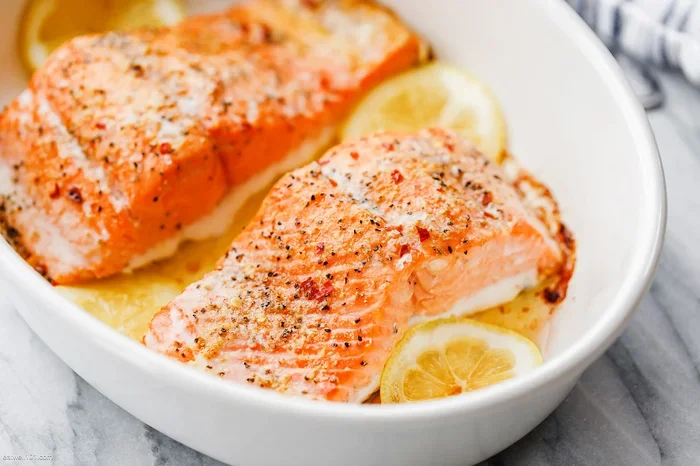
Knowing when samon is perfectly cooked takes a little practice, but there are clear signs to look for. The flesh should change from translucent to opaque pink throughout. When you gently press the top with a fork, it should flake apart easily but still feel moist.
The most reliable method is using a meat thermometer. Insert it into the thickest part of the fillet at an angle. When the reading hits 145°F, the samon is done. If you like your fish slightly less done, pull it at 135°F to 140°F. The carryover heat will bring it up to the safe temperature during resting.
Another visual cue is the color of the center. A perfectly baked fillet will have a slightly translucent pinkish center that becomes opaque as it rests. If the center looks completely white and dry, the fish has been in the oven too long.
Comparison Table: Baking Times For Different Samon Cuts
| Samon Cut | Thickness | Temperature | Baking Time | Internal Temp |
|---|---|---|---|---|
| Thin Fillet | Under 1/2 inch | 400°F | 8 to 10 minutes | 145°F |
| Standard Fillet | 1/2 to 1 inch | 400°F | 12 to 15 minutes | 145°F |
| Thick Fillet | Over 1 inch | 375°F to 400°F | 15 to 20 minutes | 145°F |
| Center-Cut Steak | 1 to 1.5 inches | 375°F | 18 to 22 minutes | 145°F |
| Whole Side | Varies | 400°F | 20 to 25 minutes | 145°F |
This table gives you a quick reference for how long to cook samon in oven based on the cut and thickness. Always use a thermometer for the most accurate results. The times above are guidelines and may vary based on your specific oven and the starting temperature of the fish.
Quick Tips For Oven-Baked Samon Success
- Preheat your oven before placing the fish inside for even cooking.
- Line your baking sheet with parchment or foil for easy cleanup.
- Dry the fish surface before seasoning for better browning.
- Do not over-season the samon. Let the natural flavor shine.
- Use a timer and check the fish a few minutes before the expected end time.
- Rest the fish after baking to let juices settle and redistribute.
- Invest in a good meat thermometer to take the guesswork out of cooking.
Final Thoughts On How Long To Cook Samon In Oven
Learning how long to cook samon in oven is one of the simplest kitchen skills you can develop. With the right temperature, timing, and a few basic tips, you can serve restaurant-quality baked samon at home any night of the week. The process is straightforward, the results are impressive, and the cleanup is minimal.
Remember the key points: bake at 400°F for 12 to 15 minutes for standard fillets, check the internal temperature at 145°F, and always let the fish rest before serving. Avoid common mistakes like starting with cold fish or overcooking. With a little practice, you will be able to whip up perfectly tender samon without even thinking about it.
The beauty of oven-baked samon is that it fits into any lifestyle. It is healthy, fast, and incredibly satisfying. Whether you are cooking for one or feeding a whole family, this method delivers consistent, delicious results every time. So preheat that oven, grab some fresh samon, and get cooking. Your taste buds will thank you.
Frequently Asked Questions
How long does it take to cook samon in the oven at 400 degrees?
A standard samon fillet at 400°F takes about 12 to 15 minutes. Thin fillets may be done in 8 to 10 minutes, while thicker cuts can take up to 20 minutes. Always use a meat thermometer to check for doneness at 145°F internal temperature.
What is the best temperature to bake samon in the oven?
400°F is the most recommended temperature for baking samon. It cooks the fish evenly, creates a light crust on the outside, and keeps the inside moist and tender. For thicker fillets, 375°F works well for a gentler, slower cook.
Should I cover samon with foil when baking it in the oven?
Covering samon with foil is optional. Foil traps steam and keeps the fish extra moist, which is great for thicker fillets. However, leaving the fish uncovered helps the skin crisp up and gives the surface a nicer texture. Try both methods and see which you prefer.
Can you overcook samon in the oven?
Yes, overcooking is the most common mistake when baking samon. The fish dries out quickly once it passes the ideal temperature. Pull the samon out when the internal temperature reaches 140°F to 142°F and let carryover cooking bring it up to 145°F during resting.
How do you know when samon is done in the oven?
The best way to tell is by using a meat thermometer. When the internal temperature hits 145°F, the samon is fully cooked. The flesh should be opaque pink and flake easily with a fork. The center should still look slightly moist, not chalky or dry.
Is it better to bake samon on parchment paper or foil?
Parchment paper is generally better for baking samon because it prevents sticking without adding any metallic flavor. Foil works well too and makes cleanup even easier. If you want crispy skin, parchment is the preferred choice since it allows better air circulation around the fish.
=== CONCLUSION ===
Cooking samon in the oven is easy, fast, and endlessly satisfying. With the right temperature of 400°F and a baking time of 12 to 15 minutes for most fillets, you can enjoy perfectly tender, juicy fish any night of the week. The key is to pay attention to thickness, start with room-temperature fish, and always use a meat thermometer to avoid overcooking.
Remember the simple steps: prep, season lightly, bake at the right temperature, and let the fish rest before serving. These small habits make a huge difference in the final result. Once you master this method, you will never go back to dry, overcooked fish again.
So the next time you are planning dinner, reach for some fresh samon and your oven. You now know exactly how long to cook samon in oven and how to get the best results every single time. Happy cooking!