How Long Do You Leave Dressing In The Oven For Turkey
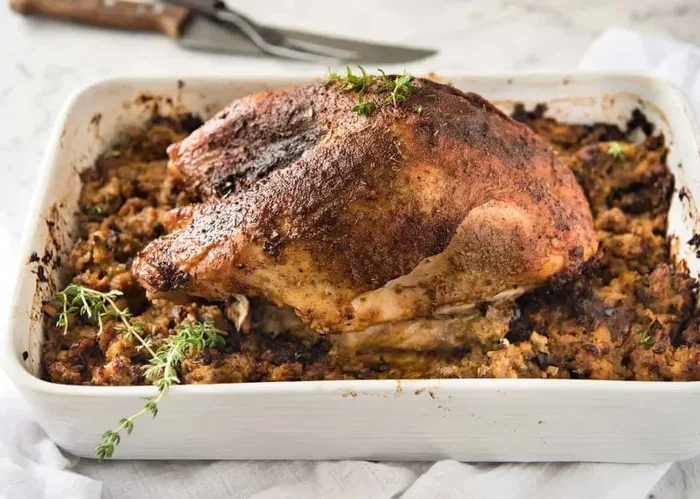
Baking dressing for turkey typically takes 30 to 45 minutes at 350°F, but the exact time depends on your recipe, pan size, and whether you cover it with foil. Homemade dressing needs about 35-40 minutes to reach a crispy top while staying moist inside. Always check that the internal temperature hits 165°F for safe, perfectly cooked dressing.
Thanksgiving dinner is all about the big star — the turkey — but let us be honest. The real MVP of the table might just be the dressing. That golden, savory, bread-based side dish sits right next to the bird and steals every bite. But here is the question every home cook asks: how long do you leave dressing in the oven for turkey?
The answer is not as simple as set a timer and walk away. Baking dressing for turkey depends on your recipe, the type of pan you use, and whether you like a soft, moist center or a crispy, golden top. In this guide, we walk you through everything you need to know. From oven-baked dressing timing to pro tips that take your side dish from good to amazing.
Whether you are a first-time Thanksgiving cook or a seasoned pro looking for a refresher, this article covers it all. We will break down the dressing baking time, share the best homemade dressing recipes, and answer the questions you did not even know you had. Let us get started.
Key Takeaways
- Standard Baking Time: Most dressing recipes bake for 30 to 45 minutes at 350°F.
- Cover With Foil: Use foil for the first half to keep moisture in, then remove it to crisp the top.
- Internal Temperature Matters: Always check that the center reaches 165°F for food safety.
- Pan Size Affects Timing: A deeper pan needs more time, while a wider, shallower dish bakes faster.
- Make Ahead and Reheat: You can prep dressing the night before and reheat it in the oven for 15-20 minutes.
- Resting Is Key: Let dressing sit for 5-10 minutes after baking for the best texture.
- Cornbread vs. Bread Base: Different bases change the baking time slightly.
📑 Table of Contents
- How Long Do You Leave Dressing In The Oven For Turkey
- Step-by-Step Guide to Baking Turkey Dressing
- Common Mistakes People Make When Baking Dressing
- How to Reheat Dressing in the Oven
- Dressing vs. Stuffing: What Is the Difference?
- Expert Tips for Perfect Dressing Every Time
- Comparison Table: Dressing Baking Times at a Glance
- Can You Freeze and Reheat Dressing?
- Why Dressing Is the Perfect Turkey Side Dish
- Final Thoughts
How Long Do You Leave Dressing In The Oven For Turkey
The short answer is 30 to 45 minutes at 350°F. But there is more to it than just a number. The baking time for dressing varies based on several factors. Let us look at what really matters.
Understanding Baking Time by Dressing Type
Not all dressing is created equal. The type of base you use changes how long it needs in the oven. Here is a quick look at common dressing types and their baking times:
- Cornbread Dressing: 30 to 40 minutes at 350°F. Cornbread absorbs liquid differently than regular bread, so it bakes a bit faster.
- White Bread Dressing: 35 to 45 minutes at 350°F. This classic base takes a little longer to heat through.
- Sourdough Dressing: 30 to 40 minutes at 350°F. The denser crumb needs careful monitoring.
- Stuffed Turkey (Internal Dressing): The dressing inside the turkey cavity needs the whole roasting time, typically 3 to 4 hours at 325°F.
Each type brings its own flavor and texture to the table. Cornbread dressing is a Southern favorite with a slightly sweet, crumbly texture. White bread dressing is the classic comfort food many families grew up with. And sourdough dressing adds a tangy twist that pairs beautifully with rich turkey gravy.
The Role of Pan Size and Depth
Here is something many people overlook: your baking dish matters. A deep, narrow casserole dish traps heat and moisture, which means your dressing needs more time. A wide, shallow baking pan exposes more surface area, so the dressing bakes faster and gets crispier on top.
As a rule of thumb:
- Shallow pan (2 inches deep): 25 to 35 minutes
- Standard pan (3 inches deep): 35 to 45 minutes
- Deep dish (4+ inches deep): 40 to 50 minutes
If you are using a new baking dish for the first time, keep an eye on it. Every oven is different, and even the same recipe can bake faster in one oven than another.
Step-by-Step Guide to Baking Turkey Dressing
Now that you know the timing, let us walk through the actual process. Baking oven-baked dressing is straightforward, but a few small steps make a big difference.
Step 1: Prepare Your Dressing Mix
Start with your homemade dressing recipe. Most dressing starts with cubed bread, sautéed onions and celery, broth, eggs, and seasonings. Mix everything gently. You want the bread to be moist but not soggy. Think of it like a wet sponge — you want it soft, not dripping.
Quick tip: let your bread cubes dry out for a few hours before mixing. This helps the dressing absorb broth evenly and bake up with a better texture.
Step 2: Transfer to a Baking Dish
Grease your oven-safe dish with butter or cooking spray. Spread the dressing mixture evenly. Press it down gently — you want a flat, even layer so it bakes consistently. Avoid packing it too tight; the dressing needs room to breathe and expand.
Step 3: Cover and Bake
Cover the dish with aluminum foil for the first 20 to 25 minutes. This traps steam and keeps the inside moist. After that, remove the foil to let the top brown and crisp up.
Set your oven to 350°F and bake for the time that matches your pan size and dressing type. Use a meat thermometer to check the internal temperature — you are aiming for 165°F in the center.
Step 4: Rest Before Serving
Take the dressing out of the oven and let it rest for 5 to 10 minutes. This allows it to set and makes it easier to serve in clean squares. Resting dressing is just as important as resting your turkey.
Common Mistakes People Make When Baking Dressing
Even experienced cooks slip up when it comes to baking dressing for turkey. Here are the most common mistakes and how to avoid them.
Mistake 1: Skipping the Foil Cover
Some people skip the foil entirely, hoping for a crispy top all the way through. The problem? The inside stays cold and gummy while the outside burns. Always cover the dish for the first half of baking. This creates gentle, even heat that cooks the dressing all the way through.
Mistake 2: Using Too Much or Too Little Broth
Broth is the life of your dressing. Too little, and it comes out dry and crumbly. Too much, and it turns into a soggy mess. Follow your recipe closely and add broth gradually. You can always add a little more, but you cannot take it back out.
Mistake 3: Opening the Oven Door Too Often
Every time you open the oven door, the temperature drops by 25 to 50 degrees. That might not sound like much, but it adds up. Resist the urge to peek. Trust your timer and only check once or twice near the end of baking.
Mistake 4: Ignoring the Internal Temperature
You cannot judge dressing doneness by color alone. The center might look done but still be undercooked. Always use a meat thermometer to confirm the internal temperature reaches 165°F. This is especially important if your dressing contains eggs, which are common in many recipes.
How to Reheat Dressing in the Oven
Did you make your dressing ahead of time? That is a smart move. Many cooks prepare dressing the night before and reheat it the next day. Reheating is different from the first bake, so here is what you need to know.
Reheating Time and Temperature
Preheat your oven to 325°F. Place the dressing in an oven-safe dish and cover it with foil. Heat for 15 to 20 minutes, then remove the foil for the last 5 minutes to crisp the top. Check that the internal temperature reaches 165°F before serving.
Quick Tip: Add a splash of broth before reheating. This brings back moisture that the dressing may have lost during storage. Stir it in gently, then proceed with the normal reheating steps.
Can You Reheat Dressing More Than Once?
Technically yes, but it is not recommended. Each reheating cycle dries out the dressing further and increases the risk of food safety issues. Reheat only what you plan to serve. Store leftovers in the fridge within two hours of cooking.
Dressing vs. Stuffing: What Is the Difference?
People use these words interchangeably, but there is a real difference. Stuffing goes inside the turkey cavity and cooks alongside the bird. Dressing is baked separately in a casserole dish or oven-safe pan. Both are delicious, but they have different baking times and food safety considerations.
Why Separate Baking Is Safer
When dressing bakes inside the turkey, it absorbs turkey juices and sits at a lower temperature for longer. This can create a breeding ground for bacteria if the turkey does not reach the right internal temperature. Baking dressing separately lets you control the temperature precisely and ensures it reaches 165°F safely.
Which One Tastes Better?
This is the age-old Thanksgiving debate. Stuffing absorbs all those wonderful turkey flavors, but it is harder to cook evenly. Oven-baked dressing gets a crispy top and a consistent texture throughout. Most food experts agree that baked dressing wins on texture and safety.
Expert Tips for Perfect Dressing Every Time
Want your dressing for turkey to be the talk of the table? These expert insights will help you nail it every single time.
Use Day-Old Bread
Fresh bread turns to mush when you add broth. Day-old or slightly stale bread absorbs liquid without falling apart. If your bread is too fresh, slice it and let it dry on the counter for a few hours, or toast it lightly in the oven.
Season in Layers
Do not just season the broth. Season the onions and celery as they cook. Add herbs like sage, thyme, and rosemary at multiple stages. Layering flavors creates a richer, more complex taste that stands out on its own — not just as a side dish.
Add Crunch with a Top Layer
For the best texture, sprinkle crushed crackers, toasted breadcrumbs, or chopped nuts on top during the last 10 minutes of baking. This creates a crispy golden crust that contrasts beautifully with the soft, savory inside.
Let It Rest
Just like your turkey, your dressing needs time to rest after coming out of the oven. Five to ten minutes of resting lets the flavors settle and the texture firm up. It also gives you time to whip up a quick gravy while it cools slightly.
Comparison Table: Dressing Baking Times at a Glance
Here is a quick reference table to help you plan your Thanksgiving cooking timeline.
| Dressing Type | Oven Temp | Baking Time | Cover With Foil? |
|---|---|---|---|
| Cornbread Dressing | 350°F | 30-40 min | First 15-20 min |
| White Bread Dressing | 350°F | 35-45 min | First 20-25 min |
| Sourdough Dressing | 350°F | 30-40 min | First 15-20 min |
| Stuffed Turkey (Internal) | 325°F | 3-4 hours (roast time) | N/A |
| Reheating Leftovers | 325°F | 15-20 min | First 10-15 min |
This table gives you a solid starting point. Remember that every oven is different, so use the internal temperature as your final guide. When the center hits 165°F, your dressing for turkey is ready.
Can You Freeze and Reheat Dressing?
Yes! Freezing homemade dressing is a great way to save time during the busy holiday season. Let the dressing cool completely after baking. Wrap it tightly in plastic wrap and aluminum foil, or place it in an airtight freezer-safe container.
To freeze: Cool completely, wrap well, label with the date, and freeze for up to 3 months.
To thaw and reheat: Move the dressing to the fridge the night before. Reheat in the oven at 325°F for 20 to 25 minutes, covered with foil for the first half. Uncover for the last few minutes to restore the crispy top.
Freezing does change the texture slightly. The bread may absorb more moisture over time, making the dressing a bit denser. Adding a little extra broth during reheating helps counteract this.
Why Dressing Is the Perfect Turkey Side Dish
Beyond the timing and technique, let us talk about why dressing for turkey deserves a permanent spot on your holiday table. It is more than just bread and broth.
Dressing is a canvas. You can customize it with your favorite herbs, add sausage or nuts for extra flavor, or keep it simple and classic. It brings people together. Families pass down dressing recipes from generation to generation, and each one carries a story.
From a practical standpoint, oven-baked dressing is forgiving. If you are new to cooking Thanksgiving dinner, dressing is one of the easiest sides to master. It does not require constant attention, and it tastes great whether it is slightly overcooked or a little underdone. That is not to say you should aim for less than perfect — but it means there is less pressure.
Dressing also pairs with everything. It soaks up gravy beautifully. It complements the savory richness of roasted turkey. And it works as a standalone dish that people reach for again and again. No wonder it is often the first side dish to disappear from the table.
Final Thoughts
So, how long do you leave dressing in the oven for turkey? The answer is 30 to 45 minutes at 350°F, with a foil cover for the first half and a crispy finish at the end. But the real secret is paying attention to your dressing internal temperature, using the right pan, and letting the flavors develop through proper prep.
Baking dressing for turkey does not have to be stressful. With the tips and guidelines in this article, you can confidently pull a perfectly baked, golden, and delicious side dish out of your oven. Your guests will rave, and you will feel like a Thanksgiving pro.
The next time you ask yourself how long to bake dressing for turkey, you will have the answer right at your fingertips. Plan your timing, trust your thermometer, and enjoy the process. Great dressing recipes come together with a little patience and a lot of love.
Now go make that dressing your best yet. Your turkey — and your guests — will thank you.
Frequently Asked Questions
Can you bake dressing at a higher temperature to save time?
You can raise the temperature to 375°F, but it increases the risk of burning the top before the inside is fully cooked. If you do increase the heat, keep a close eye on it and check the internal temperature often. 350°F remains the best balance of crispy top and moist center.
How do you know when dressing is done?
The best way to check is with a meat thermometer. Insert it into the center of the dressing and look for 165°F. The top should be golden brown and the edges should be pulling slightly away from the dish. If the top looks done but the center is still cold, cover it with foil and give it a few more minutes.
Should you bake dressing covered or uncovered?
Start covered with foil for the first 20 to 25 minutes. This traps steam and cooks the inside evenly. Then remove the foil for the remaining time to let the top brown and crisp up. This two-step method gives you the best of both worlds.
Can you put dressing in the oven while the turkey roasts?
Absolutely. Many cooks bake dressing on a lower oven rack while the turkey roasts on a higher rack. Just make sure the oven temperature works for both — typically 325°F for the turkey and 350°F for the dressing. You may need to adjust times slightly if both dishes share the oven space.
How long can leftover dressing sit out?
Follow the two-hour rule. Cooked dressing should not sit at room temperature for more than two hours. After that, bacteria can start to grow. Store leftovers in the fridge promptly and reheat to 165°F before serving again.
What is the best bread to use for homemade dressing?
This comes down to personal preference. White bread is the classic choice for a soft, mild flavor. Cornbread adds a Southern twist with a slightly sweet taste. Sourdough brings tang and a heartier texture. Whatever you choose, use day-old bread for the best results.
=== CONCLUSION ===
How long do you leave dressing in the oven for turkey? The answer is clear: 30 to 45 minutes at 350°F, with the right pan, the right amount of foil coverage, and an internal temperature of 165°F. Whether you are making a classic cornbread dressing, a traditional white bread dressing, or experimenting with sourdough, the principles remain the same.
Baking dressing for turkey is a skill anyone can master with a little practice. Cover it for the first half, uncover it to crisp the top, and always let it rest before serving. These small steps make a huge difference in the final result.
Now that you have all the tips, timing, and tricks, it is time to put them into action. Make your homemade dressing this Thanksgiving and watch it disappear from the table faster than you can say “pass the gravy.” Happy cooking!