How to Clean a Stubborn Oven With Baking Soda Easily
How Clean Oven With Baking Soda is an essential topic that provides valuable insights.
Your oven works hard for you every day. It bakes your favorite meals, roasts Sunday dinners, and keeps your family fed. But over time, all that cooking leaves behind a mess. Grease splatters. Burnt food residue. Sticky spots on the oven floor. And let us be honest, nobody looks forward to cleaning it.
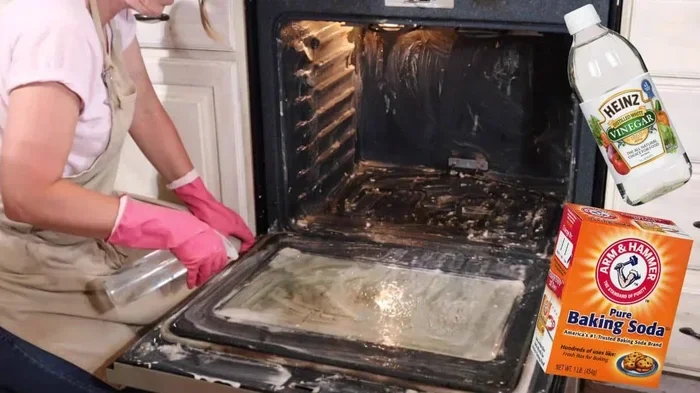
The good news is that you do not need expensive chemical sprays to get the job done. A box of baking soda and a few household items can transform your dirty oven into a spotless wonder. How to clean a stubborn oven with baking soda is a skill every home cook should have in their back pocket. It saves money, keeps your kitchen safer, and works surprisingly well on even the toughest baked-on grime.
In this guide, we will walk you through the entire process step by step. You will learn how to make the perfect cleaning paste, what tools to use, and how to tackle oven racks and glass doors too. By the end, you will feel confident and ready to give your oven the deep clean it deserves.
Key Takeaways
- Understanding How Clean Oven With Baking Soda: Provides essential knowledge
📑 Table of Contents
- Why Baking Soda Is the Best Oven Cleaner
- What You Need Before You Start
- Step-by-Step: How to Clean a Stubborn Oven With Baking Soda
- Cleaning Oven Racks and Glass Door Separately
- Comparison: Baking Soda vs Commercial Oven Cleaners
- Quick Tips for Maintaining a Clean Oven
- Common Mistakes People Make When Cleaning Their Oven
- How Often Should You Deep Clean Your Oven
- Conclusion
Why Baking Soda Is the Best Oven Cleaner
The Science Behind Baking Soda and Grease
Baking soda, also known as sodium bicarbonate, is a mild alkali. This means it naturally breaks down acidic substances like grease and food residue. When baking soda meets a greasy surface, it starts to dissolve the grime on a molecular level. It loosens the bond between the stuck-on food and the oven walls.
Unlike many commercial products, baking soda does not release toxic fumes. It is gentle on your hands, safe around food surfaces, and leaves behind no chemical smell. For anyone looking for a natural oven cleaner, baking soda is the gold standard.
Another big advantage is its mild abrasive texture. When mixed with water into a paste, baking soda can scrub away stains without scratching the enamel or interior coating of your oven. This makes it safe for almost every oven type, including standard and convection models.
Why It Beats Chemical Cleaners for Most Households
Commercial oven cleaners often contain strong solvents and lye. These chemicals can be effective, but they come with real downsides. The fumes are harsh and can irritate your lungs, eyes, and skin. You need to ventilate your kitchen thoroughly before using them. And residue from these chemicals can sometimes linger, which is a concern if you cook food right after cleaning.
Baking soda gives you a grease removal solution that is safe, affordable, and eco-friendly. It is something you likely already have in your kitchen pantry. There is no need to run to the store or wait for delivery. Plus, it works great as part of your regular oven maintenance tips routine.
What You Need Before You Start
Ingredients and Tools
Gathering your supplies before you begin makes the whole process smoother. Here is everything you will need:
- Baking soda — about half a cup for a standard oven
- White vinegar — one cup, for the final rinse and fizzing action
- Warm water — enough to make a spreadable paste
- A large mixing bowl — for preparing the paste
- A sponge or soft scrub brush — for scrubbing the interior
- A microfiber cloth — for wiping and drying
- Rubber gloves — to keep your hands clean and protected
- A spray bottle — for applying vinegar during the final step
- A plastic scraper or old spatula — for lifting stubborn spots
Everything on this list is affordable and easy to find. You probably have most of it already at home. The whole oven cleaning solution costs just a few dollars.
Safety Precautions
Even though baking soda is gentle, a few safety steps are still smart. Make sure your oven is completely cool before you start cleaning. Never use sharp metal tools like knives or steel wool inside the oven cavity. These can scratch and damage the interior surface. If you have a self-cleaning oven, avoid using the self-clean cycle right after applying baking soda, as the residue can create smoke. Always open a window or turn on your range hood for ventilation, even with natural cleaners.
Step-by-Step: How to Clean a Stubborn Oven With Baking Soda
Step 1 — Remove the Oven Racks
Start by pulling out all the oven racks. This gives you full access to the interior walls, floor, and ceiling of the oven. Cleaning the racks separately is much easier and ensures you do not miss any spots. Set the racks aside on a towel or in the bathtub for later cleaning.
Take a moment to look inside the oven. Note the worst areas of burnt food residue and grease buildup. This will help you focus your cleaning efforts where they are needed most.
Step 2 — Make the Baking Soda Paste
In your mixing bowl, combine about half a cup of baking soda with a few tablespoons of warm water. Stir it slowly until it forms a thick, spreadable paste. The consistency should be similar to toothpaste. If it is too runny, add more baking soda. If it is too thick, add a little more water.
This baking soda paste is the heart of your homemade oven cleaner. It is gentle enough to be safe but strong enough to tackle tough oven stains. You can adjust the amount based on the size of your oven. A larger oven may need a full cup of baking soda.
Step 3 — Apply the Paste to the Interior
Put on your rubber gloves. Using your hands or an old spatula, spread the baking soda paste all over the inside of the oven. Focus on the walls, the floor, and the ceiling. Avoid spreading paste on the heating elements at the top or bottom. Those should stay clean and dry.
Use your fingers or a cloth to work the paste into the worst stains. Press it firmly onto areas with heavy stubborn oven grease. The paste needs direct contact with the grime to break it down effectively. Do not worry if it looks like a lot of paste — that is exactly what you want.
Step 4 — Let It Sit Overnight
This is the secret step most people skip. Do not rush this part. Let the baking soda paste sit inside the oven for at least eight to twelve hours. Overnight is ideal. During this time, the paste will absorb the grease and loosen the burnt-on food.
The longer it sits, the easier your job will be the next day. This is one of the best oven cleaning hacks because it does all the hard work while you sleep. You wake up to a much easier cleanup.
Step 5 — Scrub and Wipe Away the Residue
The next morning, put on your gloves again. Use a damp sponge or soft scrub brush to wipe away the dried baking soda paste. You will notice the grime comes off much more easily than before. For areas that still have stuck-on residue, use the plastic scraper gently to lift the loosened grime.
Use warm water and rinse your sponge frequently. Work in small sections until the entire interior is clean. You should see a significant difference in the color and texture of the oven walls. Most oven interior cleaning is done at this stage.
Step 6 — The Vinegar Rinse and Final Wipe
Fill a spray bottle with white vinegar. Spray the entire interior of the oven lightly. The vinegar will react with any remaining baking soda and create a gentle fizzing action. This helps lift the last bits of residue and leaves the surface fresh and clean.
Wipe down the entire interior with a clean, damp microfiber cloth. Repeat until no baking soda or vinegar residue remains. Dry the oven with a separate dry cloth. Your oven interior should now look and smell clean and fresh.
Cleaning Oven Racks and Glass Door Separately
How to Clean Oven Racks in the Sink
Oven racks accumulate a lot of grease and food buildup over time. The best approach is to clean them separately in your sink or bathtub. Fill a sink or large basin with hot water. Add two tablespoons of baking soda and a splash of vinegar. Drop the racks in and let them soak for at least one to two hours.
After soaking, use a scrub brush or sponge to remove any remaining grime. The grease removal will be much easier after the soaking. Rinse the racks thoroughly with clean water and dry them completely before placing them back in the oven. This prevents any moisture from causing rust or affecting your next cooking session.
Tackling the Oven Door Glass
The glass door on your oven can become foggy and grimy over time. Food splatters and grease build up on both sides of the glass. For the inside of the door, apply the same baking soda paste you used on the oven interior. Spread it over the glass, let it sit for thirty minutes, and then wipe it clean with a damp cloth.
For the outside of the glass, a mixture of equal parts baking soda and water works well. Scrub gently with a soft cloth. If there are still tough stains, make a slightly thicker paste and let it sit a bit longer. Avoid using abrasive pads on glass, as they can create permanent scratches.
Comparison: Baking Soda vs Commercial Oven Cleaners
| Feature | Baking Soda | Commercial Cleaners |
|---|---|---|
| Cost | Very low — under a dollar per use | Moderate to high — five to fifteen dollars per can |
| Chemicals | None — completely natural | Contains lye, solvents, and strong agents |
| Safety | Safe for home use with minimal precautions | Requires gloves, ventilation, and careful handling |
| Effectiveness | Great for moderate to heavy grime | Strong on heavy buildup but harsher |
| Eco-Friendly | Yes — biodegradable and non-toxic | No — contains chemicals harmful to the environment |
| Ease of Use | Very easy — just mix and apply | Easy but requires careful application and rinsing |
| Odor | No odor — smells neutral | Strong chemical fumes that linger |
As you can see from the table, baking soda wins in nearly every category for everyday household use. Commercial cleaners have their place for extreme cases, but for regular oven cleaning and maintenance, baking soda is the smarter choice.
Quick Tips for Maintaining a Clean Oven
- Clean spills immediately. Wipe up any food drips or grease splatters as soon as the oven cools down. This prevents stubborn oven grease from building up over time.
- Use a baking sheet underneath. Placing a foil-lined baking sheet on the lower rack catches drips and makes cleanup a breeze.
- Do a light cleaning monthly. A quick wipe-down with a damp cloth and a little baking soda keeps your oven fresh between deep cleans.
- Keep your oven smelling fresh. After cleaning, place a small bowl of lemon juice in the oven and heat it at a low temperature for ten minutes. This eliminates any lingering oven odor removal issues.
- Replace oven racks when needed. If your racks are heavily warped or rusted, it may be time for replacements. Clean racks help your oven heat more evenly.
Common Mistakes People Make When Cleaning Their Oven
- Using steel wool or metal scrapers. These can permanently scratch and damage the oven interior. Always stick to soft sponges, brushes, or plastic scrapers.
- Skipping the overnight soak. Rushing the process means the baking soda does not have enough time to break down the grease. Patience is key.
- Using too much water. Excess water can drip into the oven’s heating elements or electrical components. Keep your sponge damp, not dripping wet.
- Forgetting to clean the racks. Dirty racks put grime right back into the oven once you start cooking again. Always clean them separately.
- Not rinsing thoroughly. Leftover baking soda residue can affect the taste of your food and create white spots on the oven interior. Always do a final rinse.
- Using vinegar before baking soda. The order matters. Apply baking soda first, then use vinegar for the final fizz rinse. Reversing the process reduces effectiveness.
How Often Should You Deep Clean Your Oven
Most home cooks benefit from a deep oven cleaning every three to four months. If you use your oven frequently or cook a lot of greasy or saucy dishes, you may want to clean it more often. A good rule of thumb is to do a light wipe-down after every few uses and a full baking soda oven cleaner treatment once per season.
Regular cleaning makes each session faster and easier. When you stay on top of oven maintenance tips, you never have to face a massively dirty oven again. It becomes a quick and painless routine rather than a dreaded weekend chore.
Conclusion
How to clean a stubborn oven with baking soda is simpler than most people think. With just a few household ingredients and a little patience, you can restore your oven to a like-new condition. Baking soda offers a safe, affordable, and eco-friendly alternative to harsh chemical cleaners. It works on grease, burnt food residue, and tough stains without putting your health or your kitchen at risk.
Remember the key steps: make a thick paste, apply it generously, let it sit overnight, scrub gently, and finish with a vinegar rinse. Clean your racks separately, tackle the glass door with care, and maintain a regular cleaning schedule. These habits will keep your oven performing at its best for years to come.
Now that you know the secrets of oven cleaning with baking soda, there is no reason to wait. Gather your supplies, set aside an afternoon, and give your oven the deep clean it deserves. Your kitchen — and your next meal — will taste better for it.
Frequently Asked Questions
Can I use baking soda on a self-cleaning oven?
Yes, you can use baking soda on a self-cleaning oven, but avoid the self-clean cycle right after application. The baking soda residue can create smoke when heated to high temperatures. Always clean manually with baking soda and rinse thoroughly before running the self-clean cycle.
How long should I leave the baking soda paste in the oven?
For best results, leave the baking soda paste in the oven for at least eight to twelve hours. Overnight is ideal. The longer it sits, the more the paste absorbs grease and loosens burnt-on food. This makes the scrubbing step much easier and more effective.
Is it safe to use baking soda and vinegar together in the oven?
Yes, it is safe and actually very effective. The vinegar reacts with the baking soda to create a fizzing action that helps lift residue. However, apply the baking soda paste first and let it sit, then use vinegar only during the final rinse step for the best results.
Will baking soda scratch my oven interior?
No, baking soda is a mild abrasive and is gentle enough not to scratch most oven interiors. Just make sure to use a soft sponge or cloth rather than a rough scrub pad. Avoid using metal tools or steel wool, as those can cause scratches.
How do I get rid of the baking soda smell after cleaning?
Baking soda has very little odor on its own. If you notice any smell, simply wipe the interior with a damp cloth soaked in a mix of water and white vinegar. Then dry the oven thoroughly. The vinegar smell dissipates quickly and leaves the oven fresh.
Can I clean oven racks in the dishwasher instead of by hand?
Yes, you can place oven racks in the dishwasher for a convenient cleaning option. However, for heavily soiled racks, soaking them in a baking soda and vinegar solution first gives better results. The dishwasher alone may not remove all the baked-on grease and food residue.