Can You Use Wax Paper In Toaster Oven Without Burning
Using wax paper in a toaster oven can be tricky. Wax paper has a low melting point, which means it can burn or catch fire at high temperatures. This guide explains can you use wax paper in toaster oven safely, when it works, and what to avoid. You will learn the difference between wax paper and parchment paper, plus the best alternatives for a clean, safe cooking experience.
You are in the middle of prepping a quick snack. The toaster oven is preheating. And you are wondering whether that roll of wax paper sitting on the counter can go right in there. It is a simple question. But the answer is not as straightforward as you might think. Can you use wax paper in a toaster oven without causing a mess or a fire? Let us find out together.
Wax paper is a kitchen staple. Many of us use it to wrap sandwiches, line pans, or keep counters clean. It is cheap, handy, and does a decent job. But when heat gets involved, things change fast. The wax coating on wax paper is not designed to handle high temperatures. That is the core issue. And understanding why matters a lot for your kitchen safety.
In this guide, we will walk through everything you need to know. We will cover what wax paper is made of, when it is safe to use it, and what happens when heat meets wax. You will also learn about the best alternatives for lining your toaster oven. By the end, you will feel confident about making the right choice every time. No more guessing. No more kitchen worries.
Key Takeaways
- Wax paper melts easily: The wax coating can melt or ignite at toaster oven temperatures above 200°F.
- Low-heat tasks only: Wax paper is safe only for cold or room-temperature food prep, not for direct heat.
- Parchment paper is a better swap: It handles high heat and works great inside a toaster oven.
- Never let wax paper touch heating elements: Direct contact with the top or bottom heating element can cause a fire.
- Check your toaster oven model: Some compact ovens have limited space that increases the risk of paper contact with elements.
- Silicone mats and aluminum foil are safe alternatives: They give you a non-stick surface without the burn risk.
- Always supervise your toaster oven: Never leave it unattended when using any paper lining.
📑 Table of Contents
- What Is Wax Paper and How Does It Work?
- Can You Put Wax Paper in a Toaster Oven?
- Wax Paper vs Parchment Paper: What Is the Difference?
- When Is Wax Paper Safe to Use?
- Common Mistakes People Make with Wax Paper
- Best Alternatives for Toaster Oven Lining
- Kitchen Safety Tips for Toaster Oven Use
- Key Takeaways
- Conclusion
What Is Wax Paper and How Does It Work?
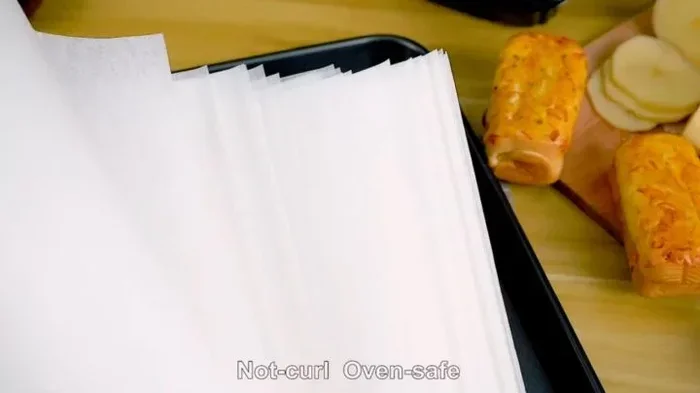
Wax paper is a thin paper coated with a layer of wax. The wax makes it moisture-resistant and non-stick. People love it for food wrapping, counter lining, and light food prep tasks. It comes in rolls and sheets. You can find it in almost any kitchen drawer.
The wax used on wax paper is usually paraffin or soybean-based. This coating gives the paper its smooth, shiny feel. It also prevents food from sticking. But here is the catch. Wax has a low melting point. Most wax coatings start to soften around 100°F to 170°F. That is far below the typical baking temperature inside a toaster oven.
How Wax Paper Is Made
Manufacturers take standard paper and run it through a wax bath. The wax seeps into the fibers and coats the surface. This process creates a barrier that resists grease and moisture. It works great for wrapping cheese or lining a countertop when rolling out dough.
But the wax layer is not bonded to the paper in a way that makes it heat-proof. When exposed to direct heat, the wax melts. At higher temperatures, it can smoke or even ignite. This is the main reason wax paper and direct heat do not mix well.
Common Uses for Wax Paper
Wax paper shines in cold or room-temperature tasks. Here are some common uses:
- Wrapping sandwiches or snacks for lunch boxes
- Lining countertops when chopping or rolling dough
- Covering baked goods to keep them from sticking in the fridge
- Separating layers of cookies during storage
- Wrapping cheese to prevent it from drying out
Notice that none of these tasks involve direct heat. That is the key takeaway. Wax paper is great for food prep. But it is not a heat tool.
Can You Put Wax Paper in a Toaster Oven?
The short answer is no. You should not put wax paper directly in a toaster oven. Can you use wax paper in toaster oven settings? Not safely. The temperatures inside a toaster oven easily exceed the melting point of wax. Most toaster ovens operate between 250°F and 500°F. That range is far too hot for wax paper to handle.
What Happens When Wax Paper Gets Hot?
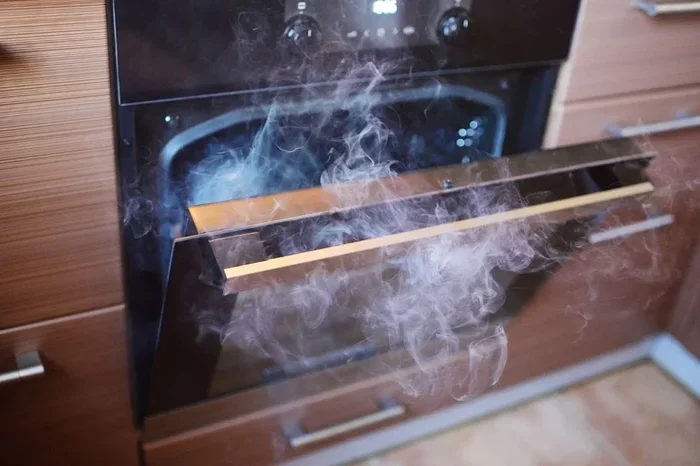
When wax paper is exposed to heat, the wax coating begins to melt. At first, you might notice the paper looking shiny or greasy. Then the wax starts to pool. If the temperature keeps rising, the paper itself can scorch or catch fire. This is a real fire hazard in a small, enclosed space like a toaster oven.
Here is what can go wrong:
- The wax melts onto your food, making it taste waxy or chemical
- The paper turns brown and smokes, leaving a bad odor
- The paper can ignite if it touches a heating element
- Melted wax can drip onto the oven floor and cause smoke
- Fire risk increases in compact toaster ovens with limited air flow
Even if your toaster oven is set to a low temperature, the heating elements can create hot spots. These spots can reach temperatures well above what wax paper can handle. So even a short cooking time is risky.
Why People Still Try It
Some people use wax paper in a toaster oven because they think it is the same as parchment paper. Others use it to line a pan and hope the food cooks fast enough to avoid burning. These shortcuts can lead to kitchen accidents. It is not worth the risk. Always choose a heat-safe option instead.
Wax Paper vs Parchment Paper: What Is the Difference?
This is one of the most common kitchen confusions. People use the two terms interchangeably. But wax paper and parchment paper are very different. Understanding the difference can save you from a kitchen disaster.
What Is Parchment Paper?
Parchment paper is treated with sulfuric acid or zinc chloride. This process gives it a non-stick surface and makes it heat-resistant. Most parchment paper can handle temperatures up to 450°F. That makes it perfect for use in a toaster oven.
Parchment paper is the go-to choice for baking. You can line a toaster oven tray with it. You can wrap food in it for indirect heat cooking. It is safe and reliable.
Side-by-Side Comparison
Here is a quick look at how the two papers compare:
- Wax paper: Coated with wax. Not heat-resistant. Melts at low temperatures. Best for cold food prep.
- Parchment paper: Treated for heat resistance. Safe up to 450°F. Works great in toaster ovens and regular ovens.
- Wax paper: Non-stick surface, but only because of the wax. The wax melts when heated.
- Parchment paper: Non-stick surface from the treatment process. Stays stable at high heat.
- Wax paper: Can smoke, melt, or catch fire in a toaster oven.
- Parchment paper: Safe to use directly on oven trays and pans.
The bottom line is clear. If you need paper for your toaster oven, always reach for parchment paper. Never substitute wax paper.
When Is Wax Paper Safe to Use?
Wax paper is not completely useless in the kitchen. It has its place. You just need to know when and how to use it safely. Can you use wax paper in toaster oven for any task? Only if it stays completely away from direct heat. Here is how to use it safely.
Safe Ways to Use Wax Paper
Wax paper works well for tasks that do not involve heat. Here are some safe uses:
- Lining a countertop when assembling sandwiches or snacks
- Wrapping food for storage in the refrigerator
- Placing between layers of cookies or brownies in a storage container
- Covering a cutting board for easy cleanup
- Wrapping cold or room-temperature foods for transport
In all of these cases, the wax paper stays at room temperature. There is no direct heat involved. That is what makes these uses safe.
When Wax Paper Meets Toaster Oven Heat
Even indirect heat can be a problem. If you place wax paper on a tray and then put the tray in a hot toaster oven, the wax will melt. The paper may not ignite immediately. But it will warp, smoke, and leave a mess. Over time, this can stain your toaster oven and affect the taste of your food.
If you accidentally leave wax paper in a toaster oven, remove it as soon as you notice it. Let the oven cool completely before cleaning. Do not try to wipe melted wax while the oven is still warm. Wait until everything is cool to the touch.
Common Mistakes People Make with Wax Paper
Kitchen mistakes happen to everyone. But some mistakes with wax paper can be dangerous. Here are the most common ones and how to avoid them.
Mistake 1: Confusing Wax Paper with Parchment Paper
This is the number one mistake. The two papers look similar. Both are thin and white. But they behave very differently in heat. Always check the label before using any paper in your toaster oven. If it says wax paper, keep it away from heat.
Mistake 2: Using Wax Paper on a Hot Pan
Some people line a hot pan with wax paper to prevent sticking. This is a bad idea. The pan heats the wax quickly. The paper will melt and may stick to your food. Use parchment paper or a silicone mat instead.
Mistake 3: Overlapping Wax Paper in a Small Toaster Oven
In a compact toaster oven, space is limited. If you use too much wax paper, it can touch the heating elements. Even a small overlap or crease can cause the paper to scorch. Keep all paper at least a few inches away from the top and bottom elements.
Mistake 4: Reusing Wax Paper That Has Been Heated
If wax paper has been exposed to heat, do not reuse it. The wax coating is already damaged. It will not perform the same way. Discard it and use a fresh sheet.
Best Alternatives for Toaster Oven Lining
If wax paper is not safe for your toaster oven, what should you use instead? Fortunately, there are several great options. Each one has its own benefits.
1. Parchment Paper
Parchment paper is the best overall alternative. It is heat-resistant, non-stick, and widely available. You can cut it to fit your toaster oven tray. It works beautifully for baking cookies, reheating pizza, and roasting vegetables.
2. Silicone Baking Mats
Silicone mats are reusable and eco-friendly. They can handle temperatures up to 500°F. You can place them directly on the toaster oven tray. They provide a non-stick surface without any paper at all. Over time, they save money because you do not keep buying disposable liners.
3. Aluminum Foil
Aluminum foil is another safe option. It reflects heat and makes cleanup easy. You can line the bottom of your toaster oven tray with foil. Just be careful not to cover the air vents. Blocking airflow can affect cooking performance and create a safety risk.
4. Plain Baking Sheet
Sometimes the simplest option is the best. A plain, unlined baking sheet works great for many toaster oven tasks. Cookies may stick slightly more, but a light spray of cooking oil solves that problem easily.
Which Alternative Is Right for You?
Here is a quick guide to help you choose:
- For baking cookies: Parchment paper or silicone mat
- For reheating leftovers: Parchment paper or plain tray
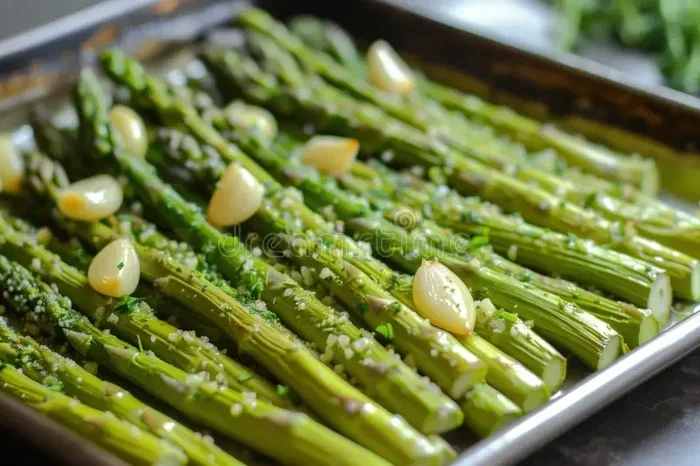
- For roasting vegetables: Parchment paper or aluminum foil
- For easy cleanup: Aluminum foil or silicone mat
- For eco-friendly cooking: Silicone mat (reusable)
Each alternative has its strengths. Pick the one that fits your cooking style and needs.
Kitchen Safety Tips for Toaster Oven Use
Safety should always come first in the kitchen. Using the right materials is a big part of staying safe. Here are some tips to keep in mind.
Always Check the Manufacturer Guidelines
Your toaster oven manual will have specific guidance on what materials are safe to use. Some manufacturers explicitly warn against using any type of paper. Read the manual before trying anything new.
Keep Paper Away from Heating Elements
In a toaster oven, the heating elements are close to the food. This is by design. But it also means paper can easily touch them. Always position paper liners in the center of the tray, away from the edges where elements are located.
Never Leave a Toaster Oven Unattended
This is especially important when using any kind of liner. Even parchment paper can cause problems if it shifts during cooking. Stay nearby and keep an eye on your food.
Keep a Fire Extinguisher Handy
Every kitchen should have one. In the rare case of a paper fire, you will be glad it is within reach. Never use water on a grease or paper fire. Use a Class B or Class K fire extinguisher instead.
Clean Your Toaster Oven Regularly
Wax residue or grease buildup can become a fire risk over time. Clean your toaster oven after every few uses. Wipe down the interior with a damp cloth. Remove any crumbs or debris from the tray and bottom of the oven.
Key Takeaways
- Wax paper is not heat-safe: The wax coating melts at low temperatures and can ignite in a toaster oven.
- Use parchment paper instead: It handles high heat and is a safe, reliable alternative for lining trays.
- Keep wax paper for cold tasks only: Wrapping, storing, and counter lining are its best uses.
- Never let wax paper touch heating elements: This creates a serious fire hazard in any oven.
- Silicone mats and foil are great alternatives: They are reusable, safe, and work well in toaster ovens.
- Always read your toaster oven manual: Follow manufacturer guidelines for safe material use.
- Stay attentive while cooking: Never leave a toaster oven running unattended, especially when using any liner.
Conclusion
So, can you use wax paper in a toaster oven? The answer is a clear no for direct heat. Wax paper is designed for cold and room-temperature tasks. Its wax coating cannot handle the heat inside a toaster oven. Using it at high temperatures creates a real risk of melting, smoking, and even fire.
The good news is you have plenty of safe alternatives. Parchment paper, silicone mats, aluminum foil, and plain baking sheets all work great in a toaster oven. They give you the non-stick surface you want without the danger.
Understanding the difference between wax paper and parchment paper is one of the simplest kitchen upgrades you can make. Once you know which paper to use and when, your cooking becomes safer and more enjoyable. Share this knowledge with friends and family. A little awareness goes a long way toward preventing kitchen accidents.
Next time you reach for that roll of wax paper, think about the task at hand. If heat is involved, choose a different option. Your toaster oven, your food, and your safety will all thank you. Happy cooking!
Frequently Asked Questions
What happens if you put wax paper in a toaster oven?
The wax coating will melt at high temperatures. The paper can smoke, warp, and in some cases catch fire. Melted wax can also drip onto food and make it taste bad. Always avoid putting wax paper in a toaster oven.
Can wax paper be used for baking in a toaster oven?
No. Wax paper is not designed for baking. Use parchment paper instead. Parchment paper is heat-resistant and safe for temperatures up to 450°F, making it ideal for toaster oven baking tasks.
Is there a safe temperature for wax paper?
Wax paper is safe only at room temperature or below. Once exposed to heat above 200°F, the wax begins to melt. There is no safe temperature for using wax paper in a toaster oven or any direct-heat cooking scenario.
What is the best paper to line a toaster oven tray?
Parchment paper is the best option. It is heat-resistant, non-stick, and widely available. Silicone baking mats are another excellent reusable alternative that works well in toaster ovens.
Can wax paper catch fire in a toaster oven?
Yes. If wax paper touches a heating element or is exposed to high heat for too long, it can ignite. This is a serious fire hazard. Always keep paper products away from the heating elements in your toaster oven.
How do I clean melted wax from a toaster oven?
Let the oven cool completely first. Then gently scrape off any hardened wax with a plastic spatula. Wipe the interior with a damp cloth. Avoid using sharp objects that could damage the oven surface. For stubborn residue, warm the area with a damp cloth to soften the wax before wiping.