Can You Blend Coffee In A Blender And Get Great Results
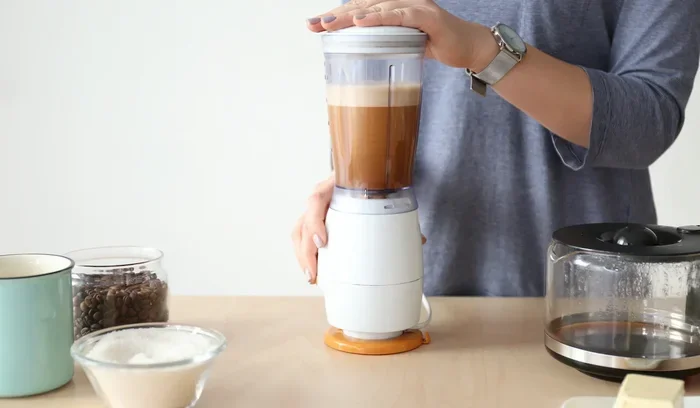
Yes, you can blend coffee in a blender and get fantastic results if you know the right technique. A regular kitchen blender works surprisingly well for grinding coffee beans, making fresh grounds for espresso, cold brew, or your morning cup. This guide covers everything from choosing the right beans to avoiding common mistakes that ruin your blend.
So you want to know can you blend coffee in a blender and still get great results? The short answer is absolutely yes. Whether you are tired of buying pre-ground coffee or just want to save money, blending your own coffee beans at home is easier than you think. A standard kitchen blender can turn whole beans into fresh grounds in seconds. You do not need an expensive coffee grinder to enjoy a rich, flavorful cup.
Many people assume that only a dedicated coffee grinder can do the job. But the truth is, a blender works just as well for most coffee lovers. The key is understanding how your blender handles beans, what settings to use, and how to avoid common pitfalls. This article walks you through everything you need to know about blend coffee using your trusty kitchen blender. From whole beans to the perfect coffee consistency, we have you covered.
If you have ever wondered whether your blender can replace a coffee grinder vs blender setup, this guide is for you. We will explore the science behind grinding, share practical tips, and help you get the best possible coffee flavor from your blender. Let us dive in.
Key Takeaways
- A blender can grind coffee effectively: Most standard blenders handle coffee beans well with the right method.
- Blade texture matters: A blender creates a slightly uneven grind compared to a burr grinder, but it still produces great results.
- Pulse mode is your best friend: Short bursts prevent overheating and give you control over the grind size.
- Not all coffee beans are equal: Dark roast, medium roast, and flavored beans each respond differently to blending.
- Clean your blender after every use: Coffee oils build up and can affect the taste of your next blend.
- Freshly blended coffee tastes better: Grind only what you need for the freshest flavor possible.
📑 Table of Contents
What Happens When You Blend Coffee In A Blender
When you put coffee beans into a blender, the sharp blades spin at high speed and break the beans apart. This process creates fresh ground coffee that you can use right away. The speed and power of your blender determine how fine or coarse the coffee texture will be.
How Blender Blades Break Down Coffee Beans
Most blenders use spinning blades at the bottom of the jar. These blades chop and crush the beans as they bounce around. The result is a fine grind that works well for drip coffee, pour-over, and even espresso. Unlike a burr grinder that crushes beans between two surfaces, a blender uses a chopping motion. This means the grind size can be a bit uneven.
Some chunks may be finer while others remain slightly larger. This is totally normal. For most home brewing methods, this variation does not really matter. The coffee grounds will still extract flavor beautifully. If you want a more uniform grind, you can use the pulse technique, which we will cover later.
The Role Of Blender Motor Power
The motor power of your kitchen blender plays a big role in how well it grinds coffee. A blender with 500 watts or more handles beans easily. Lower-powered blenders may struggle with hard beans or take longer to reach a fine coffee powder. If your blender has variable speed settings, use them to control the grinding process better.
High-powered blenders like Vitamix or Blendtec can grind coffee almost as well as a dedicated grinder. Even a basic budget blender can produce decent grounds for everyday brewing. The important thing is to not overwork the motor. Blending coffee beans generates heat, and too much heat can affect the coffee flavor.
Blender Vs Coffee Grinder: Which Is Better
Many coffee lovers ask whether a blender can truly replace a coffee grinder. The answer depends on what you value most. A blender offers convenience because most people already own one. A coffee grinder, especially a burr grinder, gives you more control over grind size.
Comparing Grind Consistency
A burr grinder produces a very even coffee consistency across all grounds. This consistency helps with even extraction during brewing. A blender, on the other hand, creates a mix of fine and coarse particles. Some pieces will be powder-fine while others are chunkier.
For most brewing methods, this difference is barely noticeable. But if you are making espresso, consistency matters more. Espresso requires a very fine and even fine grind for the best results. You can still make espresso with blended grounds, but the texture may not be as uniform as what a burr grinder produces.
Cost And Convenience Factor
Cost is a big advantage of using a blender. You already own it, so there is no extra purchase. A good burr grinder can cost anywhere from 50 to 300 dollars. A blender that doubles as a coffee grinder saves you money and counter space.
Convenience also favors the blender. You can blend a small batch of beans in under a minute. Cleanup is simple too. Just rinse the jar and blades, and you are done. For quick morning coffee brewing, the blender wins on speed and ease.
When A Coffee Grinder Makes More Sense
There are times when a dedicated grinder is the better choice. If you drink multiple cups every day, a grinder saves you time. You can grind beans in larger batches more consistently. If you are very particular about coffee texture and extraction, a burr grinder gives you the precision you need.
That said, for casual coffee drinkers or those who only brew a cup or two, a blender works perfectly fine. Do not let the lack of a grinder stop you from enjoying fresh ground coffee at home.
How To Blend Coffee Beans In A Blender
Now that you know a blender can handle the job, let us talk about the actual process. Blending coffee beans the right way ensures the best coffee flavor and prevents damage to your blender.
Step-By-Step Guide To Blending Coffee
Follow these simple steps to blend your own coffee grounds at home:
- Measure your beans. Start with a small batch. Two to four tablespoons of whole beans is perfect for one or two cups of coffee.
- Add beans to the blender. Place the beans into the blender jar. Do not overfill. Leave some room for the beans to move around.
- Secure the lid tightly. Coffee beans can fly out if the lid is not on properly. Make sure it clicks into place.
- Use pulse mode. Pulse the blender in short bursts of three to five seconds. This gives you control and prevents overheating.
- Check the grind. After a few pulses, remove the lid and check the texture. Keep pulsing until you reach your desired coffee consistency.
- Remove and brew. Pour the grounds into your filter or brewing device and make your coffee right away.
Pulse Technique For Best Results
The pulse technique is the most important tip for blending coffee in a blender. Instead of running the blender continuously, use short bursts. This keeps the coffee grounds from overheating. Heat can burn the natural oils in coffee beans, which ruins the flavor.
Pulse for three seconds, pause for two seconds, and repeat. After about 10 to 15 pulses, check the texture. Most batches of two tablespoons will be ready in under 30 seconds. The goal is a fine grind that looks similar to store-bought ground coffee.
How Much Coffee Can You Blend At Once
Do not overfill your blender when grinding coffee. A good rule of thumb is to never fill the jar more than halfway. Overloading the blender strains the motor and produces uneven grounds. For larger batches, blend in multiple small rounds instead of one big one.
If you need to grind a full cup of beans, do it in two or three batches. This ensures every bean gets properly crushed and gives you a consistent coffee powder throughout. Patience here pays off with better-tasting coffee.
Best Types Of Coffee For Blending
Not all coffee beans respond the same way to blending. Some beans grind easily, while others need more power. Knowing which beans work best helps you get the most out of your blender.
Dark Roast Beans
Dark roast beans are the easiest to blend. They are more brittle than lighter roasts, which means they break down quickly. You can achieve a fine grind in fewer pulses. Dark roast also has a bold, rich coffee flavor that many people love for espresso and French press.
If you are new to blending coffee, start with dark roast beans. They are forgiving and produce great results even with basic blenders.
Medium Roast Beans
Medium roast beans strike a balance between flavor and grindability. They are slightly denser than dark roasts but still blend well. Medium roast works great for drip coffee, cold brew, and pour-over methods.
The coffee texture from medium roast beans may be slightly more varied than dark roast. Use a few extra pulses to get a more uniform coffee consistency. The flavor profile is smoother and less intense than dark roast, which many casual coffee drinkers prefer.
Light Roast Beans
Light roast beans are the hardest to blend. They are denser and more resilient, which means they need more pulses and more motor power. If you have a lower-powered blender, light roast beans might not grind as finely as you would like.
That said, the effort is worth it. Light roast beans preserve more of the original coffee flavor notes, including fruity and floral hints. If you have a strong blender with at least 600 watts, you can blend light roast beans successfully.
Flavored Coffee Beans
Flavored coffee beans can also be blended, but there is a catch. The flavoring oils can coat the inside of your blender jar. This residue can affect the taste of your next blend if you do not clean the blender thoroughly. Always wash your blender right after blending flavored beans.
Also, flavored beans sometimes have a slightly oily surface, which can make the grinding process a bit messier. Use a little extra care when cleaning, and your blender will stay in great shape.
Tips For Getting The Perfect Grind
Getting the perfect coffee consistency from a blender takes a little practice. These tips will help you improve your results every time you blend.
Use Room Temperature Beans
Always use beans that are at room temperature. Cold beans from the fridge are more brittle and can shatter unevenly. Room temperature beans grind more consistently and produce a better coffee texture. Take your beans out about 15 minutes before blending.
Do Not Overheat The Beans
Heat is the enemy of great coffee flavor. When you blend beans continuously, the friction generates heat. This can scorch the beans and create a burnt, bitter taste. Always use the pulse method and give the blender breaks between bursts.
If you touch the blender jar during grinding and it feels warm, stop and let it cool down for a minute. Your coffee grounds will taste much better if you keep the temperature low.
Experiment With Grind Size
Different brewing methods need different grind sizes. Here is a quick guide to help you choose:
- Coarse grind: Best for French press and cold brew. Use fewer pulses and stop while there are still some larger pieces.
- Medium grind: Great for drip coffee makers and pour-over. Pulse for about 15 to 20 seconds.
- Fine grind: Ideal for espresso and moka pots. Pulse longer and check frequently until the texture resembles table salt.
Experimenting with grind size is one of the most fun parts of blending coffee at home. You can adjust the coffee powder texture to match exactly how you like your brew.
Clean Your Blender Regularly
Coffee oils build up inside the blender jar and on the blades over time. These oils go rancid and can taint the taste of your next batch. Rinse the jar and blades with warm soapy water after every use. For a deeper clean, blend a mixture of warm water and a drop of dish soap for 10 seconds.
Keeping your blender clean ensures that every cup of fresh ground coffee tastes as good as the first one. It also extends the life of your blender significantly.
Common Mistakes To Avoid When Blending Coffee
Even though blending coffee in a blender is simple, there are a few mistakes that can ruin your results. Avoid these common errors to get the best coffee flavor every time.
Grinding Too Much At Once
The biggest mistake people make is overfilling the blender. Too many beans at once strain the motor and create an uneven coffee consistency. Stick to small batches and blend in multiple rounds if needed.
Running The Blender Continuously
Never run the blender without stopping. Continuous blending overheats the beans and the motor. Always use the pulse method and give the machine time to cool down between batches. This one habit alone will dramatically improve your blend coffee results.
Ignoring Bean Freshness
The quality of your coffee beans directly affects the taste of the final grind. Old, stale beans produce flat and boring coffee. Always use fresh, high-quality beans for the best results. If you buy beans in bulk, store them in an airtight container away from sunlight.
Skipping The Cleanup
Some people blend coffee and then leave the blender dirty until later. This is a bad habit. Coffee oils harden quickly and become harder to clean over time. Rinse your blender immediately after grinding to keep it in top condition.
Using The Wrong Type Of Beans
Very oily beans or beans that have been roasted extremely dark can create a mess inside the blender. The excess oil can clog the blades and make grinding harder. Stick to standard roasts and avoid super-oily beans for the smoothest blending experience.
Final Thoughts On Blending Coffee In A Blender
Can you blend coffee in a blender and get great results? Absolutely. A blender is a versatile tool that handles coffee grinding with ease. You do not need a fancy coffee grinder to enjoy fresh, flavorful coffee at home. With the right technique, a little practice, and quality beans, your blender can produce coffee grounds that rival any pre-ground bag from the store.
The key takeaways are simple. Use the pulse method, keep batches small, and avoid overheating the beans. Choose beans that match your taste preferences, and always clean your blender after use. These small habits make a huge difference in the coffee flavor you get in your cup.
Whether you are making a quick morning espresso, a refreshing cold brew, or a standard drip cup, blending your own coffee gives you control over every step of the process. You know exactly what goes into your coffee brewing, and that is a satisfying feeling.
If you love coffee and want to explore more ways to make great coffee at home, check out our guide on how to make espresso using a coffee maker for even more brewing tips. Also, if you are curious about who makes the blenders and coffee makers we trust, read up on who makes Cuisinart coffee makers to find the best brands for your kitchen.
Start blending your coffee today and taste the difference fresh grounds make. Your morning cup will thank you.
Frequently Asked Questions
Can any blender grind coffee beans effectively?
Most standard blenders can grind coffee beans well, especially those with 500 watts or more of motor power. Even budget-friendly blenders produce usable coffee grounds for drip coffee and pour-over. The key is using the pulse method to avoid overheating and achieve a consistent coffee texture.
Is blended coffee the same as ground coffee from a store?
Blended coffee can be just as fresh and flavorful as store-bought ground coffee, sometimes even better because you control the bean quality. The grind may be slightly less uniform than what a burr grinder produces, but for most brewing methods, the difference is barely noticeable.
Can you make espresso with coffee blended in a blender?
Yes, you can make espresso with blender-ground coffee, though the grind may not be as fine or even as what a dedicated grinder produces. For the best espresso results, use dark roast beans and pulse until you reach a very fine grind. If you want to refine your espresso technique further, check out our guide on how to make espresso using a coffee maker.
How long does blended coffee last compared to pre-ground coffee?
Blended coffee stays fresh longer than pre-ground coffee because you grind only what you need. Whole beans retain their flavor for weeks, while pre-ground coffee loses freshness within days. Always store blended coffee grounds in an airtight container for the best flavor.
Does blending coffee in a blender make it less healthy?
No, blending coffee does not make it less healthy. In fact, freshly blended coffee grounds may retain more antioxidants and flavor compounds than pre-ground options. The health benefits of coffee come from the beans themselves, not the grinding method.
Can you blend instant coffee in a blender?
You can blend instant coffee in a blender, but it is not necessary since instant coffee is already in powder form. Blending it may make it even finer, which could help it dissolve faster. However, if you experience digestive issues after drinking instant coffee, you might want to explore why instant coffee makes some people experience discomfort and consider switching to freshly blended beans instead.
=== CONCLUSION ===
Can you blend coffee in a blender and get great results? Yes, and now you know exactly how. From choosing the right beans to mastering the pulse technique, you have all the tools you need to make excellent fresh ground coffee at home. A blender is a convenient, affordable, and effective alternative to a dedicated coffee grinder.
Remember to keep your batches small, avoid overheating, and always clean your blender after use. These simple habits will ensure every cup of coffee you brew tastes its best. Start experimenting with different roast levels and grind sizes today, and enjoy the rich, satisfying flavor of coffee you blended yourself.