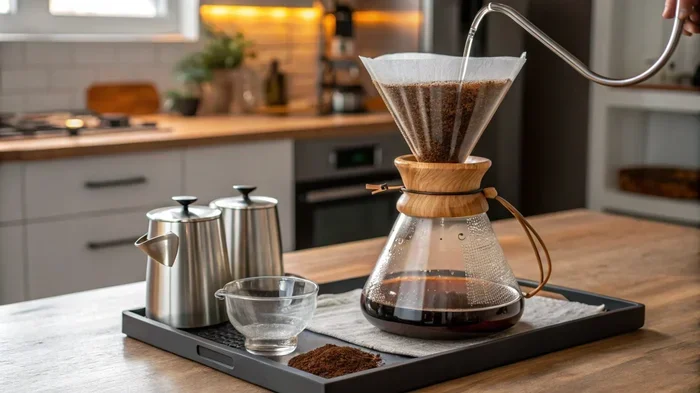
How To Brew Large Amounts Of Coffee At Home Easily
Brewing large amounts of coffee at home is easier than you think. Whether you need coffee for a party, office, or family gathering, this guide covers the best methods, ratios, and equipment. You will learn how to make big batches of fresh coffee that taste great every single time.
Brewing large amounts of coffee at home does not have to be complicated. Whether you are hosting a weekend brunch, prepping coffee for the office, or just love having plenty of fresh coffee on hand, there is a method that works for you. This guide walks you through everything you need to know about brewing large amounts of coffee with ease and confidence.
Many people assume that making big batches of coffee means sacrificing quality. That is simply not true. With the right technique and a little planning, you can brew a full pot or even several gallons of coffee that taste just as good as a single cup. The key is understanding your equipment, your ratios, and your flavor preferences.
So grab your favorite coffee beans and let us get started. By the end of this guide, you will feel completely comfortable brewing coffee for any size group.
Key Takeaways
- Multiple brewing methods work for large batches: drip coffee makers, French presses, percolators, and cold brew systems all scale up well.
- The right coffee-to-water ratio is critical: use about 1 to 2 tablespoons of ground coffee per 6 ounces of water for balanced flavor.
- Equipment matters: investing in a quality large-capacity coffee maker or batch brewer saves time and ensures consistency.
- Freshness counts even in big batches: grind your beans just before brewing for the best flavor.
- Keep coffee warm safely: use thermal carafes or insulated servers instead of leaving coffee on a hot plate.
- Avoid common mistakes: don’t over-extract, use stale grounds, or ignore water temperature.
- Breakfast pairings make coffee gatherings special: serve your brew alongside oven-baked breakfast items like bacon and sausage for a complete spread.
📑 Table of Contents
- Why Brewing Large Amounts Of Coffee At Home Makes Sense
- Best Methods To Brew Large Amounts Of Coffee
- The Right Coffee-to-Water Ratio For Big Batches
- Equipment You Need For Brewing Large Batches
- Tips For Perfect Flavor When Brewing In Bulk
- Common Mistakes To Avoid When Brewing Large Amounts Of Coffee
- How To Keep Large Batches Of Coffee Fresh And Warm
- Pairing Your Big Batch Coffee With Breakfast Favorites
- Conclusion
Why Brewing Large Amounts Of Coffee At Home Makes Sense
There are plenty of reasons to brew coffee in large quantities at home. Let us look at some of the biggest ones.
First, it saves money. Buying coffee from cafés every day adds up fast. When you brew at home in big batches, the cost per cup drops significantly. A bag of quality beans goes much further when you are making multiple servings at once.
Second, it saves time. Instead of brewing cup after cup every morning, you can prepare a large batch and have coffee ready for everyone. This is especially helpful during busy mornings or when you have guests over.
Third, brewing at home gives you full control over flavor. You choose the beans, the grind size, the water temperature, and the brewing time. No more settling for mediocre coffee at the office kitchen.
Finally, it is convenient. Having a large batch of fresh coffee ready means you never have to worry about running out. Whether it is a family reunion, a study session, or a casual weekend gathering, you will always have plenty to go around.
Best Methods To Brew Large Amounts Of Coffee
Not all brewing methods are created equal when it comes to large batches. Here are the best options for brewing coffee in bulk at home.
Drip Coffee Makers (The Most Popular Choice)
Standard drip coffee makers are the go-to option for most households. They are simple to use, reliable, and come in various sizes. Many models can brew 12 to 20 cups per cycle, and some even larger.
For truly large amounts, look for a 12-cup or 14-cup machine. These are widely available and affordable. Some models also have programmable timers, so your coffee is ready when you wake up.
If you need even more coffee than a standard machine provides, you can run multiple batches back to back. Just make sure to refill the water reservoir and add fresh grounds between cycles.
French Press For Big Batches
A French press is a fantastic option for brewing large amounts of coffee without electricity. Large French presses can handle 34 to 60 ounces of liquid, which is enough for 4 to 8 cups.
The process is simple. Add coarsely ground coffee to the press, pour in hot water, stir gently, and let it steep for about 4 minutes. Then press the plunger down and serve. The result is a rich, full-bodied cup that many coffee lovers prefer.
One downside is that French presses require more hands-on effort for very large groups. You may need to brew several rounds if you are serving a crowd.
Percolators And Batch Brewers
Percolators are a classic way to brew large amounts of coffee. They work by cycling hot water through coffee grounds repeatedly, producing a strong and robust cup. Stove-top percolators are affordable and do not need electricity.
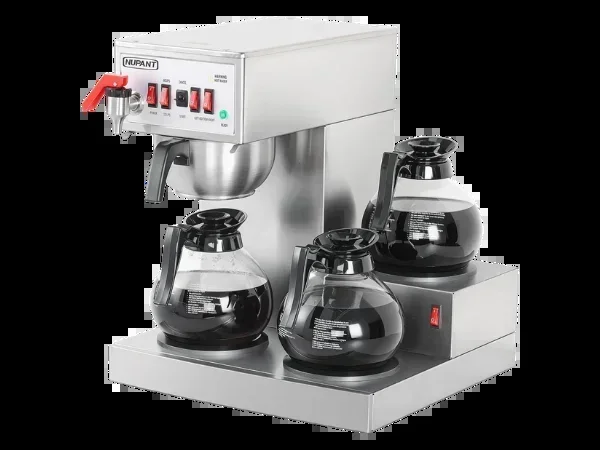
Commercial batch brewers are another excellent choice, especially if you brew coffee frequently. These machines are designed specifically for high-volume brewing and are common in offices, cafeterias, and restaurants. You can find home versions that brew 2 to 5 gallons at a time.
Cold Brew For Big Batches
Cold brew is a refreshing option that scales beautifully for large quantities. You simply combine coarse ground coffee with cold water in a large container and let it steep in the fridge for 12 to 24 hours.
The beauty of cold brew is that you can make a gallon or more at once. It stays fresh in the refrigerator for up to a week. Plus, cold brew is naturally less acidic and smooth, which many people enjoy.
The Right Coffee-to-Water Ratio For Big Batches
Getting the ratio right is the most important step in brewing large amounts of coffee. Too much coffee and your brew will be bitter and overpowering. Too little and it will be weak and watery.
The general rule of thumb is to use about 1 to 2 tablespoons of ground coffee for every 6 ounces of water. This is called the Golden Ratio in the coffee world. For a milder cup, stick with 1 tablespoon per 6 ounces. For a stronger brew, go with 2 tablespoons.
Here is a quick reference guide for different batch sizes:
- 12 cups (60 ounces): 10 to 20 tablespoons of ground coffee
- 24 cups (120 ounces): 20 to 40 tablespoons of ground coffee
- 1 gallon (128 ounces): 34 to 68 tablespoons of ground coffee
- 5 gallons (640 ounces): 170 to 340 tablespoons of ground coffee
These numbers might seem like a lot, but remember that coffee grounds expand as they absorb water. Always start with the lower end of the range and adjust to taste. You can always add more coffee, but you cannot take it away once it is brewed.
Using a kitchen scale is the most accurate way to measure. Weighing your coffee and water ensures consistency every time you brew. This is especially helpful when you are making large batches and want the same great flavor each time.
Equipment You Need For Brewing Large Batches
Having the right equipment makes a huge difference when brewing large amounts of coffee. Here is what you need.
Coffee Grinder
Freshly ground coffee makes a noticeable difference in flavor. A burr grinder is the best choice because it produces a consistent grind size. For large batches, a grinder with a large hopper saves time. You can grind enough coffee for an entire pot in one go.
If you do not have a grinder, many coffee shops will grind beans for you when you purchase them. Just ask for the grind size that matches your brewing method.
Large Coffee Maker Or Brewer
Your main brewing device is the most important piece of equipment. For most households, a 12-cup drip coffee maker works well. For larger needs, consider a batch brewer or a French press in a bigger size.
Make sure your equipment is clean before each use. Residual oils and old grounds can affect the taste of your fresh coffee. A clean machine brews better coffee.
Thermal Carafe Or Insulated Server
One of the biggest challenges with large batches is keeping the coffee warm without burning it. A thermal carafe is the best solution. It keeps coffee hot for hours without the harsh, burnt taste that comes from a hot plate.
If you need to keep coffee warm for an extended event, consider using an insulated server or a thermal urn. These are designed to maintain temperature without overheating the coffee. This is much better than letting your brew sit on a warming plate for hours.
Tips For Perfect Flavor When Brewing In Bulk
Brewing large amounts of coffee comes with a few challenges. Here are expert tips to make sure every batch tastes amazing.
Use Fresh, Quality Beans
The quality of your beans directly impacts the flavor of your coffee. Buy whole beans from a reputable roaster and use them within two to four weeks of the roast date. Store them in an airtight container away from light and heat.
Avoid buying pre-ground coffee in large bags. Once ground, coffee starts to lose its flavor quickly. Grinding just before brewing preserves the aroma and taste.
Pay Attention To Water Quality
Coffee is about 98% water, so the quality of your water matters a lot. Use filtered water for the best results. Avoid distilled water, which can taste flat. And never use water that has been sitting in the kettle for too long, as it loses oxygen and can make your coffee taste dull.
Control Your Water Temperature
The ideal water temperature for brewing coffee is between 195 and 205 degrees Fahrenheit. Water that is too hot will over-extract the grounds and create a bitter taste. Water that is too cool will under-extract and produce weak, sour coffee.
If you do not have a thermometer, bring your water to a boil and then let it sit for about 30 seconds before pouring it over the grounds. This simple trick gets you close to the ideal temperature.
Clean Your Equipment Regularly
This point deserves extra attention because it is often overlooked. Coffee oils build up inside your machine over time and can turn rancid. This affects the flavor of every batch you brew.
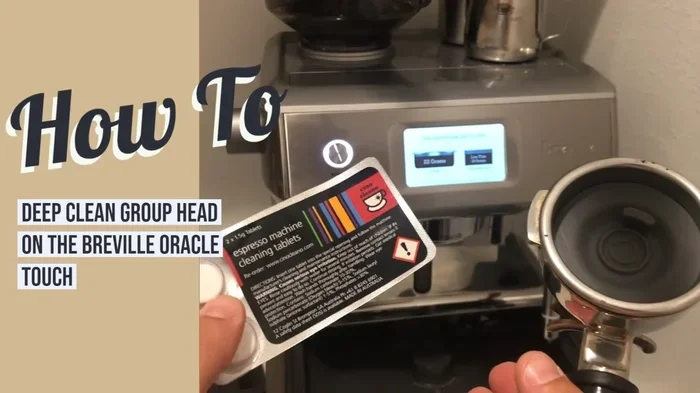
Run a cleaning cycle with vinegar and water once a month. For tough residue or mineral buildup, a deep clean helps restore your machine to peak performance. If you ever deal with melted plastic or tough stains inside your kitchen equipment, you can learn how to tackle tough kitchen messes with effective cleaning methods that work on ovens and other appliances.
Keeping your brewing area clean also means your coffee tastes fresher. A clean machine is a happy machine.
Brew In Stages For Very Large Groups
If you are serving more than 20 people, brewing one massive batch is not always the best approach. Instead, brew in stages. Start the first batch an hour before your guests arrive, and have the second batch ready to go.
This approach ensures everyone gets fresh, hot coffee. It also prevents the last cups from tasting stale or burnt from sitting too long on a warming plate.
Common Mistakes To Avoid When Brewing Large Amounts Of Coffee
Even experienced home brewers make mistakes when scaling up. Here are the most common ones to watch out for.
Using Stale Coffee Grounds
This is the number one mistake people make. Stale grounds produce flat, lifeless coffee. Always check the freshness of your beans and grind them right before brewing. The difference in flavor is remarkable.
Ignoring The Grind Size
Different brewing methods require different grind sizes. Using the wrong size leads to over-extraction or under-extraction. For drip coffee makers, use a medium grind. For French press, use a coarse grind. For cold brew, use an extra coarse grind.
Overfilling The Machine
It is tempting to fill the water reservoir to the absolute maximum, but this can cause problems. Overfilling can lead to leaks, uneven brewing, and poor-tasting coffee. Stay within the recommended fill lines on your machine.
Letting Coffee Sit Too Long
Brewed coffee starts to lose its flavor within 20 to 30 minutes on a hot plate. After an hour, it tastes noticeably stale and bitter. Transfer your coffee to a thermal carafe as soon as brewing is complete. This keeps it fresh and flavorful for hours.
If you ever need to reheat coffee, do so gently on the stove rather than using a microwave. Microwaving can ruin the flavor and texture of your brew.
How To Keep Large Batches Of Coffee Fresh And Warm
Once you have brewed a big batch, the next challenge is keeping it at the right temperature. The goal is to maintain warmth without degrading the flavor.
Thermal carafes are the gold standard for this. They use double-wall insulation to trap heat without any electrical component. Your coffee stays hot for 4 to 6 hours without any risk of burning.
For even larger quantities, thermal urns and coffee dispensers work wonderfully. These are commonly used at events and gatherings. They can hold several gallons and keep coffee at a safe serving temperature all day long.
If you are hosting an outdoor event or a brunch where you want to keep multiple items warm, consider using warming trays or chafing dishes. These are great for keeping not just coffee but also breakfast items like scrambled eggs, pancakes, and hash browns at the right temperature throughout the event.
One important tip: never leave brewed coffee sitting on a hot plate for more than 30 minutes. The heat breaks down the flavors and creates a bitter, burnt taste. Always transfer to an insulated container as soon as possible.
Pairing Your Big Batch Coffee With Breakfast Favorites
Brewing large amounts of coffee pairs perfectly with a great breakfast spread. When you are making coffee for a crowd, having some food to go with it makes the experience special.
Classic breakfast items like scrambled eggs, pancakes, and pastries all work well with a big pot of fresh coffee. If you are cooking breakfast in the oven, items like bacon and sausage are easy to prepare in large quantities. Cooking them in the oven means you can feed a crowd without standing over a hot stove all morning.
The combination of a fresh, aromatic pot of coffee and warm breakfast foods creates a welcoming atmosphere for any gathering. Your guests will appreciate the effort, and the coffee will be the star of the show.
Conclusion
Brewing large amounts of coffee at home is a skill anyone can learn. With the right method, the correct ratio, and quality equipment, you can serve delicious coffee to any size group. Start with the basics, experiment with different brewing methods, and refine your process over time.
Remember that freshness, water quality, and proper temperature are the foundations of great coffee. Keep your equipment clean, store your beans properly, and always serve your brew at the right temperature. These simple habits make a world of difference.
Now that you know how to brew large amounts of coffee with confidence, it is time to put these tips into practice. Whether it is a weekend gathering or a busy weekday morning, you are ready to make coffee that impresses everyone.
Frequently Asked Questions
What is the best coffee maker for brewing large amounts?
A 12-cup drip coffee maker is the most popular choice for households. For larger needs, a commercial batch brewer or a large French press works well. Choose based on how many people you typically serve.
How much coffee do I need for 20 cups?
For 20 cups (about 100 ounces), use 34 to 68 tablespoons of ground coffee. Start with 34 tablespoons for a milder brew and adjust up from there based on your taste preference.
Can I use regular ground coffee for large batch brewing?
Yes, but freshly ground beans produce much better flavor. If you use pre-ground coffee, store it in an airtight container and use it within a week of opening for the best results.
How long does brewed coffee stay fresh?
Brewed coffee stays fresh for about 20 to 30 minutes on a hot plate. In a thermal carafe, it remains flavorful for 2 to 4 hours. After that, the quality starts to decline noticeably.
Is cold brew a good option for large batches?
Absolutely. Cold brew scales very well and can be made in gallon-sized batches. It stays fresh in the refrigerator for up to 7 days and produces a smooth, low-acid coffee that many people love.
How do I clean my coffee maker after brewing large batches?
Run a cleaning cycle with equal parts white vinegar and water once a month. For daily maintenance, rinse the carafe and filter basket after each use. Regular cleaning prevents buildup and keeps your coffee tasting fresh.